Rome Tickets

Plan your visit to Roman Colosseum

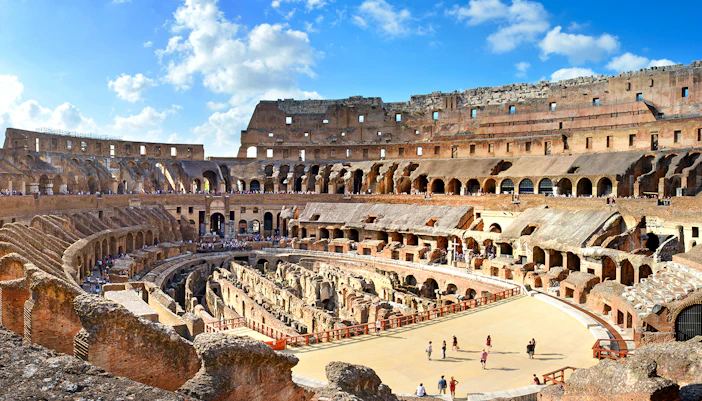
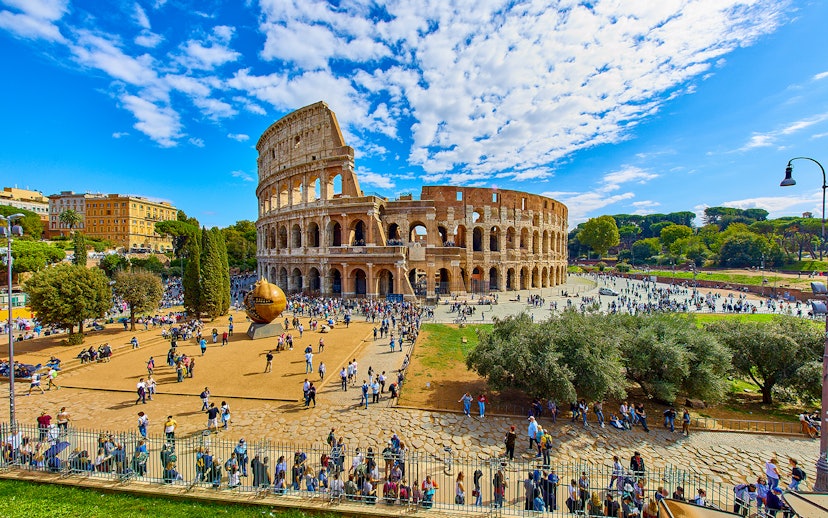
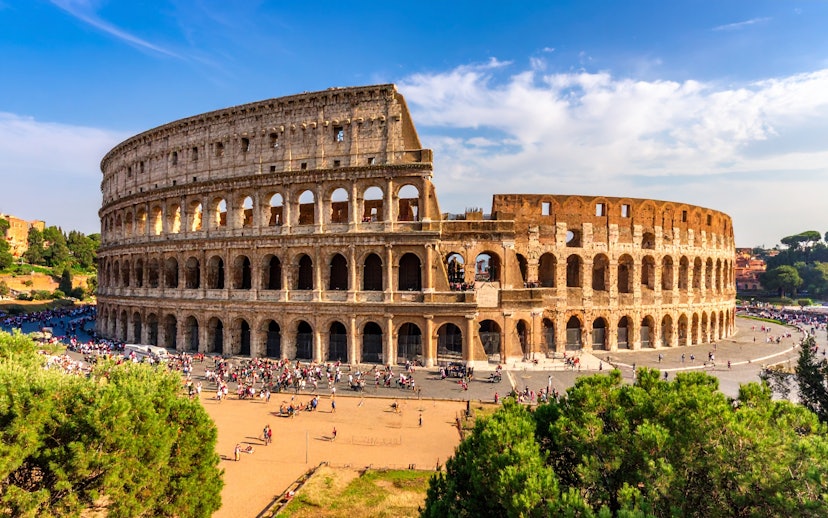
The Colosseum is Rome's most visited ancient monument, drawing over 12 million visitors annually to the wider archaeological park. Built in 70–80 AD and spanning about 24,000sqm, it is the largest amphitheatre ever constructed. Entry is timed and demand is high: on-site ticket queues stretch 60–90 minutes in June and July, and restricted areas like the underground are only accessible on guided tours with limited daily slots. This guide covers everything from choosing the right pass to knowing where to go once you are through the gate.

Colosseum at a glance

  • When to visit: Open daily from 8:30am. Last entry is 1 hour before closing, which runs from 4:30pm in winter to 7:15pm in late summer. Closed 25 December and 1 January.
  • Getting in: From for a standard timed-entry pass covering the Colosseum, Roman Forum, and Palatine Hill. Guided tours from ; underground access from . On-site queues run 60–90 minutes in June and July. Booking 2–3 weeks ahead is the baseline for April through October; 4–5 weeks for summer morning slots.
  • How long to allow: 1.5–2 hours for the Colosseum alone. Add 1.5–2 hours if you plan to walk the Roman Forum and Palatine Hill.
  • When to go: Before 9am or after 3pm on weekdays. Tuesday through Thursday are calmer than weekends.
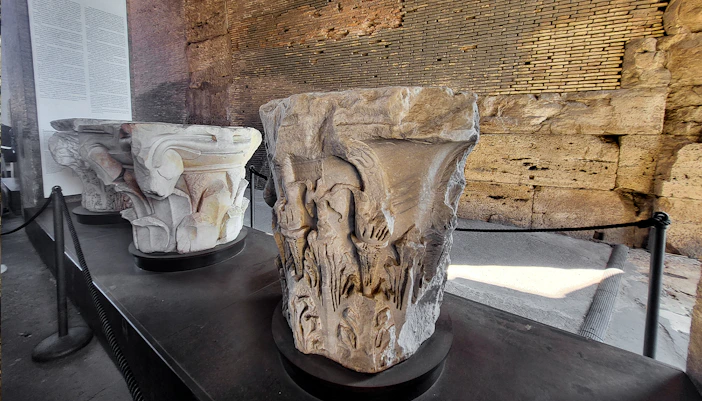
  • What most people miss: The Colosseum Museum on the upper levels holds gladiatorial armour, inscriptions, and scale models that explain the arena's mechanics. Most visitors move through in five minutes; it is worth slowing down for 20.

🎟️ Underground and arena floor slots sell out 2 or more weeks ahead during June, July, and August. Lock in your preferred time before it goes.

→ See ticket options

Where and when to go

💡 Pro tip

The Colosseum is free on the first Sunday of every month, but queues start forming well before opening. If you’re going then, arrive at least 45–60 minutes early. Otherwise, an 8:30am weekday slot is your best bet — you’ll skip peak crowds and actually save more time than you would save money.

How to make the most of your time

Visit typeDurationRouteWalking distanceWhat you get

Highlights only

1–1.5 hrs

Colosseum ground level → panoramic upper tier

~1 km

A clear first understanding of why the Colosseum mattered, its scale, social hierarchy, and role as Rome’s most powerful stage for public life and spectacle.

Balanced visit

2.5–3.5 hrs

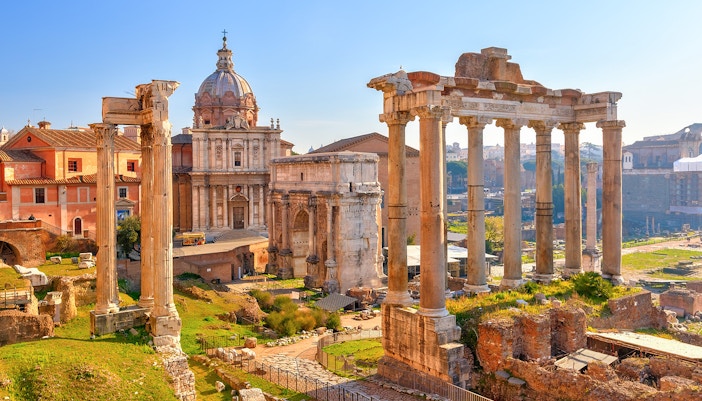
Colosseum → arena floor → upper tiers → Roman Forum → Palatine Hill

~2.5–3 km

A richer sense of how the games were experienced, from the perspectives of performers and spectators, while connecting entertainment to the rhythms of Roman civic life.

Full exploration

4-5+ hrs

Colosseum → underground → arena floor → upper tiers → Roman Forum → Palatine Hill

~4 km

A layered, narrative-driven understanding of ancient Rome; how engineering, politics, power, and performance came together to shape the empire’s most iconic symbol.

Know before booking your Colosseum tickets

Choosing the right Colosseum ticket comes down to how much time you have, how deeply you want to understand the site, and whether you prefer seamless entry or do not mind navigating queues and access rules.

  • Standard timed-entry passes (from ) include the Colosseum plus the Roman Forum and Palatine Hill, but on busy days same-day passes are often unavailable, and ticket lines can stretch 60–90 minutes in June and July. Pre-booking a timed slot is the baseline: it guarantees entry and avoids the risk of being turned away.
  • Guided tours (from €39) combine reserved entry with expert commentary across the Colosseum, Forum, and Palatine Hill, typically in small groups, making them a strong choice if you prefer structure and historical clarity without figuring out the route yourself.
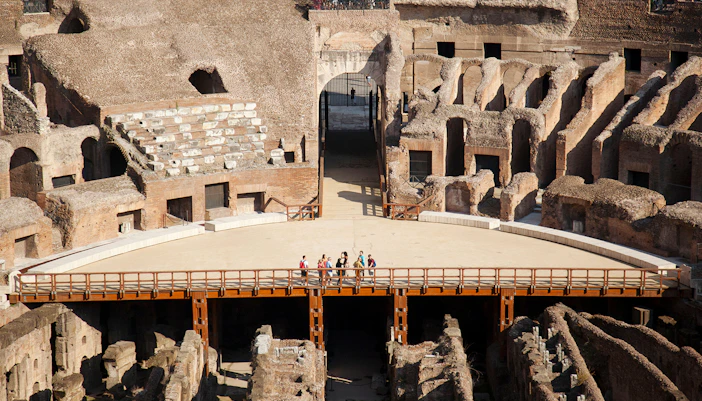
  • For exclusive access, arena floor and underground tours (from €49/€135) unlock restricted zones with strict visitor caps and very limited availability, making advance booking essential.
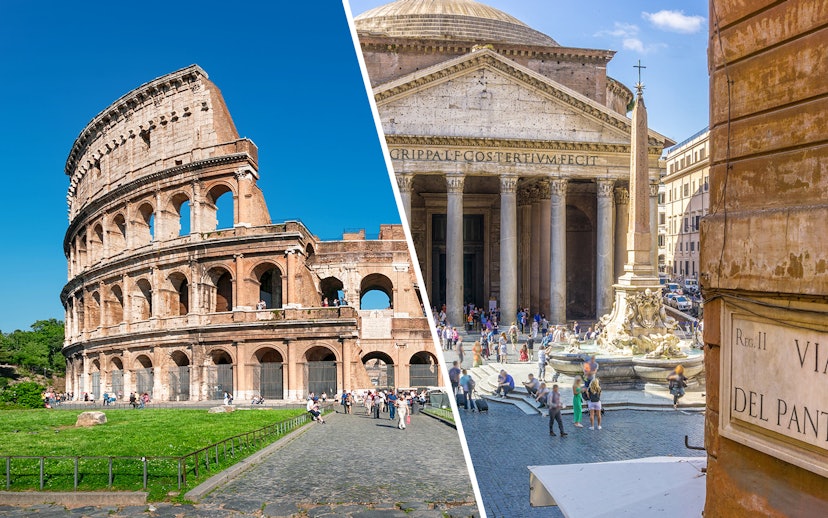
  • Combo tickets (from €37) are most useful if you are also visiting high-demand sites like the Pantheon or Vatican Museums and want to lock in multiple entries with minimal planning.

Jump to ticket comparison ↓

⚠️ Watch out for unofficial sellers near the Colosseum entrance

Vendors dressed as gladiators take photos with tourists and then demand €10–30 per person, with no price agreed upfront. Unofficial ticket sellers near the Arch of Constantine offer overpriced passes or invalid tickets — if the ticket does not work at the gate, you will still join the full entry queue with no refund. Buy only through coopculture.it or a verified partner. A legitimate ticket always shows a confirmed date, time slot, and booking reference.

Colosseum access types explained

Access typeWhat's includedBest forPrice range

Standard access (timed)

Timed Colosseum entry + Roman Forum & Palatine Hill access, audio guide

Visiting independently when you want to move at your own pace and spend as long as you like in each area

From €23

Guided tour

Guided Colosseum, Forum & Palatine; small group; headsets

Visiting June through October when understanding the site and route matters as much as getting in, without spending hours reading every panel yourself

From €35

Underground & arena guided tour

Guided Underground + Arena Floor; very small groups

A dedicated visit where the engineering below the arena floor and the gladiatorial backstage story is the primary reason you are going

From €135

Combo: Colosseum + Pantheon / Vatican

Colosseum complex + major site entry or tour

A Rome trip that includes both the Colosseum and a second high-demand site, with both locked in through one booking

From €37

Forum & Palatine SUPER Sites Pass

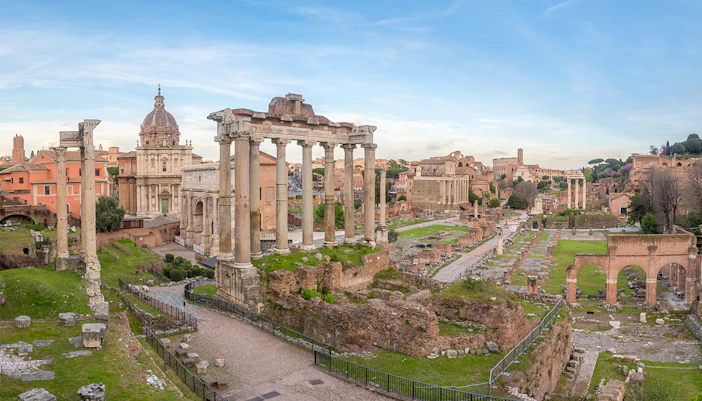
Forum, Palatine + 7 restricted SUPER sites

Visiting the Forum and Palatine Hill without the Colosseum, or adding exclusive access to restricted SUPER sites on a return day

From €24

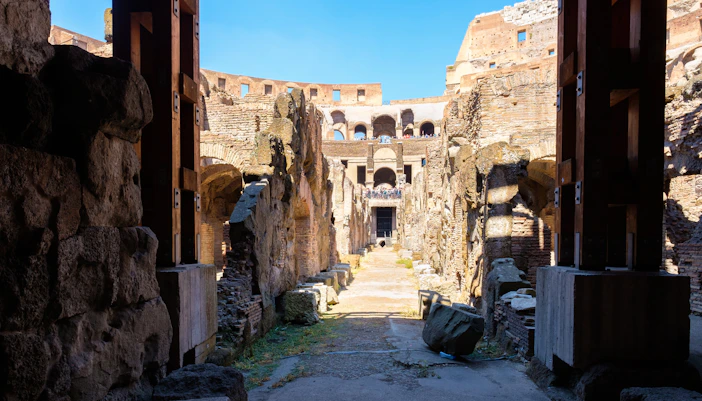
✨ The Underground + Arena Floor tour unlocks the two areas that standard access cannot reach, and capacity is capped at a small group size. If standing on the reconstructed arena floor or walking the hypogeum tunnels is the main reason you are visiting, this is the ticket to choose. Book at least 2 weeks ahead in summer.

Explore the Colosseum

The Colosseum is more than just an ancient arena, it’s a complex of ruins, viewpoints, and stories waiting to be discovered.

Facilities and accessibility

  • 🎧 Audio guides: Available as digital guides you can download to your phone, often offered as an upgrade with standard access options.
  • 🚻 Restrooms: Yes, there are toilets inside the Colosseum. There are 14 restrooms on the first tier, including accessible facilities with baby-changing stations, and additional restrooms on the second tier. Lines are common from late morning to midday but move quickly. These are the only facilities inside the building; plan a stop before crossing to the Roman Forum, where toilets are less centrally located.
  • 🎒 Bags and cloakroom: There is no cloakroom or luggage storage inside or outside the Colosseum. Large backpacks, suitcases, and bulky items are not permitted and must be left elsewhere before arrival. Luggage storage options are available in the Monti neighbourhood and near Termini station. [VERIFY: confirm specific storage services near the site]
  • 🛍️ Gift shops: Official souvenir shops selling books and replicas are located inside the Colosseum along exit routes.
  • 🍴 Food and drinks: No cafés or restaurants inside the monument. Snack bars and cafés are available just outside the Colosseum in the surrounding area.
  • 💧 Water and seating: Drinking fountains and benches are available within the wider archaeological area, including near the Forum and Palatine Hill.
  • Accessibility: Step-free access and elevators allow entry to select levels of the Colosseum; uneven terrain limits accessibility in parts of the Forum and Palatine Hill. Golf cart assistance is available within the wider Parco Archeologico for visitors using wheelchairs.

♿ Terrain & reachable areas

  • The ground floor and first tier of the Colosseum are accessible via ramps and elevators; upper tiers and the underground involve steep stairs and narrow passages.
  • Elevators connect key levels inside the Colosseum, but ancient stone floors and uneven surfaces are common throughout the site.
  • In the Roman Forum and Palatine Hill, accessibility improves on marked paths, though slopes and cobblestones can be challenging in places.

🏛️ General facilities

  • Visitors with disabilities and one companion enter free with valid ID can enter via a dedicated, step-free, and accessible gate at entrances.
  • Accessible restrooms are available at the ground floor of Colosseum and near major access points in the archaeological park.
  • Wheelchairs can be requested at main entrances, and assistance staff are available to help with navigation when needed.

🔊 Visual & hearing support

  • Audio guides include descriptive content suitable for visitors with visual impairments.
  • Tactile elements and explanatory panels are available along select accessible routes.
  • Sign-language guided tours and tailored assistance may be arranged in advance, subject to availability.
  • Stroller access: The ground floor and second level are accessible via elevators; upper tiers involve stairs and narrow passages.
  • Baby facilities: A dedicated Baby Pit Stop with changing and feeding space is located on the second level.
  • Restrooms: Family-accessible restrooms are available on the ground floor and first levels of the Colosseum.
  • Food breaks: Cafés and picnic-friendly open areas are located outside the Colosseum perimeter only.
  • Kids access: EU citizens under 18 enter free with valid ID but must still collect a ticket before entry.

Rules and restrictions

Good to know

Rules can vary by ticket route. Arena, underground, attic, and night visits follow tighter access controls than standard first and second-level entry.

What else is worth visiting nearby?

Commonly paired with the Colosseum

Eat, shop and stay near Colosseum

Practical tips

  • Reach the Colosseo metro area at least 30 minutes before your timed entry. Even with reserved access, security checks can build up late morning. The smoothest windows are usually before 9am or after 3pm, when tour-group pressure is lower.
  • If your pass includes the arena floor, check the access time as soon as you enter. Arena access can be tied to a fixed internal window, and if you miss it, staff may not let you back into that route later.
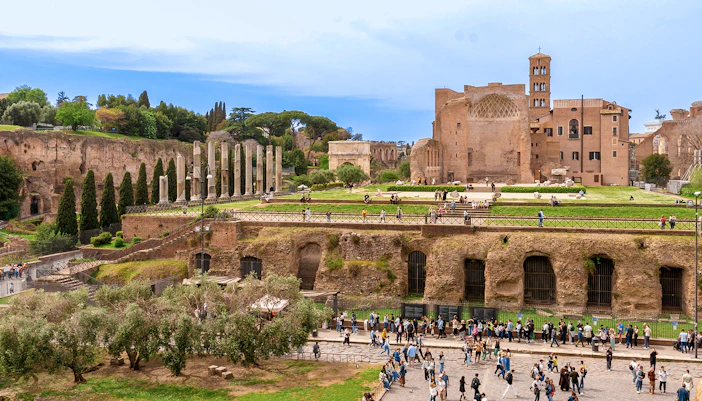
  • Do the Colosseum before the Roman Forum and Palatine Hill if your pass includes all three. The Forum and Palatine involve more walking, slopes, cobblestones, and exposed paths, so it is better to save your energy for that section instead of rushing through it at the end.
  • Travel light and refill your bottle before security. Large bags are not allowed, there are no cloakrooms, and re-entry is not permitted, so stepping out for water or food is not an option once your visit starts.
  • Bring headphones and a small power bank if you plan to use an audio guide or the official app. Signal can dip inside stone corridors, and battery drains faster when you are using maps, tickets, photos, and audio together.

Frequently asked questions about visiting the Colosseum

No, access to the Colosseum requires a ticket. EU and non-EU citizens under 18 enter free with valid ID but must still collect a free ticket before entry. All other visitors need a paid pass.

More reads