We research and organise all unique experiences - from tickets to tours to special combos - so you get all the choices without the clutter.
We partner with the best
Every supplier is vetted for quality, reliability, and value so you only get top rated experiences. No surprises, no disappointments.
All the best options, in one place
Each experience is thoughtfully organised to give you maximum availability, great value and an easy way to choose.
Book with complete peace of mind
Free cancellations, Flexible payments, and 24/7 support - thoughtfully designed for flexibility, assurance, and total peace of mind.
1/4
Slide 1 of 4
Frequently Asked Questions about the Top Landmarks in Rome
Rome is a cultural and architectural hub. It has monuments and museums dating back to the Roman Empire. The Colosseum, the Pantheon, and the Trevi Fountain are some famous landmarks in Rome you shouldn’t miss.
There are many world famous landmarks in Rome. Palatine Hill, Roman Forum, and Piazza del Popolo are among the best-known landmarks in Rome.
While every top landmark in Rome is as old as the city hills, the temples of Forum Boarium are the oldest. It was completed in 80 BC, long before the birth of the Roman Empire.
The Pantheon is the most-visited landmark in Rome, attracting over eight million tourists yearly. The Colosseum comes a close second.
Rome’s special landmarks include the Sistine Chapel, the Pantheon, and the Colosseum.
It is hard to choose the top landmarks in Rome, as they’re all equally significant and attractive. The Pyramid of Cestius and the Circus Maximus are two famous and interesting landmarks in Rome.
The Colosseum, the Pantheon, and the Trevi Fountain are the top three landmarks in Rome.
History dominates every Roman street. The Roman Forum, the St. Peter's Basilica, and the Colosseum are among the most famous historical landmarks in Rome.
The Circus Maximus, Spanish Steps, and Trastevere are a few famous cultural landmarks in Rome.
The top religious landmarks you cannot miss in Rome include the St. Peter's Basilica, the Sistine Chapel, and the Arcibasilica di San Giovanni in Laterano.
Rome travel inspiration straight to your inbox
Explore new cities with curated experiences, exclusive deals and essential travel tips!
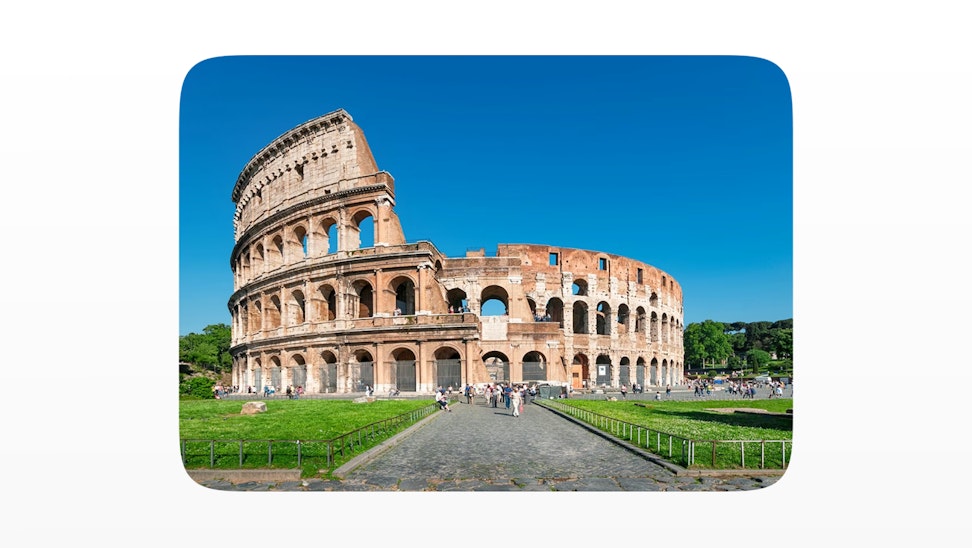
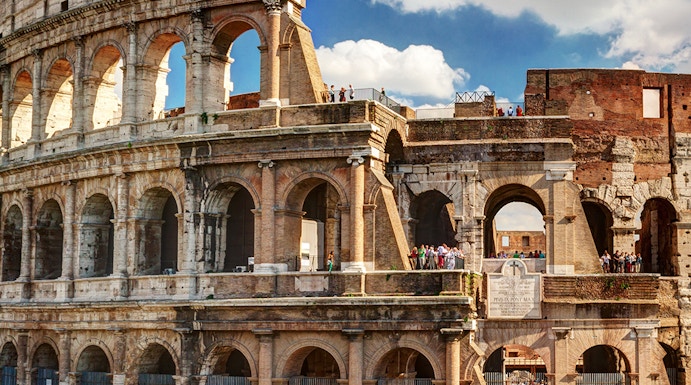
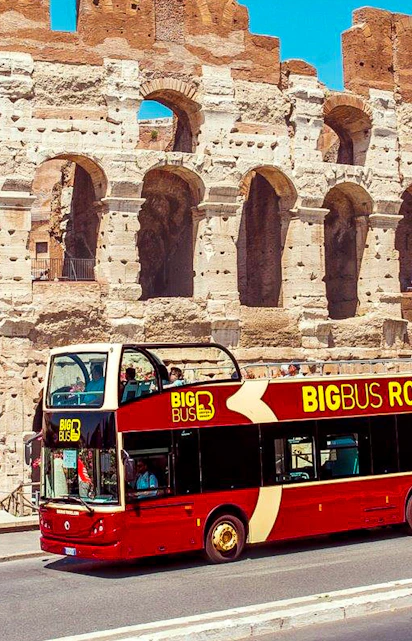
Visit Rome's Colosseum, the Flavian Amphitheatre, an iconic structure and the largest ancient amphitheater built. With a 50,000-person capacity, it remains the world's largest. Constructed from 70-80 AD, it hosted gladiator battles, hunts, and dramas. Explore the underground chambers where fighters and beasts prepared for combat or sit in the top tiers to feel like the Emperors did.
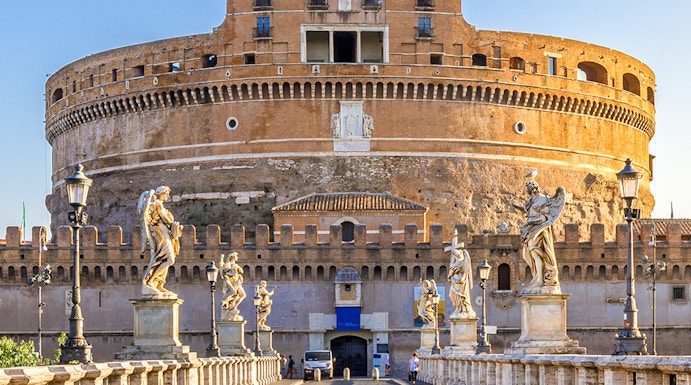
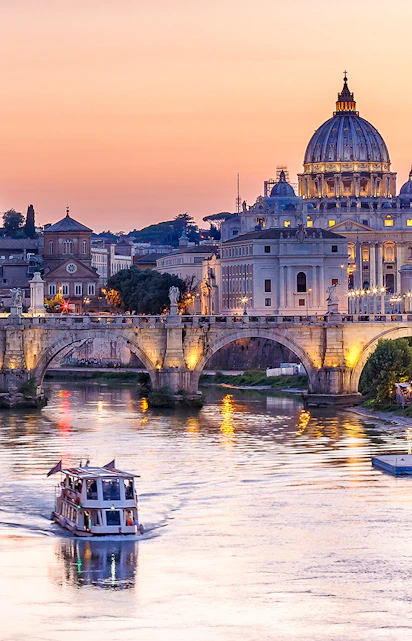
Castel Sant'Angelo in Rome, with a history as Hadrian's tomb and a Papal fortress, now stands as a museum. Its rich legacy includes Renaissance artworks, architectural marvels, and the famed Passetto di Borgo leading to the Vatican, reflecting centuries of tumultuous Italian history.
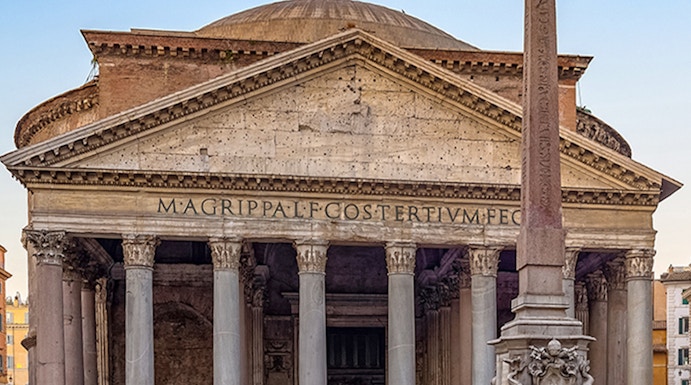
The Roman Pantheon is a top Rome landmark for visitors interested in ancient architecture, history, and sacred spaces. Built under Emperor Hadrian and later converted into a church, it is best known for its vast dome, oculus, marble floor, chapels, and tombs. Book tickets or guided tours for an easier visit and deeper context.
Why Visit?
Ancient Roman architecture
The iconic oculus
Record-breaking concrete dome
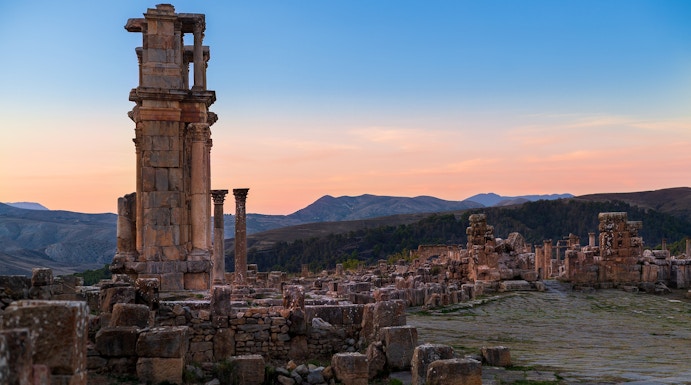
Domus Aurea Tours
4
4.5(31K)
Discover the once extravagant Golden House constructed by Emperor Nero and unearth ancient secrets with an expert guide. Relive the glory of the vast landscaped complex with a virtual reality experience.
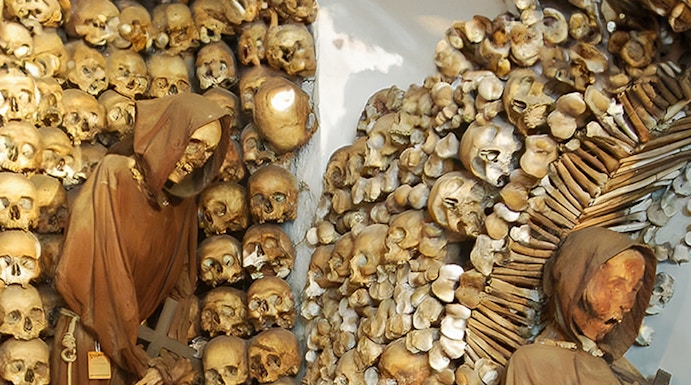
Roman Catacombs Tour
5
4.3(29.3K)
Solo Travellers
First-timers
Explore ancient burial tunnels that reveal the hidden and eerie history of early Christianity.
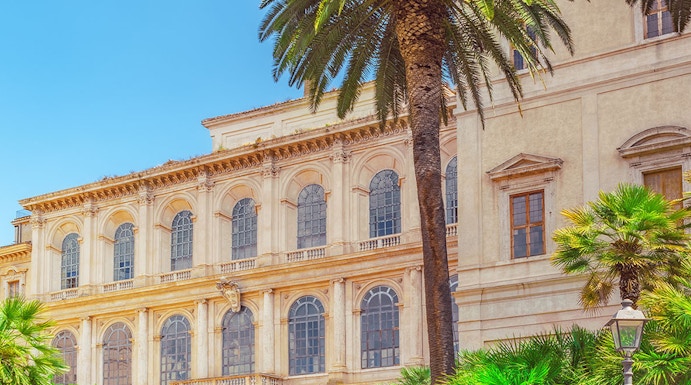
Palazzo Barberini carries the institutional credentials of the Gallerie Nazionali di Arte Antica while offering the atmosphere of a 17th-century residence. Its museum identity is inseparable from architecture shaped by Bernini, Borromini, and Maderno, then extended through Old Master galleries anchored by Caravaggio’s Judith Beheading Holofernes and Pietro da Cortona’s The Triumph of Divine Providence.
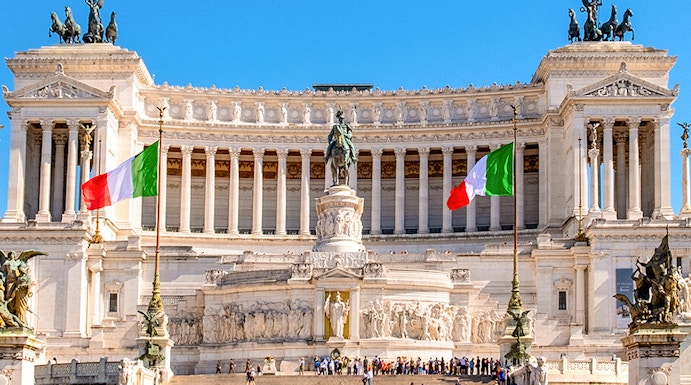
The Altare della Patria is a symbol of modern Italy, built after unification to celebrate national identity. It stands at the center of Rome, connecting the city’s ancient past with its new history. Facing Via dei Fori Imperiali, the monument is part of Italy’s state ceremony route and hosts military parades on special occasions like Republic Day. The bronze chariots on top represent unity and freedom, ideals at the heart of Italy’s rebirth as a nation.
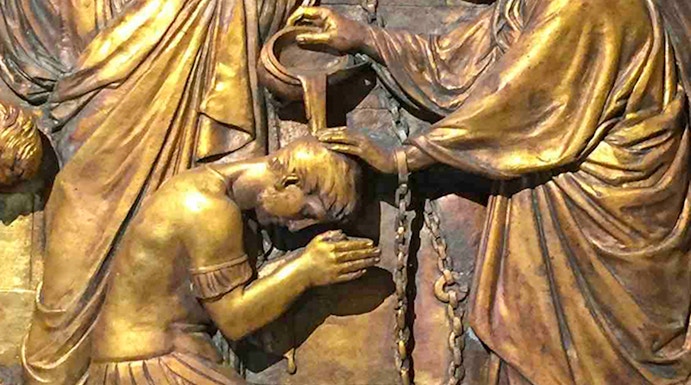
Visit Rome's Mamertine Prison. Dive into its history, from the imprisonment of state enemies to Apostles Peter and Paul. Discover the city's eerie past.
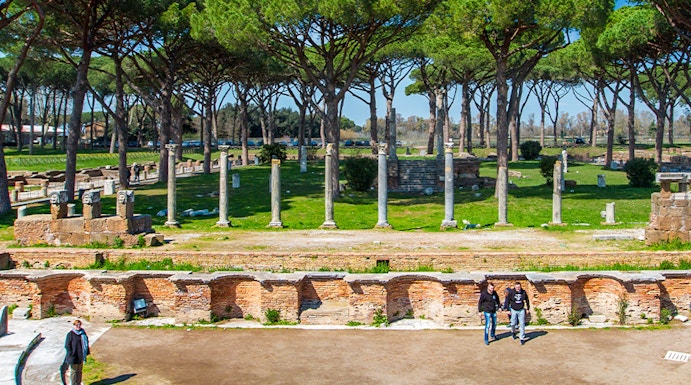
Among Roman archaeological museums and sites near the city, Ostia Antica carries unusual institutional weight as one of Italy’s national archaeological parks under the Ministry of Culture. Its standard ticket also includes the Museo Ostiense, so the visit combines open-air ruins with excavated statues, funerary reliefs, and inscriptions. The preserved insulae, theater, baths, and forum give a broad view of urban Roman life.
Travel back to ancient Rome and experience the grandeur of the Roman Baths of Caracalla. This sprawling complex was one of the largest public baths of its time, accommodating up to 1,600 bathers at a time. Admire the architecture, stunning mosaics, and sculptures that showcase the ingenuity of the ancient Roman civilization with priority access and combo options.
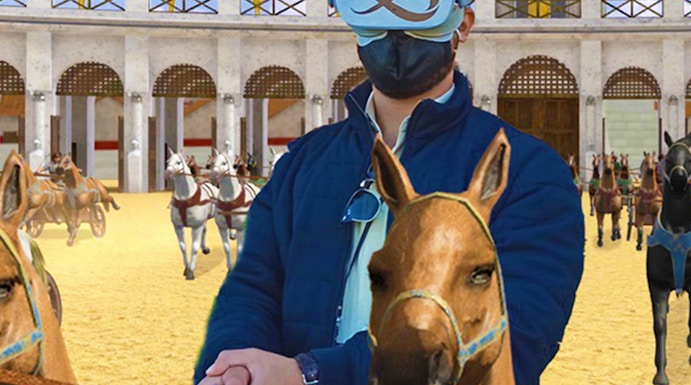
Experience ancient Rome's sports culture at Circus Maximus. Located between two hills, it was a chariot-racing stadium. Dive into history with a virtual reality game.
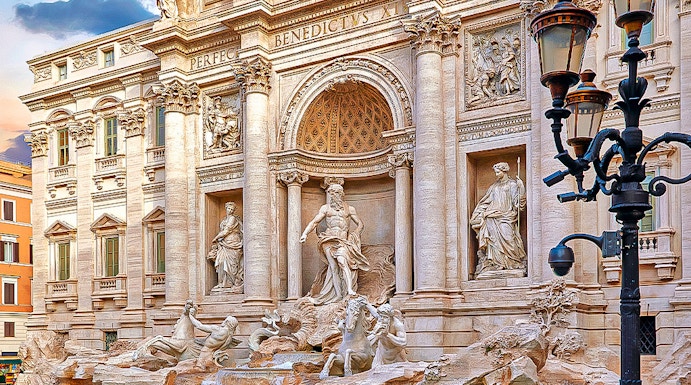
The Trevi Fountain stands as a monumental Baroque fountain, renowned for its colossal statues of Oceanus, mythic seahorses, and allegorical figures. Visitors are drawn to its ornate façade, the mesmerizing sound of water, and the chance to participate in Rome’s most famous wishing ritual.
Why Visit?
Baroque Artistic Marvel
Legendary Coin-Toss Ritual
Vibrant Piazza Atmosphere
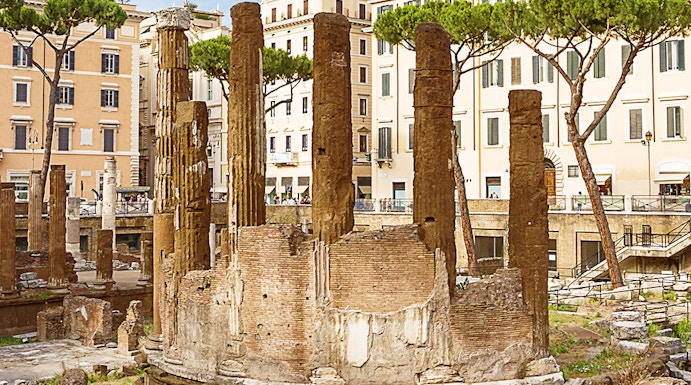
Largo Argentina
13
Explore the ancient ruins of Largo di Torre Argentina, home to four Roman temples and the site where Julius Caesar met his fate. Discover the rich history of this archaeological wonder in the heart of Rome.