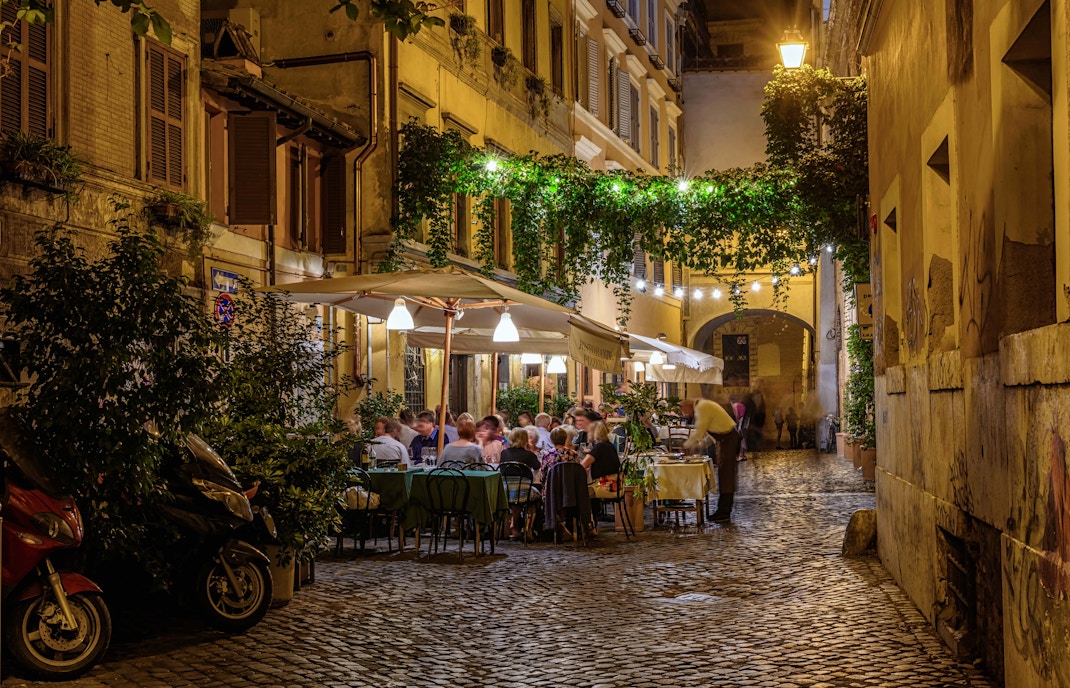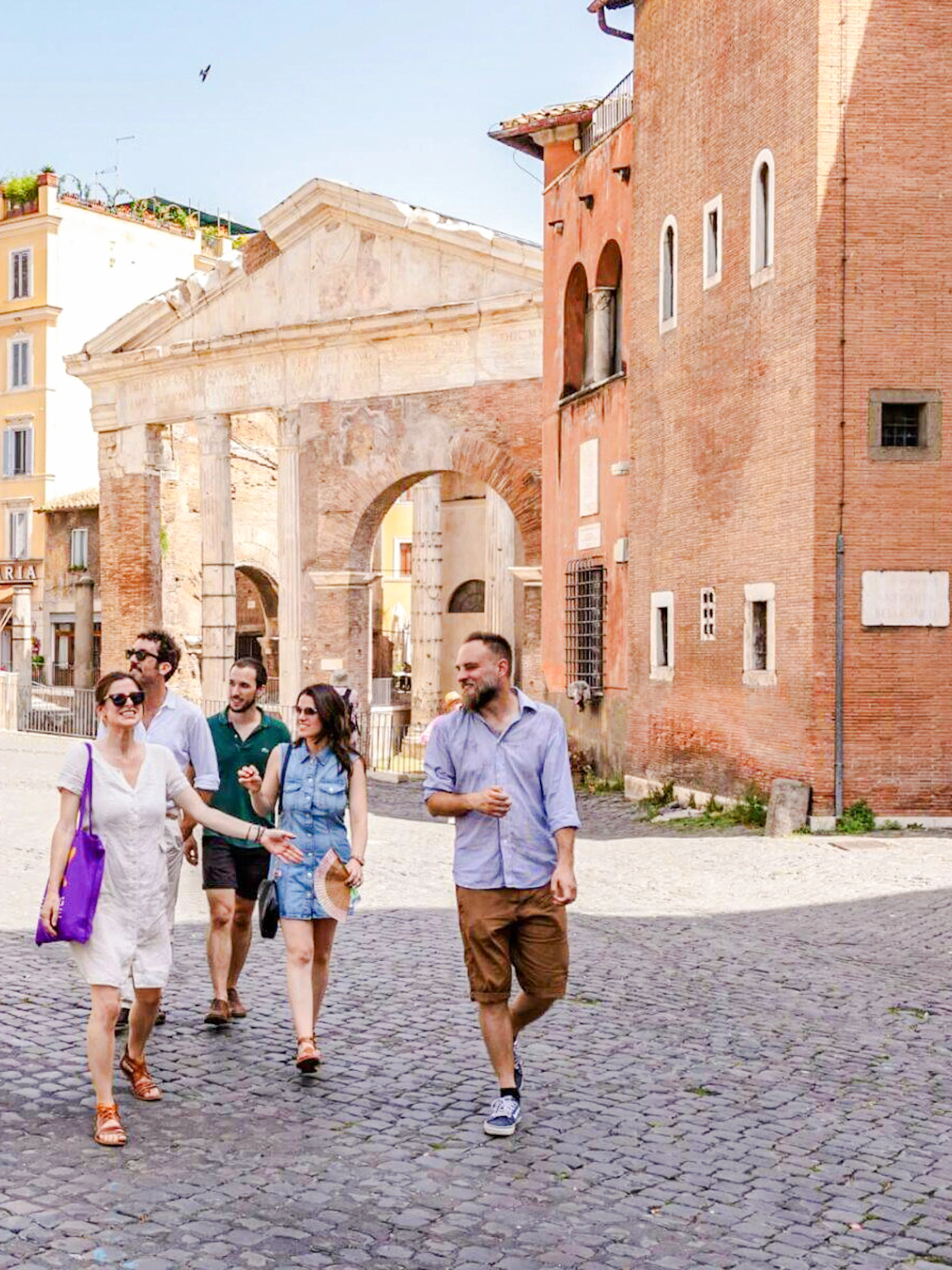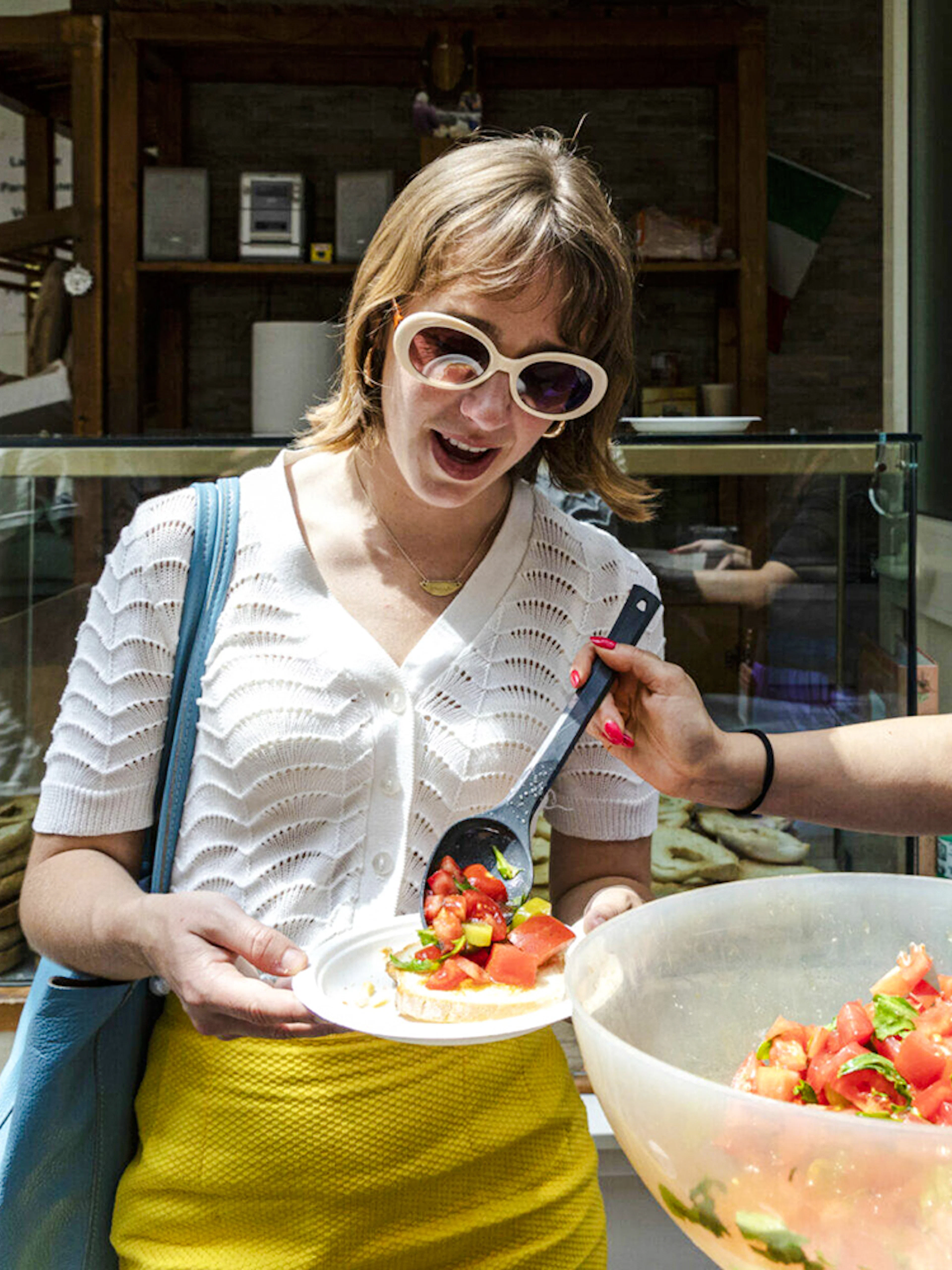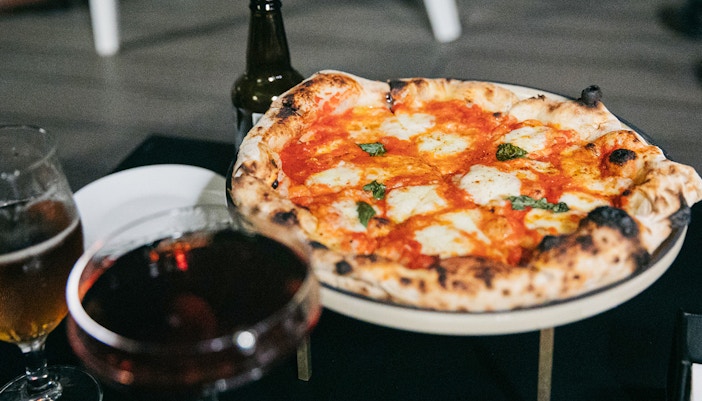
Neighborhood flavors you won’t find elsewhere: Each district reveals its own taste map. Wander Trastevere’s ivy-clad lanes for rustic bars, nibble carciofi alla giudia in the Jewish Ghetto, or explore Testaccio Market where offal-based specialties like coda alla vaccinara were born.
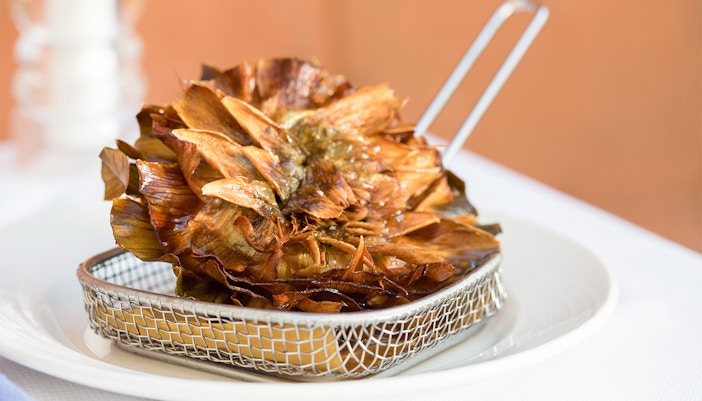
A layered food history: Where else can you taste dishes that span empires and faiths? From Jewish Ghetto staples like fried artichokes to pasta classics born from frugality (cacio e pepe, carbonara), Roman cuisine is a history lesson on a plate.
The icons of Roman street food: Supplì is not just a snack here, it’s the city’s answer to Sicily’s arancini, smaller, crispier, and oozing with mozzarella surprise. Roman pizza is al taglio or by the slice: crunchy, airy squares eaten on the go, topped with seasonal flavors fresh from Campo de’ Fiori.
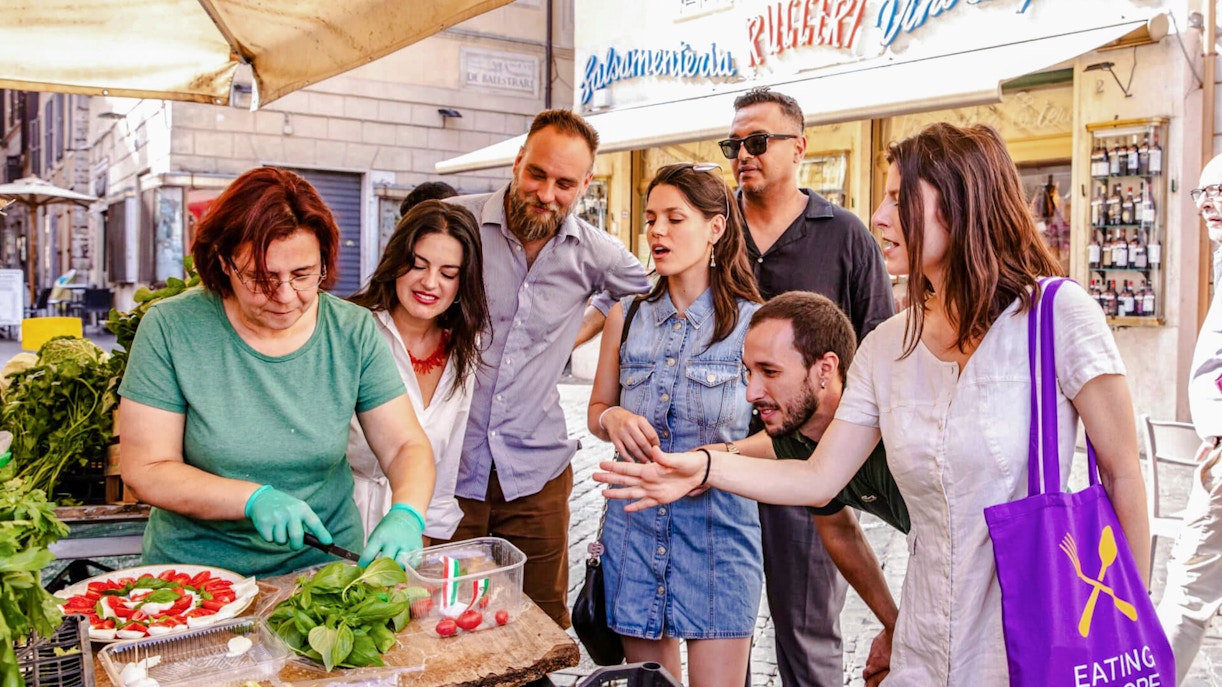
Skip the tourist traps, eat like a local: With expert guides, you slip into family-run bakeries, reserved trattoria tables, and even ancient cellars older than the Colosseum. These aren’t places you’ll stumble upon in a guidebook, they’re hidden gems where Romans actually eat.
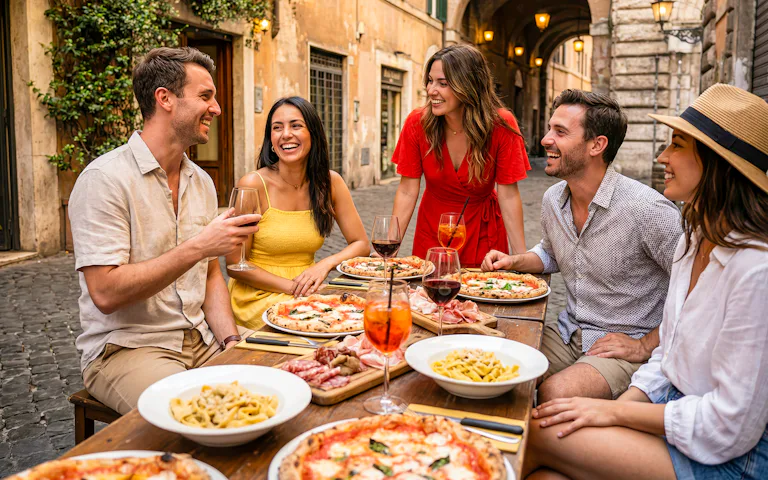
A feast that feels like a festival: In just a few hours, you’ll cover an entire Italian meal: market nibbles, street snacks, pasta courses, wine, and gelato, without the hassle of finding each spot yourself. Add in the laughter of a small group, stories from passionate locals, and the glow of Rome’s streets, and you’ll see why food tours evolve into more than just a meal.
Choose your food tour location
Here's what you can expect at each food district in Rome, so you can opt for what best suits you.
🌃Trastevere
Known for: Street food, classic trattorias, and nightlife bites Atmosphere: Charming, rustic, full of character Why go with a guide: They’ll skip the touristy spots and take you to old-school joints beloved by locals.
🥦Campo de’ Fiori
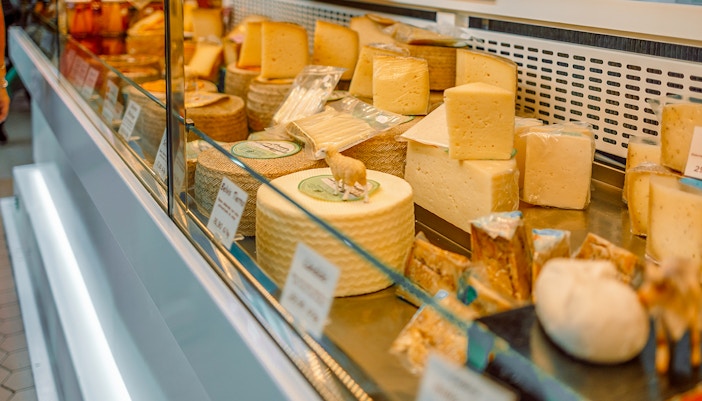
Known for: Day markets, fresh produce, cheese, pizza al taglio Atmosphere: Vibrant, central, full of life Why go with a guide: Learn how to shop like a Roman, and get the backstory behind each bite.
🕍Jewish Ghetto
Known for: Crispy artichokes, Jewish-Roman fusion cuisine Atmosphere: Quiet, historical, rich in culinary heritage Why go with a guide: Hidden alleyways and ancient recipes that you might miss on your own.
🍕Trionfale
Known for: Gourmet pizza, markets, upscale food shops, and Bourdain-approved stops Atmosphere: Chic, local, and deliciously under-the-radar Why go with a guide? You’ll go beyond the market stalls into hidden spots like Pizzarium, La Nicchia Café, and Il Segreto, with a glass of DOCG vino in hand.
🍷Prati
Known for: Elegant cafés, gourmet shops, family trattorias, and stylish bars Atmosphere: Refined, residential, and just steps from the Vatican Why go with a guide: They’ll take you past the polished storefronts to authentic neighborhood gems where locals unwind over handmade pasta, regional pours, and artisanal gelato.
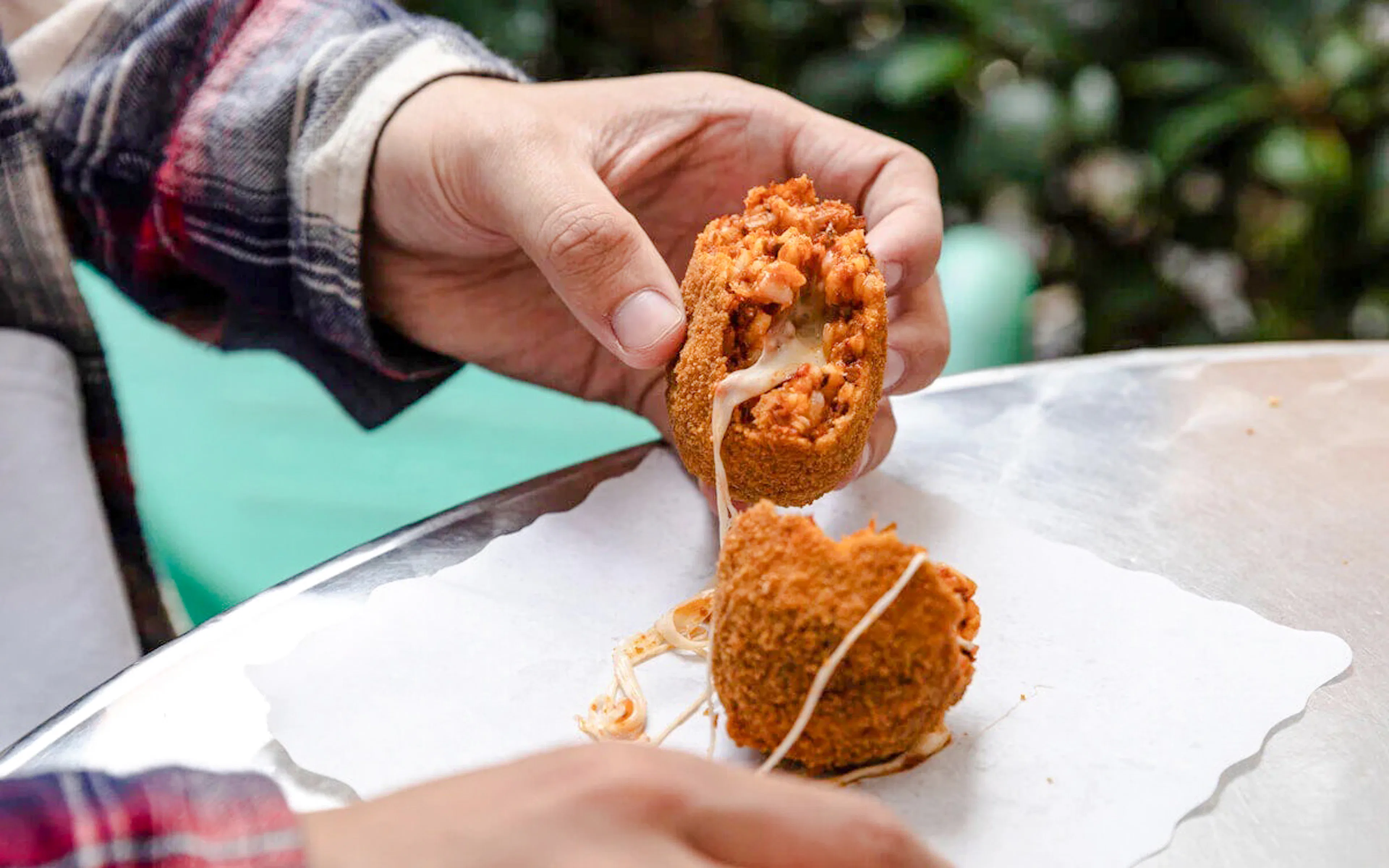
Crunch into a golden shell and you’ll hit the jackpot. Molten mozzarella stretches with every bite, wrapped in rich tomato-soaked rice. Ingredients: Arborio rice, tomato sauce, mozzarella, breadcrumbs. Method: Rice is simmered in tomato, shaped around cheese, breaded, and fried until crisp and oozy inside.
Pizza al taglio
Sold by the slice, baked in trays, Rome’s pizza al taglio is light, airy, and perfectly crisped, topped with everything from zucchini blossoms to prosciutto. Ingredients: Flour, olive oil, yeast, tomato, seasonal toppings. Method: Dough rises for hours, spreads into pans, and bakes into crunchy, blistered slabs of pizza.
Cacio e pepe
Deceptively simple and gloriously creamy, pecorino melts with pepper into a silky sauce that clings to every twirl of spaghetti. Ingredients: Pecorino Romano, black pepper, spaghetti or tonnarelli. Method: Hot pasta is tossed with grated cheese and cracked pepper, emulsified with starchy water.
Carbonara
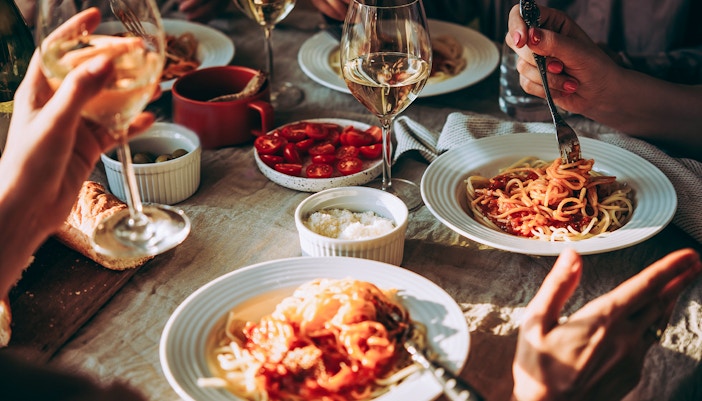
A forkful of smoky guanciale, sharp cheese, and silky egg sauce: carbonara is Roman pasta at its most indulgent, no cream needed. Ingredients: Guanciale, eggs, Pecorino Romano, black pepper. Method: Pasta mingles with guanciale, cheese, and eggs off the heat, creating a velvety sauce.
Ricotta and cherry pie
Sweet meets tart: creamy ricotta meets tangy cherries, all tucked into a golden crust for a dessert that’s both rustic and refined. Ingredients: Ricotta, sour cherries, flour, sugar, eggs. Method: Pastry shell is filled with ricotta and cherry jam, then baked until fragrant and set.
Amatriciana
A bold punch of guanciale, tomato, and chili heat, this pasta is Rome’s fiery classic, equal parts smoky and tangy. Ingredients: Guanciale, tomato, Pecorino Romano, chili. Method: Guanciale renders into fat, tomatoes simmer with spice, and pasta soaks it all up.
Jewish-style artichoke
A deep-fried flower with crisp, nutty petals and a tender heart, this artichoke is Rome’s most beautiful bite. Ingredients: Globe artichokes, olive oil, lemon, salt. Method: Artichokes are flattened and double-fried until golden, crunchy, and blooming open.
Coda alla Vaccinara
Hearty and slow-cooked, this oxtail stew melts off the bone, rich with tomato, wine, and celery sweetness. Ingredients: Oxtail, tomato, celery, red wine, cloves. Method: Oxtail simmers for hours in a spiced tomato base until fall-apart tender.
Porchetta
Juicy, herb-scented pork wrapped in its own crackling skin, porchetta is Rome’s ultimate sandwich filling, savory, smoky, and melt-in-your-mouth tender. Ingredients: Pork belly, garlic, rosemary, fennel, black pepper. Method: Pork is deboned, rolled with herbs, slow-roasted for hours, and sliced thick into sandwiches or served in hearty portions.
Gelato
Cool, dense, impossibly smooth. Roman gelato bursts with real flavors, from pistachio that tastes like nuts to fruit sorbets that taste like the orchard. Ingredients: Milk, sugar, egg yolk (sometimes), fruit or nuts. Method: Churned slowly at low air incorporation for maximum flavor and creamy texture.
Best time to take a food tour in Rome
By season
Spring (April–June)
Rome comes alive with artichokes, fava beans, and porchetta festivals. The weather is mild, markets are vibrant, and outdoor tastings feel sublime.
Fall (September–October):
This is harvest season, so expect truffle shavings, porcini mushrooms, and rich pasta sauces. Drinks flow, and food tours in areas like Prati feel more relaxed after the thinning of summer crowds.
Festive periods:
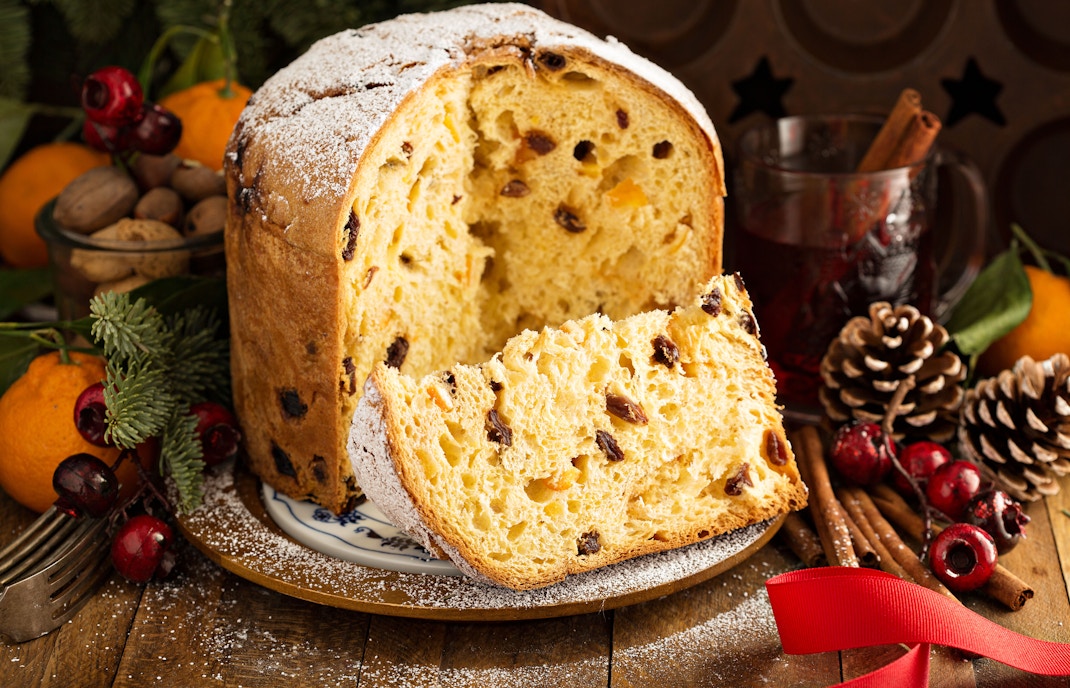
Around Christmas and Easter, Rome’s food scene shifts. Expect panettone, torrone, and abruzzese-style lamb dishes during Easter. Markets brim with festive goods, and a holiday tour gives you front-row access to the city’s best.
By time of day
Morning tours:
Ideal for market visits (like Campo de' Fiori or Trionfale), bakery tastings, and espresso-fueled wanderings. You’ll catch locals shopping and snacking before the midday rush.
Evening tours:
Perfect for sipping the region's finest pours, cheese boards, and watching the city glow. Neighbourhoods like Trastevere and Testaccio shine at dusk with lit-up trattorias and streets abuzz with energy.
Know before you go on a Rome food tour
🚶♂️There’s walking involved: All tours involve walking—typically 1.5 to 2.5 hours—at a leisurely pace with plenty of stops. Wear comfortable shoes and bring a bottle of water, especially during warmer months.
♿Terrain: While the tours are mostly on flat terrain, cobblestone streets may pose challenges. Let the operator know in advance if mobility is a concern.
🧋No buzz needed: These tours highlight drinks too, just not necessarily the boozy kind. Expect refreshing local specialties, from craft sodas to seasonal juices.
🌱Vegetarian options: Vegetarian? You're covered. Vegan options are more limited, so check ahead to avoid surprises.
🥜Food allergies: Whether it's gluten, nuts, or dairy, flag your food sensitivities early. Most vendors can accommodate with a heads-up.
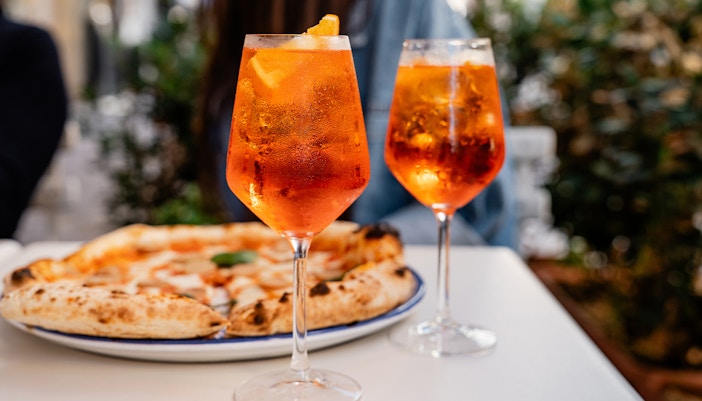
🍝Meal structure: Romans eat light breakfasts, hearty lunches (1–2pm), and late dinners (after 8pm). ☕Coffee culture: Cappuccino is for the morning. After noon, order espresso. 🍸Aperitivo: Pre-dinner drinks with snacks around 6–7pm. 🫂Pacing: Meals are slow and social; no rush. 🍽️Al fresco dining: Common in warm months; reservations are recommended. 💲Tipping: Not required, but rounding up or leaving €1–2 is appreciated.
☕Skip the espresso before you go: Many food tours end with coffee or dessert. Hold off on your caffeine hit until you’re guided to the good stuff—usually at a café locals actually go to. 🗣️Brush up on food vocab: Knowing terms like “supplì” (fried rice ball stuffed with mozzarella), “al taglio” (by the cut), or “coda alla vaccinara” (a type of oxtail stew) can deepen your experience and help you follow along when guides or vendors use local lingo. 🎒Pack a foldable tote bag: Some spots sell olive oils, sauces, or dry pasta worth bringing home. A lightweight bag means you’re not juggling purchases while still tasting. 🍽️Notice what’s not on your plate: If a Roman dish is missing garlic, cream, or butter, that’s intentional. Ask your guide why—it often reveals deeper truths about the city’s culinary values. 🥯Leave space for spontaneity: Some of the best bites happen when a guide improvises—like stopping for just-fried maritozzi (tradition cream-filled sweet bun) because the bakery "had a good batch today." Be flexible and you might get lucky.
Frequently asked questions about Rome food tours
From morning market tours to wine-focused evening walks, there’s a food tour for every schedule and taste. These tours usually cover everything from street-eats to fine-dining in select trattorias and restaurants.
Absolutely! Each district has its own flavor identity: Trastevere is rustic and soulful, the Jewish Ghetto blends Roman and Jewish traditions, Prati offers elegant trattorias, and Testaccio brings the birthplace of cucina romana.
Yes! Alongside street bites like trapizzino and supplì, most tours include pasta tastings of classics such as carbonara, amatriciana, or cacio e pepe.
Yes! Between bites, you’ll pass iconic spots like Piazza Navona, Campo de’ Fiori’s lively square, the Jewish Ghetto’s Portico d’Ottavia, Trastevere’s cobblestoned alleys, and even glimpses of St. Peter’s dome from Prati. Each neighborhood adds history and atmosphere to the flavors you’re tasting.
Enough to count as a full meal (and more). With tastings of pizza, pasta, cheeses, cured meats, wine, and gelato, most guests leave comfortably full. No dinner plans needed afterward!
Most tours can accommodate some dietary needs if told in advance. All tours generally have vegetarian options (though vegan offerings may be limited). People with severe or life-threatening allergies are advised not to participate for safety reasons.
Yes, most tours include wine, prosecco, or beer pairings.
Mornings are ideal for markets; evenings are perfect for full meals and wine.
Yes! Especially those with pizza, pasta, and gelato stops.
Often, yes! Many tours include visits to family-run spots where you can chat with owners or chefs.
Rome Food ToursCrafted by Headout, a global experiences brand offering curated tours, tickets & experiences. Discover with ease, book with peace.
Stop by charming lanes of family-run eateries and sample local favorites like home-style meatballs and supplì.
Everything you get: Stroll through Trastevere’s laid-back, bohemian neighborhood where checkered tablecloths spill on to the streets. Taste trapizzino, artisan cheeses, handmade pasta, pizza, prosecco, fine pours, and gelato, as legacy stores and local trattorias serve stories alongside every bite.
Why choose this: Trastevere is the IT place for Roman street food. With multiple tastings, free-flowing drinks, and small-group comfort, here's where you'll savor the city's authenticity and warmth.
Inclusions
#
Explore 4 beloved local eateries in 3 hours at Trastevere
Expert English-speaking guide
20+ tastings
Drinks
Exclusions
#
Hotel pickup and drop-off
Trapizzino (with fillings like Roman oxtail, burrata & artichokes, eggplant parmigiana, meatballs)
Delectable cheese like Gorgonzola, Pecorino Romano, Parmigiano Reggiano with truffle & aged balsamic
Savoury hams like Parma, San Daniele, salami
Handmade pasta
Wood-fired pizza
Artisanal gelato (e.g., ricotta with figs, salted caramel)
DOCG wine, including Cianti (served at multiple stops)
Soft drinks
What to bring
Comfortable walking shoes, as the tour involves walking on cobblestone streets.
Bottled water, especially during warmer months.
Valid photo ID
A healthy appetite and high expectations for a variety of food and wine tastings!
What’s not allowed
Additional food and drinks
Large bags, suitcases, and oversized luggage
Pets are not permitted, except for registered service animals.
Accessibility
This experience is not wheelchair accessible.
Travelers should have a moderate level of physical fitness, as some walking is involved.
Additional information
The tour operates in all weather conditions; most stops are indoors, but some walking outdoors is required.
Arrive at the meeting point at least 15 minutes before the scheduled start time. Late arrivals and no-shows are not eligible for refunds.
Dietary restrictions should be communicated upon booking for best accommodation; vegan, gluten-free, or kosher options may be limited.
The itinerary and tastings are subject to change due to seasonal availability, local holidays, or venue closures.
A minimum of 2 participants is required for the tour to operate. If the minimum is not met, you will be contacted to reschedule or receive a refund.
Free cancellation is available up to 24 hours in advance for a full refund.
Tips and gratuities are not included and are left to individual discretion.
Guests with severe or life-threatening allergies cannot participate for safety reasons.
You can cancel these tickets up to 24 hours before the experience begins and get a full refund.
Eat your way through Rome’s past: Campo de’ Fiori’s market energy pairs with the Jewish Ghetto’s timeless recipes.
Everything you get: At Campo de’ Fiori, wander through a lively daytime market bursting with produce, cheeses, and fresh breads, then return in the evening as it transforms into a buzzing street-food hub with outdoor dining. In the Jewish Ghetto, taste iconic fried artichokes and sweet ricotta pies, where every bite reflects centuries of tradition and invention.
Why choose this: Campo de’ Fiori gives you the light, seasonal side of Roman food (think fresh off the farmer's table), whereas Rome’s Ghetto (Europe's oldest Jewish community) prides itself on dishes born out of adaptation. Tasted together, they explain why Roman cuisine can be both delicate and rich, simple and complex.
Upgrades: Upgrade your tour with Trastevere, where rustic, hearty trattoria dishes like guanciale pasta and slow-braised meats balance the market-fresh flavors of Campo and the historic specialties of the Jewish Ghetto.
Inclusions
#
Taste 10+ dishes across 3 iconic Roman neighborhoods
Local English-speaking guide
Sightseeing of landmarks like the Pantheon and Pompeo Magno Theater
Exclusions
#
Hotel transfers
Porchetta sandwich from a traditional norcineria
Jewish-style fried artichoke
Pasta amatriciana or another traditional Roman dish
Ricotta and sour cherry pie
Authentic Roman gelato
Mozzarella di bufala & caprese tomatoes
Prosecco, white wine & water
What to bring
An adventurous palate; whether morning or evening, you’ll be sampling bold Roman flavors.
Additional information
Vegetarian-friendly, though vegan, gluten-free, and kosher choices are limited.
Share dietary needs at booking.
Tastings vary seasonally, but every tour guarantees an authentic culinary experience.
Guests with severe or life-threatening food allergies cannot participate for safety reasons.
Suitable for adults and children over 4 years who enjoy tasting local specialties.
You can cancel these tickets up to 48 hours before the experience begins and get a full refund.
Pistachio pastry
Cured meats and cheeses
Supplì
Caprese salad with buffalo mozzarella
Bruschetta
Trapizzino (stuffed pizza pocket)
Gelato
Coffee/cappuccino
Italian wine and beer
Inclusions
#
Sample 15+ dishes across 8 different locations in 3.5 hours
Local English-speaking guide
Audio guide (as per option selected)
Visit to Rome's Pyramid from an exclusive location
Testaccio market visit
Water
Exclusions
#
Hotel transfers
What to bring
A hearty appetite: you’ll be tasting Rome one plate at a time.
Pre-downloaded audio guide with your own headphones (if the audio guide option is availed)
What’s not allowed
Outside snacks or drinks
Accessibility
Involves walking through bustling streets and markets; some spots may not be fully wheelchair-friendly.
Additional information
Vegetarian options available, but vegan, gluten-free, or kosher choices are limited.
The itinerary/tastings may vary by season or local holidays.
Share dietary needs ahead to help guides plan.
For safety, guests with severe allergies can’t participate.
You can cancel these tickets up to 24 hours before the experience begins and get a full refund.
Food Tours
Trastevere Food Tour
Stop by charming lanes of family-run eateries and sample local favorites like home-style meatballs and supplì.
Everything you get: Stroll through Trastevere’s laid-back, bohemian neighborhood where checkered tablecloths spill on to the streets. Taste trapizzino, artisan cheeses, handmade pasta, pizza, prosecco, fine pours, and gelato, as legacy stores and local trattorias serve stories alongside every bite.
Why choose this: Trastevere is the IT place for Roman street food. With multiple tastings, free-flowing drinks, and small-group comfort, here's where you'll savor the city's authenticity and warmth.
You can cancel these tickets up to 24 hours before the experience begins and get a full refund.
Book now, pay later
Book now without paying anything. Cancel for free if your plans change.
2 hr. 30 min. - 4 hr.
Guided tour
Food Tours
Trastevere and Campo De' Fiori Food Tour With Jewish Ghetto
Eat your way through Rome’s past: Campo de’ Fiori’s market energy pairs with the Jewish Ghetto’s timeless recipes.
Everything you get: At Campo de’ Fiori, wander through a lively daytime market bursting with produce, cheeses, and fresh breads, then return in the evening as it transforms into a buzzing street-food hub with outdoor dining. In the Jewish Ghetto, taste iconic fried artichokes and sweet ricotta pies, where every bite reflects centuries of tradition and invention.
Why choose this: Campo de’ Fiori gives you the light, seasonal side of Roman food (think fresh off the farmer's table), whereas Rome’s Ghetto (Europe's oldest Jewish community) prides itself on dishes born out of adaptation. Tasted together, they explain why Roman cuisine can be both delicate and rich, simple and complex.
Upgrades: Upgrade your tour with Trastevere, where rustic, hearty trattoria dishes like guanciale pasta and slow-braised meats balance the market-fresh flavors of Campo and the historic specialties of the Jewish Ghetto.