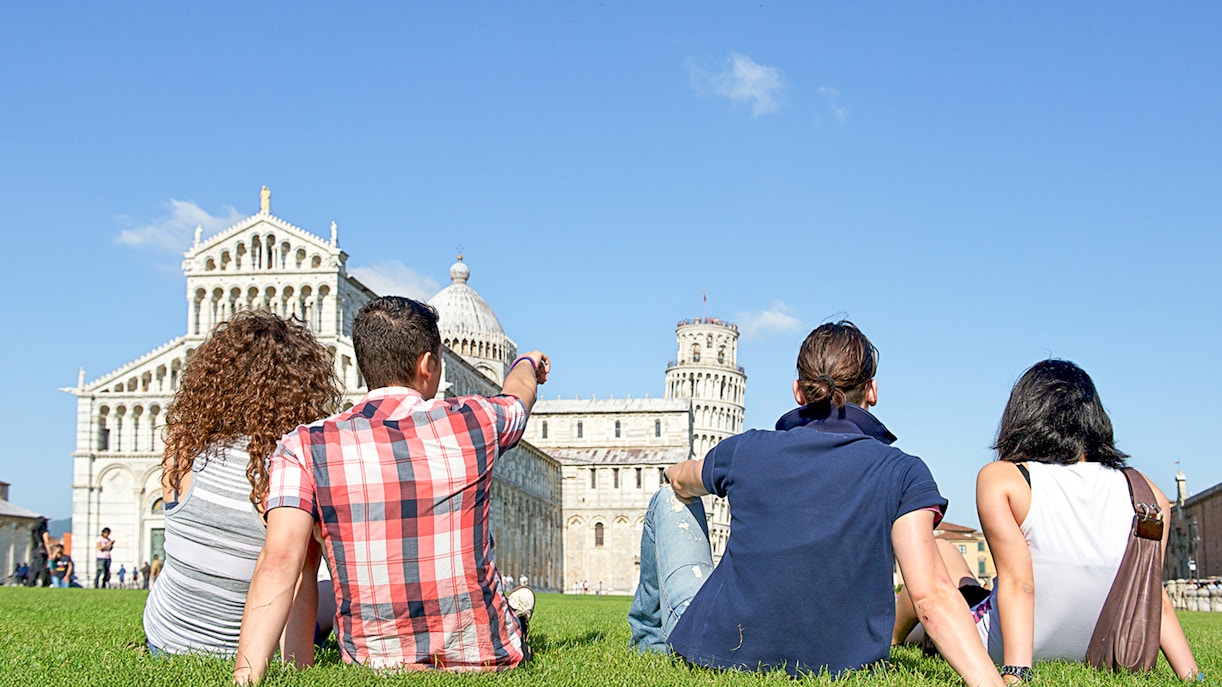
Pisa, just a 90-minute train ride from Rome, is the perfect destination for a day filled with history, art, and architecture. Seamless connections by train or guided tours make it easy to add this iconic city to your Roman adventure.
Things to know before booking a Rome to Pisa day trip
Pisa is approximately 350 kilometers (about 217 miles) from Rome, and the journey takes around 3.5 - 4 hours by road. If your tour includes additional stops like Florence, expect the entire day trip to last about 12-13 hours, with several hours spent on the road for transfers. The journey from Rome to Pisa is approximately 4 hours, and the return from Florence to Rome will take a similar amount of time.
Tours typically depart from central locations in Rome, such as Termini Station or designated hotel pick-up points. Arrive at least 15 minutes early to avoid delays.
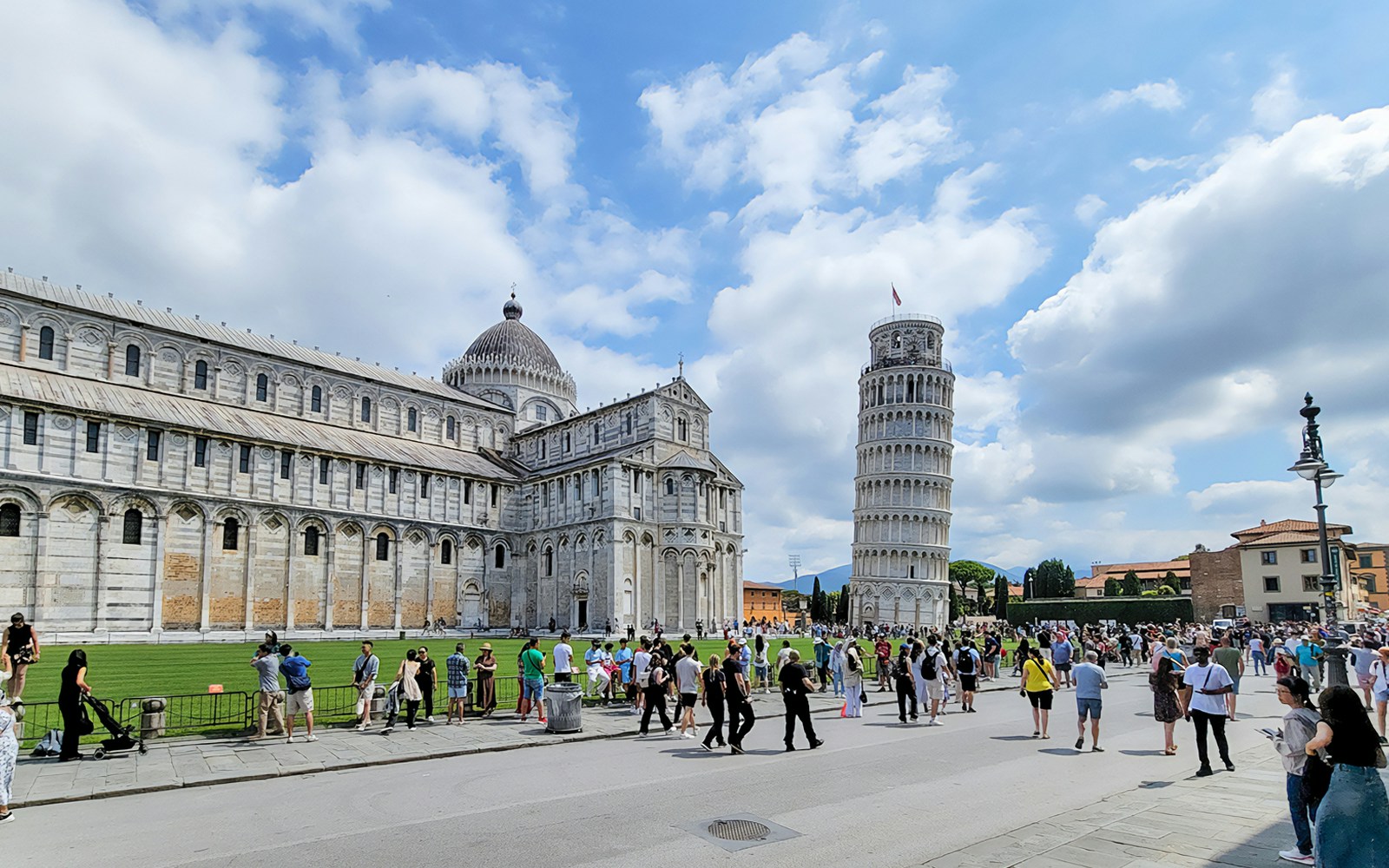
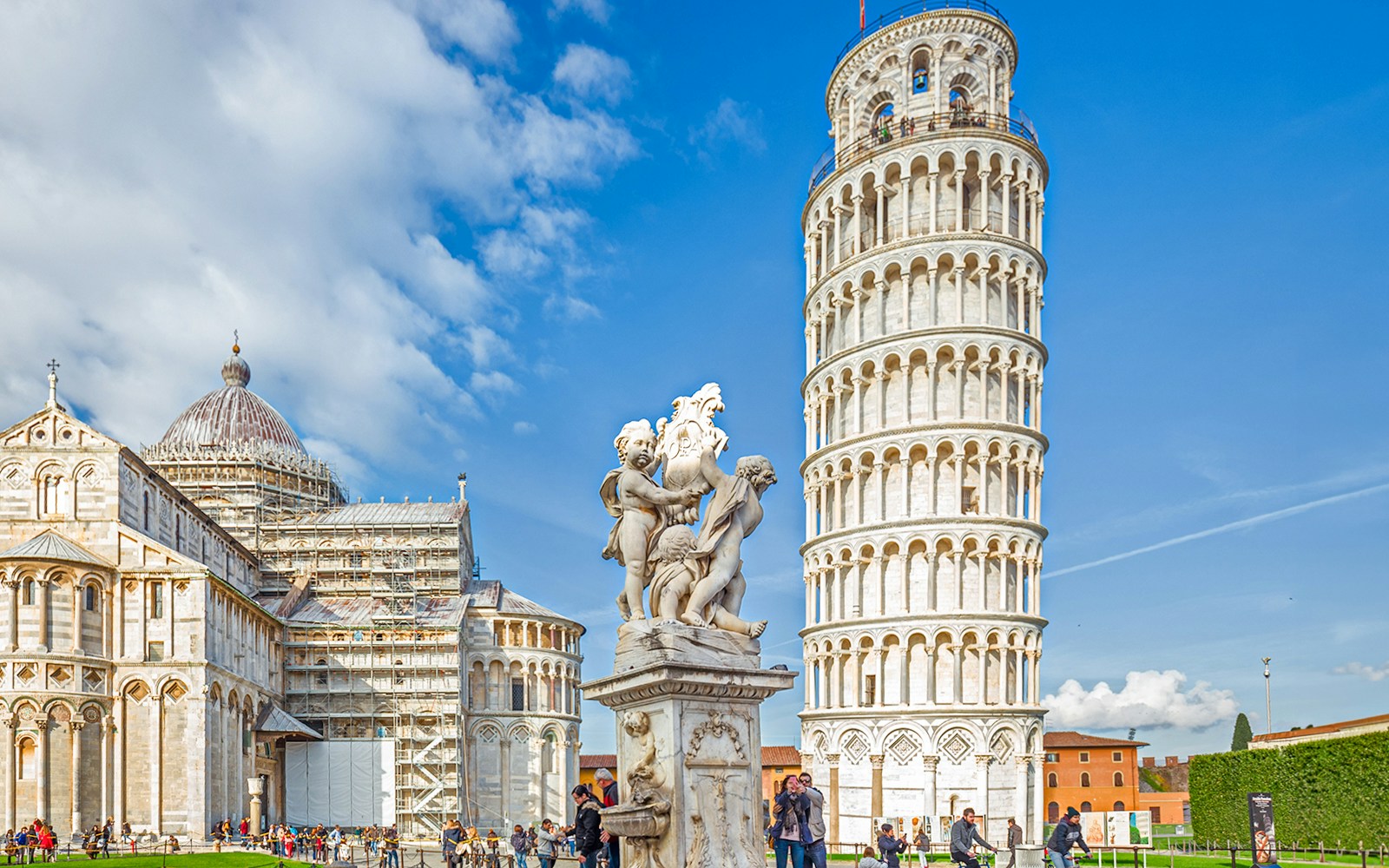
Most day trips include a tour escort who provides live commentary throughout the journey. You’ll get around 90 minutes in Pisa, enough time to explore the iconic Leaning Tower and the Piazza dei Miracoli at your own pace. Guided tours aren’t included, so this trip is perfect for those who enjoy self-paced exploration.
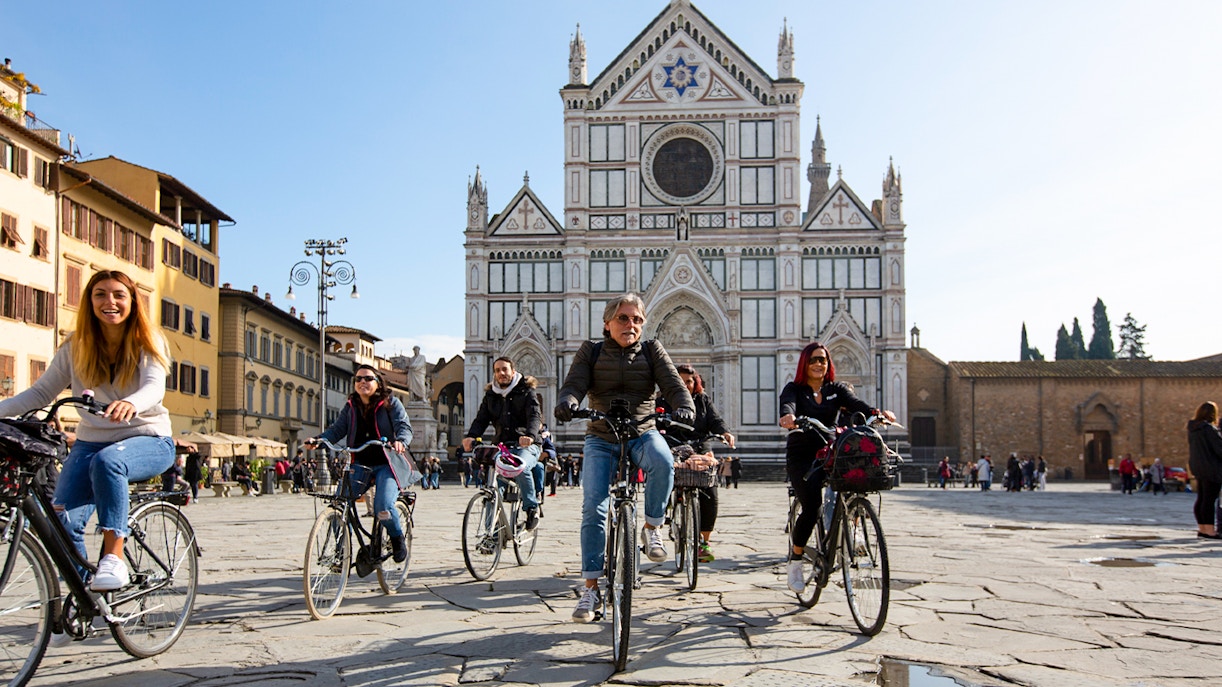
After visiting Pisa, the itinerary usually continues to Florence, the cradle of the Renaissance, where you'll have about 2.5 hours to discover key attractions like the Santa Maria del Fiore Cathedral or shop for souvenirs. Opt for an audio guide to learn about Florence’s rich cultural history as you explore.
Highlights of Rome to Pisa day trip
1/6
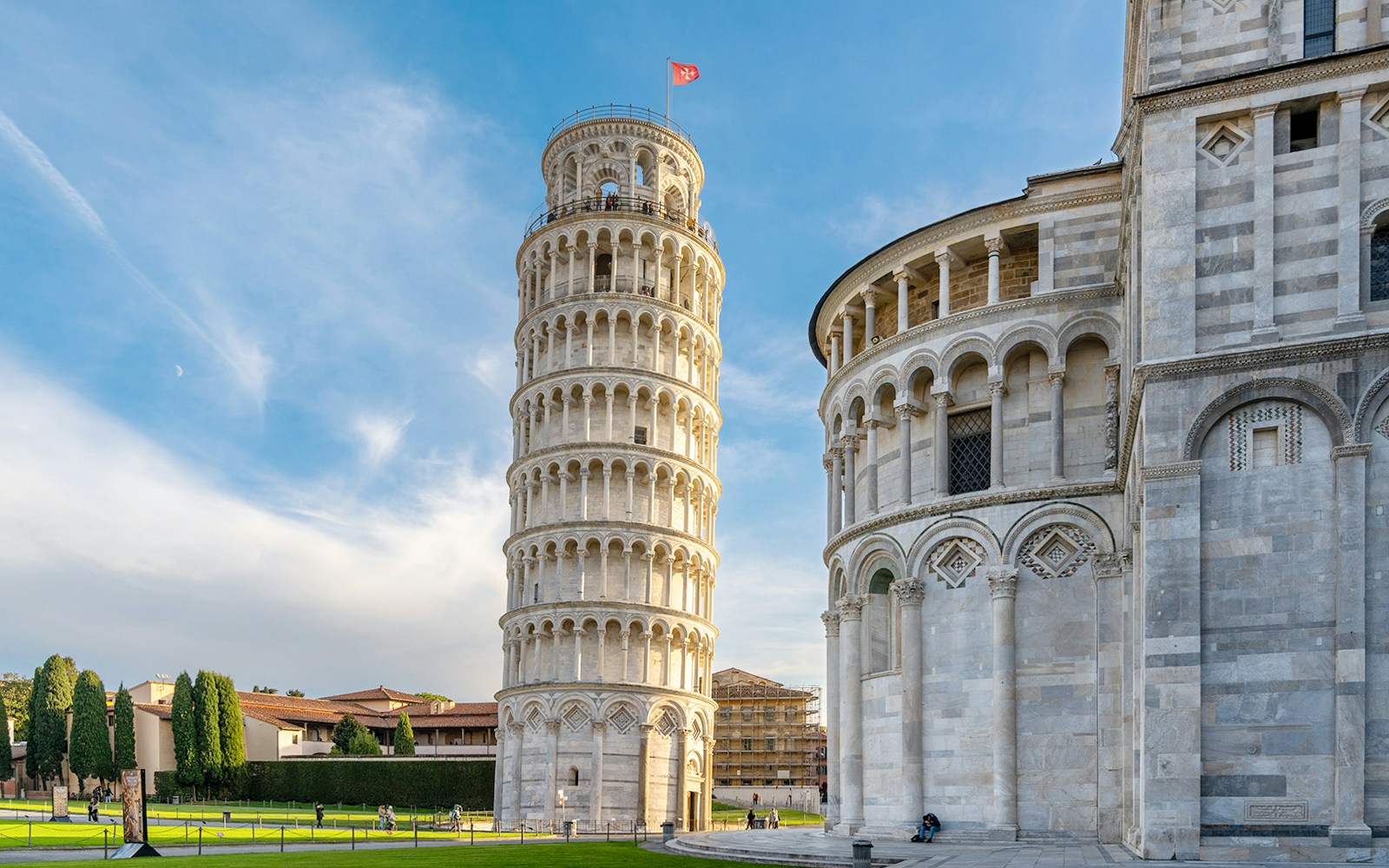
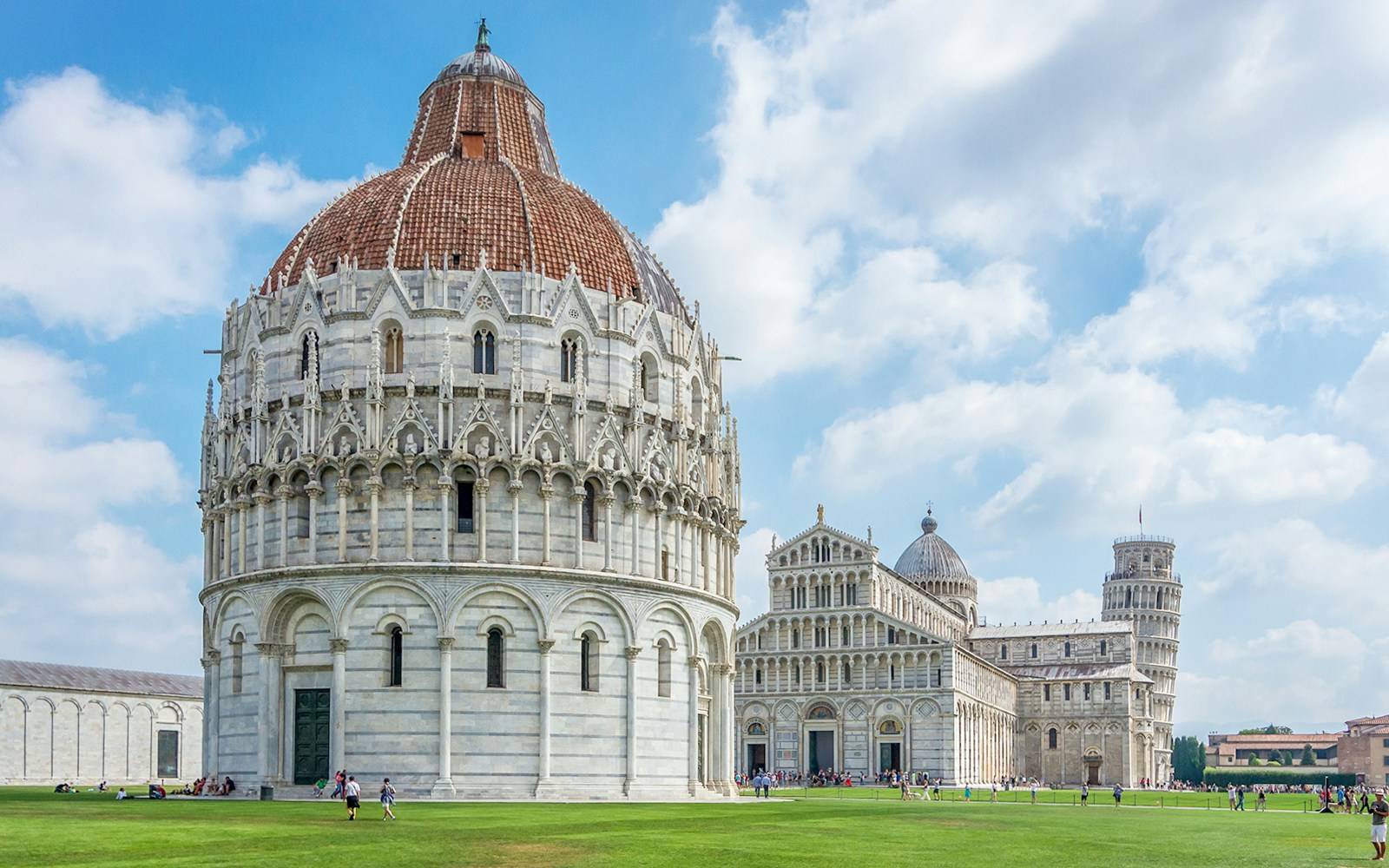
Leaning Tower of Pisa
Must-do experiences, Wonder of the World Climb the famous spiral staircase for panoramic views or wonder at the world’s most famous tilt from the ground.
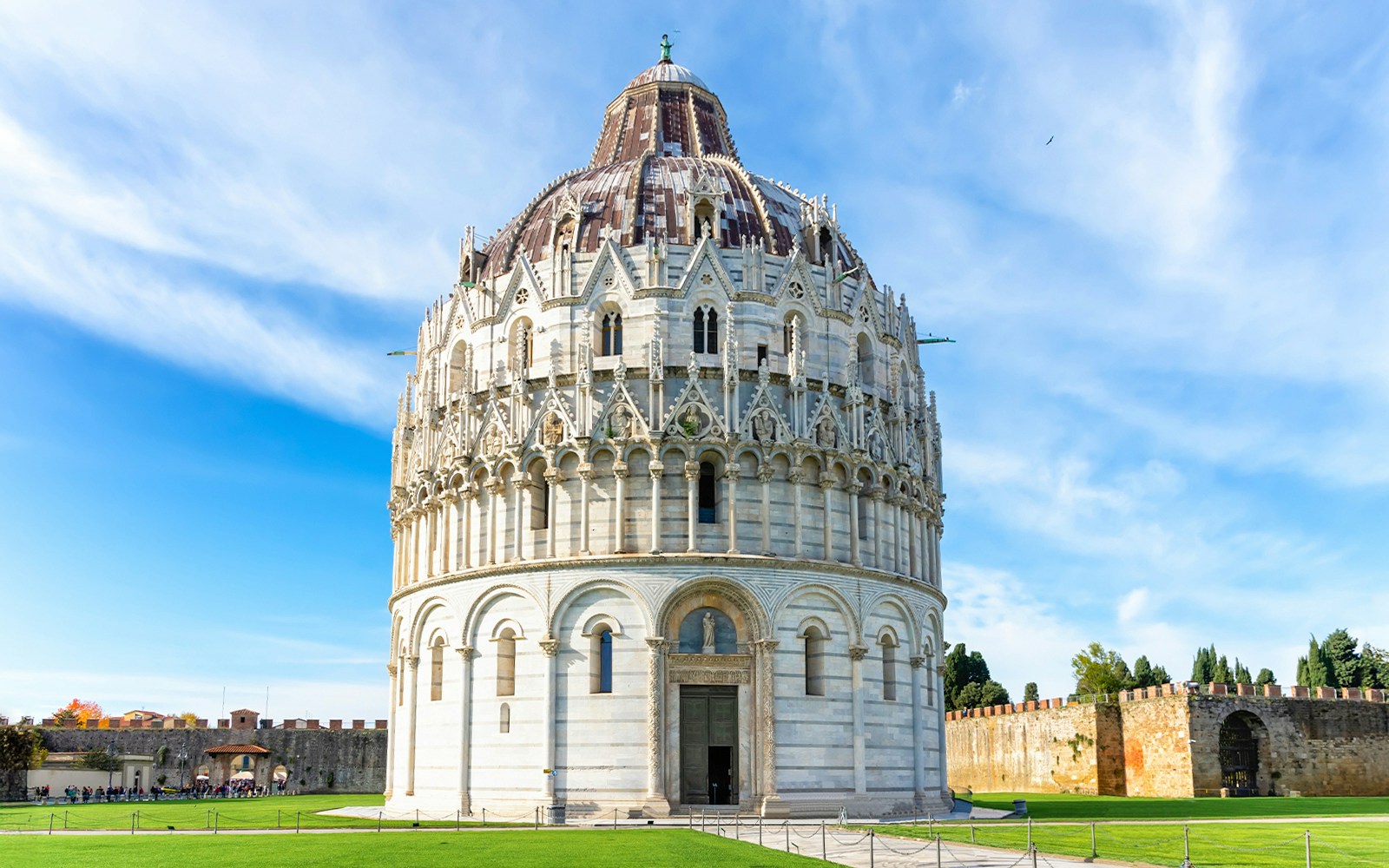
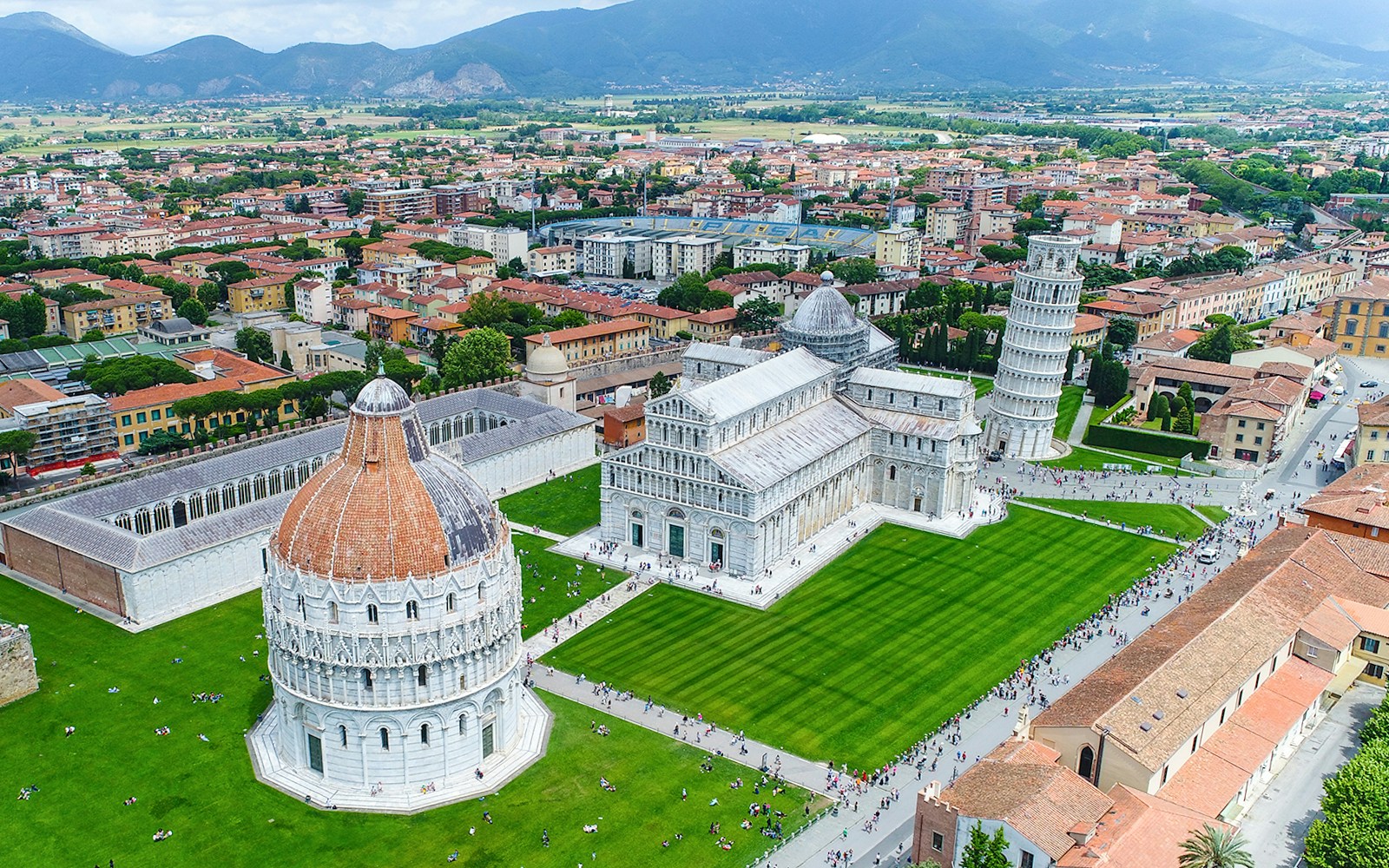
UNESCO World Heritage Site The lovely square houses some of Italy’s most remarkable monuments, including the Baptistery and Camposanto Monumentale.
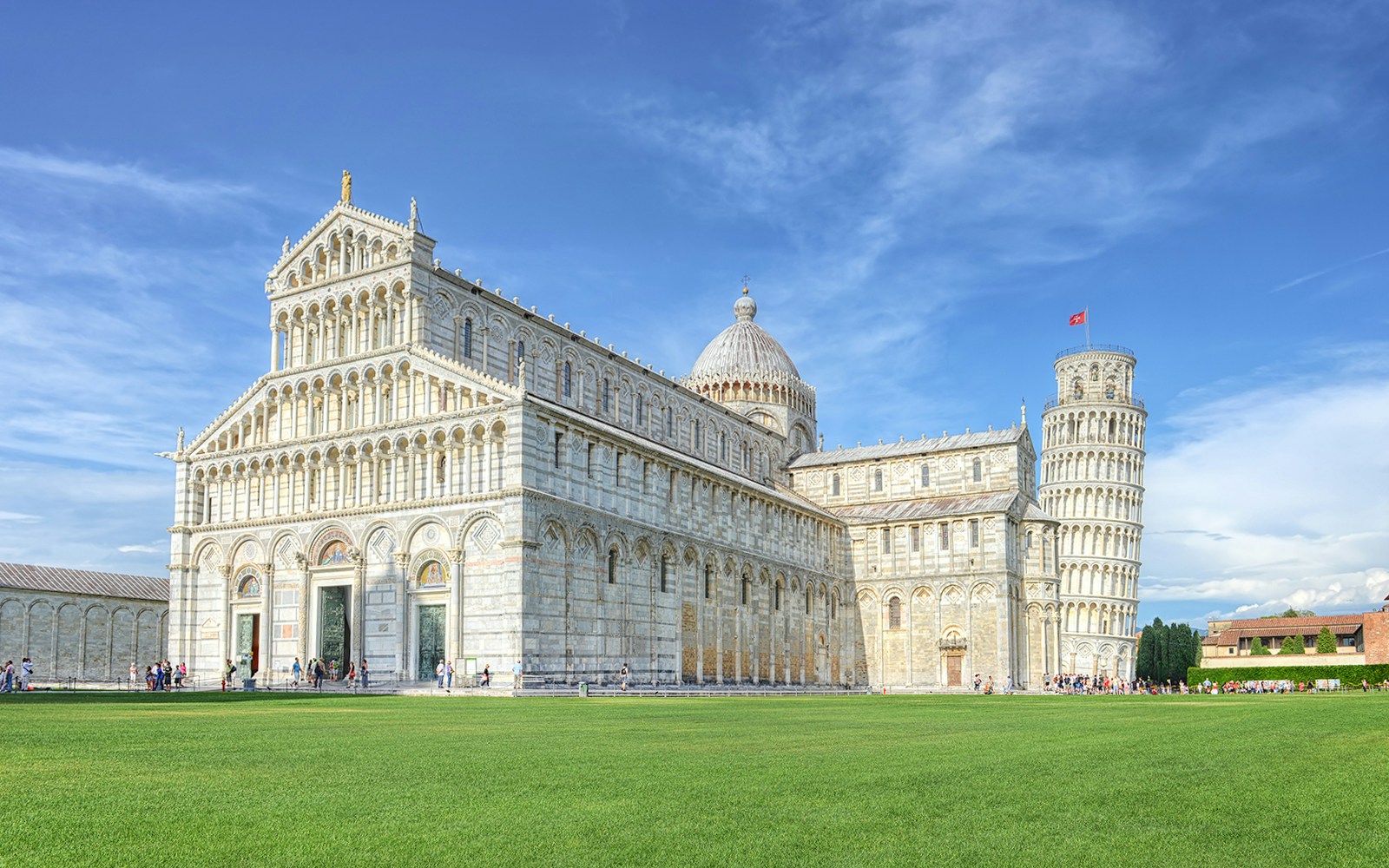
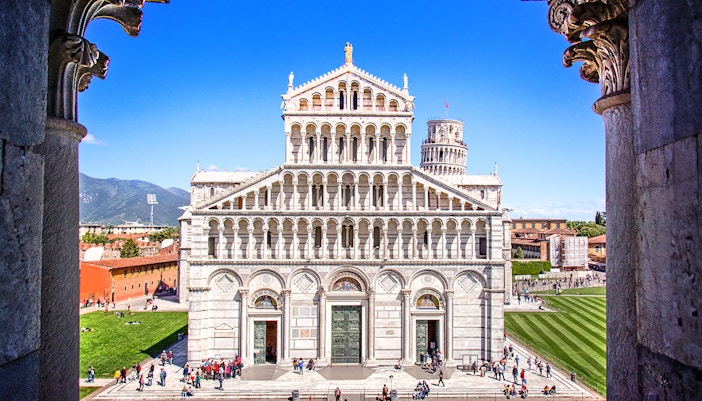
Cathedral of Santa Maria Assunta
Romanesque architecture
This gorgeous medieval cathedral is embellished delicately with ornate carvings and intricate mosaics.
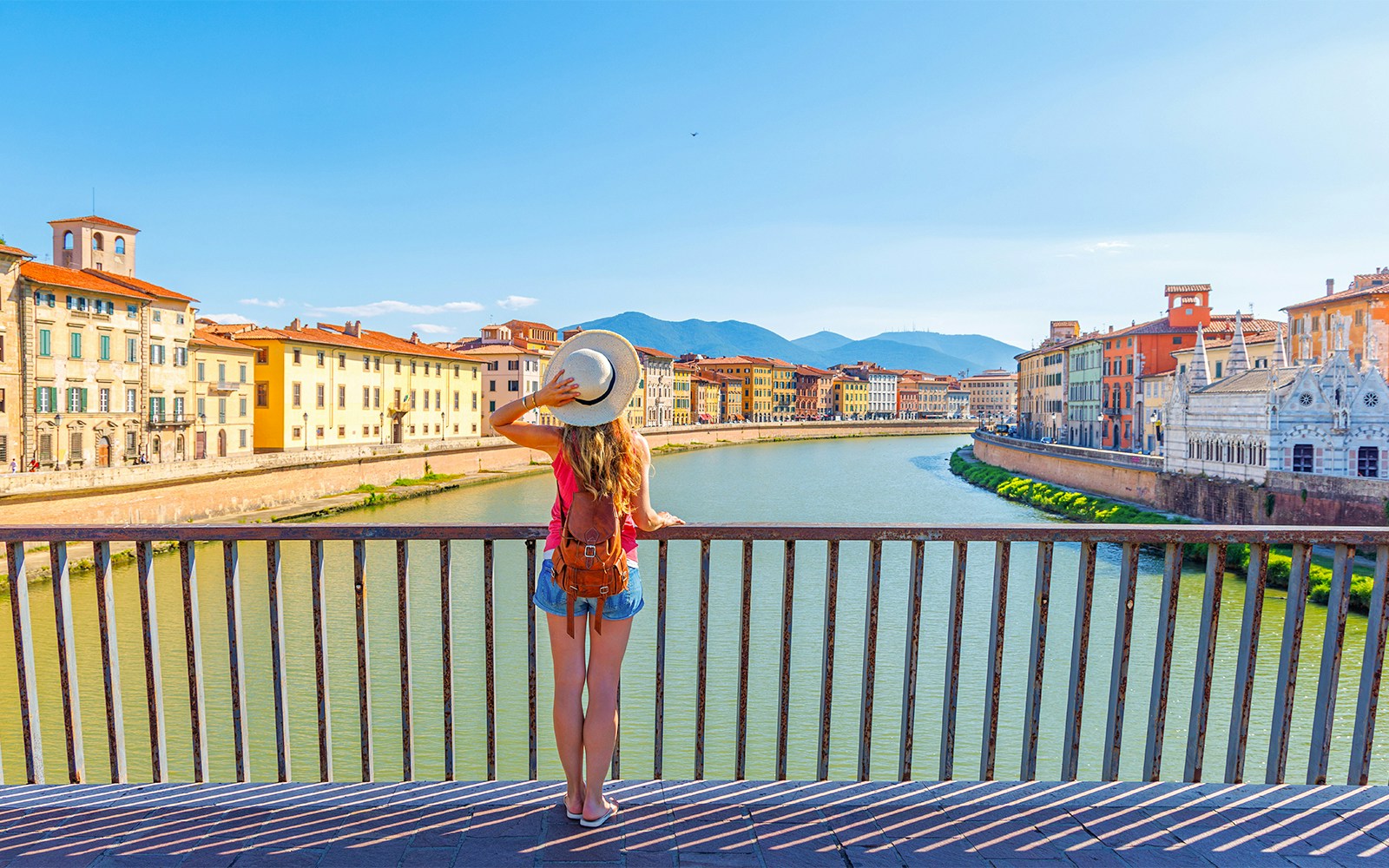
Stroll along the Arno River
Outdoor activities
Enjoy a relaxing riverside stroll with scenic landscapes and charming Pisa vibes at every turn.
Local trattorias and gelaterias
Culinary adventures
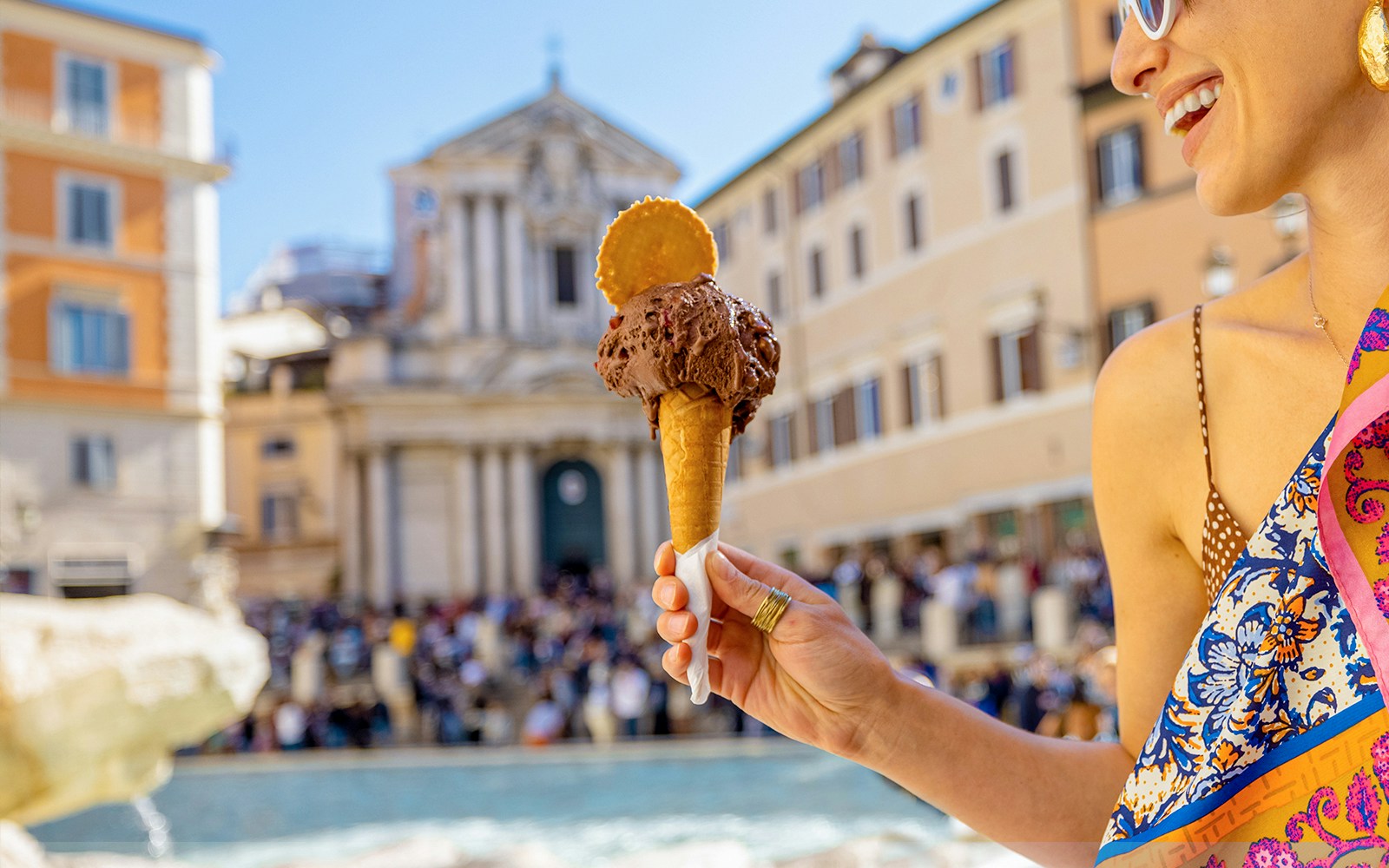
Indulge in authentic Tuscan flavors at quaint eateries like Trattoria Da Bruno and Osteria dei Cavalieri or savor a scoop of artisanal gelato at Gelateria Della Passera while exploring the city.
Keith Haring Mural
Off-beat experience
See the Tuttomondo, a beautiful mural by artist Keith Haring that blends modern art with Pisa's historic charm.
Best ways to reach Pisa from Rome
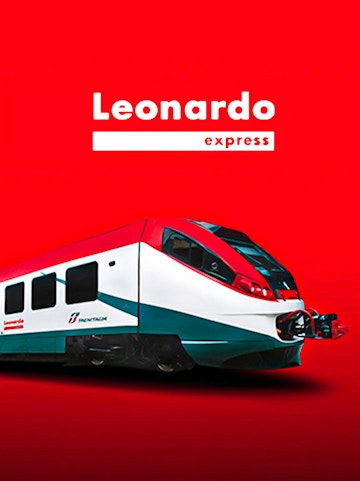
Best for: Quick and comfortable travel Travel time: The fastest trains take approximately 2 hours and 7 minutes, while the average journey time is around 2 hours and 46 minutes. Frequency: About 59 trains per day, with direct services available. Timings: 6am - 12am
Trains depart from Rome Termini, arriving at Pisa Centrale. The journey is scenic and efficient, making it the preferred choice for travelers.
Tickets can start as low as €3.20 if booked in advance. To secure the best prices, it’s advisable to purchase tickets online ahead of time.
Best for: Budget travelers Travel time: Approximately 4 to 5 hours, depending on traffic conditions. Timings:
Buses typically run from 12:10am to 11:50pm.
FlixBus leave around 12:10am, arriving in Pisa at around 5:45am, while other buses may depart throughout the day, such as at 8:30am or 10am.
Frequency: 1 every hour
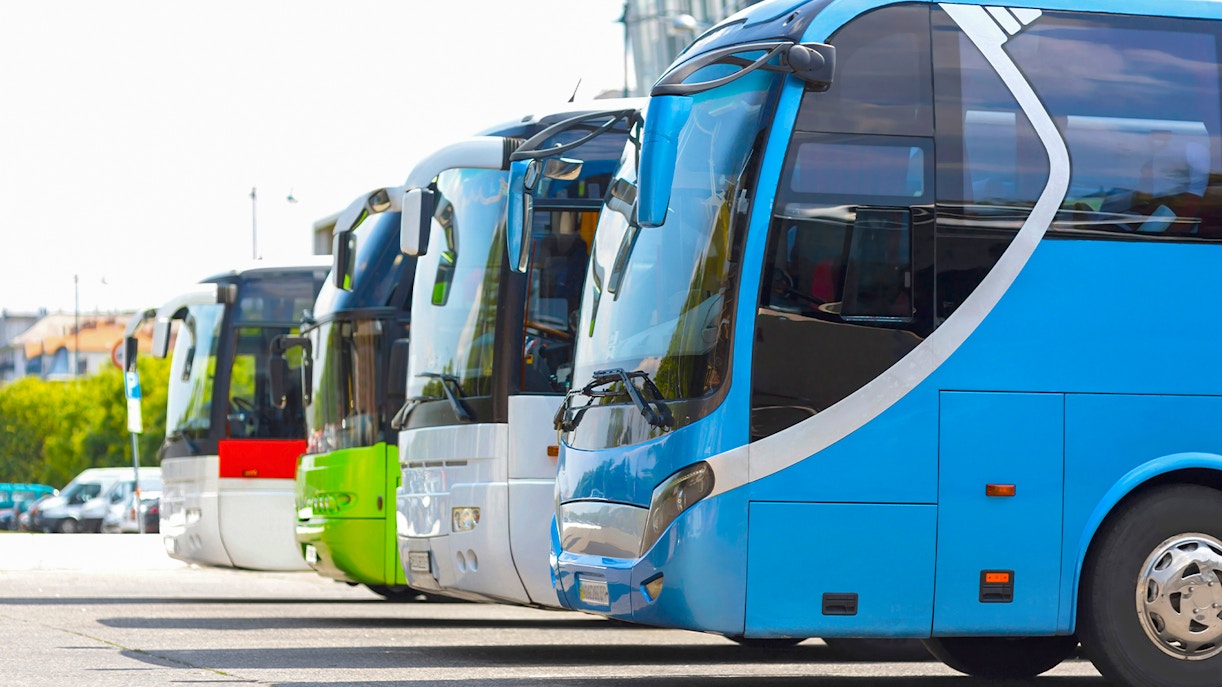
Buses depart from locations like Roma Tiburtina Station, offering a direct route to Pisa. While generally cheaper than trains, they may be subject to delays due to traffic, especially during peak hours.
Tickets can be purchased online or at the bus station, with prices starting around €10.
Best for: Travelers seeking flexibility and the option to explore along the way. Travel time: Approximately 3 hours, depending on traffic conditions.
The drive covers about 265 km (165 miles) via the A12 motorway. Renting a car allows you to stop at interesting towns or attractions along the route, such as Lucca or Viareggio.
Parking in Pisa can be limited, so plan ahead for parking options near your destination.
Best for: Those looking for a comprehensive experience with guided insights.
Many guided tours include round-trip transportation from Rome to Pisa and often combine visits to Florence as well. These tours come with live commentary and skip-the-line access at major attractions.
This option is ideal for travelers who want a structured experience without the hassle of planning logistics.
How to get around in Pisa?
Pisa is a compact city, making it easy to explore on foot. Most major attractions, including the Leaning Tower and Piazza dei Miracoli, are within walking distance of each other.
Best for: Visitors looking to enjoy the city at a leisurely pace and take in local sights.
Tip: Allow yourself about 20 minutes to walk from the train station to the Leaning Tower area.
The public bus system in Pisa is operated by Compagnia Pisana Trasporti (CPT). The LAM (Linee ad Alta Mobilità) bus lines are particularly useful for tourists:
LAM Rossa (Red Line): Connects the airport to the central train station and the Leaning Tower area.
LAM Blu (Blue Line): Runs from the train station to various neighborhoods.
LAM Verde (Green Line): Connects different parts of the city along the Arno River.
Travel time: Approximately 15 minutes from the airport to the city center. Cost: Tickets cost around €1.20 for a 70-minute ride, allowing transfers between buses. Tip: Buses run frequently, with departures every 20 minutes. Tickets can be purchased at vending machines or authorized sales points.
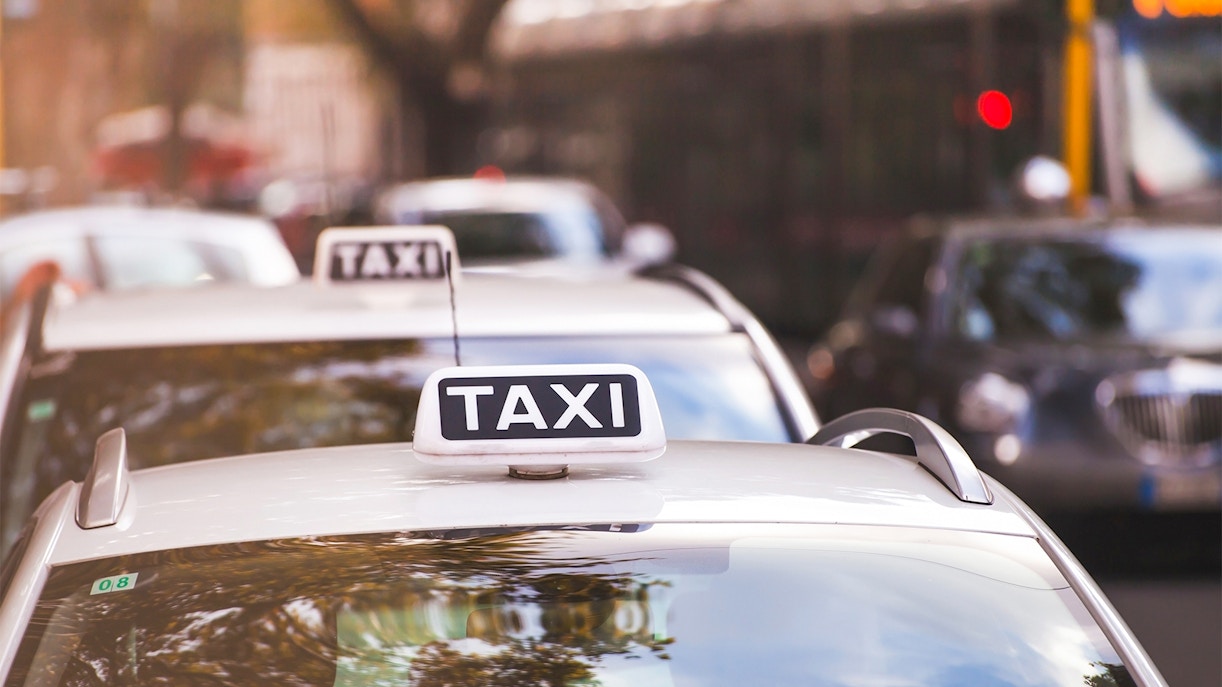
Taxis are available throughout Pisa, providing a convenient option for short distances or when carrying luggage.
Travel time: Typically around 5-10 minutes for short trips within the city. Cost: Fares range from approximately €10 to €15, depending on distance and time of day. Tip: Use taxi apps like Co.Ta.Pi RADIOTAXI for easy booking and fare estimates.
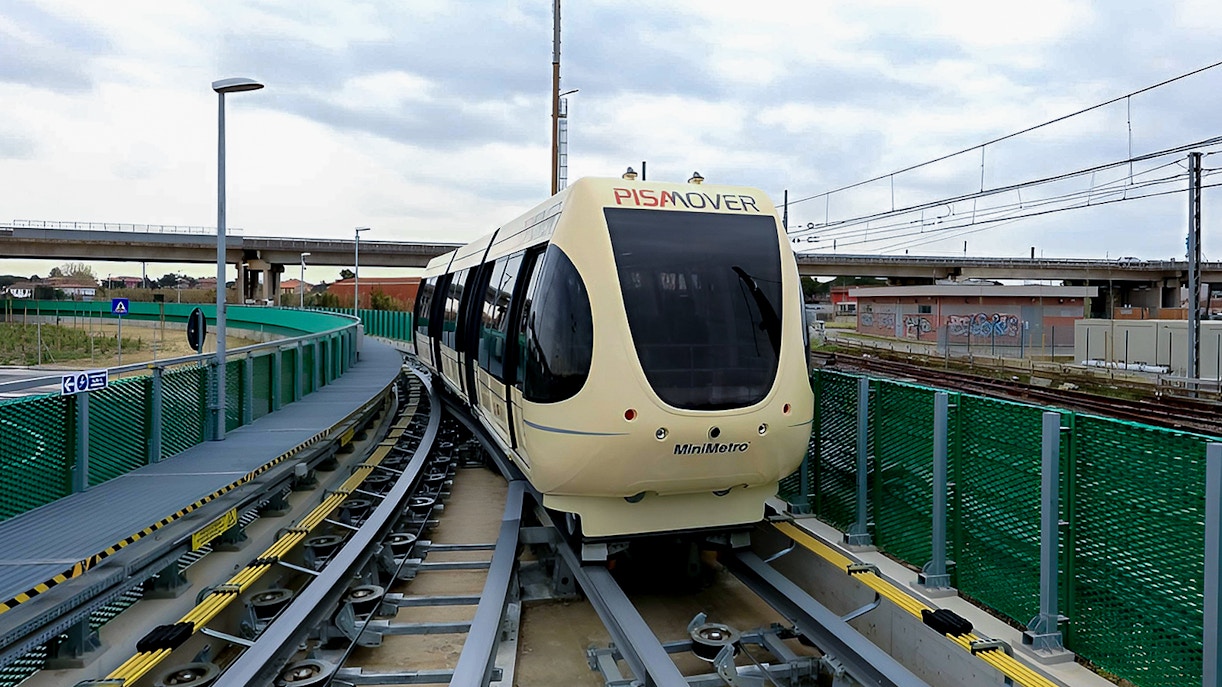
The PisaMover is a shuttle service connecting Pisa Airport to the city center and train station.
Travel time: About 5 minutes from the airport to Pisa Centrale. Cost: Tickets cost around €6.50 one way, making it a quick and efficient option for travelers arriving by air. Tip: This is especially convenient if you have luggage, as it saves you from walking long distances.
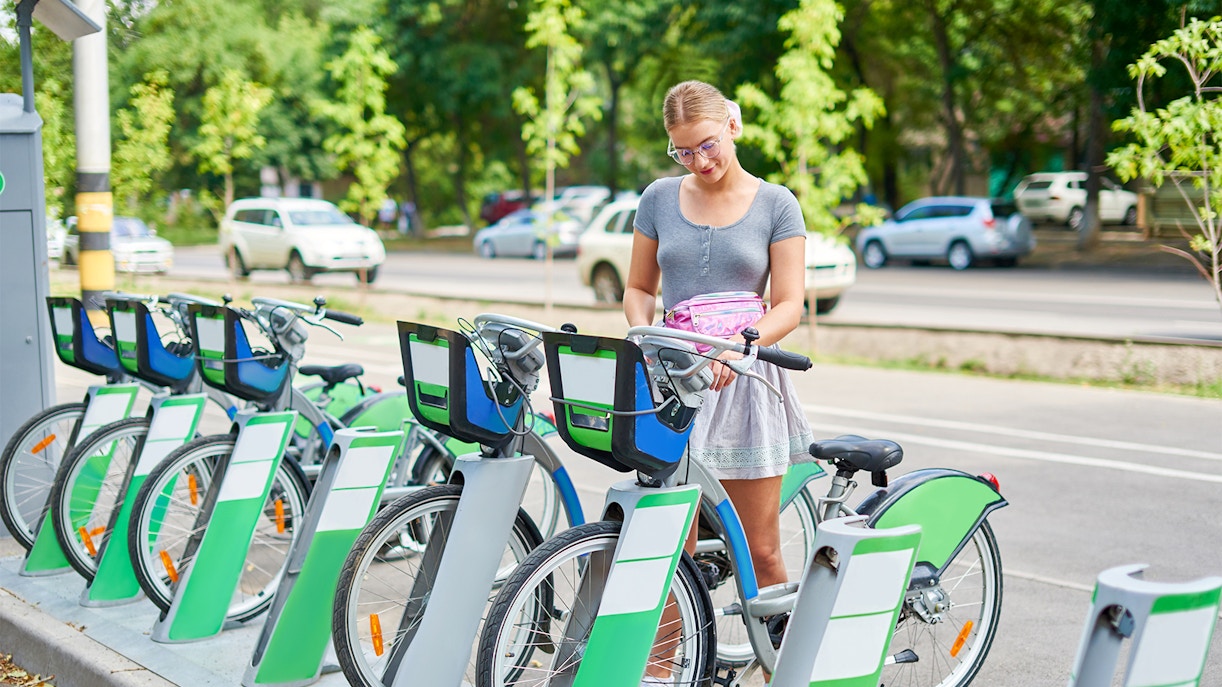
Renting a bike is a fun way to explore Pisa at your own pace. Several rental shops and bike-sharing services are available in the city.
Best for: Active travelers looking to cover more ground while enjoying the scenery. Tip: Some hotels offer complimentary bike rentals for guests, so check with your accommodation.
Best time to take a Rome to Pisa day trip
Peak season vs. Off-season The peak season for a Rome to Pisa day trip is between June and August, when the weather is warm, and the city is buzzing with tourists. While this period offers lively energy and extended daylight hours, it also means larger crowds and higher prices. Off-season, from November to March, provides a quieter and more budget-friendly experience, but some attractions may have reduced hours or be closed for maintenance.
Climate considerations Pisa experiences mild winters and warm summers. Spring (April-May) and early autumn (September-October) are ideal for pleasant weather, with fewer crowds and comfortable temperatures for exploring. If traveling in summer, carry water, sunscreen, and a hat to stay cool, while winter travelers should pack a jacket for the cooler, often damp conditions.
Make the most of your time in Pisa
Bordatino alla Pisana: A hearty dish made from cornmeal, beans, and black cabbage, similar to a thick polenta. It’s a comforting staple of Pisan cuisine.
Pappa al Pomodoro: A rustic tomato and bread soup made with stale Tuscan bread, tomatoes, garlic, basil, and olive oil. It can be enjoyed warm or cold.
Ribollita: A famous Tuscan soup that combines leftover vegetables and stale bread, typically featuring ingredients like kale, beans, and carrots.
Trippa alla Pisana: A traditional tripe dish cooked with onions, tomatoes, and bacon, offering a rich and flavorful experience.
Stoccafisso alla Pisana: A simple seafood dish featuring stockfish cooked with onions, tomatoes, potatoes, basil, and parsley.
Riso al Tartufo alla Pisana (Pisan Truffle Rice): A delightful risotto made with local white truffles, showcasing the region's love for this prized ingredient.
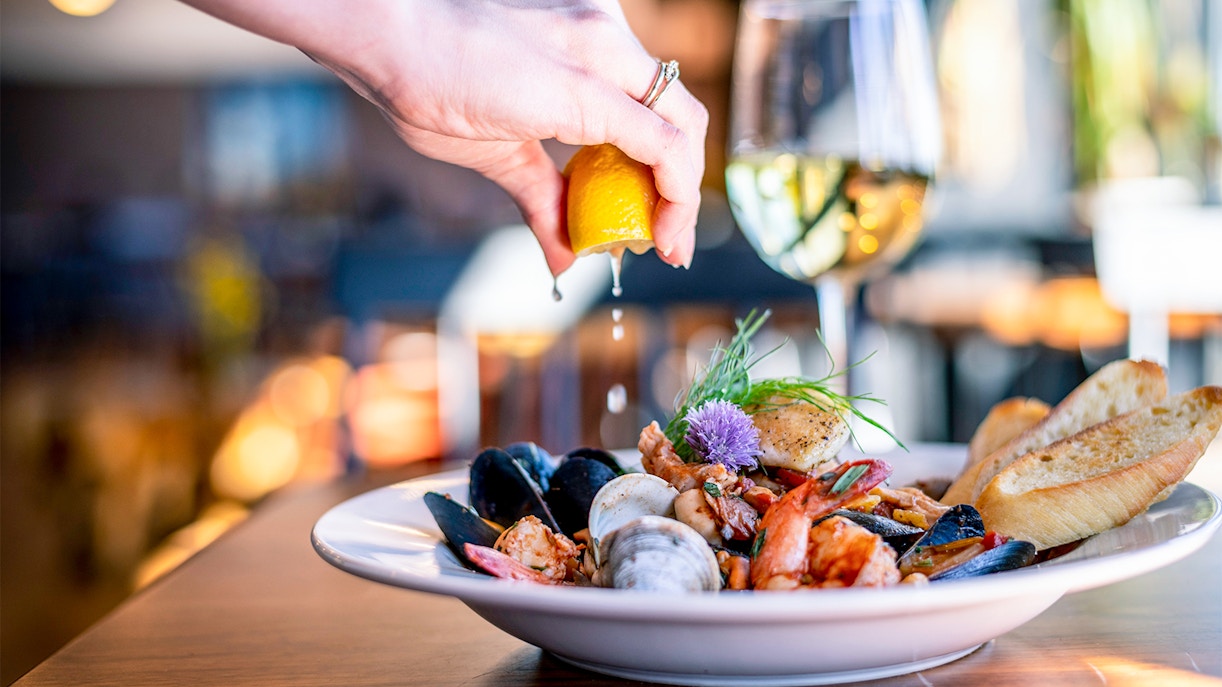
Osteria dei Cavalieri: Cozy spot offering traditional Tuscan seafood and wine pairings. Perfect for romantic dinners. (€30–40, 4.5★)
Ristorante La Buca: Creative Tuscan cuisine with artfully plated dishes in a chic, wine-filled setting. (€20–30, 4.7★)
Osteria I Santi: Stylish venue for regional specialties and house-made pastas, ideal for casual dining. (€20–30, 4.4★)
Il Peperoncino: Simple yet inviting, known for classic Italian pizza and pasta in a warm ambiance. (€20–30, 4.6★)
La Ghiotteria: Snug locale serving house-made pasta and Italian classics, perfect for a relaxed meal. (€10–20, 4.3★)
Here's a quick guide to Pisa's neighborhood:
Santa Maria: *Best for first-timers Stay near the iconic Piazza dei Miracoli and Leaning Tower with pedestrian-friendly streets. *Top picks**: Hotel Alessandro Della Spina (charming and central) and Hotel Villa Kinzica (classic with Leaning Tower views).
San Francesco: *Lively yet local Quieter streets close to main attractions and great nightlife near the university. *Top picks**: B&B Hotel Pisa (budget-friendly) and Hotel Bologna (stylish with easy access to bars).
Sant'Antonio: *Family-friendly and convenient Close to the train station, with a mix of local life and easy tourist access. *Top picks**: Hotel Moderno (warm, family-run) and Five Roses B&B (cozy and elegant).
San Martino: *Historic charm A peaceful retreat with historical landmarks like the Church of San Martino nearby. *Top picks**: Hotel Città di Pisa (modern and comfortable) and Palazzo Cini (boutique and unique).
Borgo Stretto: *For vibrant local vibes Enjoy lively streets with shops, cafes, and easy access to attractions. *Top picks**: Hotel Relais dell'Orologio (luxurious) and B&B La Torre di Pisa (cozy and central).
Catch the first train or bus from Rome to beat the crowds at the Leaning Tower. Double-check your return schedule, especially if you're on a guided tour or bus.
Explore beyond the tower. Allocate at least 1.5 hours for the Cathedral, Baptistery, and Leaning Tower. Visit the Museo dell’Opera del Duomo and Campo Santo for a deeper dive into Pisa's history.
Bring snacks and water, especially if traveling by bus. Sample cecina (chickpea flatbread) or pici (thick spaghetti) for an authentic experience.
Keep an eye on your belongings, especially in crowded stations and tourist hubs.
Choose comfortable shoes for walking on cobblestones. Pack a light jacket or umbrella for unexpected rain.
Look for Tuscan ceramics, leather goods, or olive oil to take home.
Frequently asked questions about a Rome to Pisa day trip
The train ride is approximately 2–2.5 hours, while a bus trip can take 4–5 hours depending on traffic. Choose based on your schedule and preference for speed versus scenic views.
Yes, it’s manageable with early departures and late returns. Opt for a high-speed train or guided day tour to make the most of your time.
Spend time at the Piazza dei Miracoli to see the Cathedral, Baptistery, and Campo Santo. Other nearby highlights include the Museo dell’Opera del Duomo and charming local streets.
Yes, it’s highly recommended to book tickets in advance to secure your spot and save time, as availability can be limited, especially during peak seasons.
A guided tour is ideal if you want a hassle-free experience, including transportation and insights into the city’s history. Independent travelers might prefer flexibility and audio guides.
Yes, you’ll find luggage storage at Pisa Centrale station, which is convenient if you’re traveling with bags.
Pisa enjoys a Mediterranean climate, so summers are warm, and winters are mild. Wear comfortable shoes for walking and carry a light jacket or umbrella for unexpected rain.
Allocate at least 1.5–2 hours to explore the Piazza dei Miracoli and nearby attractions. For a more leisurely visit, plan for 3–4 hours.
The main attractions in Pisa, such as the Cathedral and Baptistery, are accessible to visitors with limited mobility. However, the Leaning Tower has stairs and may not be suitable.
For the classic “holding up the tower” shot, head to the lawn at Piazza dei Miracoli. Visit in the morning or late afternoon to avoid harsh sunlight and crowds.
Yes, restrooms and cafes are available near the Piazza dei Miracoli, but expect queues during peak tourist times.
Rome to Pisa Day TripsCrafted by Headout, a global experiences brand offering curated tours, tickets & experiences. Discover with ease, book with peace.