How to visit Santa Maria Maggiore Basilica

Visiting Santa Maria Maggiore offers a remarkable journey through the heart of Rome’s religious and artistic heritage. From its stunning basilica adorned with golden mosaics to the serene chapels, sacred relics, and hidden treasures, every corner reflects centuries of devotion, craftsmanship, and history. Planning your visit allows you to fully experience the basilica’s architectural beauty, intricate artworks, and tranquil atmosphere, making Santa Maria Maggiore one of the most inspiring cultural and spiritual destinations in the city.

Navigating your way

Free entry

Entry to Santa Maria Maggiore is free, letting you explore the basilica at your own pace. For restricted areas or guided tours, booking in advance can help you skip lines and enjoy a more in-depth visit.

Explore the basilica

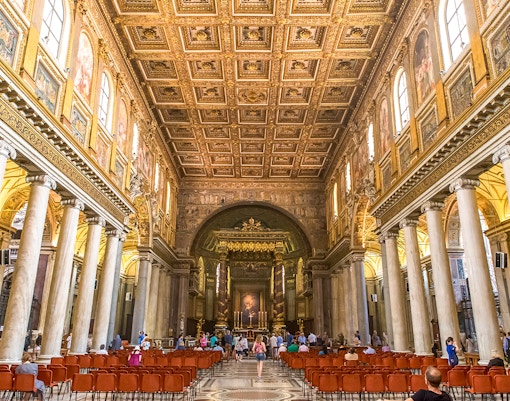
Begin in the grand nave, admiring the soaring columns, golden mosaics, and coffered ceiling. Move through the side chapels, each with its own artwork and history, and pause at the main altar to see the revered Salus Populi Romani icon.
Key highlights

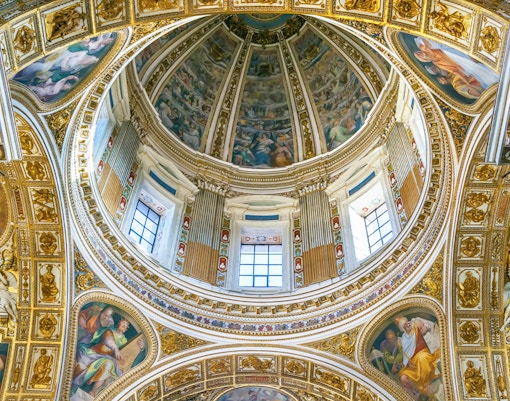
Don’t miss the 5th-century mosaics, the richly decorated Baroque chapels, and the tranquil hidden corners. For a different perspective, step onto the terraces for panoramic views of Rome’s rooftops and streets.
Nearby sights

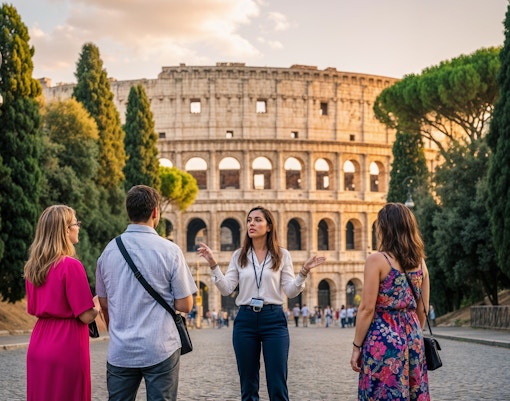
Pair your visit with a walk to Santa Prassede, Piazza Venezia, or the Colosseum to explore Rome’s religious, historical, and cultural heritage more fully.
How to make the most of your time

Visit typeDurationRouteWhat you get

Snapshot visit

30–60 minutes

Main entrance → Nave → Main Altar → Exit

A quick introduction to the basilica’s highlights, including the golden mosaics, soaring columns, and the Salus Populi Romani icon.

Balanced visit

1–2 hours

Main entrance → Nave → Side Chapels → Main Altar → Terraces → Exit

A well-rounded experience exploring the basilica’s mosaics, Baroque chapels, and terraces for panoramic views of Rome.

Full experience

2-3 hours

Main entrance → Nave → Side Chapels → Main Altar → Museum & Treasury → Terraces → Crypt & Underground Areas → Exit

A complete journey through Santa Maria Maggiore, including sacred relics, hidden chapels, historical museum exhibits, and breathtaking city views from the terraces.

Handy tips

  • Plan for free entry, or book special access in advance: General entry to Santa Maria Maggiore is free, but guided tours or access to restricted areas like the museum, treasury, or terraces may require booking ahead to skip lines.
  • Start with the main nave: Begin your visit in the central nave to take in the basilica’s grand mosaics, soaring columns, and coffered ceiling before exploring the side chapels.
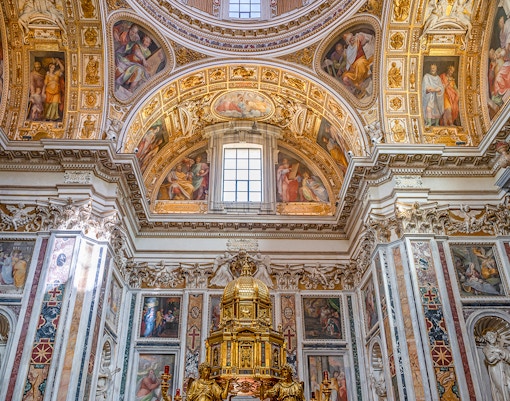
  • Take your time in the chapels: The side chapels, including the Borghese and Pauline Chapels, are filled with intricate artworks and history. A slow, unhurried walk ensures you notice the details often missed on a quick visit.
  • Visit the terraces and rooftop views: For a different perspective of the basilica and Rome itself, step onto the terraces. The panoramic views are best enjoyed midday or late afternoon when light and crowds are optimal.
  • Consider light and crowds: Early morning or late afternoon visits offer a more peaceful atmosphere for photos and reflection.
  • Dress appropriately and comfortably: As a functioning religious site, shoulders and knees must be covered. Comfortable shoes are recommended if you plan to explore terraces or underground areas.
  • Combine with nearby landmarks: After your visit, explore the surrounding streets, Piazza Venezia, or Santa Prassede to enrich your understanding of Rome’s historical and cultural heritage.

Explore Santa Maria Maggiore Basilica

Nave and Main Altar

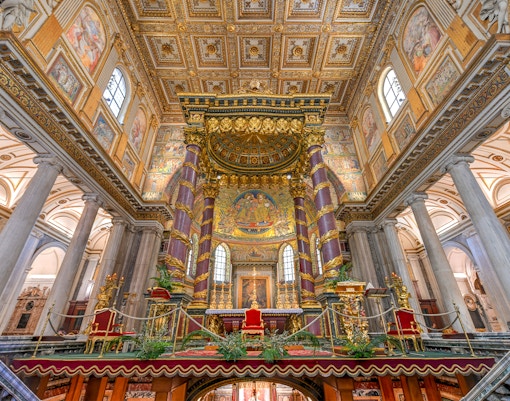
Step into the basilica’s central nave, where soaring columns, golden mosaics, and a richly coffered ceiling set the stage for centuries of religious and artistic history.

What to look out for: intricate ceiling coffers, gilded mosaics depicting biblical scenes, the majestic triumphal arch, and the revered Salus Populi Romani icon.

Side Chapels

Wander through the intimate Secret Garden, a tranquil space designed for contemplation and relaxation, with winding paths, fountains, and statues.

What to look out for: shaded walkways, fountains, sculptures, seasonal flowers, peaceful corners with lake views.

Museum, Treasury, and Crypt

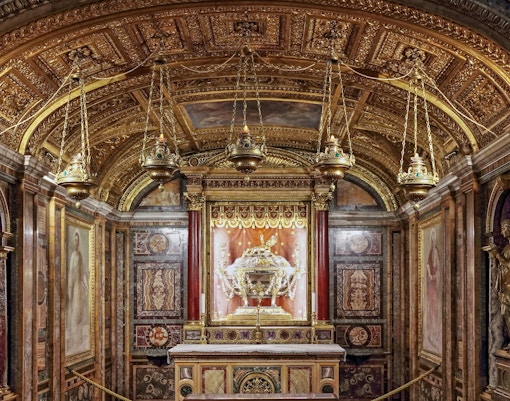
Explore the museum and treasury to see sacred relics, liturgical objects, and historical manuscripts, then continue to the crypt and underground areas to discover the basilica’s early history and foundations.

What to look out for: ancient relics, chalices, religious garments, historical documents, hidden mosaics, and traces of early Christian worship spaces.

Terraces and Rooftop Views

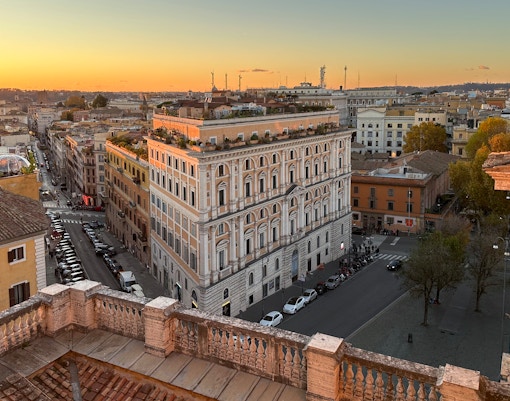
Step onto the basilica terraces to enjoy panoramic views of Rome’s rooftops, piazzas, and nearby landmarks, a perspective that adds depth to your visit.

What to look out for: the city skyline, bell towers, distant monuments, and photographic vantage points.

Before you get there

Timings

👉 Check opening hours before your visit

Directions

👉 Easily accessible by metro, bus, or on foot from central Rome

About

👉 Discover one of Rome’s oldest basilicas, rich in history, mosaics, and Baroque art

Salus Populi Romani

👉 See the revered Marian icon that has drawn pilgrims for centuries

Best time to visit Santa Maria Maggiore

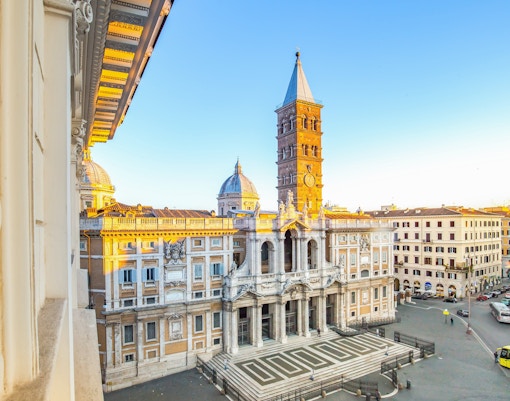
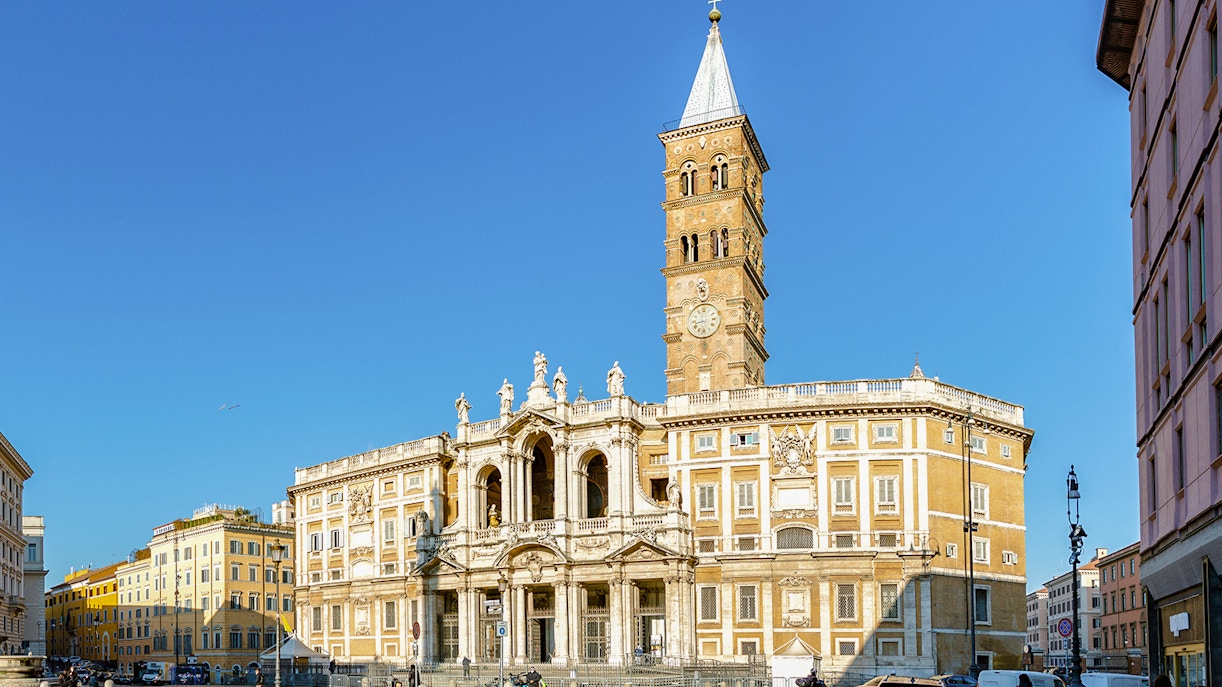
Santa Maria Maggiore Basilica in Rome with its ornate facade and bell tower.

The best time to visit Santa Maria Maggiore is from March to May and September to November. During these months, Rome enjoys mild weather, and the basilica is generally less crowded, allowing for a more relaxed and contemplative experience.

Pro tip: Early morning or late afternoon visits provide softer light for photos and a quieter atmosphere for admiring the mosaics, chapels, and terraces. Keep in mind that some areas, like the museum, treasury, or terraces, may have limited access during certain times, so check availability before planning your visit.

Know more about Santa Maria Maggiore opening hours

Where is Santa Maria Maggiore Basilica located?

Address: Piazza di Santa Maria Maggiore, 42, 00100 Rome, Italy

Santa Maria Maggiore is located in the heart of Rome, near Termini Station and within walking distance of major landmarks like Piazza Venezia and the Colosseum. Easily accessible by metro, bus, or on foot, the basilica is perfect for a half-day or full-day visit. Its central location allows visitors to combine the spiritual and artistic experience of the church with nearby historic streets, piazzas, and cultural attracti

Best ways to reach Santa Maria Maggiore

How to get to Santa Maria Maggiore Basilica

By public transport

By metro: Take Metro Line B and get off at the Cavour or Termini stations. The basilica is a 5–10 minute walk from either station.
By bus: Several buses stop near Piazza di Santa Maria Maggiore, including lines 16, 30, 40, 64, and 85. The church is just a short walk from the stops.

By car

Driving in central Rome can be challenging due to traffic and limited parking. Nearby options include:

  • Parcheggio Piazza Vittorio – approximately 5–7 minutes’ walk to the basilica
  • Parcheggio Esquilino – around 10 minutes’ walk
  • Street parking is available but limited; check signs carefully as some areas are restricted

Know before you go to Santa Maria Maggiore

  • Main entrance: General visitors enter through the central doors at Piazza di Santa Maria Maggiore, giving access to the nave, side chapels, main altar, and terraces.
  • Museum and treasury entrance: Access to the museum, treasury, and special collections is through a separate entrance near the basilica courtyard.
  • Terraces and rooftop areas: Visitors accessing the terraces use a dedicated entrance within the basilica, with a short walk from the main nave.
Wheelchair access sign indicating barrier-free entry.
  • The basilica is equipped with ramps and elevators, providing access to the nave, chapels, museum, treasury, and terraces.
  • Wheelchairs are available for free loan at the main entrance for visitors with mobility needs.
  • Accessible restrooms are located within the basilica and museum areas.
  • Audio guides can be rented at the entrance, including options suitable for visitors with visual impairments.
  • Assistance dogs are welcome inside the basilica and on the terraces.
  • Reserved parking for visitors with disabilities is available nearby, with short walking distance to the basilica entrance.
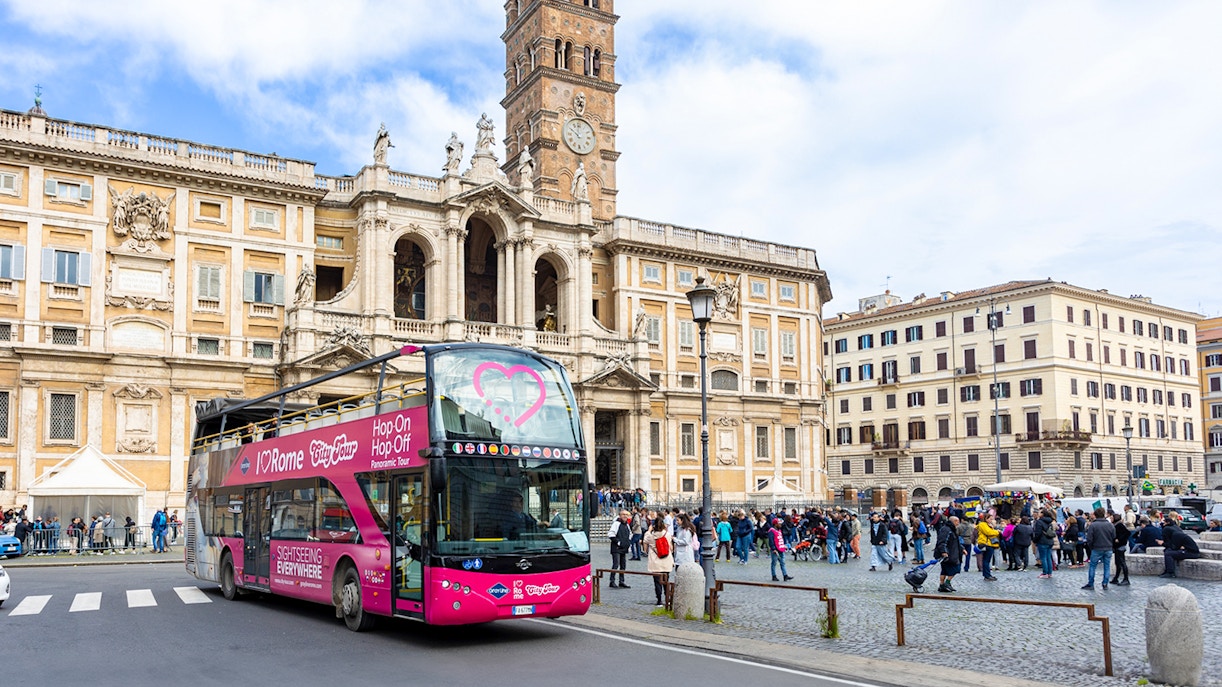
Hop-on hop-off bus in front of Basilica Papale di Santa Maria Maggiore, Rome.
  • Arrive early: Reach the basilica at least 15 minutes before opening to enjoy a quieter visit.
  • Plan your visit: Focus on the nave, side chapels, main altar, museum, treasury, and terraces to make the most of your time.
  • Take your time on the terraces: Enjoy panoramic views of Rome and the surrounding streets.
  • Wear comfortable shoes: Some areas, including terraces and museum floors, may involve walking or stairs.
  • Check seasonal hours: Some sections, like the museum or terraces, may have limited access during off-peak months, plan ahead.

Frequently asked questions about visiting Santa Maria Maggiore Basilica

Is Santa Maria Maggiore worth visiting?

Yes, Santa Maria Maggiore is worth visiting. It offers a stunning combination of religious, historical, and artistic heritage, including the nave, side chapels, main altar, museum, treasury, and terraces with panoramic views of Rome.

How long should I spend at Santa Maria Maggiore?

Plan to spend 1–2 hours for a snapshot visit, or 2–3 hours for a full experience including the museum, treasury, terraces, and crypt.

How can I reach Santa Maria Maggiore from central Rome?

The basilica is located near Termini Station. You can reach it by metro (Line B), bus, or on foot from nearby landmarks.

Is there an entry fee?

General entry to the basilica is free. Tickets may be required for the museum, treasury, and terrace areas. Booking in advance is recommended for restricted areas or guided tours.

Can I visit Santa Maria Maggiore with children?

Yes, the basilica is family-friendly. Children can enjoy exploring the chapels, mosaics, and open terrace spaces while learning about the history and art of the church.

Is Santa Maria Maggiore wheelchair accessible?

Yes, ramps and elevators provide access to the nave, chapels, museum, treasury, and terraces. Wheelchairs are available for loan at the entrance. Some terraces or underground areas may have limited accessibility.

What should I wear when visiting Santa Maria Maggiore?

Dress respectfully for a religious site, as shoulders and knees should be covered. Comfortable shoes are recommended if you plan to explore terraces or the museum.

Can I take photos inside Santa Maria Maggiore?

Yes, photography is allowed, but flash is prohibited to protect the mosaics and artworks.

When is the best time to visit Santa Maria Maggiore?

The best time is from March to May or September to November when Rome’s weather is mild and crowds are smaller. Early morning or late afternoon visits offer a quieter and more contemplative experience.