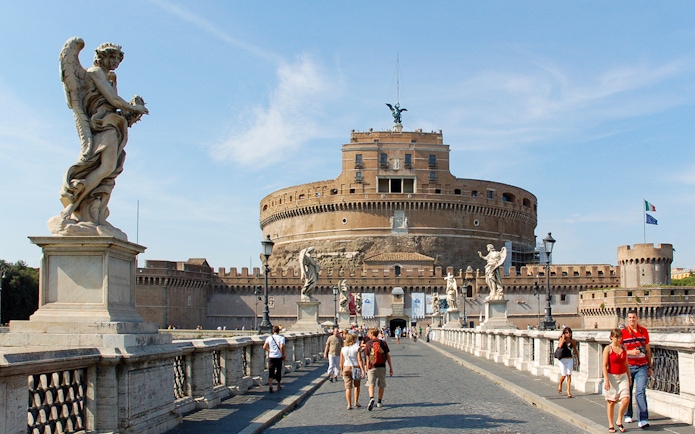
From Palm Sunday to Easter Monday, Rome transforms with religious ceremonies, festive markets, and special menus in trattorias across the city. Locals spend time with family, enjoy long lunches, and attend mass.
Easter Events in Rome: Celebrate with Tradition and Culture
What is Easter like in Rome for the locals?
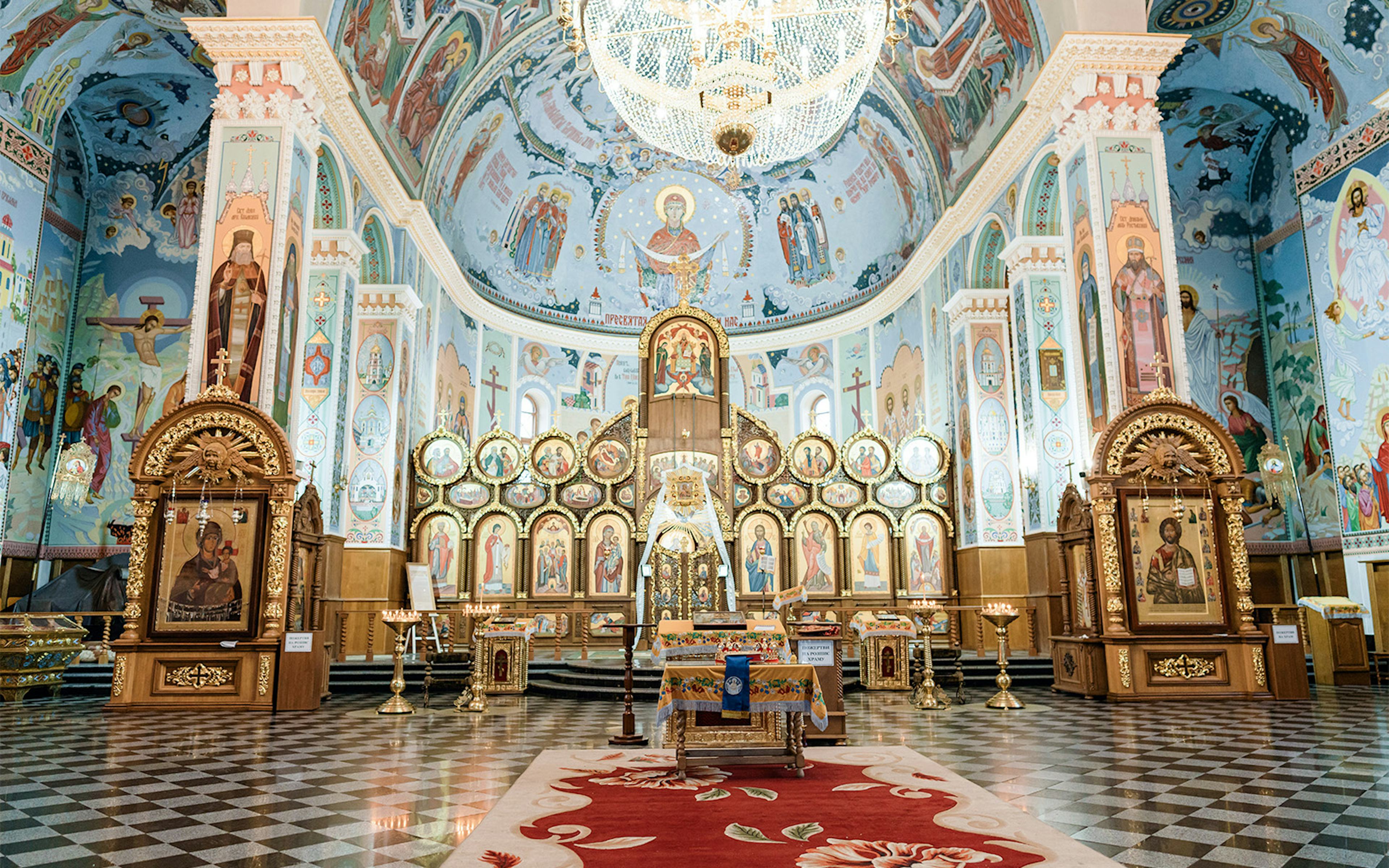
Easter in Rome is a grand, spiritual, and deeply traditional affair, marking one of the most important celebrations in the Catholic calendar. Here’s what makes Easter in the Eternal City truly special:
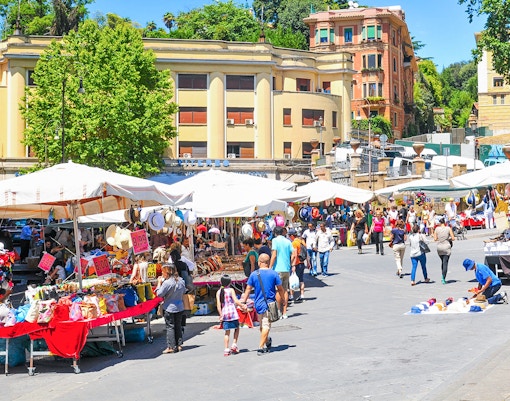
A city in celebration
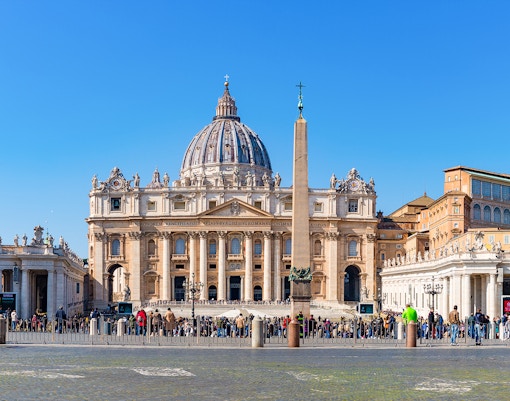
Easter Sunday at St. Peter’s Square
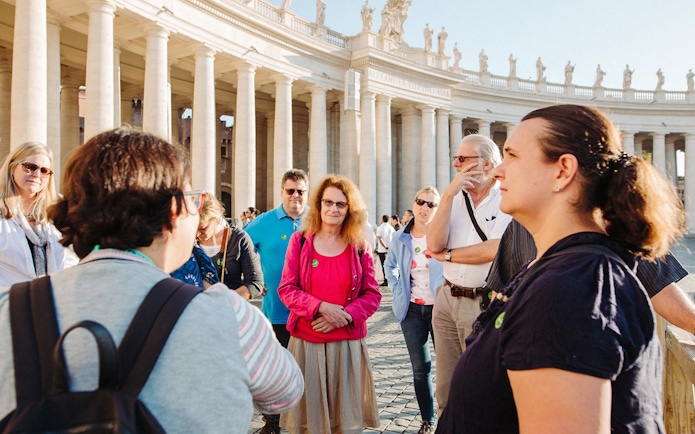
The Pope’s Easter Mass at St. Peter’s Basilica is the most anticipated event, drawing thousands of worshippers. The highlight: The Urbi et Orbi blessing, a message of peace delivered by the Pope.
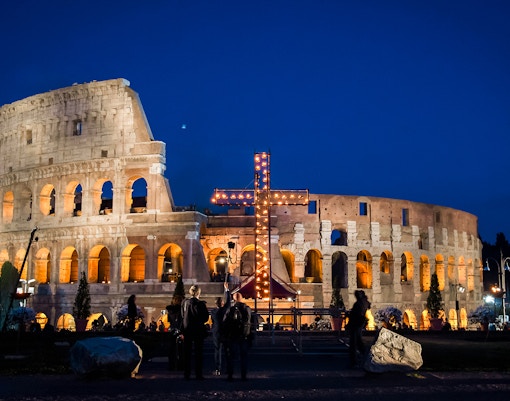
Via Crucis & Holy Week traditions
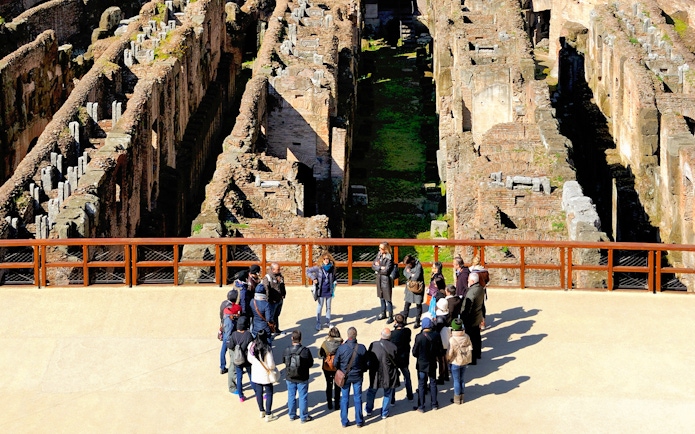
Leading up to Easter, the Via Crucis at the Colosseum and Good Friday processions set a reflective tone. Churches host special liturgies throughout the week.
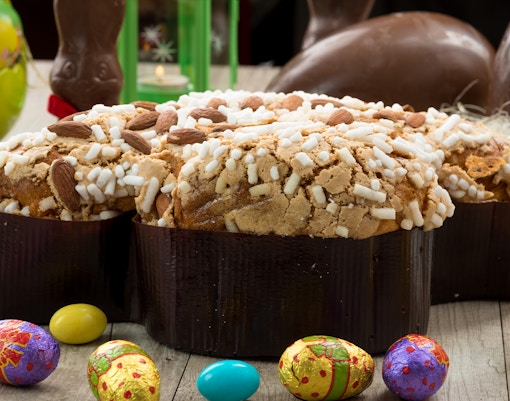
Sweet indulgences & Easter feasts
Bakeries overflow with Colomba di Pasqua, a dove-shaped Easter cake, while restaurants serve agnello (lamb), artichokes, and seasonal treats.
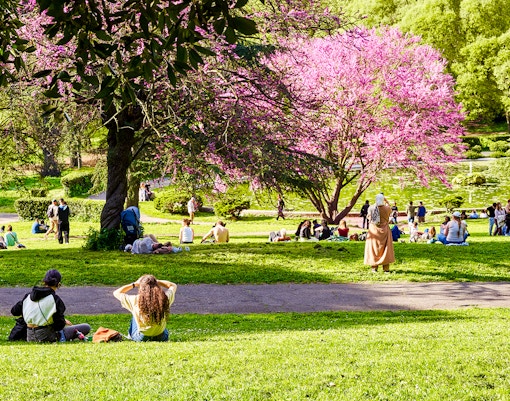
Springtime in Rome
Easter coincides with Rome in full bloom, making it the perfect time to explore its historic streets, gardens, and outdoor cafés.
Easter traditions in Rome: Faith, feasts, and festivities

Easter in Rome is a blend of deep-rooted religious traditions and joyful celebrations, making it one of the most exciting times to visit. The most unique and unmissable tradition is the Pope’s Easter Mass at St. Peter’s Basilica, where thousands of worshippers gather in St. Peter’s Square to witness the Urbi et Orbi blessing, a message of peace delivered to the world. Leading up to Easter Sunday, the Via Crucis (Way of the Cross) at the Colosseum, led by the Pope, is a deeply moving experience, illuminating Rome’s ancient landmarks with candlelight. Another local tradition is the Easter Vigil at St. Peter’s Basilica on Holy Saturday, a dramatic ceremony where the church begins in darkness before being illuminated by candlelight, symbolizing Christ’s resurrection.
Beyond religious observances, Easter in Rome is also about food and family. Romans celebrate with lavish feasts, featuring Abbacchio alla Romana (roast lamb with rosemary and garlic) and the Colomba di Pasqua, a sweet dove-shaped cake that symbolizes peace. Easter Monday, or Pasquetta, is a day for fun, with locals heading to the countryside or city parks for picnics, games, and laughter.
Do’s and don’ts for Easter in Rome
Do:
- Arrive early for Papal events: Expect large crowds and tight security, whether it’s the Easter Mass or Via Crucis.
- Try traditional Easter foods, especially in local trattorias where you’ll find special seasonal menus.
- Dress appropriately for religious services: Shoulders and knees should be covered if visiting churches.
- Plan your itinerary in advance: Easter Sunday and Monday are public holidays, so some attractions may be closed or have limited hours.
Don’t:
- Don’t expect everything to be open: Major shops and attractions may close, so check schedules beforehand.
- Avoid noisy behavior during religious ceremonies: These are solemn and deeply spiritual events.
- Don’t rely on public transport too much: Services may be limited, so walking or taxis might be better options.
- Don’t forget to book restaurants in advance: Romans love to celebrate Easter with family feasts, so reservations fill up quickly.
What’s open in Rome during Easter?
Visiting Rome during Easter is a delightful experience, as many of the city's iconic attractions remain open, allowing you to immerse yourself in its rich history and culture. Here's a list of must-visit sites and their operating hours during Easter Week:
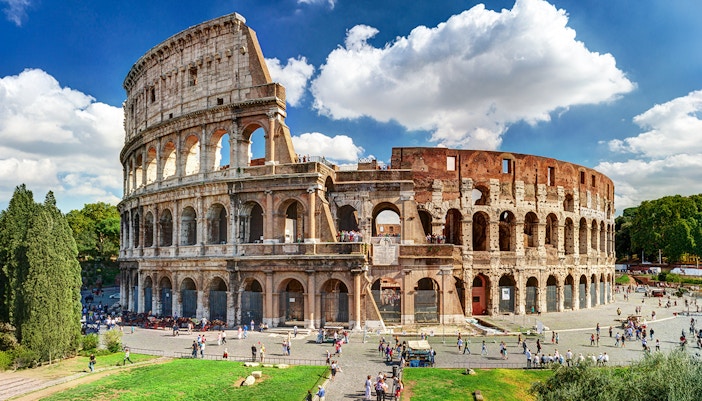
Colosseum, Roman Forum, and Palatine Hill
Opening hours: 8:30am to 7:15pm
- Good Friday: The Colosseum typically closes around noon to prepare for the Via Crucis procession led by the Pope.
- Easter Sunday and Monday: Open with standard operating hours.
- Other days: Open with standard hours.
Highlights:
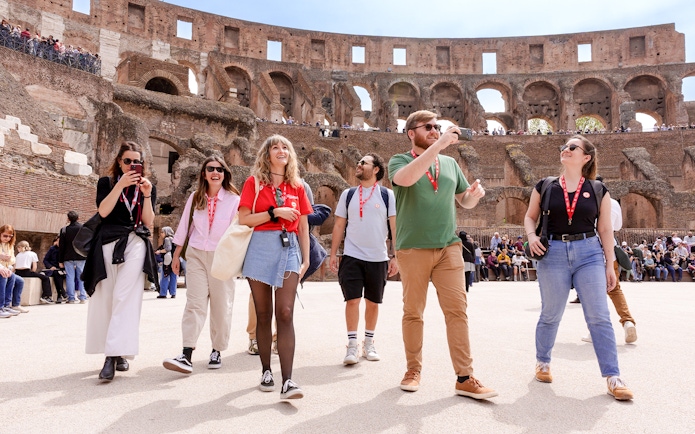
Explore the ancient heart of Rome by visiting these archaeological wonders. While the Colosseum hosts significant events on Good Friday, it remains accessible to tourists earlier in the day and throughout the Easter weekend. The Roman Forum and Palatine Hill also welcome visitors, offering a glimpse into Rome's imperial past.
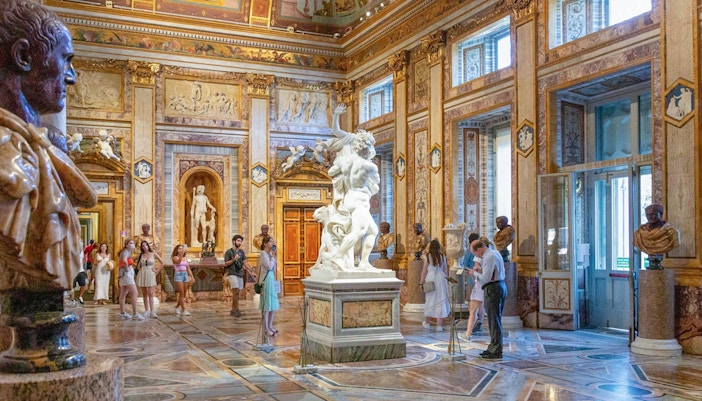
Galleria Borghese
Opening hours: Tuesday to Sunday 9am to 7pm
- Easter week: Open during regular hours.
Highlights:
Home to masterpieces by Bernini, Caravaggio, and Raphael, the Galleria Borghese is a treasure trove for art enthusiasts. Given its limited entry slots, it's advisable to book tickets in advance, especially during the busy Easter period.
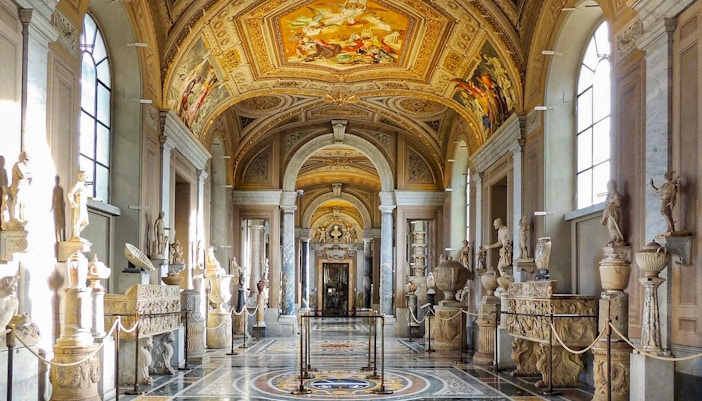
Vatican Museums and Sistine Chapel
Opening Hours: From Monday to Thursday 9am to 6pm, Friday 9am to 10:30pm, Saturday 9am to 8pm, Last Sunday of the month 9am to 2pm.
- Easter Sunday and Monday: Closed
- Other days: Open with standard hours.
Highlights:
While the Vatican Museums and Sistine Chapel are closed on Easter Sunday and Monday, they operate as usual on the days leading up to Easter. Visitors can marvel at the extensive art collections and the breathtaking ceiling of the Sistine Chapel. To avoid long queues, especially during the Jubilee year, consider booking tickets online in advance.
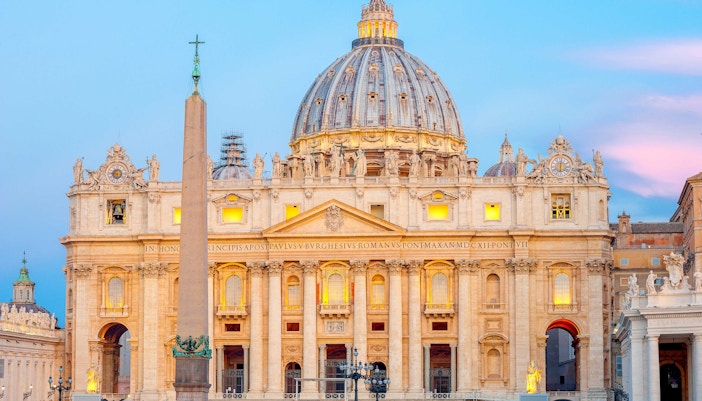
St. Peter's Basilica
Opening Hours: 7am to 7:10pm
- Easter Sunday: Closed to the public during the Papal Mass.
- Other days: Open with standard hours.
Highlights:
St. Peter's Basilica stands as a testament to Renaissance architecture and art. While access is restricted during the Papal Mass on Easter Sunday, visitors can explore the basilica on other days. The Holy Door, opened during the Jubilee year, offers pilgrims a unique spiritual experience.
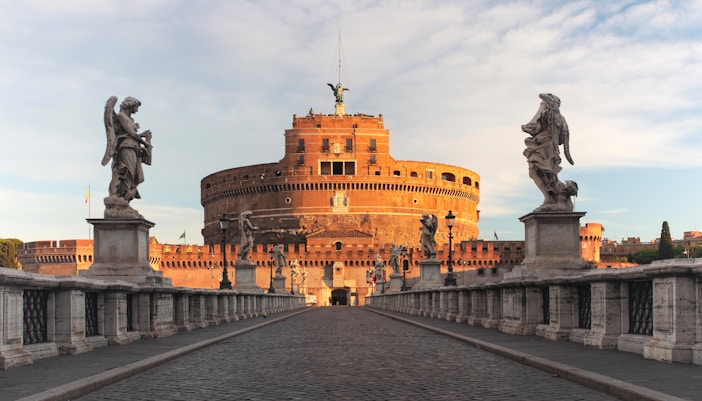
Castel Sant'Angelo
Opening hours: Tuesday to Sunday 9am to 7:30pm
- Easter week: Open during regular hours.
Highlights:
Originally built as a mausoleum for Emperor Hadrian, Castel Sant'Angelo has served various roles over the centuries. Today, it offers panoramic views of Rome and houses historical exhibits, making it a worthwhile visit during Easter.
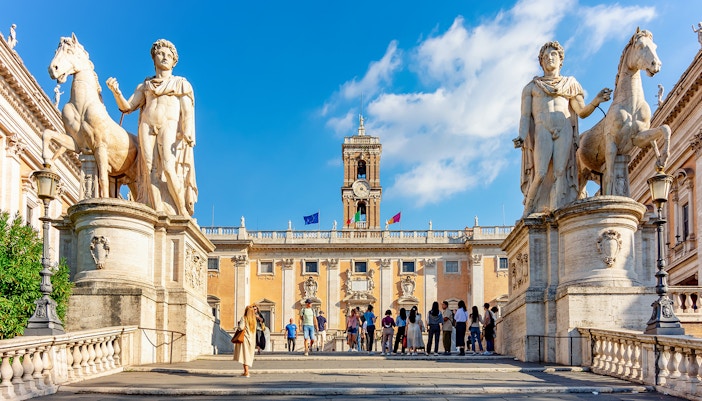
Capitoline Museums
Opening hours: 9:30 am to 7:30 pm
- Easter week: Open with standard operating hours.
Highlights:
As the world's oldest public museums, the Capitoline Museums boast an impressive collection of art and artifacts. Visitors can delve into Rome's rich history, from ancient sculptures to Renaissance paintings.
Weather in Rome during Easter week

Easter week in Rome typically falls in early to mid-April, a delightful period when the city embraces spring. During this time, average daytime temperatures range from 17°C to 21°C (62°F to 70°F), providing pleasant warmth for outdoor explorations. Evenings and early mornings can be cooler, with lows between 8°C and 12°C (46°F to 54°F).
While Rome enjoys ample sunshine in April, there's still a chance of rainfall. On average, the city receives about 65mm of rain over approximately 13 days in the month. Therefore, it's wise to pack a light rain jacket or umbrella alongside your spring attire.
With the city's gardens in full bloom and comfortable temperatures, Easter week offers an inviting atmosphere for both indoor and outdoor activities.
Must-try Easter dishes in Rome
Easter in Rome is not only a time of profound religious significance but also a celebration of culinary traditions that have been cherished for generations. As you immerse yourself in the city's festive atmosphere, here are some must-try Easter dishes that capture the essence of Roman gastronomy:
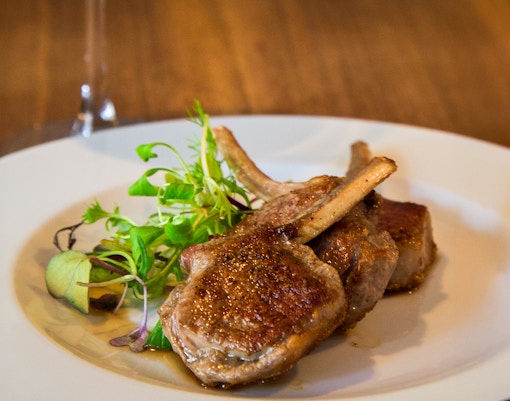
Abbacchio alla Romana (Roman-Style Lamb)
Lamb takes center stage during Easter in Rome, symbolizing rebirth and renewal. Abbacchio alla Romana is a classic dish where tender lamb is marinated with garlic, rosemary, and white wine, then roasted to perfection. The result is succulent meat with rich flavors, embodying the heart of Roman culinary tradition.
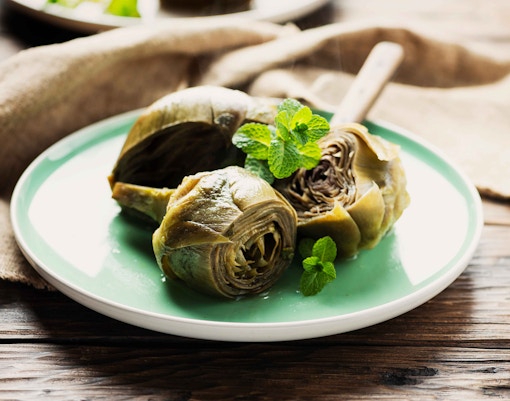
Carciofi alla Romana (Roman-Style Artichokes)
Spring brings an abundance of artichokes, and during Easter, Carciofi alla Romana is a staple. Artichokes are cleaned, stuffed with a mixture of garlic, mint, and parsley, then slowly braised in olive oil and white wine. This method yields a tender, flavorful vegetable dish that's both simple and exquisite.
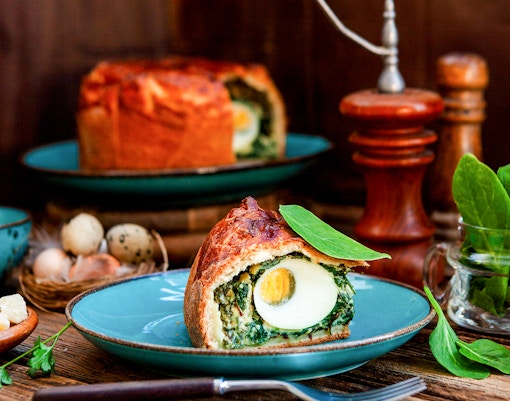
Torta Pasqualina (Easter Pie)
Originally from Liguria but beloved in Rome, Torta Pasqualina is a savory pie traditionally prepared during Easter. It features layers of flaky pastry filled with spinach or Swiss chard, ricotta cheese, and whole eggs that cook within the pie, symbolizing fertility and new life. This delightful dish showcases the Italian love for combining simple ingredients into something extraordinary.

Colomba di Pasqua (Easter Dove Cake)
No Italian Easter is complete without indulging in Colomba di Pasqua. This dove-shaped sweet bread is similar in texture to panettone, enriched with candied orange peel and topped with a sugary almond glaze. Soft, fragrant, and slightly buttery, it's a festive treat that perfectly complements a cup of espresso.
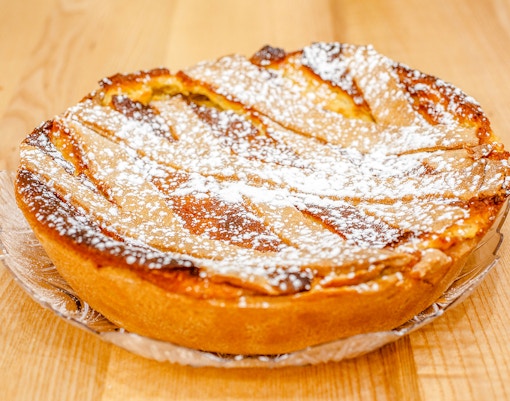
Pastiera Napoletana
While originating from Naples, Pastiera Napoletana has found its place on Roman Easter tables. This aromatic tart combines a buttery pastry crust with a filling of ricotta cheese, cooked wheat berries, eggs, and fragrant orange blossom water. The harmonious blend of textures and citrusy notes makes it a beloved dessert during the Easter season. citeturn0search4
Sampling these traditional dishes offers a delicious insight into Rome's rich culinary heritage during Easter. Each bite tells a story of tradition, celebration, and the timeless joy of sharing good food with loved ones.
Visitor tips in Rome during Easter
- Plan ahead, way ahead: Easter week is super popular! Book flights, accommodations, and attraction tickets (Colosseum, Vatican Museums) well in advance.
- Check holy week schedules: Vatican City has special services. Check the official Vatican website for mass times and potential closures.
- Embrace the atmosphere: Rome is extra special during Easter. Enjoy the religious processions and the festive spirit.
- Dress respectfully: When visiting churches (especially St. Peter's Basilica), dress modestly. Cover your shoulders and knees.
- Comfy shoes are a must: You'll be walking a lot! Prioritize comfortable shoes over style (your feet will thank you).
- Prepare for crowds: Expect large crowds, especially around the Vatican and during processions. Be patient and allow extra time.
- Book restaurant reservations: Restaurants fill up quickly during Easter week. Make reservations, especially for Easter Sunday lunch.
- Learn a few Italian phrases: Even a simple "Buongiorno" (good morning) or "Grazie" (thank you) goes a long way.
- Stay hydrated: Rome can get warm in spring. Carry a water bottle and refill it at the public fountains.
- Be mindful of pickpockets: Keep your valuables secure, especially in crowded areas.
- Enjoy Easter treats: Look out for traditional Italian Easter sweets like Colomba Pasquale (Easter dove cake).
- Check for Easter Sunday closures: Some shops and restaurants may be closed on Easter Sunday. Plan your meals accordingly.
- Public transportation tip: Public transit will be busy. Buy tickets in advance, and allow extra time for your journeys.
- Enjoy the local markets: The local markets are a great place to see the easter decorations and local food.
Frequently asked questions about Rome during Easter
Easter Sunday Mass in St. Peter's Square is the highlight, along with the Pope's "Urbi et Orbi" blessing. Also, many churches hold special Easter Vigil services on Holy Saturday night.
It's a papal blessing given by the Pope from the central balcony of St. Peter's Basilica on Easter Sunday. He delivers a message and extends blessings to the city of Rome and the world.
Very early! People start arriving hours before the Mass begins. To get a decent spot, aim to be there at least a few hours before the scheduled start.
No, the Easter Sunday Mass in St. Peter's Square is free and open to the public. However, due to the large crowds, it is first come first served.
Look out for "Colomba Pasquale," an Italian Easter dove cake. Many Romans also enjoy large family lunches on Easter Sunday.
Many shops, particularly smaller ones, may be closed on Easter Sunday. Many restaurants will be open for Easter lunch, but reservations are absolutely essential.
While there's no strict dress code for the outdoor Mass, it's respectful to dress neatly. When entering St. Peter's Basilica at any time, ensure your shoulders and knees are covered.
Many local churches in Rome hold their own Easter celebrations and services. Check local listings for specific events in the neighborhoods you're visiting. The most popular Easter markets in Rome include Campo dei Fiori and Piazza Navona, where you can find handmade Easter eggs, traditional clothing, and festive decorations.
Spring in Rome can be variable. Expect pleasant temperatures, but it's wise to pack layers and be prepared for potential rain.
While not as prominent as Christmas markets, you'll find festive displays and Easter treats in many local markets and shops. Explore local neighborhoods to find them.
Plan your itinerary carefully, allow extra time for travel, and be patient. Walking is often the best way to get around the historic center.
Many traditional Roman trattorias will offer special Easter menus. Check with local restaurants and make reservations well in advance. Pastry shops will have Colomba cakes and other sweets.