Everything You Need to Know About Rome Sightseeing Passes

What is a Rome City Card?

Rome's biggest attractions, like the Colosseum, Vatican, city museums, and public transit, each come with their own ticket, queue, and cost. A Rome city card, sometimes called a Rome city pass or sightseeing pass, is a prepaid bundle that wraps these attractions into one purchase. Four main options exist: Roma Pass covers city museums and transport, Omnia Card adds Vatican access, Turbopass runs on consecutive days, and Go City offers a flexible pick-your-own window. Used right, they can save you 20–55% against individual tickets, which can add up quickly. This guide breaks down the real differences, the fine print, and the situations where a Rome city pass genuinely helps, especially if you're wondering if the Rome city pass is worth it.

Types of Rome city cards: day-based vs. attraction-based vs. transport-only

Day-based pass

A day-based Rome pass gives you access to included attractions for a fixed number of consecutive days. In Rome, this usually means a calendar-day structure rather than a flexible hour bank, so once your start date begins, you need to use the pass efficiently.

Best for: First-time visitors with 2–5 packed sightseeing days who can comfortably handle 3–4 paid attractions, tours, or experiences per day.

Pass options: Turbopass Rome City Pass: Choose 2 to 5 Days includes 50+ attractions, Hop-On Hop-Off tours, guided walks, and bike rentals. It activates on your selected start date and runs on consecutive calendar days.
Attraction-based pass

An attraction-based pass lets you choose a set number of included experiences and use them over a longer window. That removes the daily pressure and becomes a Rome city pass that's worth buying if you want to mix blockbuster sights with slower afternoons, food stops, or free neighborhoods.

Best for: Travelers staying 4–7 days, repeat visitors, or anyone who wants 1–2 major paid experiences per day instead of a sightseeing sprint.

Pass options: Go City Rome Explorer Pass: Choose 2 to 7 Attractions gives you access to 2–7 attractions from a 40+ list, including the Vatican Museums, Colosseum, Pantheon, cruises, tours, and classes. It stays valid for 30 days after first use.

Hybrid pass

A hybrid Rome pass combines attraction access with public transport. This is the most practical format if you want museum entry and unlimited ATAC rides in the same purchase, especially if your hotel is not within walking distance of the historic core.

Best for: Visitors who want built-in metro, bus, and tram access, and enough paid museums or archaeological sites to justify the upfront cost.

Pass options: Roma Pass: Access 45+ Attractions and Unlimited Public Transport offers 48 or 72 consecutive hours, free entry to 1 or 2 sites, then discounts after. Omnia Card and Roma Pass: Access 10+ Attractions and Unlimited Public Transport adds Vatican access and a 72-hour Hop-On Hop-Off bus. Rome Super Pass with Public Transport: Access to 10+ Attractions bundles fixed landmark entry with ATAC rides for 3 days.

Which type fits your travel style?

  • If you want to pack Rome tightly into 2–5 days, start with a day-based pass.
  • If you prefer slower pacing, choose attraction-based.
  • If unlimited transport matters as much as sightseeing, a hybrid pass is the better fit.

Top Rome city card providers

Card detailsRoma Pass: Access 45+ Attractions and Unlimited Public TransportOmnia Card and Roma Pass: Access 10+ Attractions and Unlimited Public TransportTurbopass Rome City Pass: Choose 2 to 5 DaysGo City Rome Explorer Pass: Choose 2 to 7 Attractions

Type of card

Hybrid

Hybrid

Day-based

Attraction-based

Number of attractions

45+ attractions

10+ attractions

50+ attractions

40+ attractions

Top attractions

Colosseum, Roman Forum, Palatine Hill, Borghese Gallery, Capitoline Museums

Vatican Museums, Sistine Chapel, Colosseum, Roman Forum, St. Peter’s Basilica

Vatican Museums, Sistine Chapel, Colosseum, Castel Sant’Angelo, Pantheon

Vatican Museums, Colosseum, Pantheon, Castel Sant’Angelo, St. Peter’s Basilica and Cupola

Pass options

48 or 72 hours

72 hours

2, 3, 4, or 5 consecutive days

2, 3, 4, 5, 6, or 7 attractions

Validity

48 or 72 consecutive hours from first use

72 hours from first use; non-activated pass valid for 12 months from purchase

Consecutive calendar days from selected start date

30 days from first use; up to 1 year from purchase before activation

Price range

€38–€63

€149

€109.90–€189

€89–€204

What’s included in the Rome pass?

Landmarks & ancient Rome

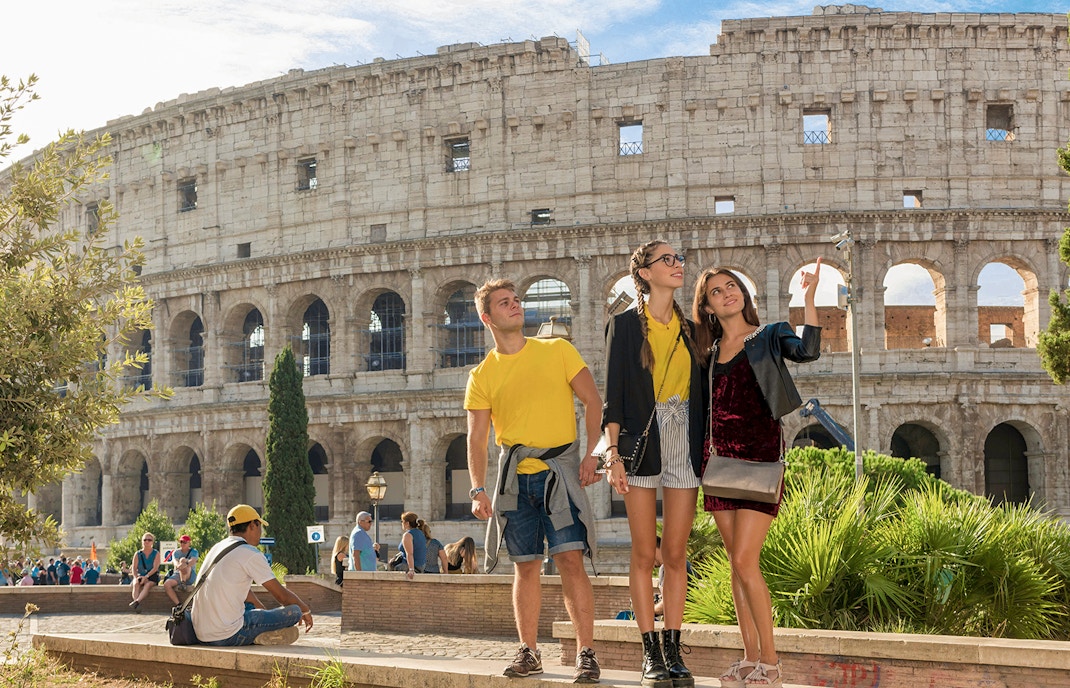
  • Colosseum: Step inside Rome’s ancient arena and picture gladiator spectacles beneath towering stone tiers.
  • Roman Forum and Palatine Hill: Walk through imperial ruins, triumphal arches, and palace foundations where ancient Rome governed itself.
  • Pantheon: Gaze up at the giant oculus and feel Roman engineering still working perfectly.
  • Castel Sant’Angelo: Climb papal fortifications for Tiber views, secret passage stories, and rooftop panoramas.
  • St. Peter’s Basilica and Cupola: Ascend toward the dome for sweeping Vatican views and Bernini-filled interiors.

Museums & art

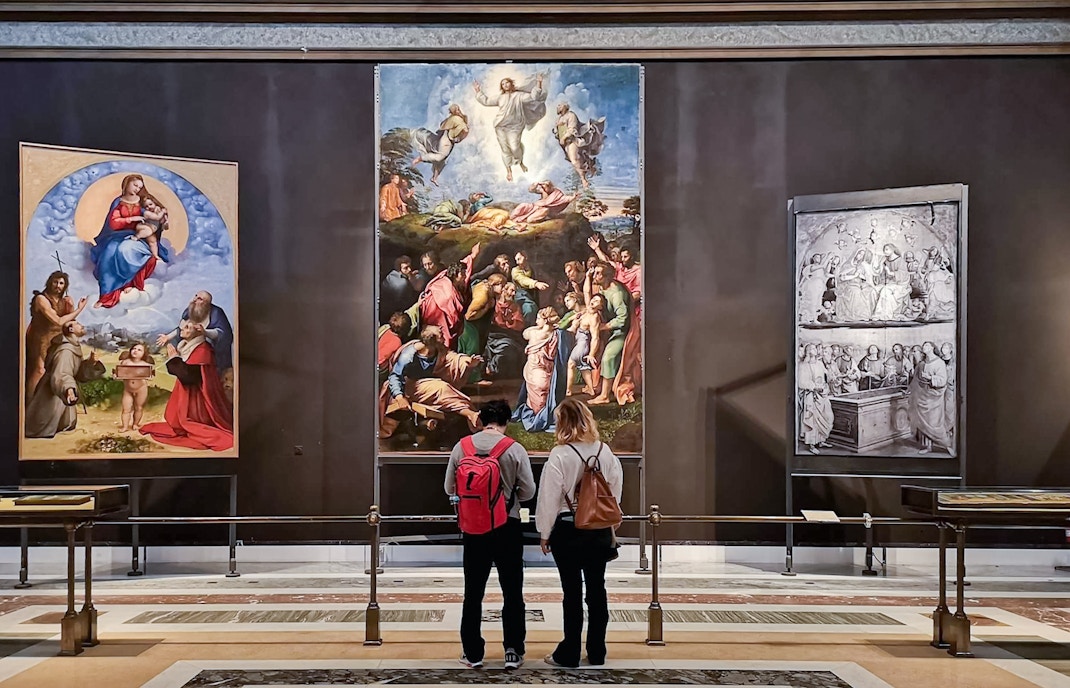
  • Vatican Museums and Sistine Chapel: Wander through map galleries, papal collections, and Michelangelo’s ceiling in one route.
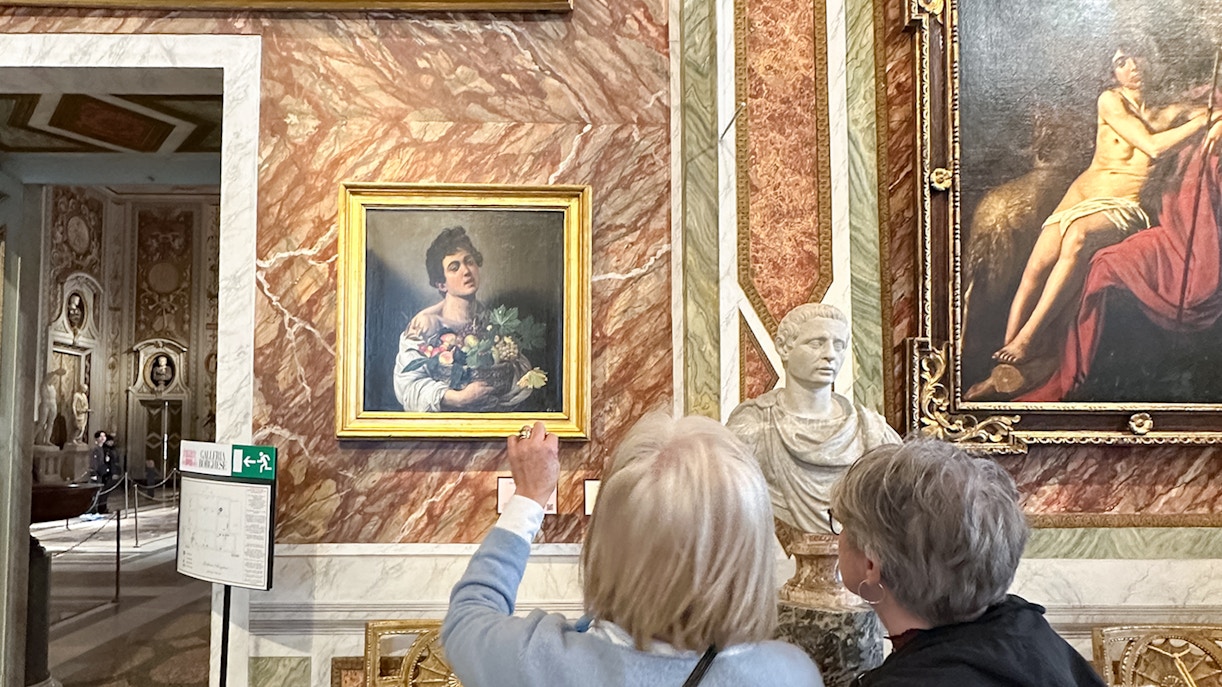
  • Borghese Gallery: Admire Bernini sculptures and Caravaggio canvases inside a villa with timed, intimate visits.
  • Capitoline Museums: Explore bronze icons, imperial busts, and piazza views atop Michelangelo’s Capitoline Hill.
  • National Roman Museum: Discover mosaics, frescoes, and sculpture spread across several important Roman venues.
  • Leonardo da Vinci Museum: Test machines and inventions that turn Renaissance sketches into hands-on exhibits.

Guided tours & activities

  • St. Peter’s Basilica & Cupola guided experience: Climb the dome and decode basilica details with expert context.
  • Roman Empresses walking tour: Follow the lives, scandals, and power plays of imperial women.
  • Julius Caesar and Roman Emperors tour: Trace political drama through forums, monuments, and assassination lore.
  • Pizza-making experience: Knead dough, top your pie, and eat your work afterward.
  • Pasta class: Roll fresh pasta and learn Roman flavors you’ll recognize later at dinner.

Hop-on Hop-off & River experiences

  • 48-hour Hop-on Hop-off bus tour: Ride between major neighborhoods when your feet need a break.
  • 1-day Hop-on Hop-off bus tour: Orient yourself fast, then hop off near the Colosseum or Vatican.
  • Tiber River cruise: Drift past embankments and bridges for a cooler, slower view of Rome.
  • 24-hour Hop-on Hop-off cruise tour: Combine river transit with sightseeing when central streets feel packed.

Rome City Cards activation, validity, and the fine-print you must read

  • Activation timing: Roma Pass activates at first attraction scan or first public transport tap, not at online purchase.
  • Selected-date exception: Turbopass Rome City Pass starts on the first date you choose during booking, not first scan.
  • Hour-based validity: Roma Pass runs for 48 or 72 consecutive hours to the minute from first use.
  • Calendar-day validity: Turbopass Rome City Pass runs on consecutive calendar days, so late activation wastes most of day 1.
  • Long pre-activation window: Go City Rome Explorer Pass stays valid for 1 year before first use, then 30 days after.
  • Reservation requirements: Reserve the Colosseum, Borghese Gallery, and Vatican Museums as soon as you buy, especially from April to October.
  • Security still applies: Passes skip ticket-buying lines, not airport-style bag checks at the Colosseum or Vatican Museums.
  • One visit per attraction: Roma Pass, Omnia Card, Turbopass, and Go City Rome Explorer Pass allow one entry per included attraction.
  • Transport validation: Roma Pass and Omnia Card must be tapped on ATAC readers when you first use public transport.
  • Digital vs. physical format: Roma Pass and Go City are app-based; Omnia Card and Rome Super Pass require collection in Rome.
  • Refunds: Roma Pass becomes non-refundable and non-transferable once activated; cancellation terms for other passes depend on the booked product.

Pro tips to maximize your Rome city card value

Pro tips to make your Rome city card 'worth it'

  • Do the math before buying: If your plan is the Colosseum (about €18), Capitoline Museums (about €17), Borghese Gallery (about €15–€20), plus 72-hour transit (about €18), a Roma Pass starts making sense quickly.
  • Use Roma Pass freebies on expensive sites: Don’t burn your free entries on lower-cost museums if the Colosseum or Borghese Gallery is on your list.
  • Front-load hard-to-book attractions: Lock in the Colosseum, Vatican Museums, and Borghese Gallery first, then build the rest of your days around those time slots.
  • Group by area: Pair Colosseum, Roman Forum, and Capitoline Museums together; keep Vatican Museums and Castel Sant’Angelo for the same day.
  • Watch Rome’s travel time: Vatican Museums to the Colosseum can take 35–45 minutes door-to-door, which matters on a short pass.
  • Activate hour-based passes strategically: A Roma Pass activated at 2pm Monday lasts until 2pm Thursday, which can stretch across 4 sightseeing windows.
  • Start calendar-day passes early: Turbopass Rome City Pass should start in the morning, because beginning at 3pm still burns a full calendar day.
  • Use the apps properly: Download the Roma Pass app or Go City app before leaving Wi-Fi; hours, reservation rules, and QR access are easier offline.

Common Rome city cards mistakes and pitfalls to avoid

Buying before checking your must-sees

You buy a Roma Pass first, then realize the Vatican Museums were the real priority. Roma Pass helps with the Colosseum and city museums, but it does not cover Vatican entry, so you now need another ticket and another reservation plan.

Prevention: Shortlist your top 4 paid sights first, then compare passes against that list before paying.

Treating ‘skip the line’ as magic

You show up at the Colosseum or Vatican Museums without a reservation, expecting the pass to do the work. It won’t. Passes can bypass ticket windows, but timed-entry controls and security lines still remain.

Prevention: Reserve the Colosseum, Borghese Gallery, and Vatican Museums immediately after booking your pass.

Planning Rome like a checklist challenge

You schedule Vatican Museums, Colosseum, Roman Forum, Borghese Gallery, and Castel Sant’Angelo in one day. In practice, security checks, museum fatigue, and transit usually reduce that to 2–3 major visits.

Prevention: Build each day around 1 anchor site and 1–2 nearby follow-up attractions, not 5 headline names.

Forgetting how far apart your sights are

Rome can look compact online, but Vatican Museums to the Colosseum often takes 35–45 minutes door-to-door. Add Borghese Gallery or Ostia Antica, and your pass validity starts disappearing into transit time.

Prevention: Group ancient Rome, Vatican, and Borghese/central Rome into separate sightseeing zones.

Paying for transport you barely use

If you stay near the Pantheon, Piazza Navona, or Campo de’ Fiori, you may walk far more than ride. A transport-heavy pass can underperform when your whole itinerary sits inside the historic center.

Prevention: Check your hotel location before choosing Roma Pass or Omnia Card mainly for transit value.

Using adult logic for a family trip

Children under 18 often get free entry at many state museums and at the Colosseum, so buying full-price pass products for every family member can erase the savings fast.

Prevention: Price each child separately before assuming a family pass bundle is the best deal.

When to skip buying Rome City Cards

  • Repeat visitors: If you’ve already done the Colosseum and Vatican, individual tickets for 1–2 new sights are usually better.
  • Very short stays: On a 24-hour Rome stop, timed entries and pickup logistics can eat too much of your day.
  • Slow travelers: If you prefer 1 paid site, a long lunch, and evening wandering, a pass may feel expensive.
  • Free-sight itineraries: If your plan is Trevi Fountain, Piazza Navona, Spanish Steps, Trastevere, and churches, skip the pass.
  • Vatican-only trips: If your Rome trip revolves around the Vatican Museums and St. Peter’s, buy only what matches that focus.
  • Walkable central stays: If you’re staying around the Pantheon or Campo de’ Fiori, transport-heavy passes may add little value.

Frequently asked questions about Rome city card

It can be, but only if you’re doing several paid sights and using the pass structure properly. A 3-day Rome plan with the Colosseum, Vatican Museums, Borghese Gallery, museums, and frequent transit can justify a pass; a slower trip built around piazzas and churches usually won’t.