8 fascinating facts about Castel Sant’Angelo

A mausoleum turned fortress, Castel Sant’Angelo bears layers of imperial ambition, papal power and dramatic reuse, stones moved, statues smashed, angels invoked and popes fleeing through secret corridors. Here are 8 amazing facts about the museum.

Interesting facts about Castel Sant’Angelo

1. From Mausoleum to Castle

Built c. AD 135 as Emperor Hadrian’s tomb, the cylindrical monument later became a military fortress and papal refuge,  a dramatic functional metamorphosis that shaped its layered architecture.

2. Looted in the Sack(s) of Rome

During Alaric’s sack (410) and the Gothic sieges (notably 537), urns, ashes and decorative statuary were scattered or thrown down from the monument as defenders used them against attackers.

3. Spolia — Hadrian’s stones in St. Peter’s

Fragments from Hadrian’s tomb were reused across medieval and Renaissance Rome. A funerary capstone thought to be Hadrian’s later covered Otto II’s tomb and was eventually incorporated into later church fittings, a striking example of spolia.

4. The Archangel Michael vision (590 AD)

Legend says Pope Gregory the Great saw Archangel Michael sheathing his sword atop the mausoleum during the 590 plague; the miracle gave the site its “Sant’Angelo” name and later inspired the statue on the roof.

Walk the corridor history tried to conceal!

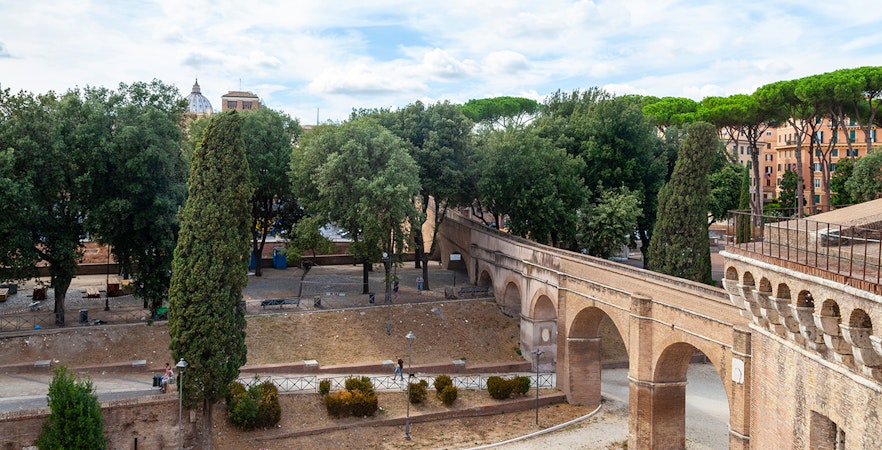
Once hidden, now revealed. From secret passage to strategic safeguard, explore the Passetto di Borgo on a self-guided visit or expertly-led tour alongside your museum experience.

5. Papal fortress

Popes transformed the massive structure into a fortified stronghold, adding defensive walls, guarded ramps, and refined papal apartments that reflect its role as both a residence and a last line of defense for the Vatican.

6. Passetto di Borgo, a real escape corridor

The Passetto is an c.800m raised, enclosed passage connecting the Vatican to Castel Sant’Angelo. It functioned as a lifeline for popes under siege, an architectural answer to political danger.

7. Prison and high-profile captives

From the medieval years into the Renaissance, Castel Sant’Angelo served as a state prison. High-profile detainees, including political and religious figures, were held in its cells, its reputation mixes dread with mystery.

8. Military hub in city defenses

Integrated into the later Aurelian and papal defense systems, the castle’s thick walls, elevated walkways, and spiral ramp networks turned it into a strategic stronghold, anchoring Rome’s evolving military landscape across centuries.

Select your tickets

Castel Sant’Angelo Timed Entry Tickets

Book now, pay later
Flexible duration
Audio guide

Combo (Save 14%): Rome Pantheon + Castel Sant'Angelo Fast Track Entry Tickets

Audio guide


Castel Sant’Angelo Skip-the-Line Guided Tour

Free cancellation
Book now, pay later
1 hr. - 2 hr.

Combo (Save 5%): Vatican Museums, Sistine Chapel and Castel Sant'Angelo Priority Access Tickets

Audio guide

Plan your visit to Castel Sant'Angelo

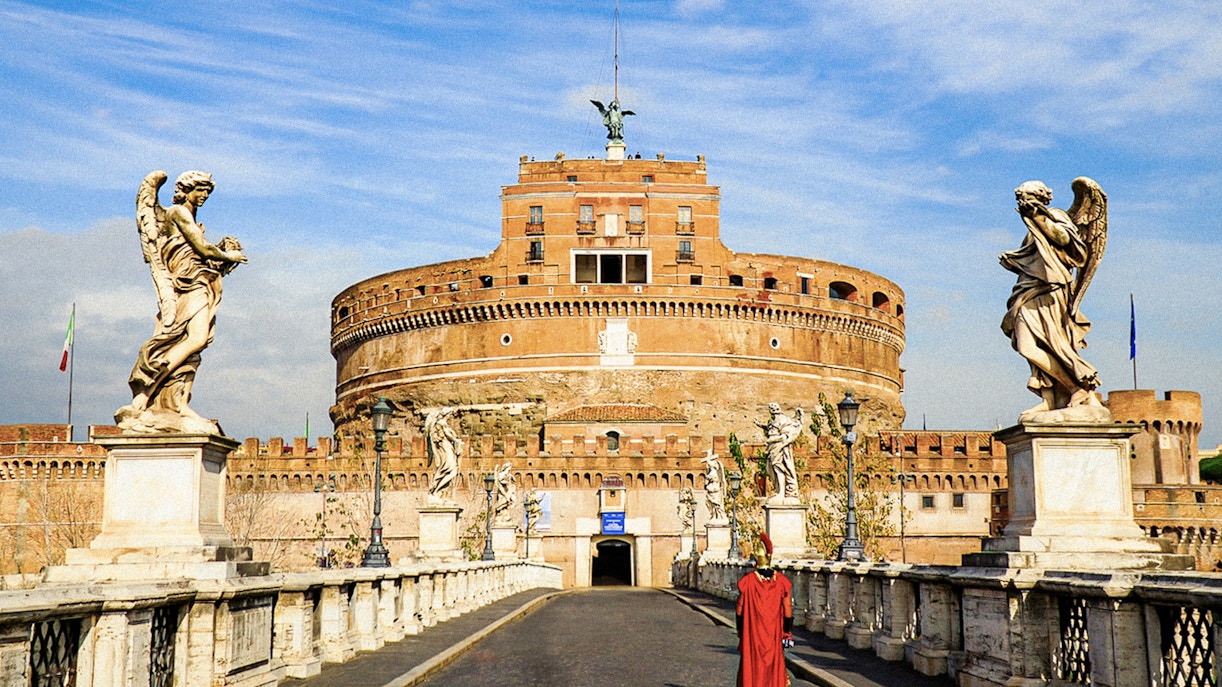
Castel Sant'Angelo exterior with statues on Ponte Sant'Angelo, Rome.
  • Getting there: Castel Sant’Angelo is a short walk from Lepanto or Ottaviano metro stations (Line A). Several buses stop nearby, and the castle sits right by the Tiber, close to the Vatican.
  • Best time: Visit early morning or late afternoon for lighter crowds and softer light on the terrace views.
  • Duration: Set aside 2–3 hours to explore the ramps, papal rooms, museum galleries, and panoramic terrace at a relaxed pace.
  • Dress code: No strict dress code, but comfortable shoes are recommended due to sloped ramps and stone floors.
  • Security: Expect airport-style checks. Large bags, tripods, and sharp objects are not allowed inside.
  • Accessibility: The main spiral ramp and several galleries are accessible, but upper levels and the terrace require stairs. Staff can advise on the best accessible route.
Plan ahead with tips, hacks, and insider info

Frequently asked questions about Castel Sant’Angelo

Castel Sant’Angelo was built as the mausoleum of Emperor Hadrian. He and members of his family were originally buried here before the structure became a fortress and papal residence.

More reads

About

Plan your visit

History