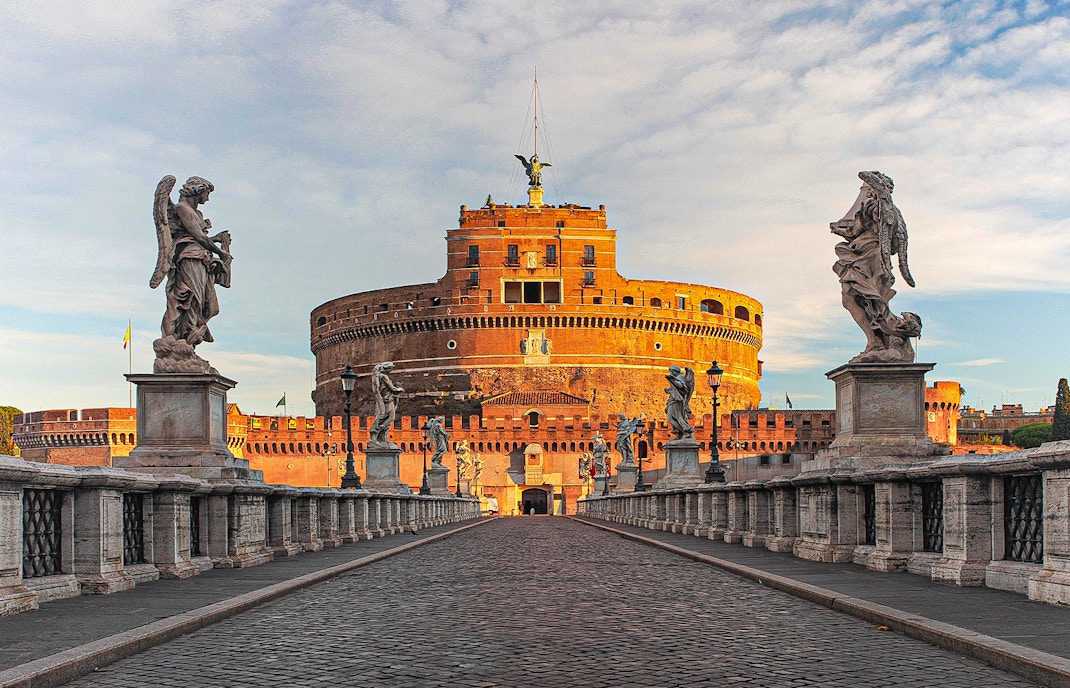
Castel Sant'Angelo History: From Fortress to Cultural Treasure

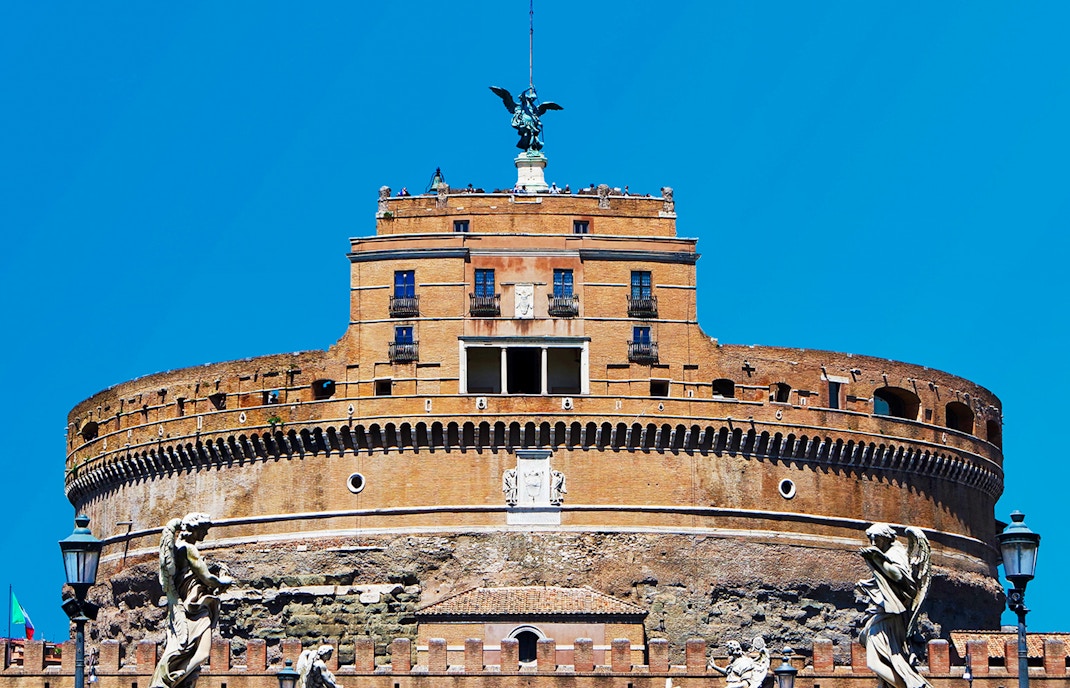
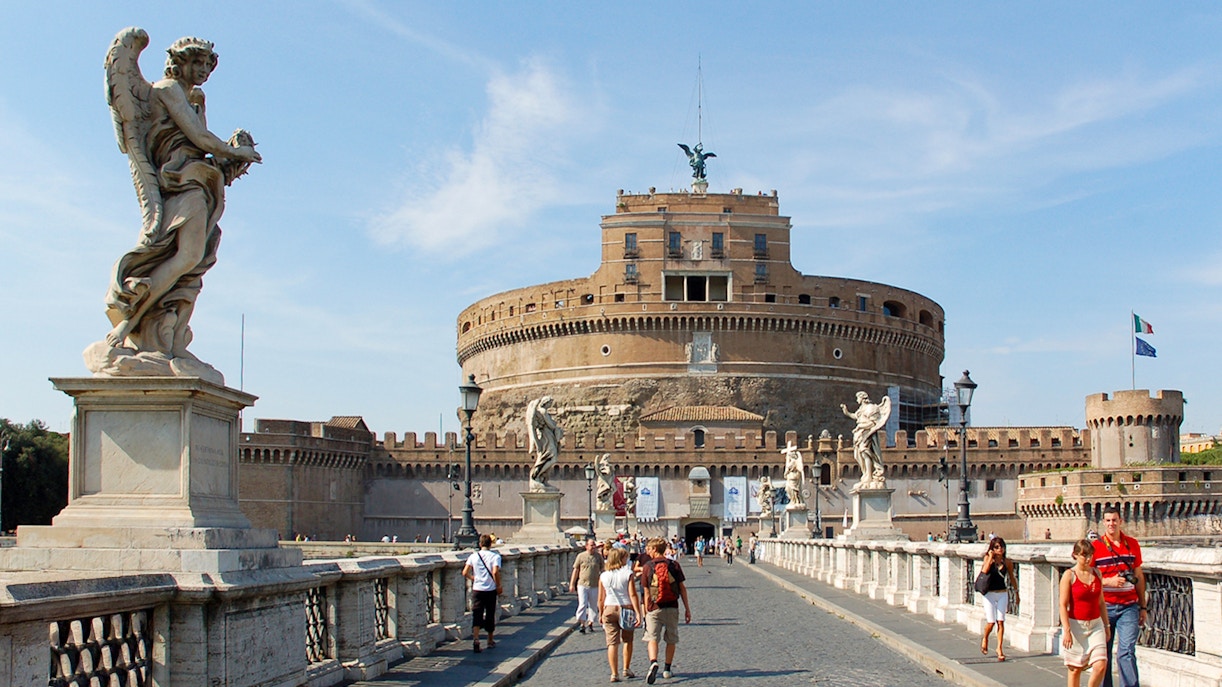
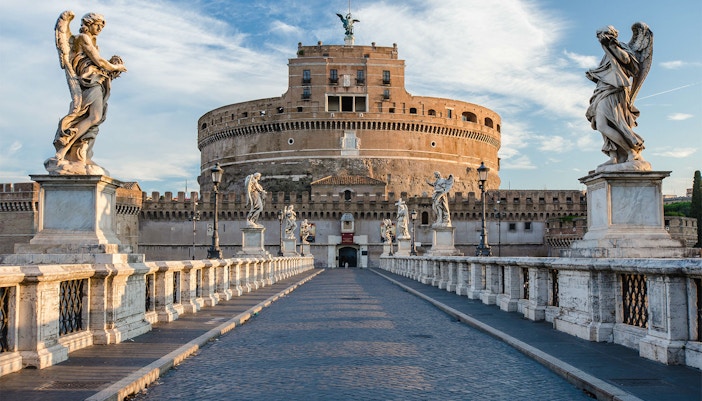
Built around 139 AD as Emperor Hadrian's mausoleum, Castel Sant'Angelo in Rome has played numerous historical roles over centuries, serving as a fortress in 401 AD, a papal residence in the 14th century, and a prison before becoming a museum in 1901.

Castel Sant'Angelo timeline

135 AD: Construction of the building started under the Roman Emperor Hadrian as a mausoleum for himself and his family, originally named "Hadrian's Mole".

139 AD: Construction of Hadrian's Mausoleum is completed under Emperor Antoninus Pius, Hadrian's successor.

403-409 AD: The building is incorporated into the Aurelian Walls, a defensive barrier around Rome.

590 AD: During the plague, Pope Gregory I had a vision of the Archangel Michael sheathing his sword on top of the castle, interpreting it as a sign of the end of the plague, thus the name "Castel Sant'Angelo" (Castle of the Holy Angel).

600 AD: The castle is used as a fortress and castle by the Popes. Pope Nicholas III moved his residence there, and it was connected to St. Peter's Basilica through the Passetto di Borgo.

1527 AD: During the Sack of Rome, Pope Clement VII uses the castle as a refuge.

1901 AD: The Italian state takes ownership of Castel Sant'Angelo, and it's opened to the public as a museum.

Castel Sant’Angelo history explained

Mausoleum of Hadrian

135 - 139 AD

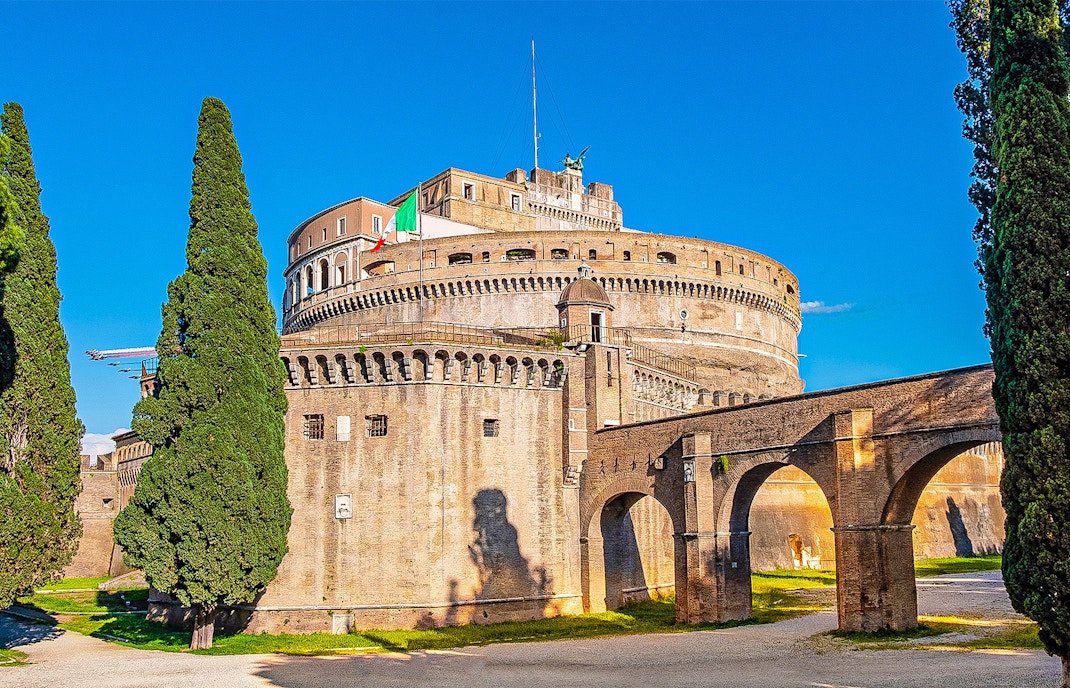
The Castel Sant'Angelo, originally known as the Mausoleum of Hadrian, was built between 123 and 139 AD under the direction of the architect Decrianus. It was designed as a mausoleum for Emperor Hadrian and his family, inspired by the Mausoleum of Augustus. The original mausoleum consisted of a square base and a cylindrical building, with a tower containing three burial chambers. After Hadrian's death, the mausoleum became the final resting place for several emperors and their families.
Learn more about the Mausoleum of Hadrian

Transformation into a fortress

500 - 590 AD

Due to the shifting political and security needs of Rome during a tumultuous period of decline and invasions, the mausoleum was converted into a military fortress. Emperor Honorius played a pivotal role in incorporating the building into Aurelian Walls, strengthening Rome's defenses. This fortified structure, later known as Castellum Crescentii in the Middle Ages, successfully protected the Vatican from the Vandals of Genseric's plundering in 455 AD. In the early 6th century, Theodoric repurposed the building, turning it into a state prison.

Papal residence and prison

590 - 1527 AD

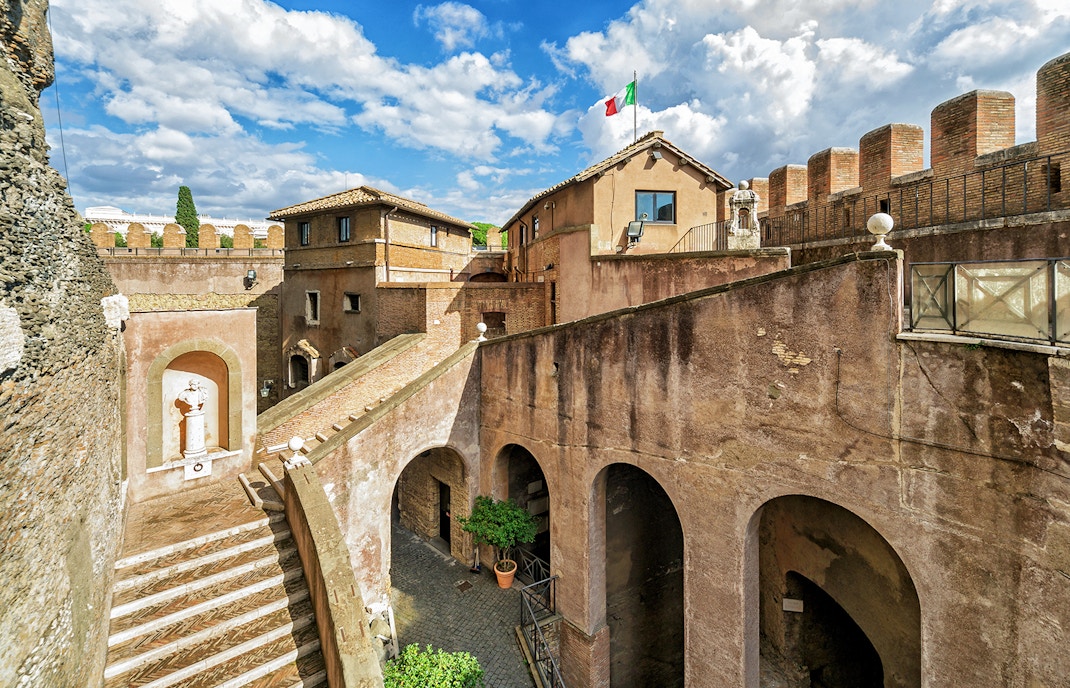
In 590 AD, during a plague, Pope Gregory I had a vision of the Archangel Michael sheathing his sword over the castle, symbolizing the plague's end. This vision led to the castle being named Castel Sant'Angelo. Throughout the Middle Ages, it served as a sanctuary for popes, reachable from the Lateran through a secure passage. Popes transformed it into a residence and refuge, fortifying it against external threats. It was also used as a prison for political prisoners. The most famous prisoner was the Italian adventurer Benvenuto Cellini.

Baroque additions to present day

1542 - present

In the 16th century, under Pope Paul III (1534–1549), Castel Sant’Angelo underwent major renovations to bolster Rome’s defenses. Antonio da Sangallo the Younger added a prominent cylindrical bastion, while later architects like Michelangelo and Giacomo Della Porta contributed further enhancements.

Following the unification of Italy in 1870, Castel Sant’Angelo ceased to be a papal fortress and was repurposed for military use, serving as a barracks and prison. In 1901, it was officially designated as a national monument. Today, the castle functions as the Museo Nazionale di Castel Sant’Angelo, showcasing its layered history.

Explore Passetto di Borgo

Castel Sant'Angelo today

https://cdn-imgix.headout.com/media/images/b11941ac922f050cf4fc84836f639a68-19556-Rome-CastelSant-AngeloGuidedTour-11.jpg?auto=format&w=828&h=619.1999999999999&q=90&ar=3%3A4&crop=faces%2Ccenter&fit=crop

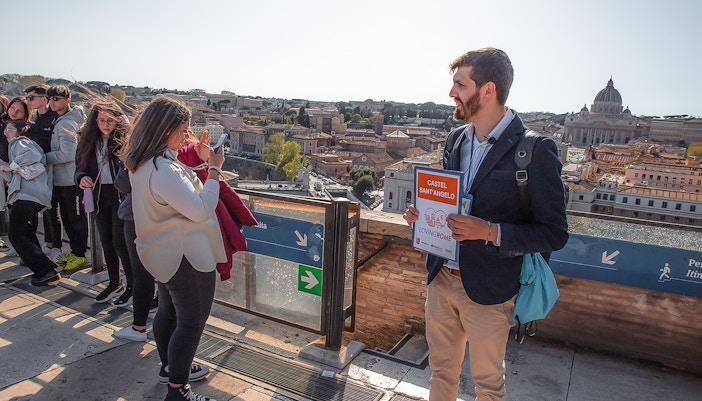
Today, Castel Sant’Angelo provides a tangible connection to Rome’s past, from its origins as Emperor Hadrian's tomb, through its transformation into a fortified castle and papal residence, to its modern role as a museum. A must-visit attraction, Castel Sant’Angelo history offers a captivating journey through the various architectural styles and historical periods of Rome. The panoramic views from its terrace, overlooking Rome and the Vatican, are unmatched. Furthermore, its artistic treasures, ranging from Roman antiquities to Renaissance-era paintings, offer invaluable insights into the city’s rich cultural heritage. Its diversity and historical significance make it a captivating visit for any traveler.

Plan your visit to Castel Sant'Angelo

Frequently asked questions about the Castel Sant’Angelo history

Castel Sant'Angelo, also known as the Mausoleum of Hadrian, was initially constructed between 134–139 AD, making it over 1880 years old as of 2023.

More reads

Castel Sant'Angelo directions

Book Now

Guided tours

Book Now

Castel Sant'Angelo entrance

Book Now