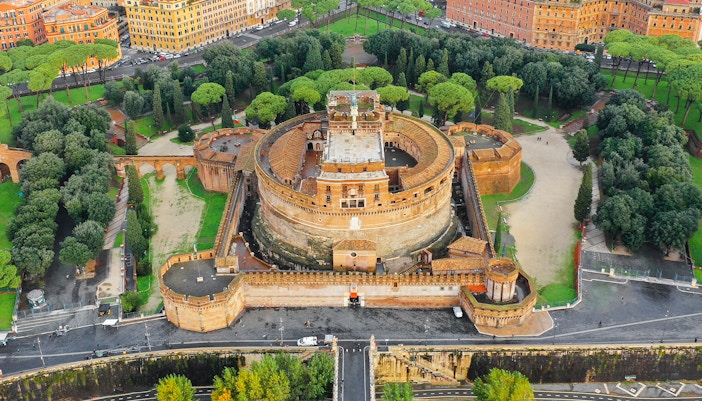
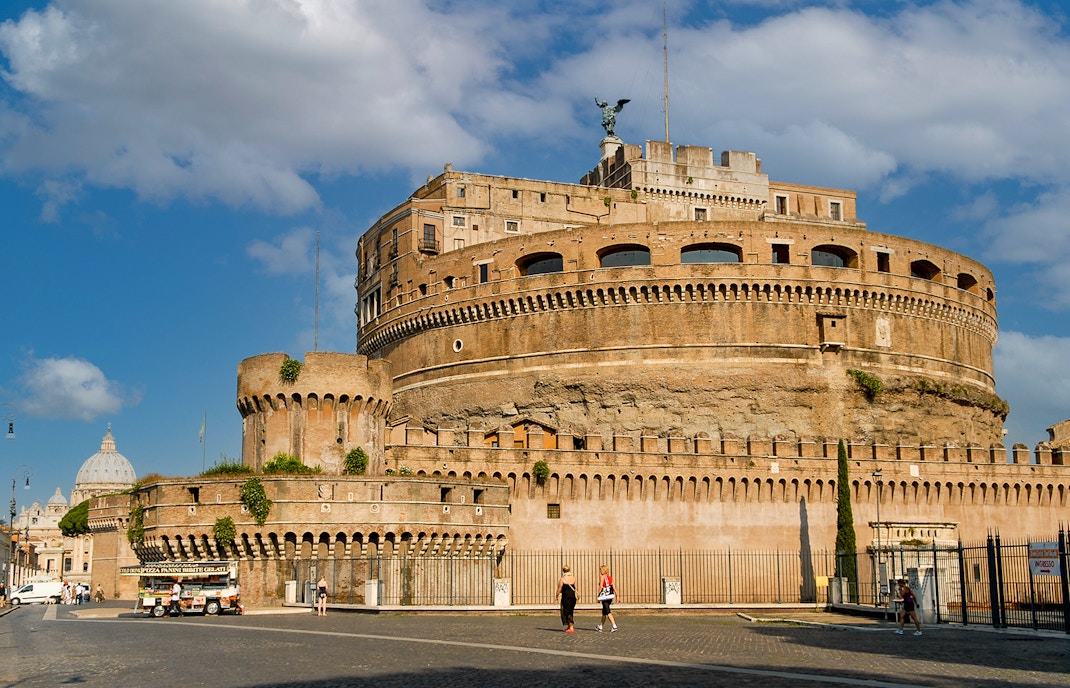
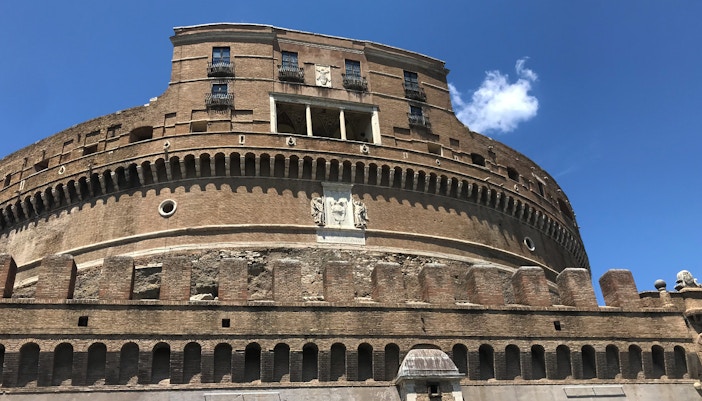
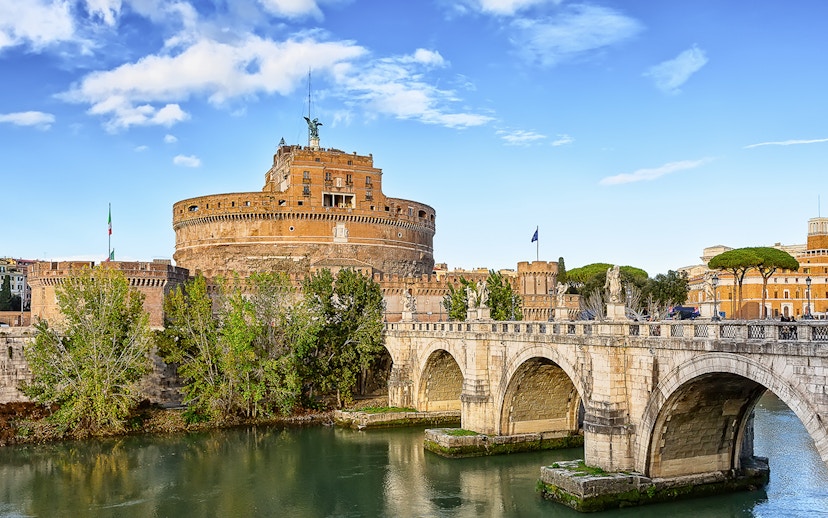
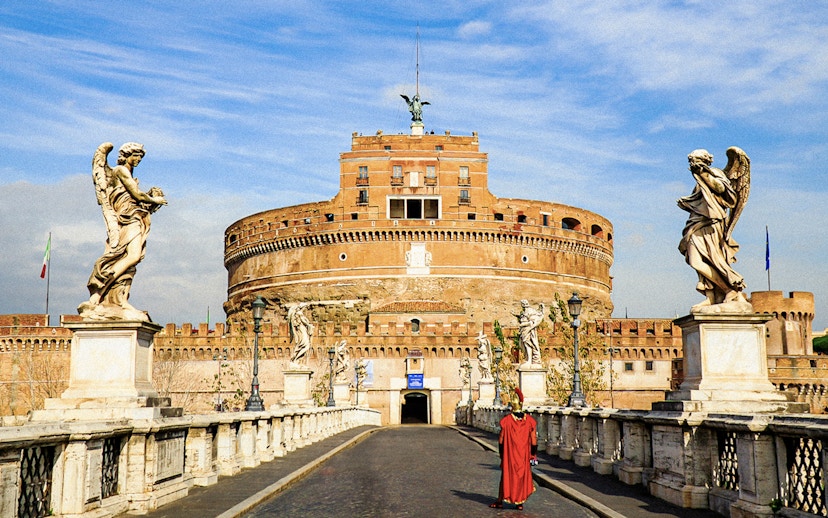
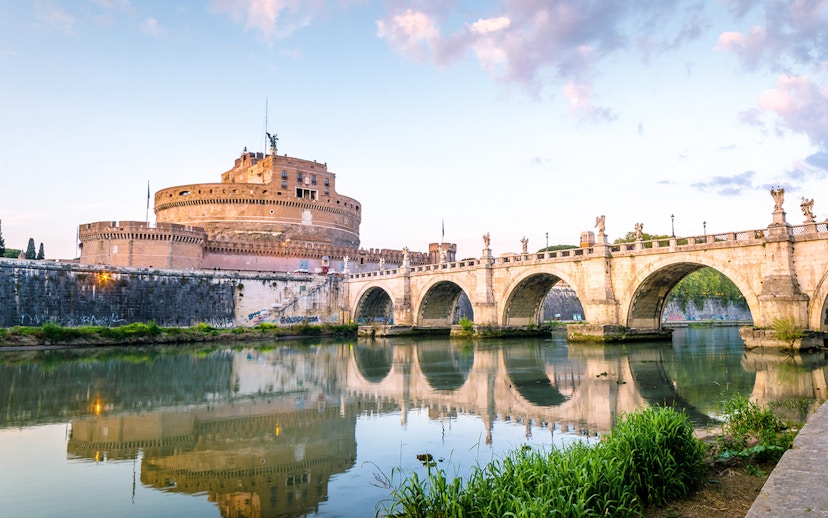
The mausoleum featured a massive circular drum, built on a square base, which was characteristic of Roman imperial tombs. This monumental form symbolized eternity and power, making it a fitting final resting place for an emperor.
Included with Castel St. Angelo tickets
Timings
RECOMMENDED DURATION
2 hours

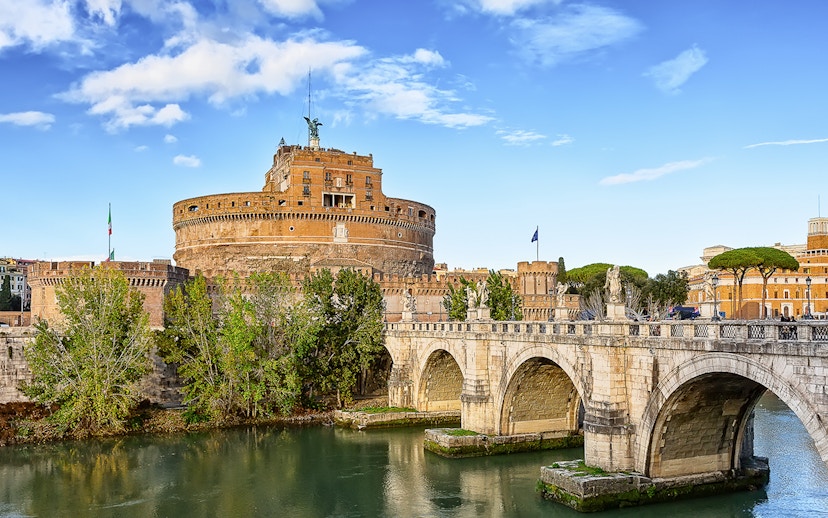
The structure now known as Castel Sant’Angelo was originally built as the Mausoleum of Hadrian, intended as a grand tomb for the Roman Emperor Hadrian and his family. This massive cylindrical monument, constructed between AD 135 and 139, was designed to reflect the emperor’s power and legacy. Its original function as a mausoleum is what gave it its initial identity, but over the centuries, the building's purpose transformed dramatically.
From an imperial tomb, it evolved into a military fortress, a refuge for popes, and even a prison. Today, as Castel Sant’Angelo, it stands not only as a museum but also as a powerful symbol of Rome’s layered history—its name and architecture still echoing its ancient beginnings.

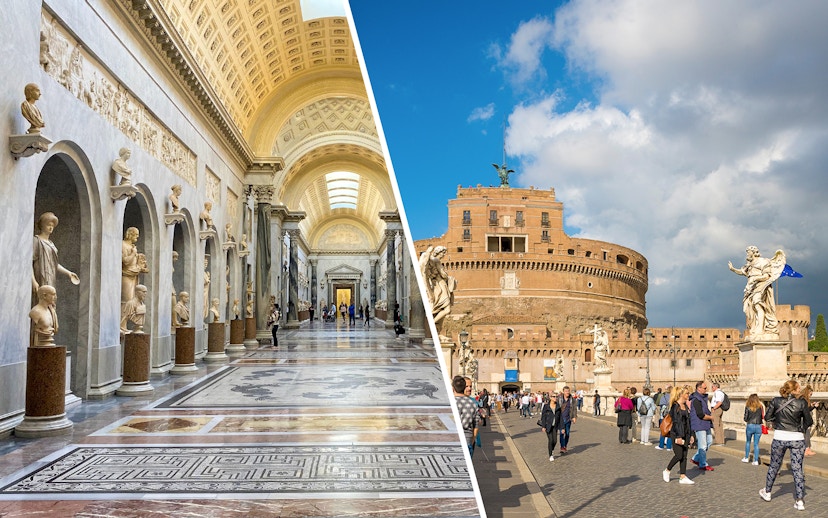
The mausoleum featured a massive circular drum, built on a square base, which was characteristic of Roman imperial tombs. This monumental form symbolized eternity and power, making it a fitting final resting place for an emperor.

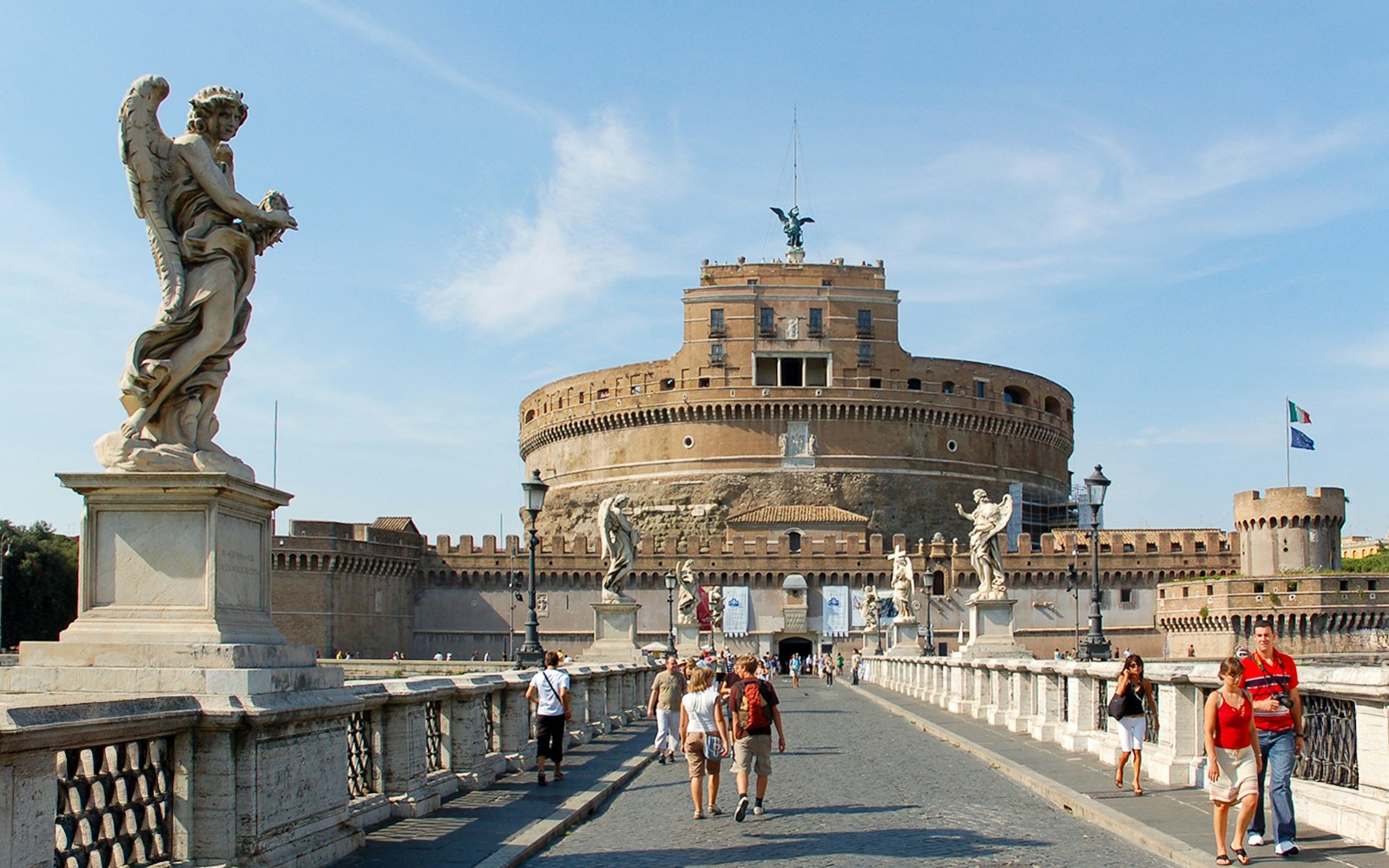
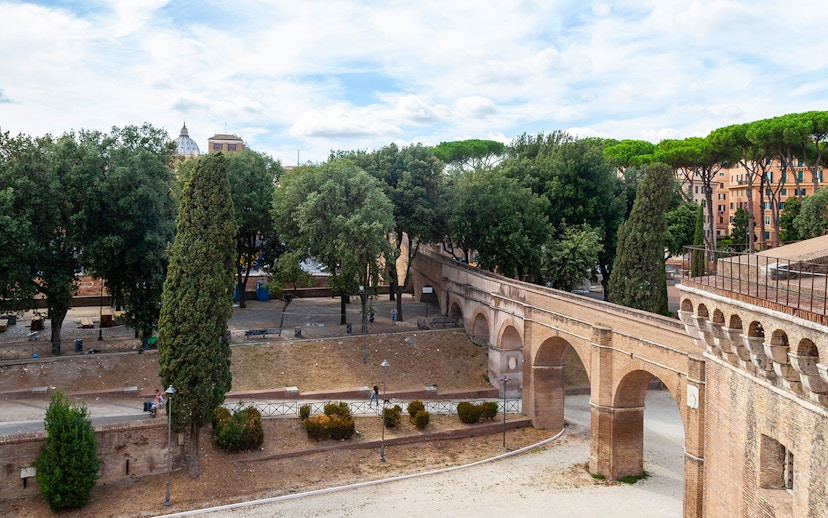
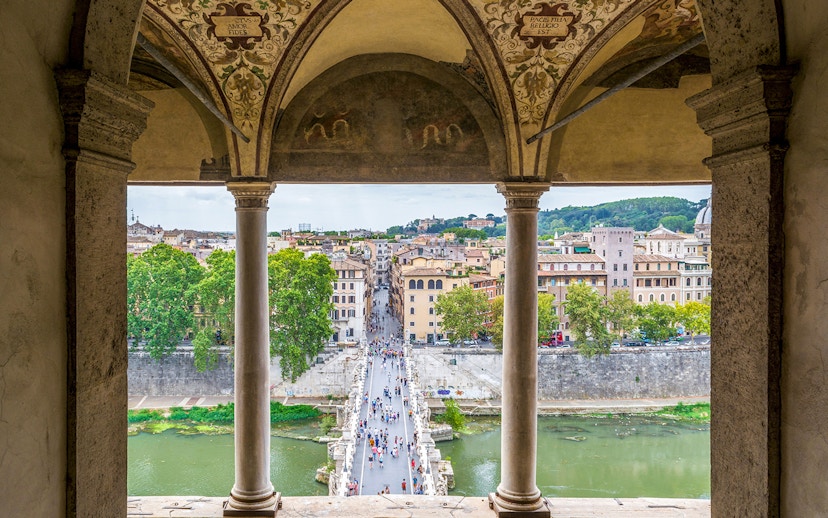
Originally, a grand, tree-lined ramp led up to the mausoleum, surrounded by landscaped gardens and adorned with statues, creating a majestic approach that emphasized the emperor’s divine status.
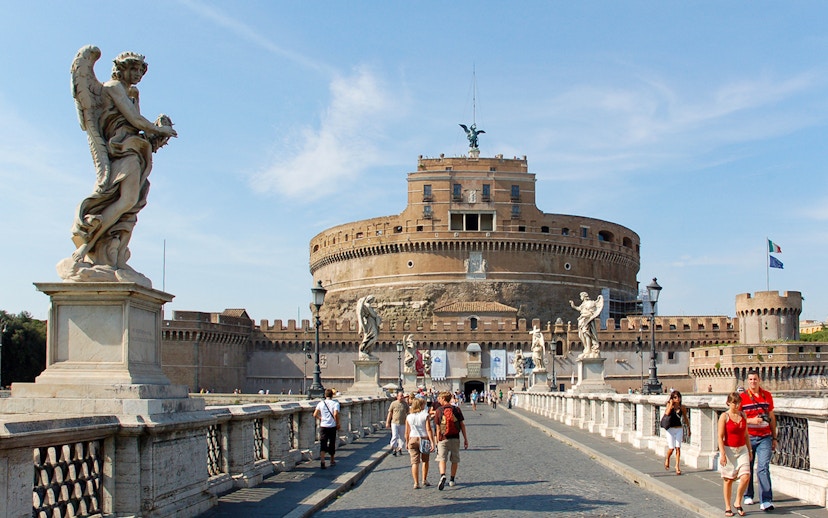
At the top of the structure stood a bronze quadriga (a four-horse chariot) with a statue of Hadrian, and within the mausoleum, an inner chamber housed the funerary urns of Hadrian and his successors, including emperors like Antoninus Pius and Marcus Aurelius.
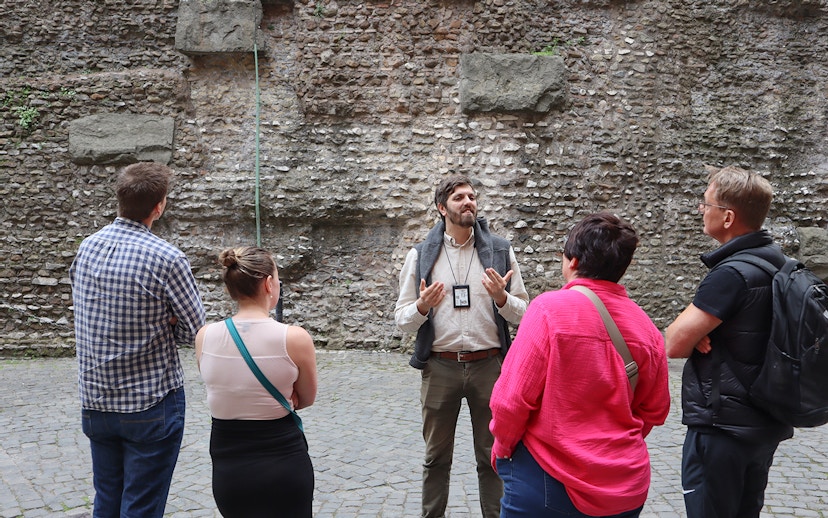
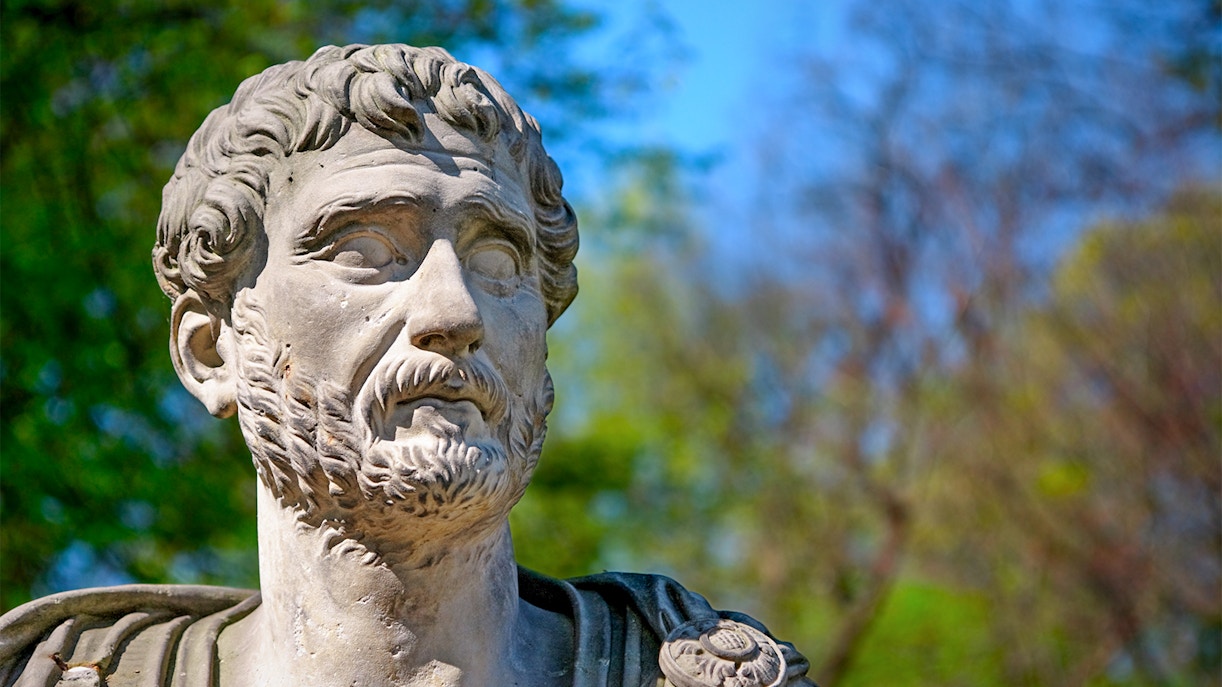
Emperor Publius Aelius Hadrianus, who reigned from AD 117 to 138, presided over one of the most transformative periods in the history of the Roman Empire. A visionary leader and cultured intellectual, Hadrian was the adopted successor of Emperor Trajan and is remembered as one of Rome’s “Five Good Emperors.”
His true legacy lies in his architectural ambition and innovation. Monumental structures such as the Pantheon (in its rebuilt form), the sprawling Villa Adriana at Tivoli, and the Temple of Venus and Roma reflect his refined taste and lasting impact on Rome’s urban and cultural landscape. Hadrian’s reign marked a shift from expansion to consolidation, but his enduring contributions gave Rome much of the elegance and grandeur it still holds today.
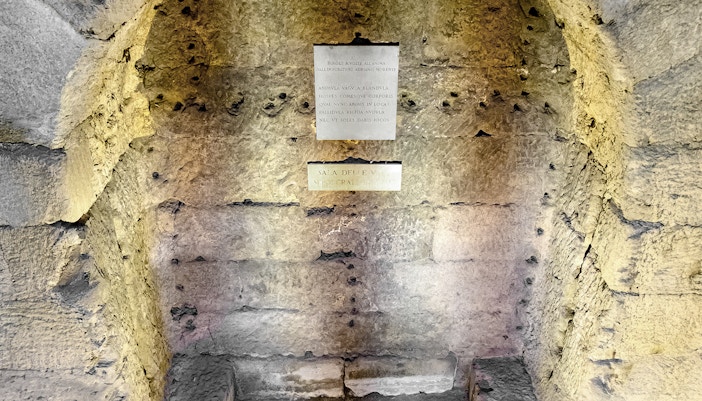
The original funerary urns of emperor Hadrian, his wife, and other Roman emperors are lost. Over the centuries, especially during the Visigothic sack of Rome in AD 410 and later as the structure was converted into a military fortress, the tomb was looted and desecrated. Most of the ashes and urns were either destroyed or scattered, and none are known to have survived in their original place.
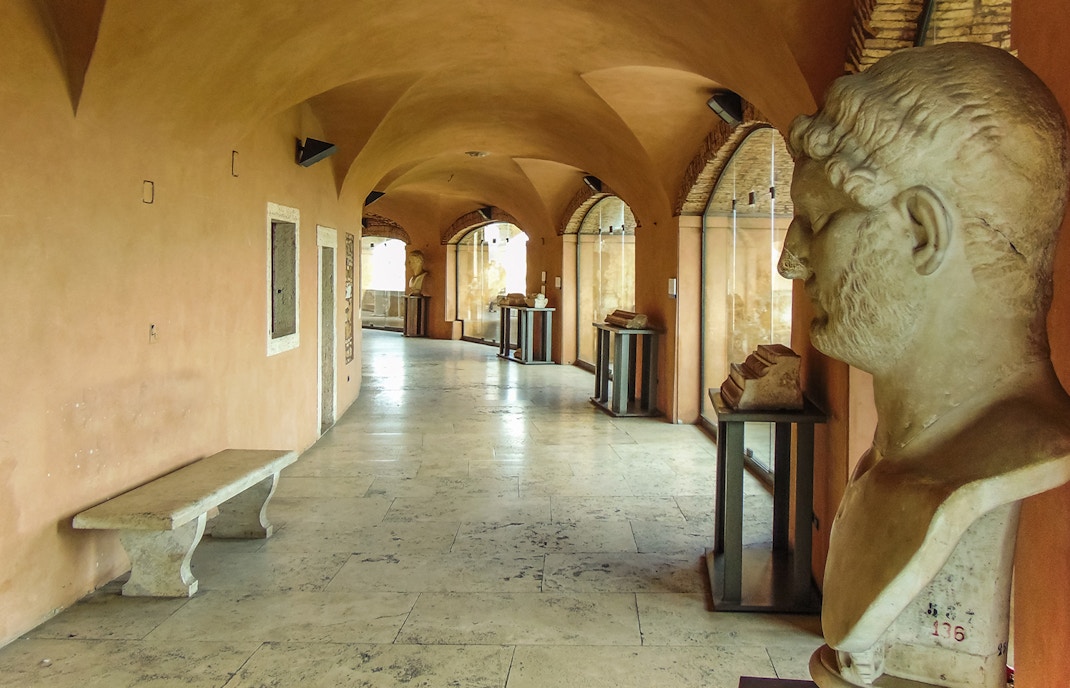
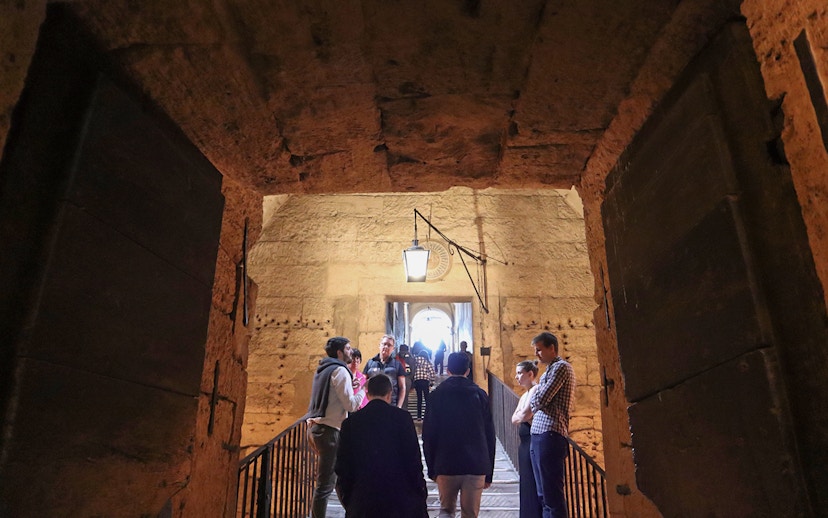
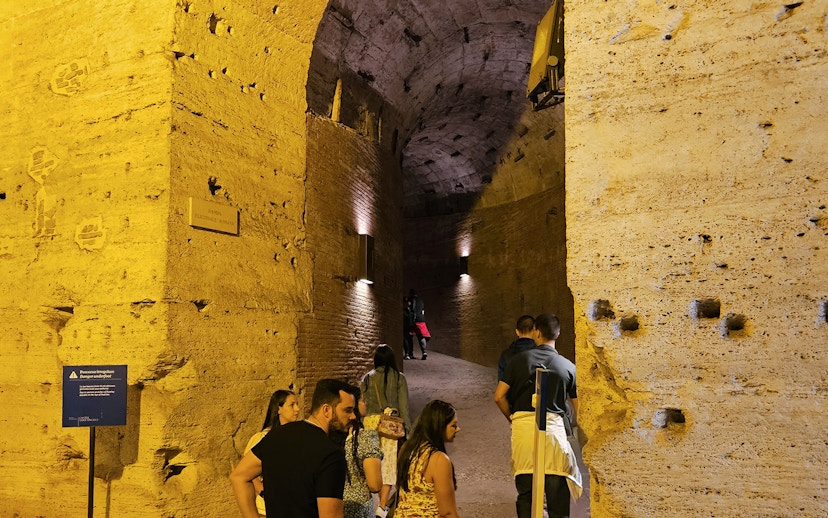
Today, no one is buried at Castel Sant’Angelo, but visitors can still explore the Hall of Urns, a solemn and evocative space that once housed the imperial ashes. Though the urns themselves are gone, the hall serves as a powerful reminder of the building’s original role as a mausoleum and offers a rare glimpse into the grandeur of ancient Roman funerary traditions
The Mausoleum of Hadrian went through several reformations over the years. It was coined the name ‘Castel Sant’Angelo’ after several changes and renovations by the succeeding emperors.


Tuesday to Sunday 9.00 AM to 7.30 PM
Closed on: Monday, January 1, May 1, and December 25

Address: Lungotevere Castello, 50, 00193 Roma RM, Italy
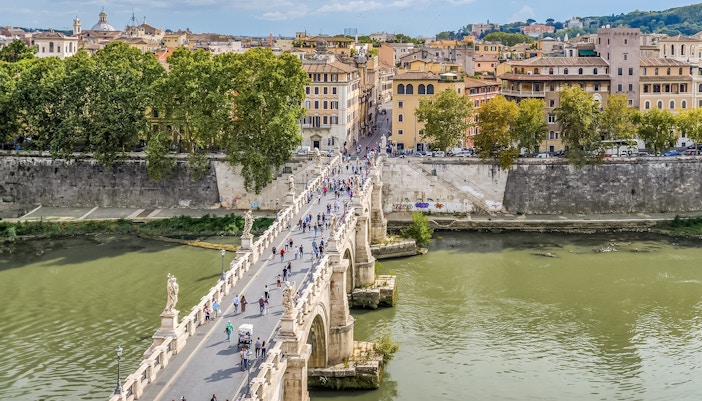
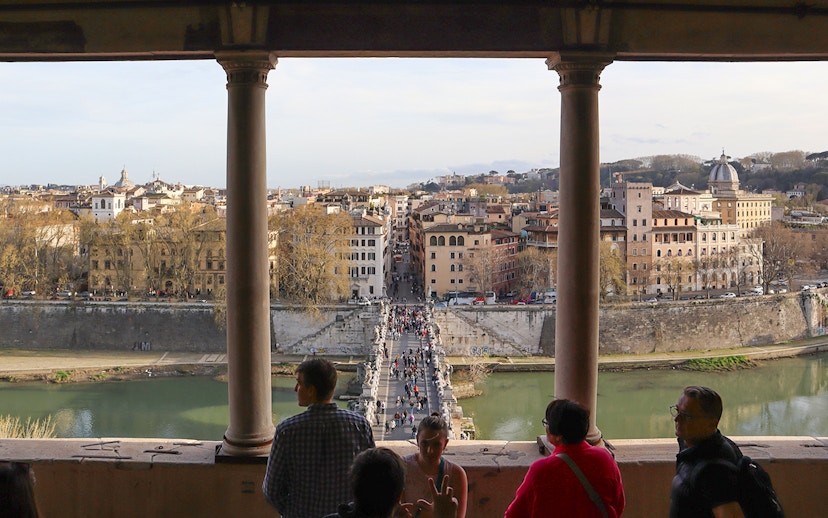
The castle is a 10-minute walk from Piazza Navona and a 5-minute walk from Piazza San Pietro.
The ashes of emperor of Hadrian, his wife Sabina and his first adopted son, Lucius Aelius, as well as several successors until Caracalla were buried in the Mausoleum of Hadrian until they were plundered and destroyed.
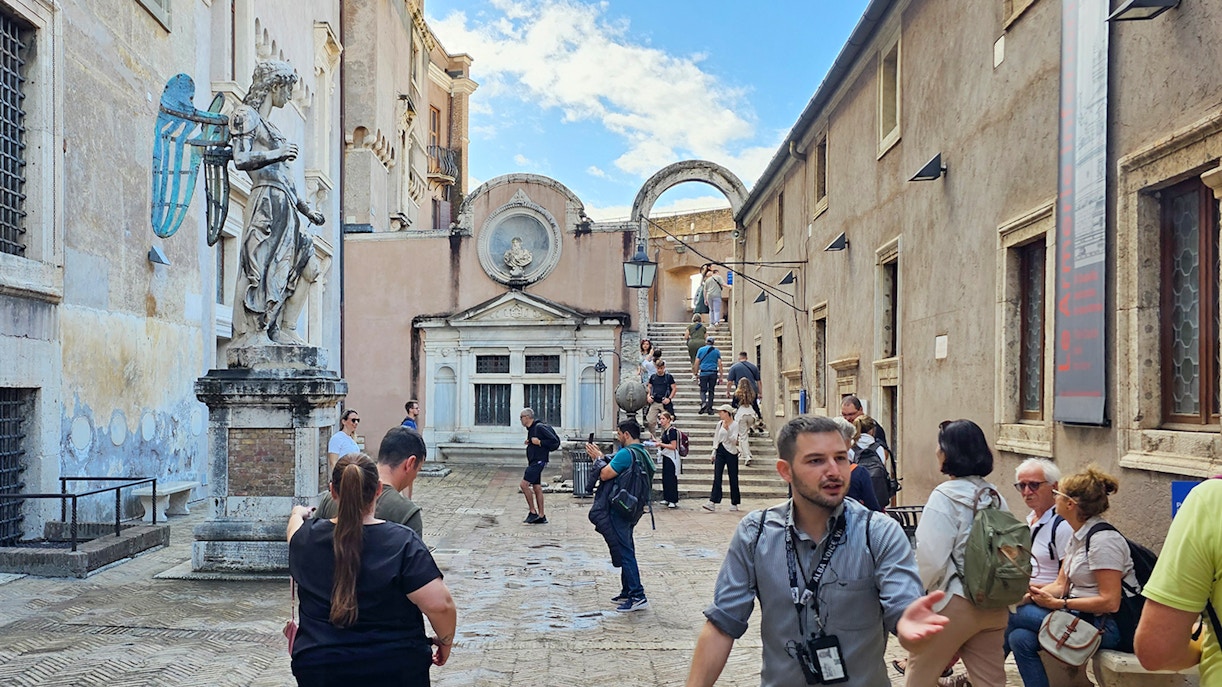
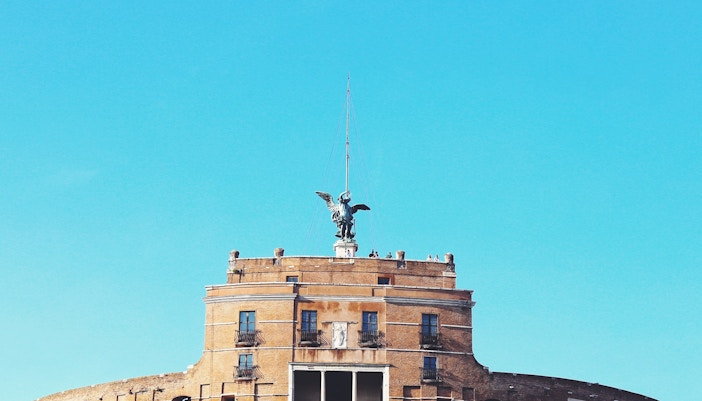
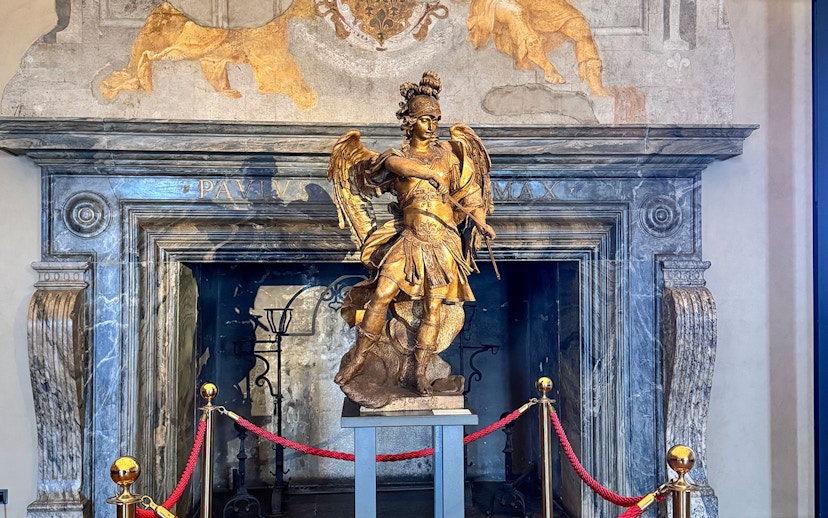
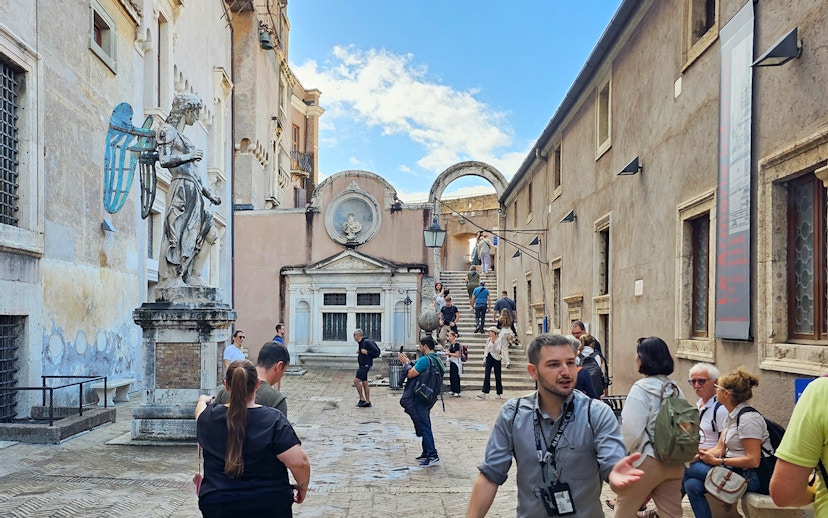
In 590 AD, during a devastating plague, Pope Gregory I reportedly saw a vision of Archangel Michael atop the mausoleum, sheathing his sword as a sign of the plague's end. Following this, a statue of the angel was erected, and the mausoleum was renamed Castel Sant'Angelo.
Yes, visitors can explore the structure, now known as Castel Sant'Angelo, which retains much of its original architecture, including the central tomb chamber believed to be Hadrian's burial site.
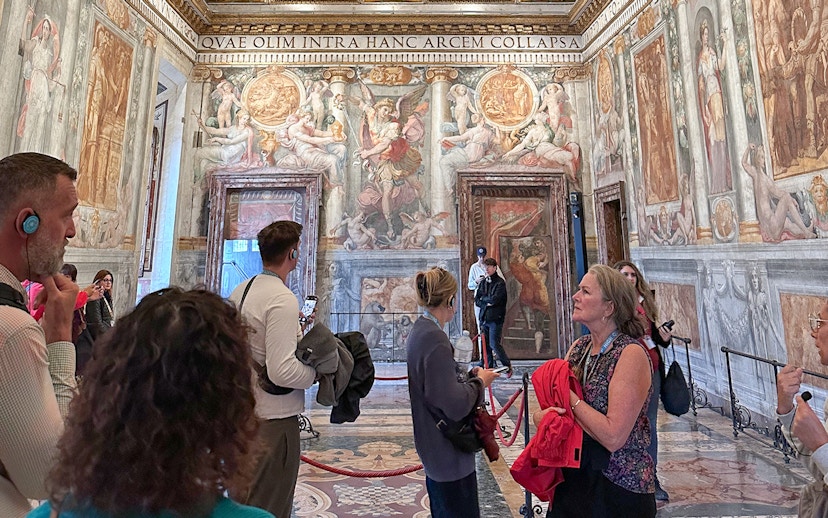
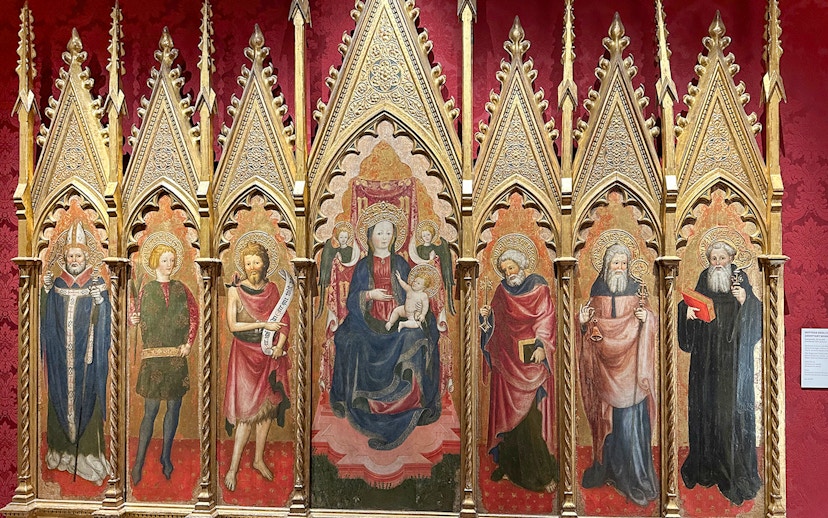
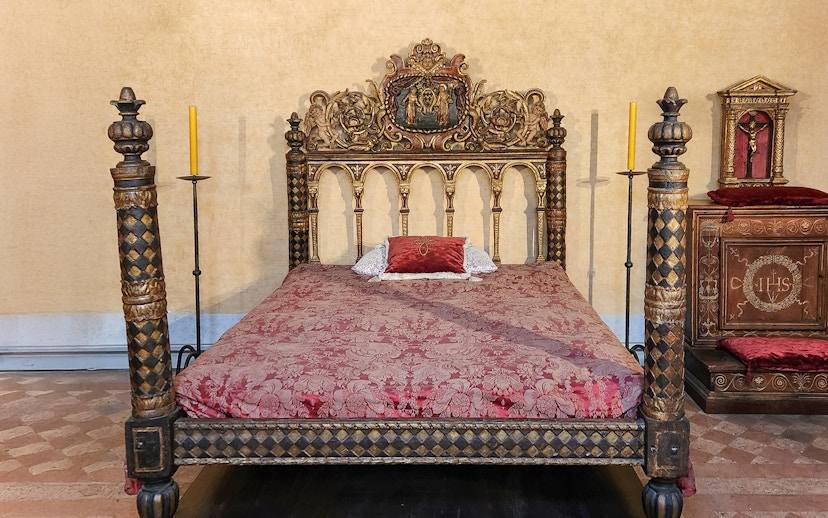
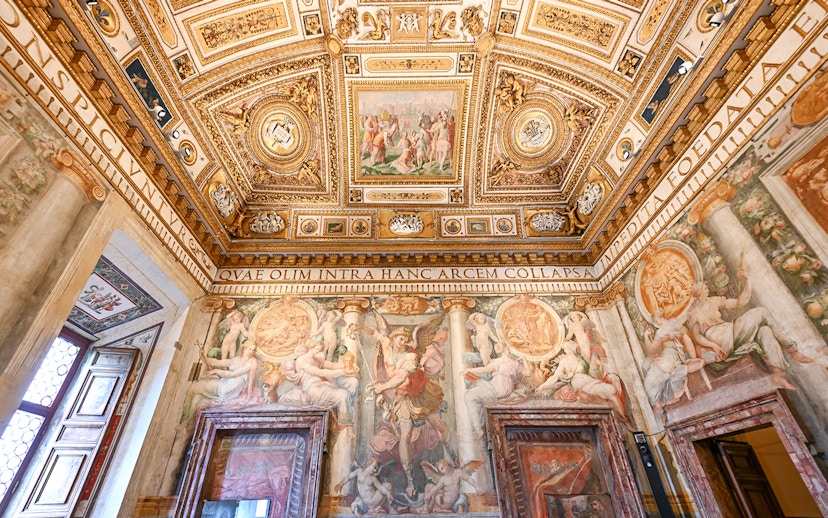
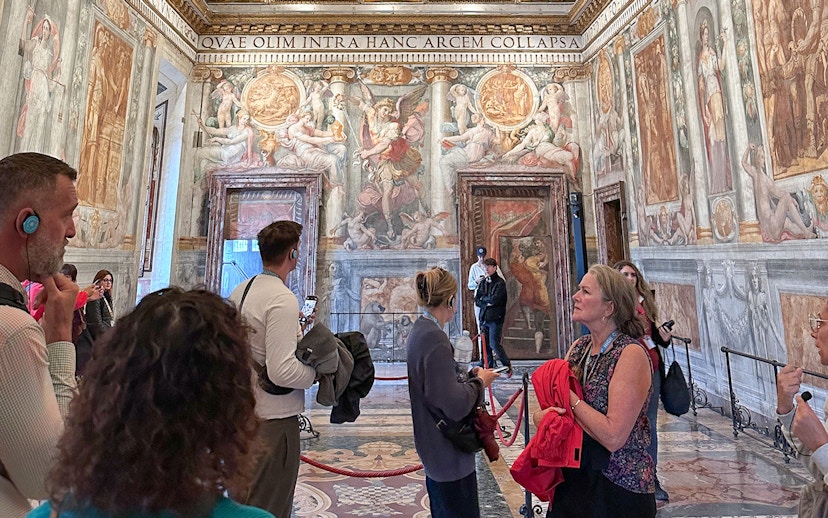
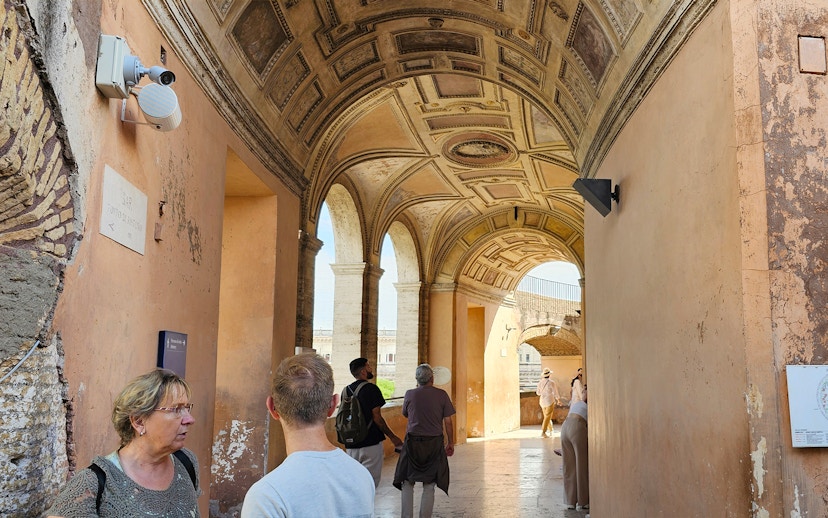
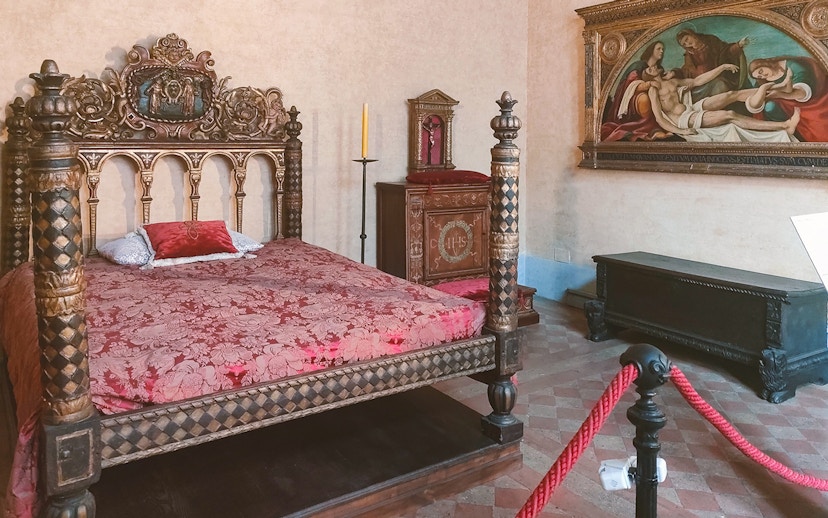
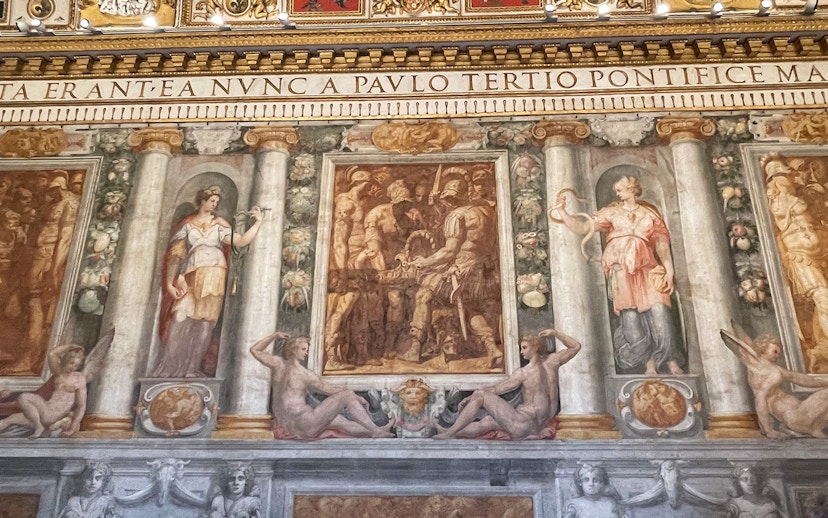
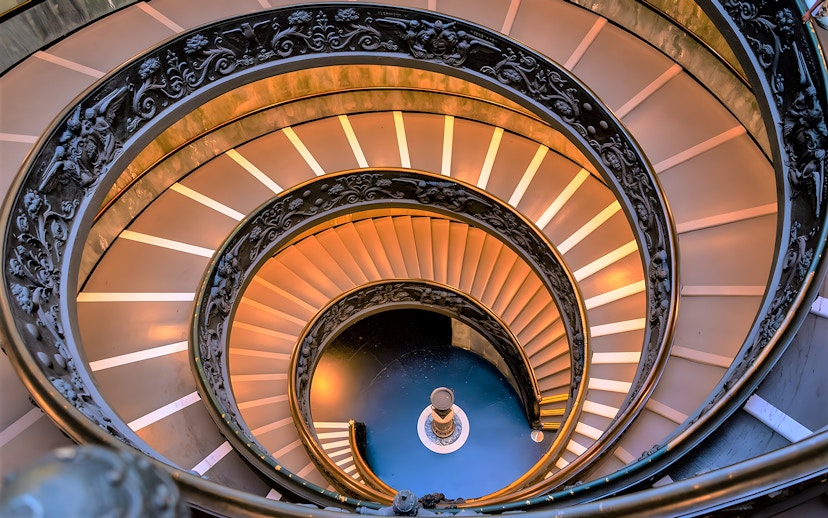
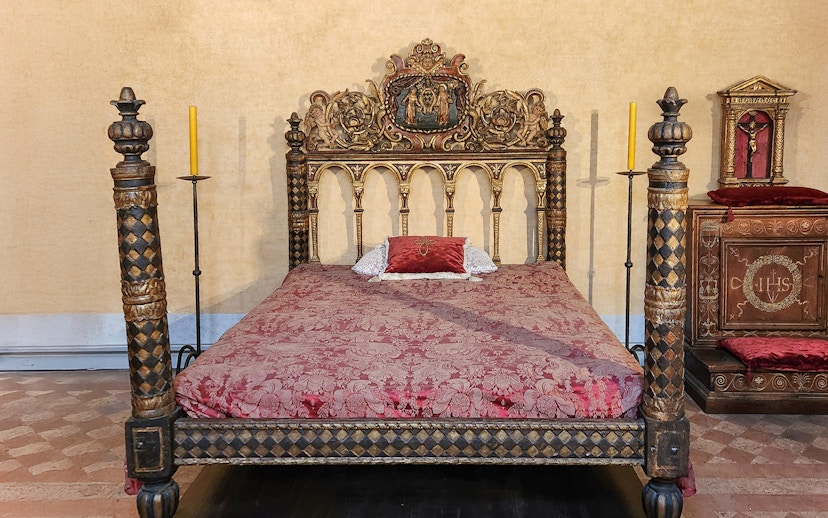
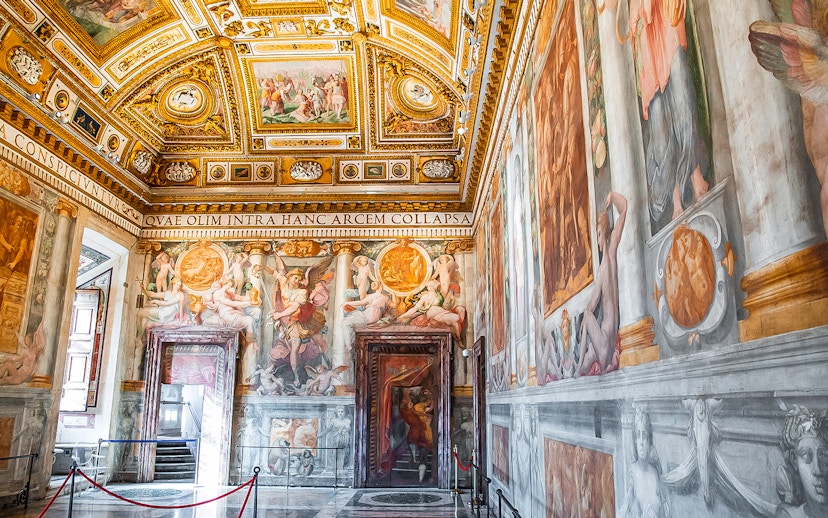
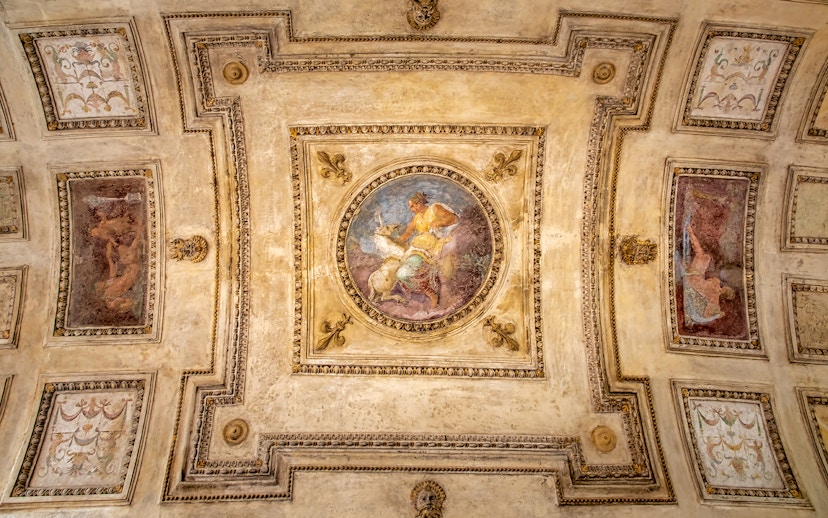
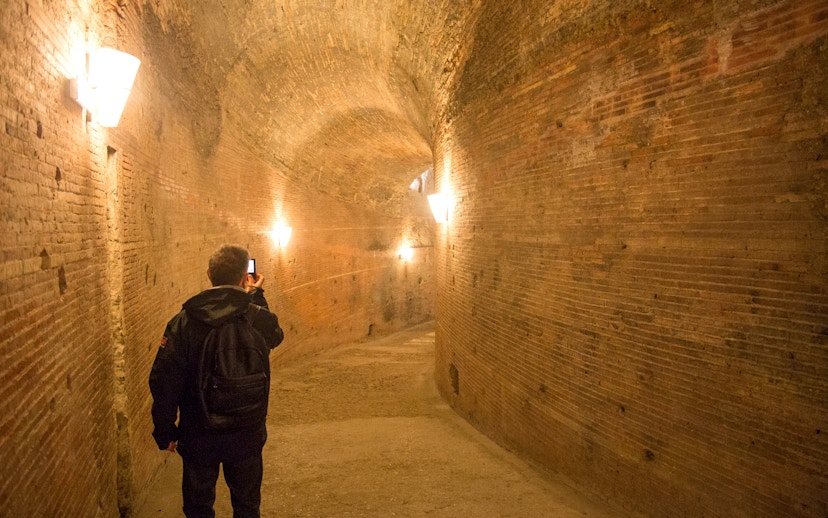
Inside, you'll find the Papal Apartments, the Treasury Room, ancient Roman artifacts, Renaissance frescoes, and the original burial chamber. The spiral ramp leading to the upper levels offers insight into Roman architectural ingenuity.
While efforts have been made to improve accessibility, some areas may still pose challenges due to the historic structure. Elevators are available to certain levels, and accessible restrooms are located on Level 0.
Non-flash photography is permitted for personal use. Tripods and professional equipment may require special permission.


Enter at your reserved time slot to explore the museum’s layered past at your own pace.
Inclusions #
Timed entry to Castel Sant’Angelo
Audio guide available in English, Spanish, Italian, German and Chinese (as per option selected)
Digital guidebook for self-guided visit (as per option selected)
Live guide (as per option selected)
Exclusions #
Live guide
Printed copy of the guidebook


Explore 1900 years of evolution and history of the mausoleum-turned-museum with a licensed expert.
Inclusions #
Guided tour of Caste Sant'Angelo with fast-track entry
English or Italian speaking guide
Express tour of 1 hour (as per option selected)
Group of 20
Headsets, if needed


Bypass queues with smooth entry assistance, then explore this 2,000-year-old monument enriched by insights from an audio guide.
Inclusions #
Host-assisted, priority entry to Castel Sant'Angelo
A multilingual audio guide available in Italian, English, Spanish, French, German, and Chinese
Exclusions #


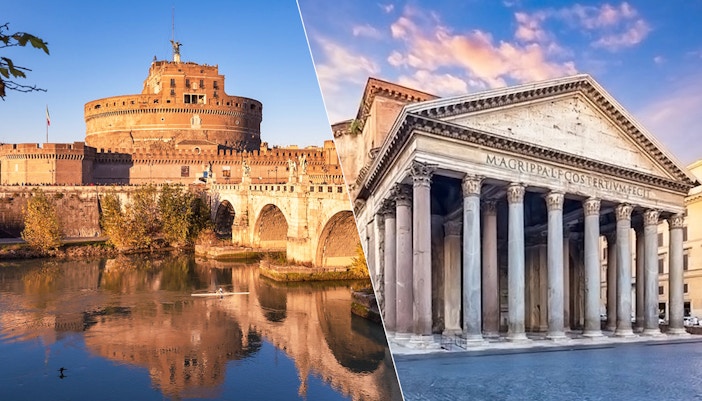
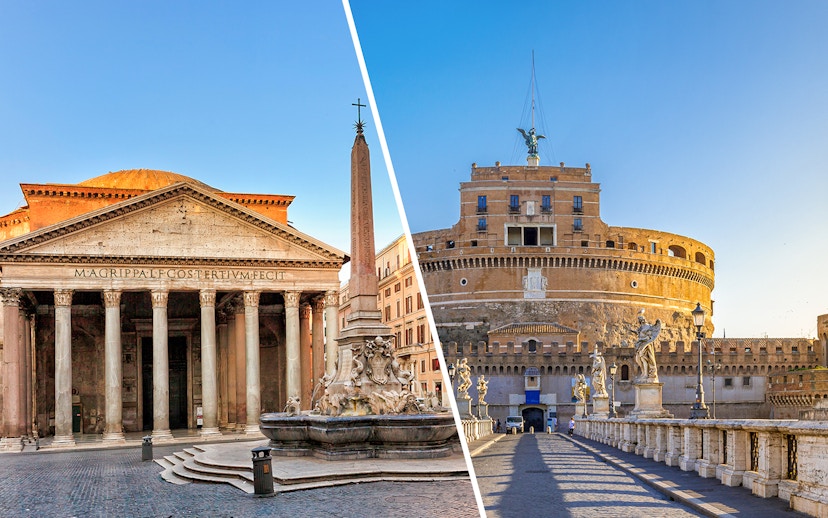
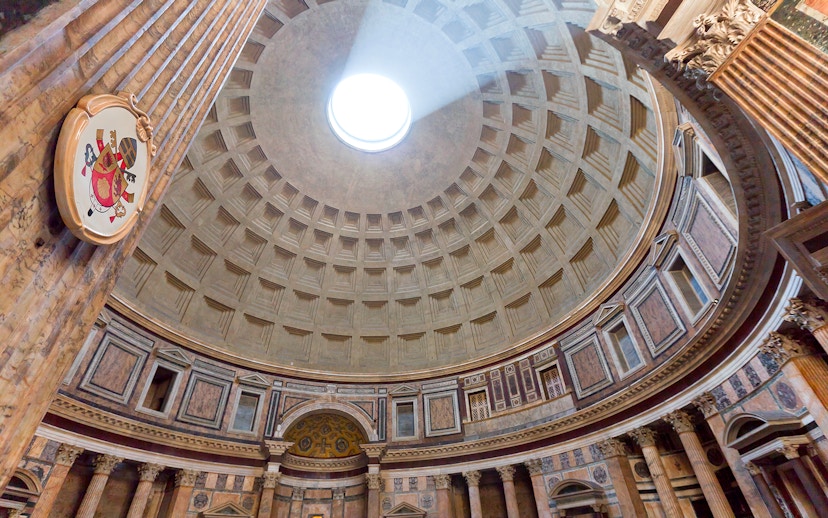
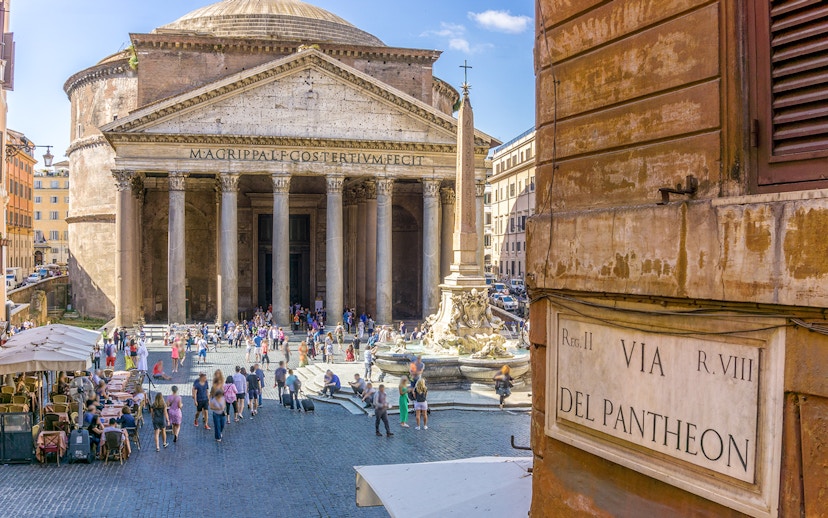
Skip the lines at two of Rome’s top attractions, its grandest temple and a mighty riverside fortress.
Inclusions #
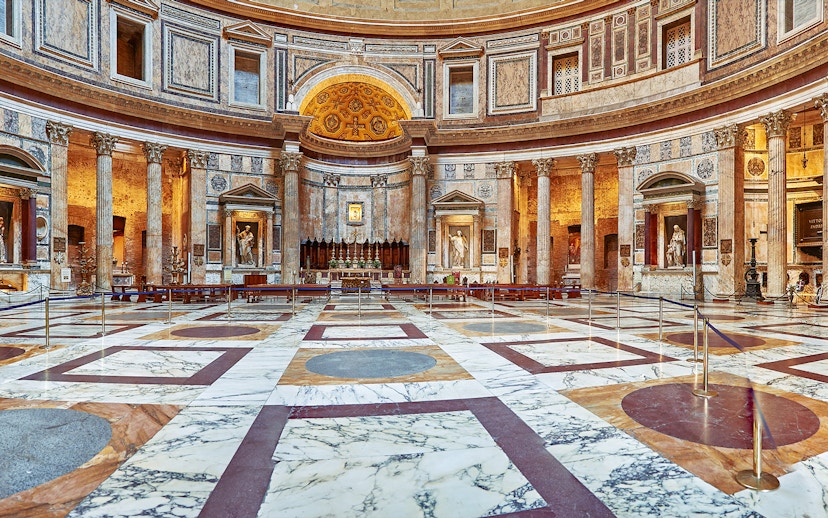
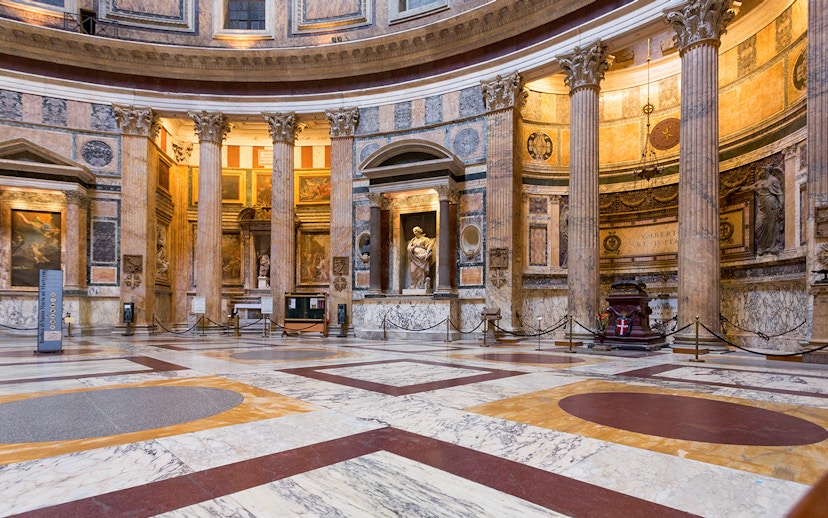
Rome Pantheon
Fast-track entry to Pantheon
Audio guide in English, Spanish, German, Italian, and French (as per option selected)
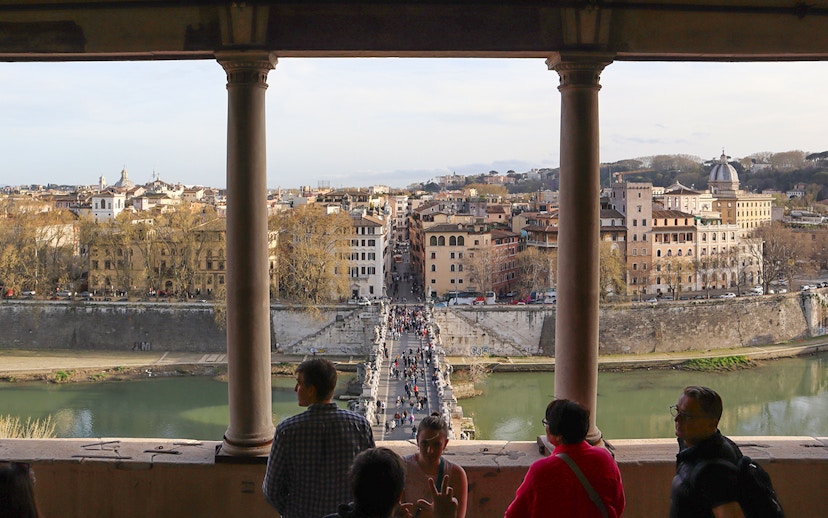
Castel Sant'Angelo
Fast-track entry
Audio guide in English, Spanish, German, Italian, and French (as per option selected)
Exclusions #
Rome Pantheon What to bring
What’s not allowed
Accessibility
Additional information
Castel Sant'Angelo What's not allowed
Accessibility
Additional information


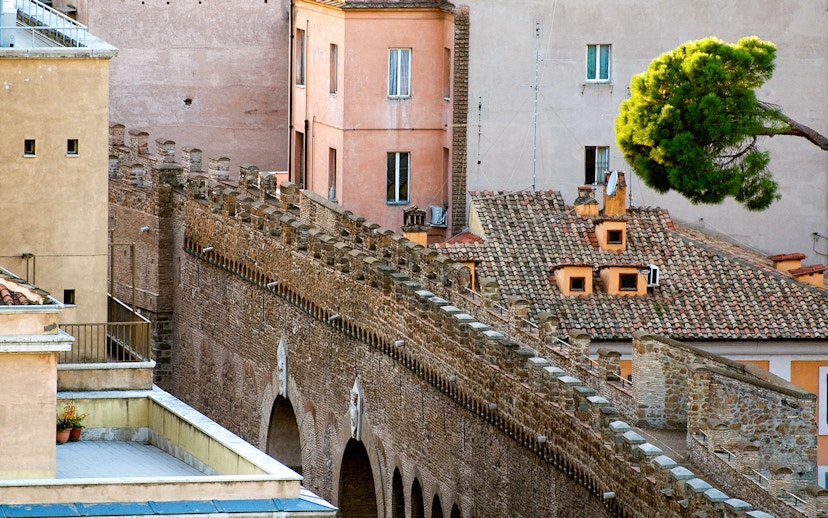
Step into a centuries-old escape route once used by popes, then head straight into the fortress with no queues.
Inclusions #
Timed entry to Passetto di Borgo
Fast-track entry to Castel Sant’Angelo
Expert guide to Passetto di Borgo (as per option selected)
English or Spanish speaking guide (as per option selected)