Castel St. Angelo

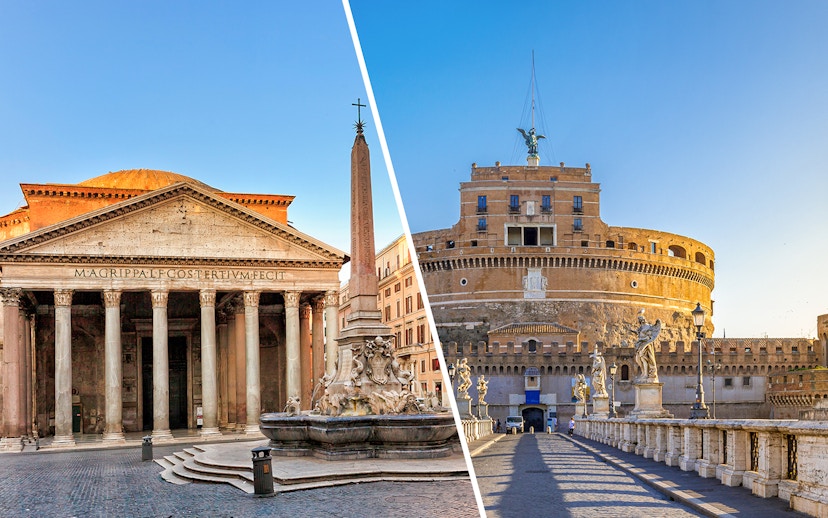
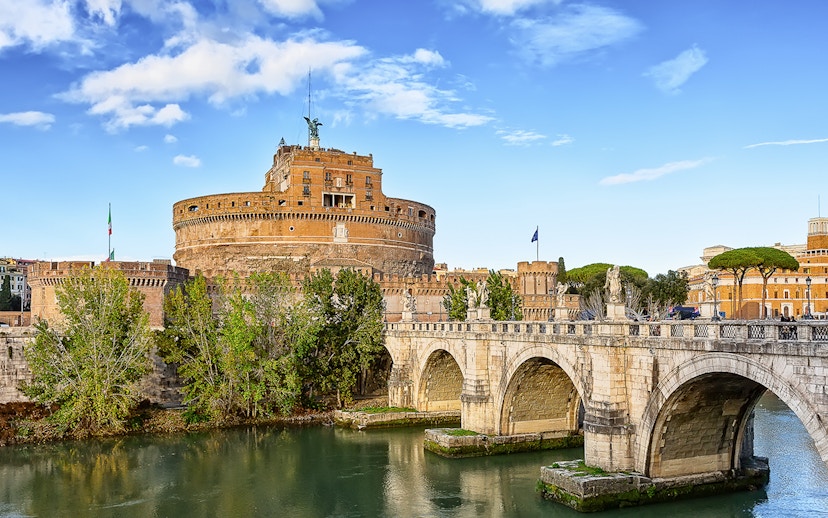
Ponte Sant'Angelo: The Bridge to Castel Sant'Angelo

Included with Castel St. Angelo tickets

Timings

RECOMMENDED DURATION

2 hours
Ponte Sant'Angelo

Where angels walk: The timeless path of Ponte Sant’Angelo

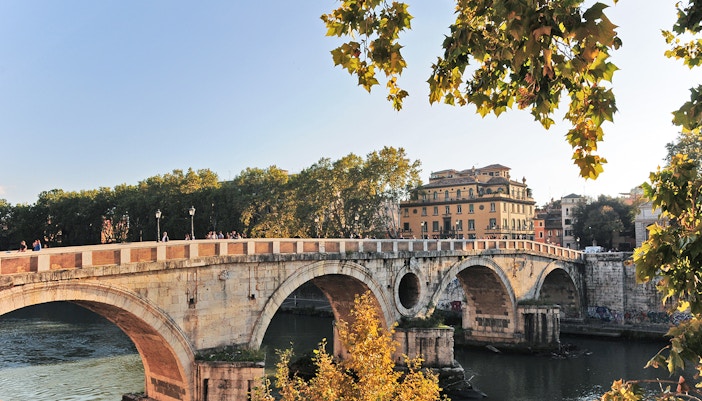
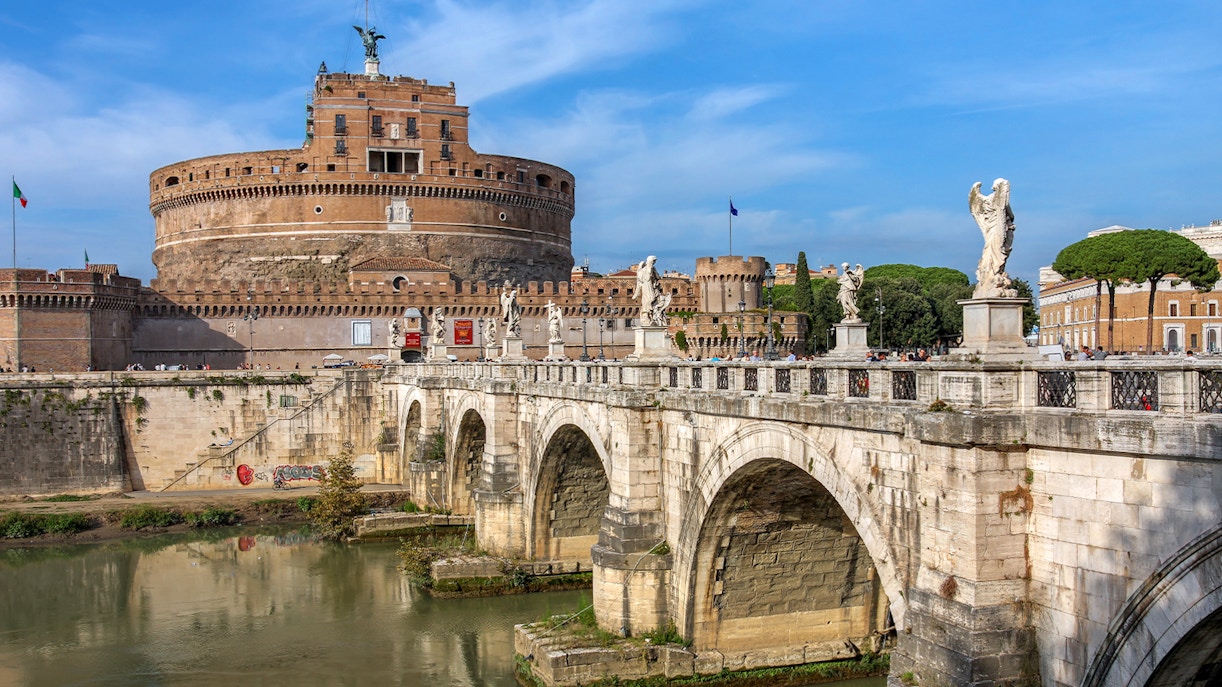
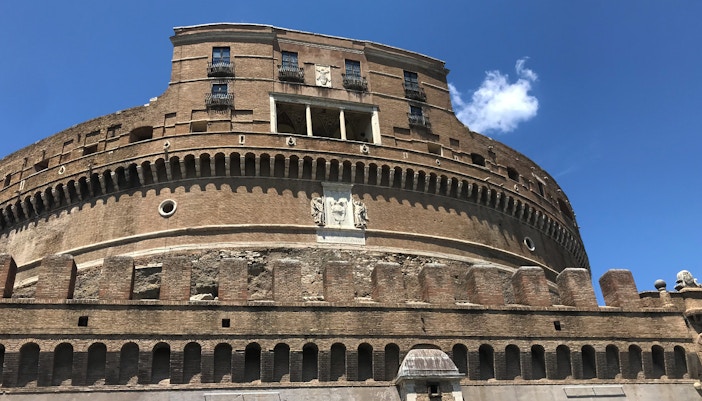
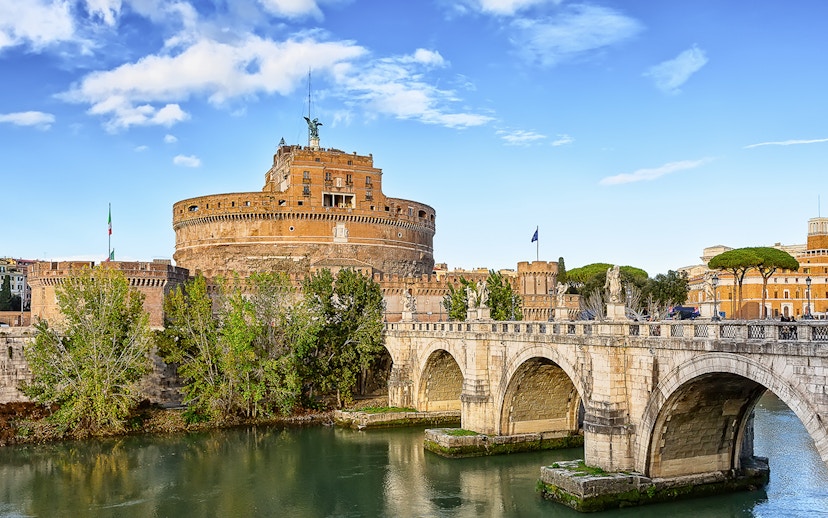
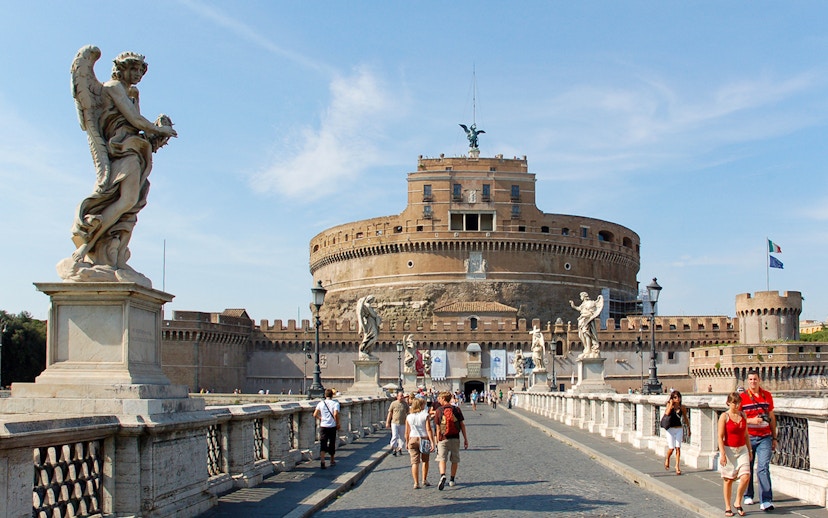
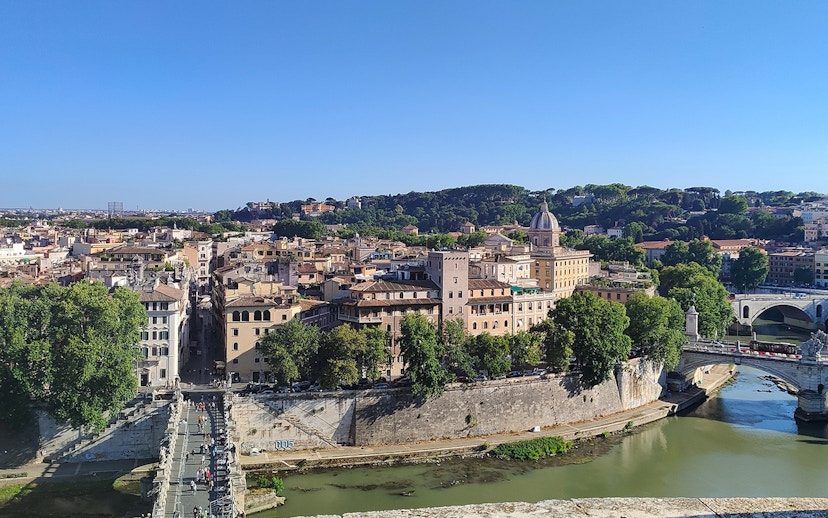
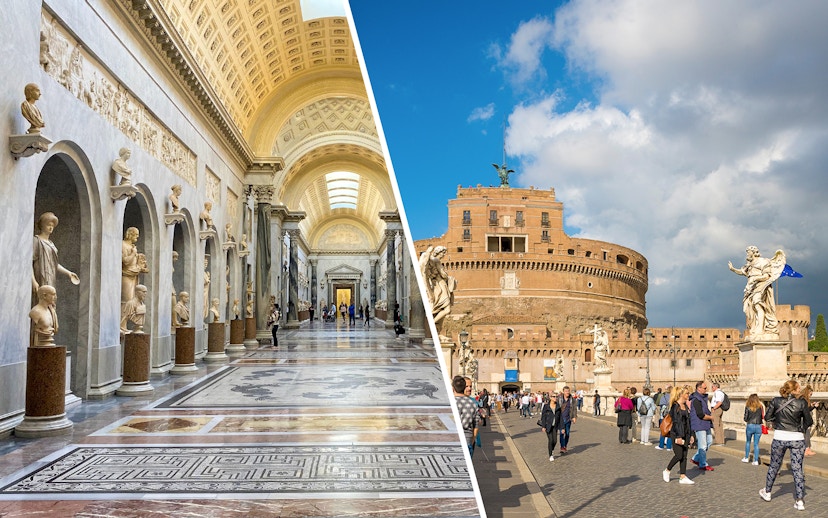
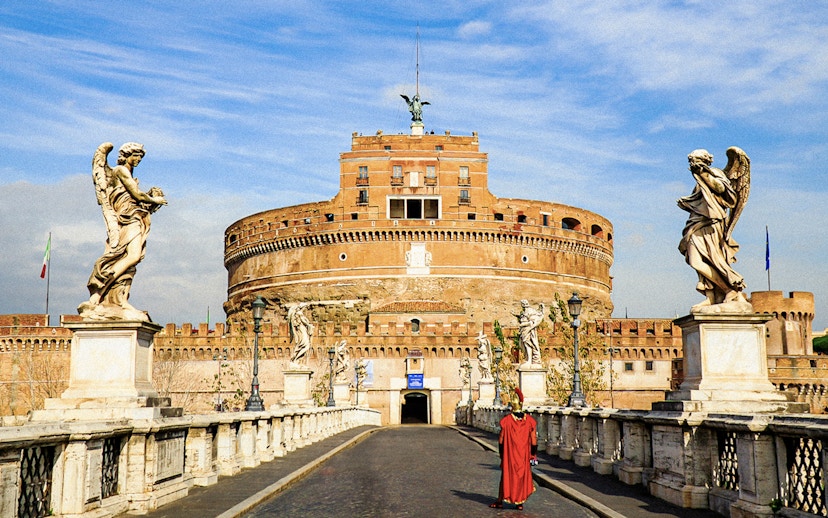
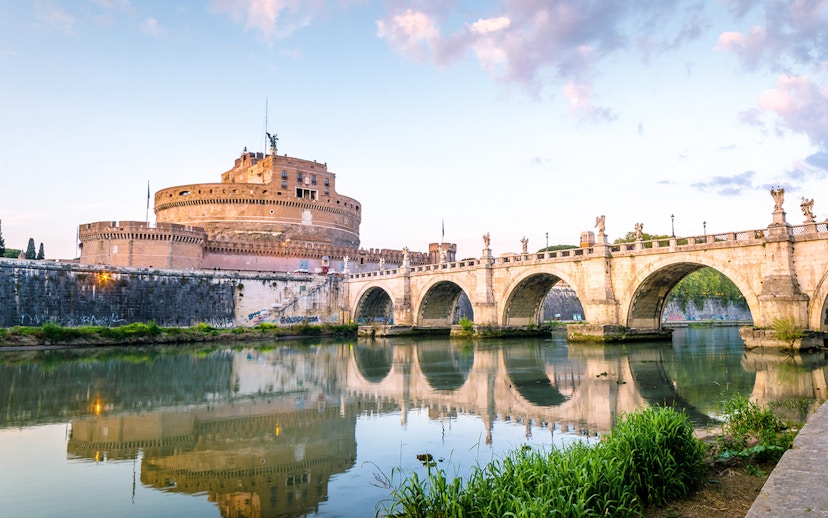
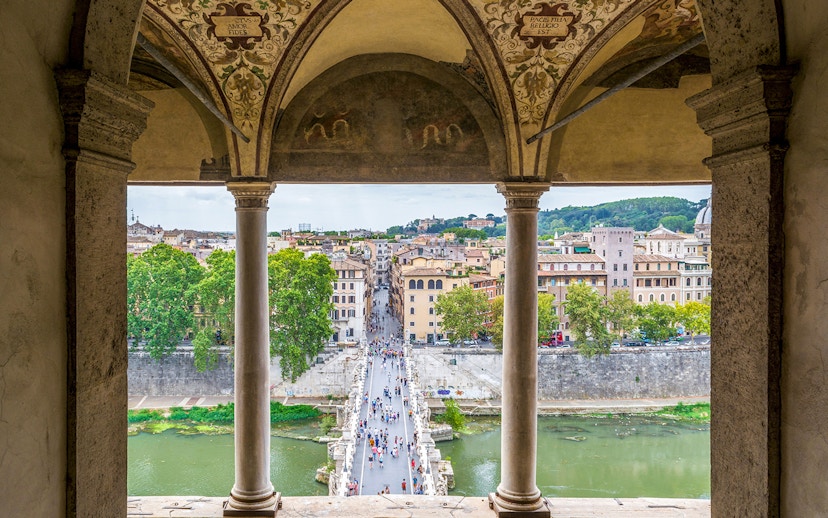
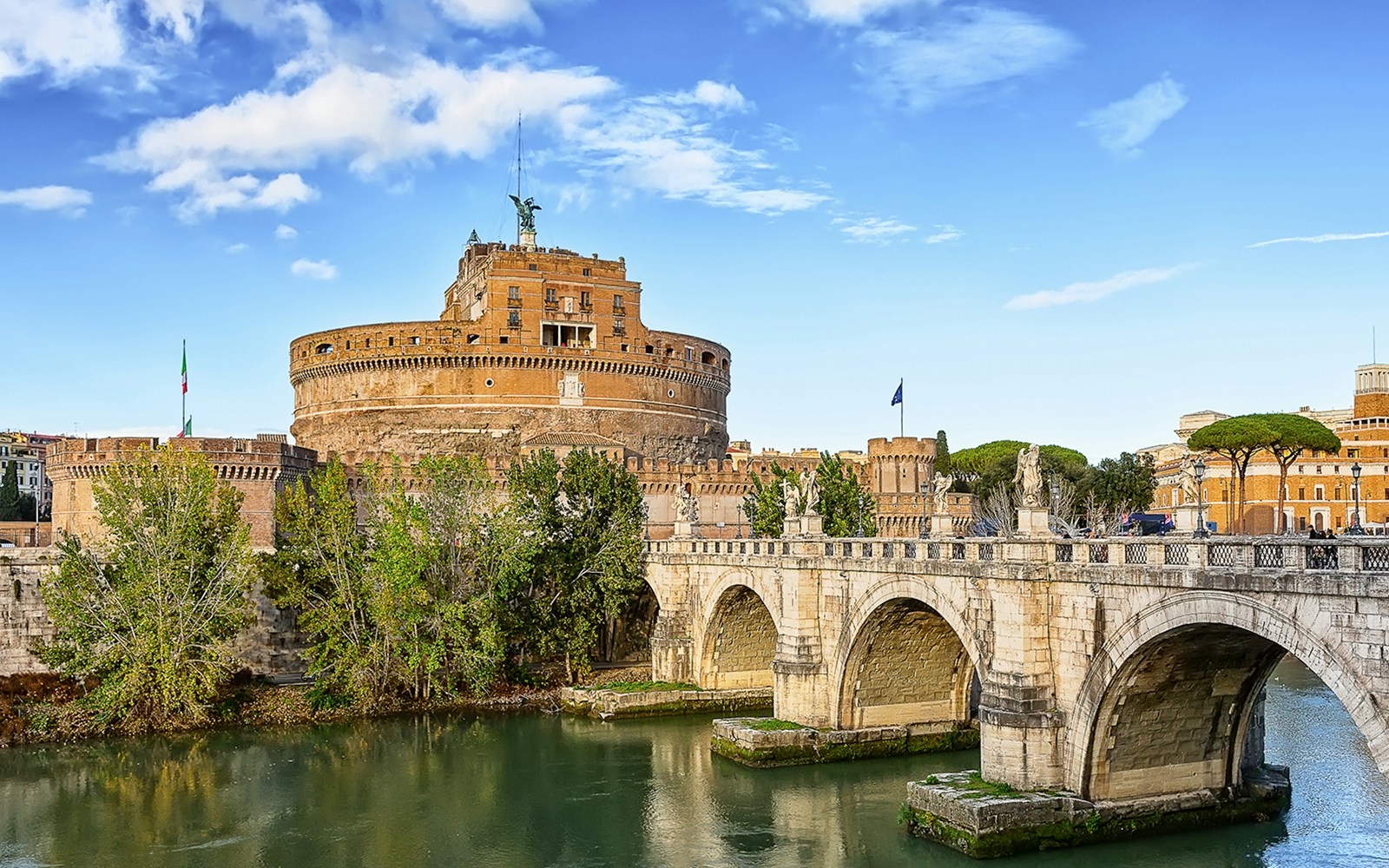
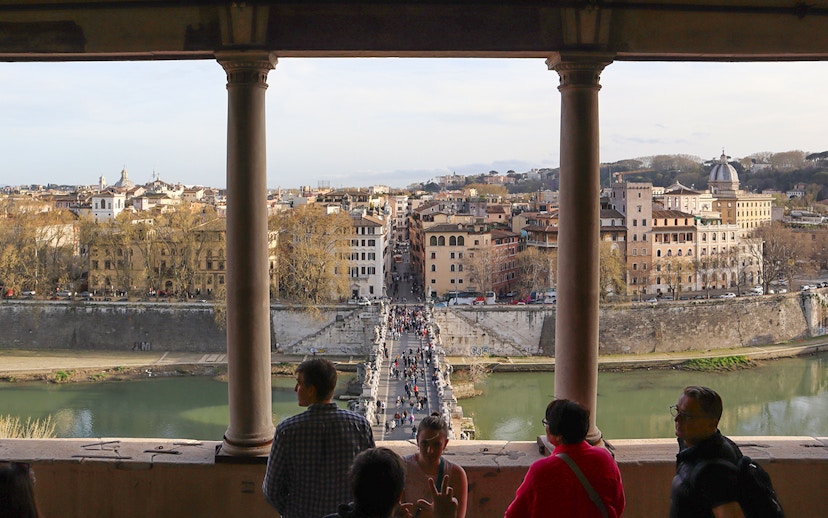
Spanning the Tiber River in the heart of Rome, the Ponte Sant’Angelo is a striking pedestrian bridge that connects the city center to the majestic Castel Sant’Angelo. Commissioned by Emperor Hadrian in 134 AD to provide a grand approach to his mausoleum, the bridge has stood for nearly two millennia, witnessing Rome’s evolution through emperors, popes, and centuries of change. Its original name, Pons Aelius, reflects its ancient Roman origins.

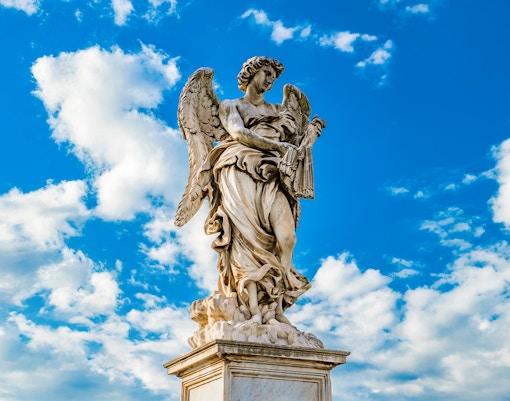
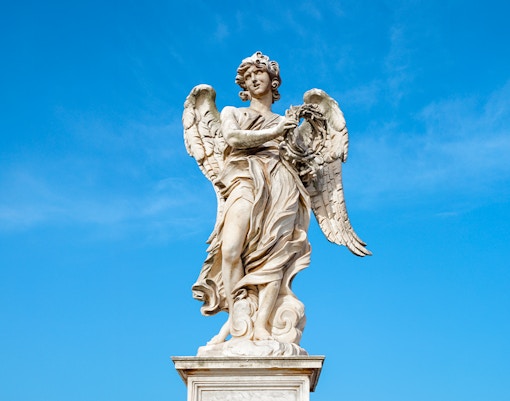
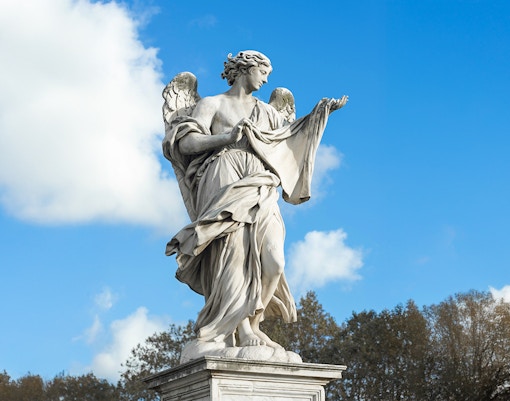
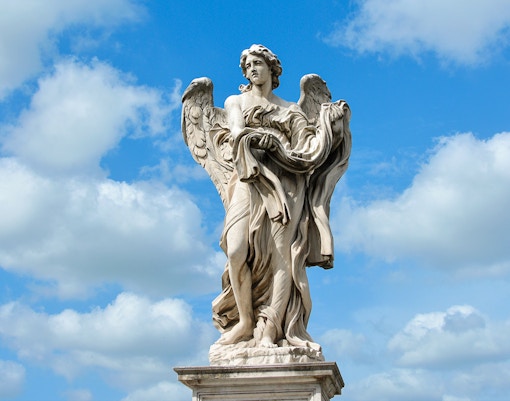
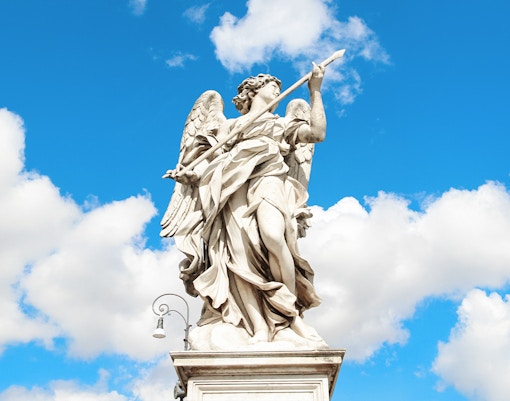
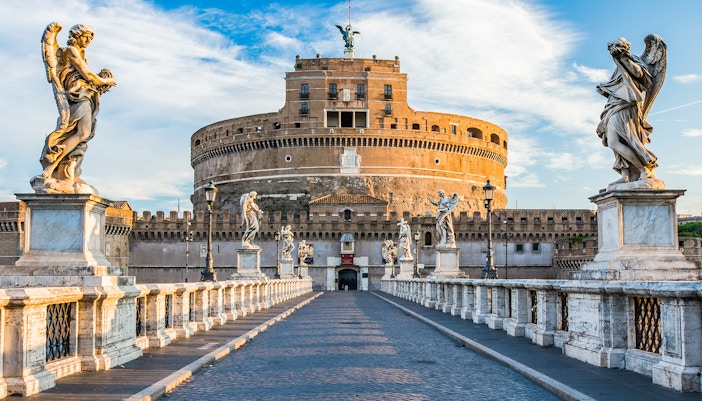
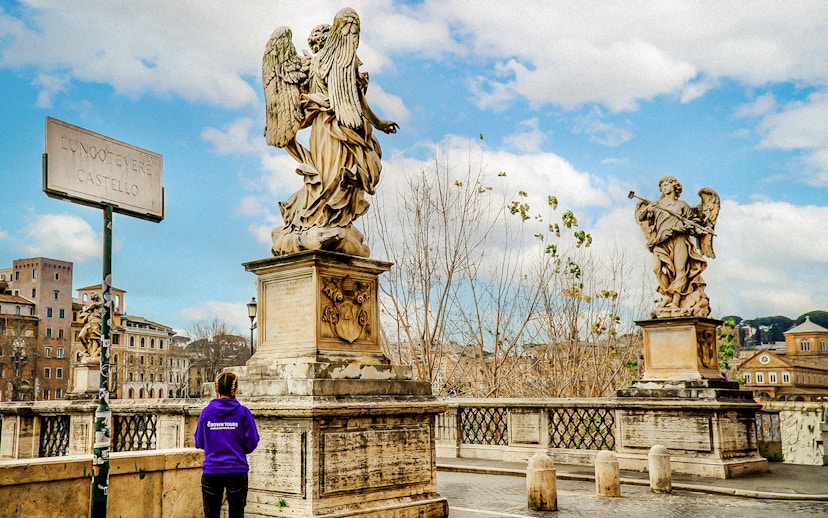
Today, Ponte Sant’Angelo is both a functional crossing and a beloved open-air museum. Adorned with ten magnificent angel statues designed by Gian Lorenzo Bernini and his pupils, the bridge draws visitors for its artistic beauty and romantic views. It remains one of Rome’s most photographed and atmospheric walkways.

Did you know?

The ghost of Beatrice Cenci

Legend says the spirit of Beatrice Cenci, executed in 1599, still haunts the bridge on the anniversary of her death.

Bridge of the Inferno

The great poet, Dante Alighieri, crossed Ponte Sant’Angelo during the first Holy Jubilee in 1300 and later referenced the flow of pilgrims—and sinners—in his Inferno.

A grim display in ancient times

In medieval Rome, the bridge served as a chilling site where bodies of executed criminals were displayed as warnings.

How to access Ponte Sant’Angelo?

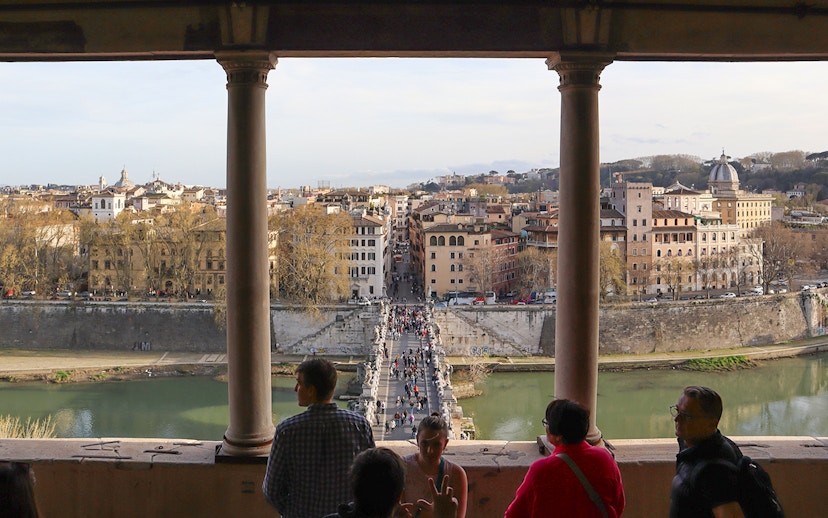
Ponte Sant’Angelo is a pedestrian-only bridge with free access, open to all at any time. It’s an easy and scenic walk from the city center to Castel Sant’Angelo. Take your time crossing the bridge—pause to admire the ten angel statues, each holding a symbol of the Passion, and read the Latin engravings that give the bridge its timeless character. It’s more than just a route—it’s a quiet, open-air gallery in the heart of Rome.

Ponte Sant'Angelo over the years

Ancient history

Built around 1,900 years ago, the bridge was designed to provide direct access to Castel Sant'Angelo, linking the city to the emperor's grand monument. After Nero’s Bridge was destroyed, it became the main route to St. Peter’s Basilica, earning the nickname "Bridge of St. Peter."

Learn about Castel Sant'Angelo's history

Papal legacy

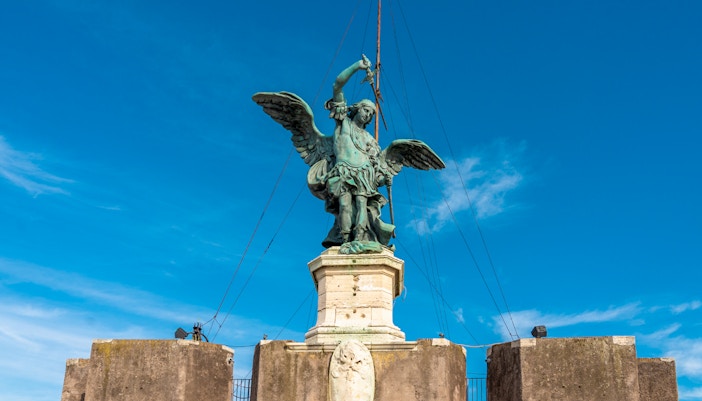
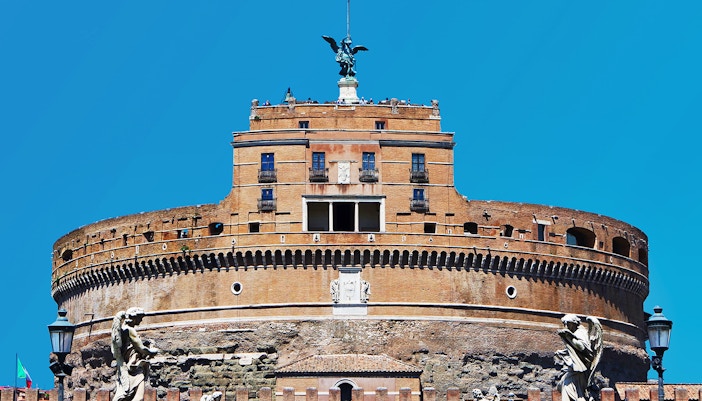
The bridge derives its current name after Pope Gregory I saw a vision of Archangel Michael on the roof of Castel Sant'Angelo, signaling the end of a plague that devastated Rome.

Restoration and changes

Originally adorned with statues of emperors and deities, the bridge underwent a major transformation in 1669 when Pope Clement IX commissioned Gian Lorenzo Bernini to replace the old stucco angels with the iconic marble statues that line the bridge today. These sculptures, created by Bernini and his pupils, each represent an angel holding symbols of the Passion of Christ.

Heaven in marble: The angels of Ponte Sant’Angelo

Pope Clement VII erected a toll on Ponte Sant'Angelo in the 16th century and used the proceeds to erect statues of St. Peter and St. Paul. The bridge was embellished in 1688 with ten angel statues, five on either side of the bridge, all sculpted by Lorenzo Bernini. Each angel carries an emblem of Jesus' death and suffering.

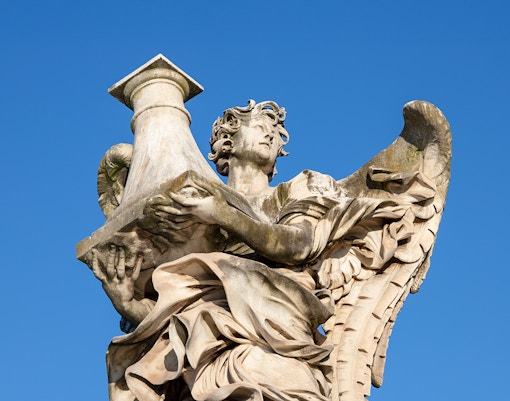
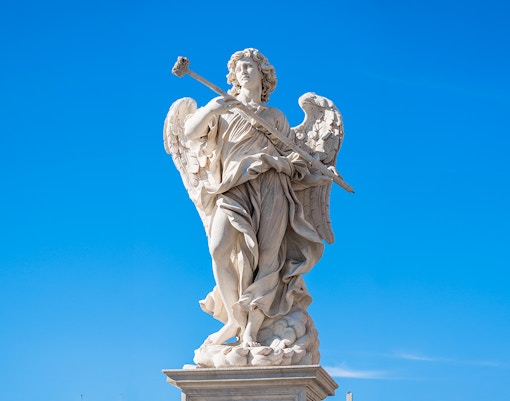
Angel carrying the column

  • This angel carries a column that represents the pillar to which Christ was chained while being whipped.
  • You can also see the inscription: “My throne is upon a column.”

Angel carrying the scourge

  • The second angel shows the angel holding the whip used by the Romans to torment Jesus while he was bound to the column.
  • Created by Lazzaro Morelli, the inscription on the sculpture reads, “I’m ready for the scourge.”

Angel carrying the crown of thorns

  • The crown, which was placed on Christ's head, appears on this sculpture.
  • It was sculpted by Pablo Naldini and completed by Bernini himself. The inscription reads, “The thorn is fastened upon me.”

Angel carrying the sudarium

  • The angel is seen displaying Veronica's Veil, left with the impression of Jesus' face after it was used to wipe the sweat and blood from his face as he carried the cross to his crucifixion.
  • The inscription reads, "Look upon the face of your Christ".

Angel carrying the garment and dice

  • Sculpted by Paolo Naldini, the statue represents the moment when Roman soldiers cast dice to determine who would receive Christ's seamless robe.
  • The inscription reads, “For my clothing, they cast lots.".

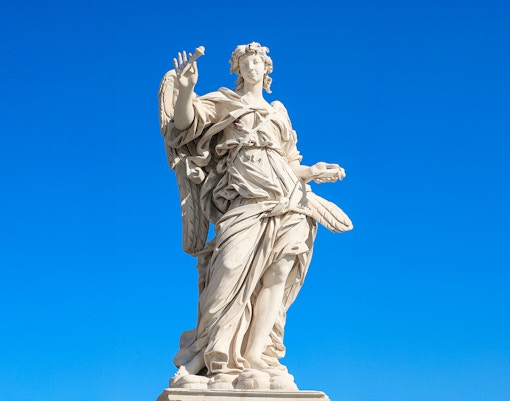
Angel carrying the nails

  • The nails used to stake Christ to the cross features in this sculpture. The angel's right hand extends to present a nail, while her left hand holds two more nails.
  • “They will look upon me whom they have pierced," reads the inscription.

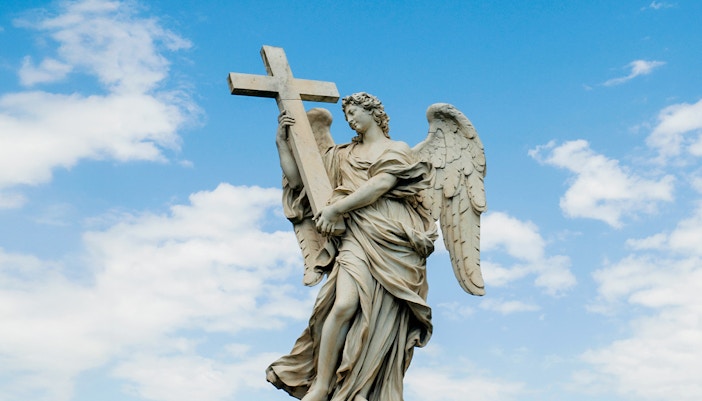
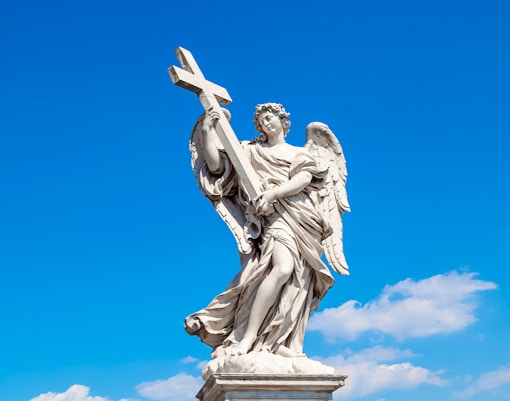
Angel carrying the cross

  • Sculpted by Ercole Ferrata, the inscription on this statue reads, “Dominion rests on his shoulders".
  • The cross represents the cross that Christ was forced to carry through Jerusalem before being crucified.

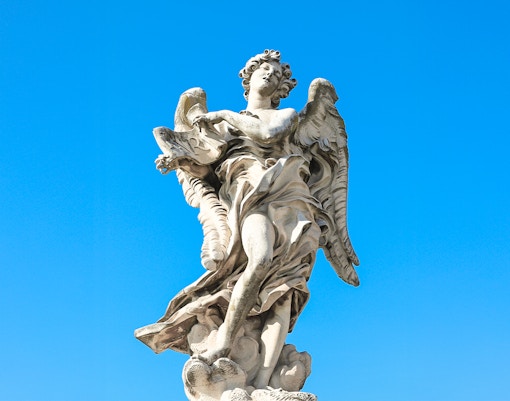
Angel carrying the superscription

  • The eighth angel, officially entrusted to Giulio Cartari is a replica of Bernini's work.
  • The angel's superscription reads INRI, which stands for "Jesus of Nazarene, King of the Jews" portrays the sign nailed to the cross over Jesus' head.

Angel carrying the sponge

  • According to the gospels of Matthew and Mark, one of the soldiers who crucified Jesus placed a sponge smeared in vinegar on a stick and pressed it to Jesus' lips right before he died.
  • The ninth angel, by Antonio Giorgetti, is shown observing the scene with deep sorrow. The inscription reads, “They gave me vinegar to drink.”

Angel carrying the lance

  • The lance represents the weapon that Roman soldiers used to pierce Jesus' side, piercing his chest and confirming his death before lowering him off the cross.
  • The tenth angel, sculpted by Domenico Guidi, shows the lance being held near to the angel's body. The inscription reads, “You have ravished my heart”.

The spiritual gatekeepers of Ponte Sant’Angelo: St. Peter and St. Paul

At the entrance of Ponte Sant’Angelo stand two significant statues—St. Peter and St. Paul—each offering symbolic protection to those crossing the bridge. St. Peter holds the keys to heaven, reflecting his role as the first pope and the keeper of the gates. Opposite him, St. Paul is depicted with a sword, a reference to his martyrdom and his fearless mission to spread the teachings of Christianity.

These figures are far more than artistic flourishes; they embody the spiritual foundation of the Church. Placed along a route once walked by countless pilgrims, their presence serves as a powerful reminder that divine justice is not blind—those who walk in humility and faith are protected, while the proud are called to account.

Plan your visit to Castel Sant'Angelo

Ponte Sant'Angelo Timings

Monday to Sunday: 9 AM  to 7:30 PM

Closed on January 1, May 1, and December 25

Best time to visit: During the summer, when the weather is warm would be the best time to visit Ponte Sant'Angelo. However, this is also the time that the number of tourists is very high in Rome. So if you want to take your time and explore the intricacies of the structure, the months of March and November would be a better time to visit.

Know more about Castel Sant'Angelo opening hours
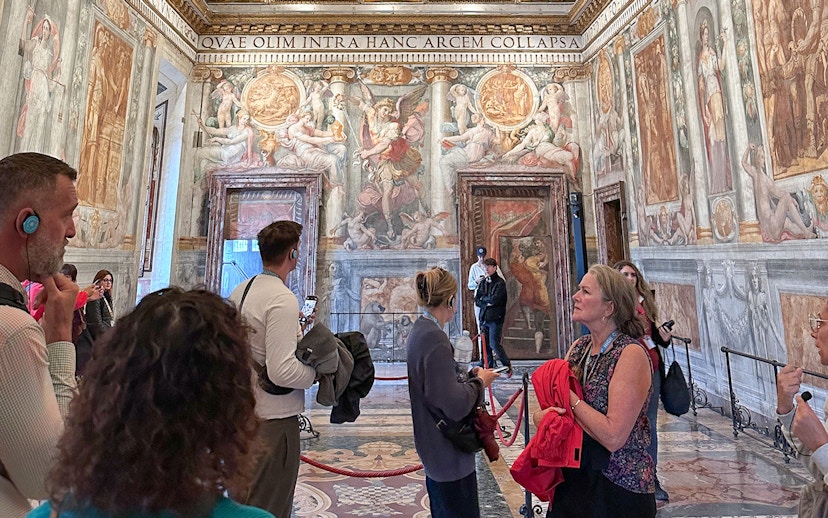
The Ponte Sant'Angelo is located across the river Tiber in front of Castel Sant'Angelo. You can get here by cab from any part of the city. You can also get here by taking bus number 280 and getting down at Lgt Tor Di Nona/Rondinella or Ponte Vittorio Emanuele.
Read more about getting to Castel Sant'Angelo

All your questions about Ponte Sant’Angelo answered

Ponte Sant'Angelo was built by Emperor Hadrian in 134 AD.

More Reads

About Castel Sant'Angelo

Book Now

Plan Your Visit to Castel Sant'Angelo

Book Now

Castel Sant'Angelo Tickets

Book Now