Quick Information

RECOMMENDED DURATION

3 hours

VISITORS PER YEAR

6000000

NUMBER OF ENTRANCES

5

EXPECTED WAIT TIME - STANDARD

1-2 hours (Peak), 30-60 mins (Off Peak)

EXPECTED WAIT TIME - SKIP THE LINE

30-60 mins (Peak), 0-30 mins (Off Peak)

UNESCO YEAR

1980

Plan your visit

Did you know?

The Colosseum once had a retractable roof called the ‘velarium’, made of linen and controlled by sailors.

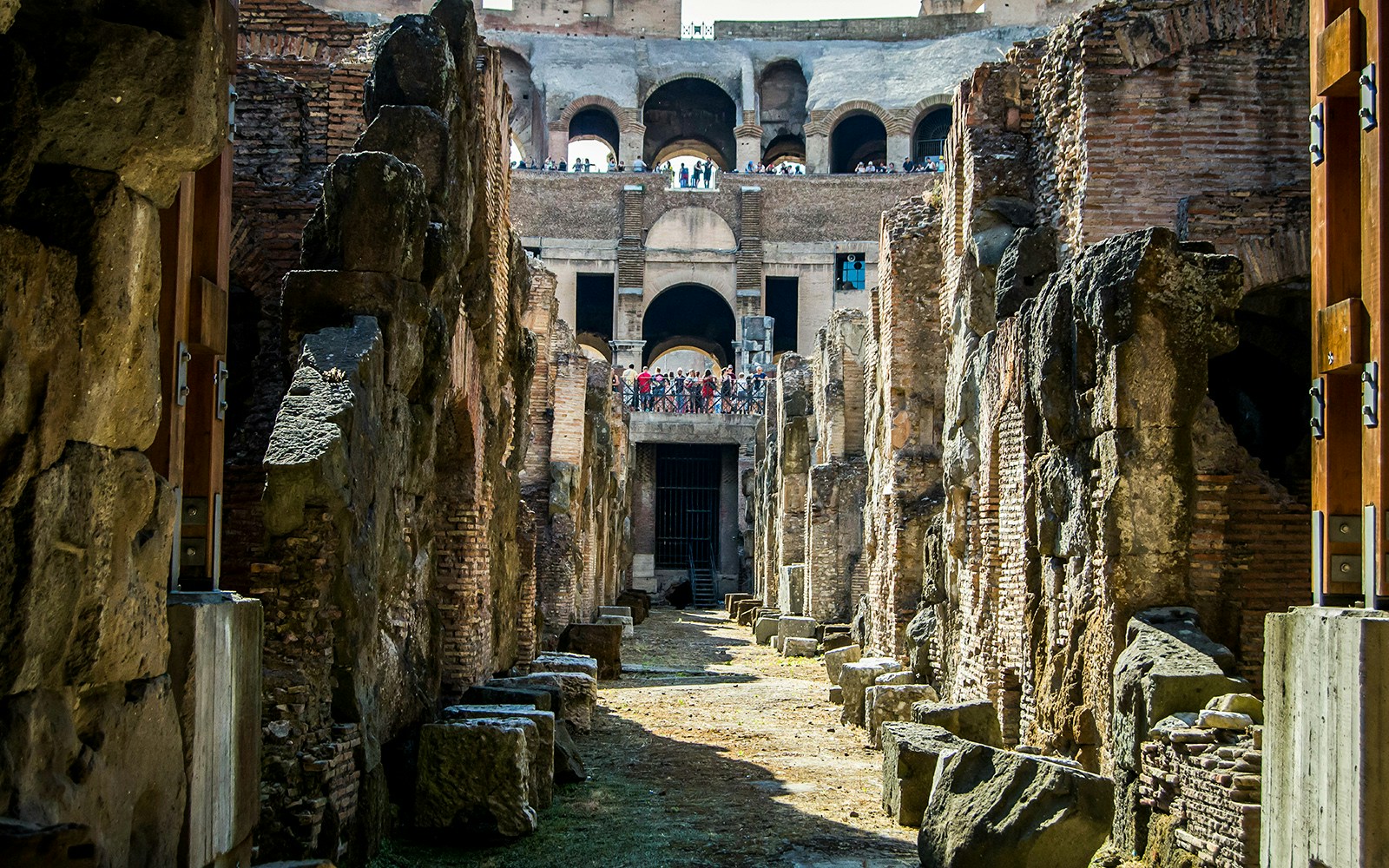
The Colosseum's underground tunnels, known as ‘hypogeum’, contained cages for gladiators and animals.

Emperor Vespasian financed the Colosseum's construction using the spoils from the Jewish Temple in Jerusalem.

Book your Colosseum tickets

Colosseum, Palatine Hill & Roman Forum Access

Book now, pay later
Flexible duration
Audio guide

Colosseum, Palatine Hill & Roman Forum with Exclusive Arena Floor Guided Tour

Free cancellation
Book now, pay later
2 hr. 30 min. - 3 hr.

Colosseum, Palatine Hill & Roman Forum Guided Tour

Book now, pay later
2 hr. - 3 hr.

Colosseum Underground & Arena Floor Guided Tour

1 hr. 15 min. - 3 hr.

Why Is the Colosseum a must-visit attraction in Rome?

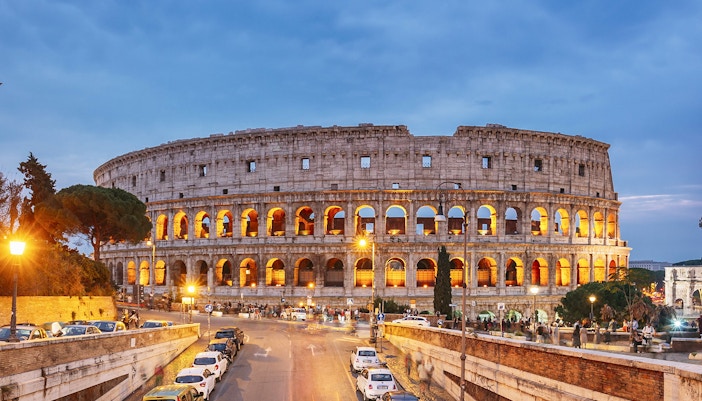
The Colosseum is a powerful symbol of Rome's enduring legacy, representing the might, genius, and ambition of the Roman Empire. If that doesn't convince you, here are some reasons why visiting the Colosseum should be at the top of your travel itinerary.

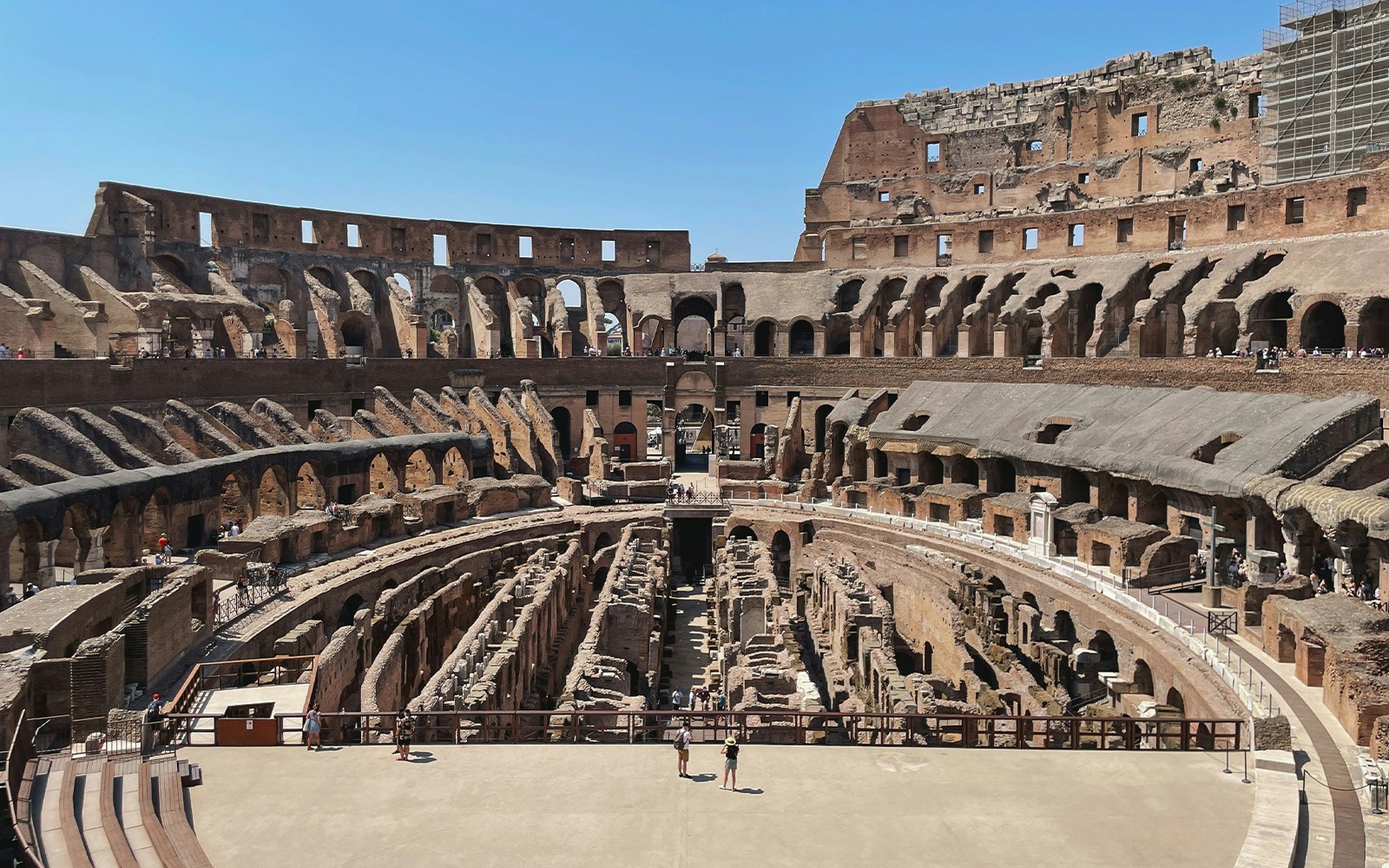
  • Live out your gladiator dreams: Step into the Arena floor, where gladiators once battled fiercely for glory. Imagine the roaring crowd and clashing swords and immerse yourself in the electrifying atmosphere of the Colosseum in its heyday.

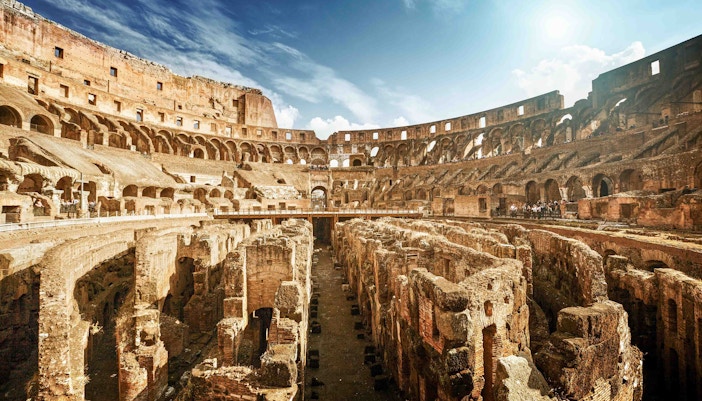
  • Experience the magic of the Colosseum: Explore the hypogeum, the backstage where gladiators and animals waited their turn to enter the arena and get a sense of the trepidation they experienced. Take a moment to appreciate the complexity and genius that went into creating the structure.

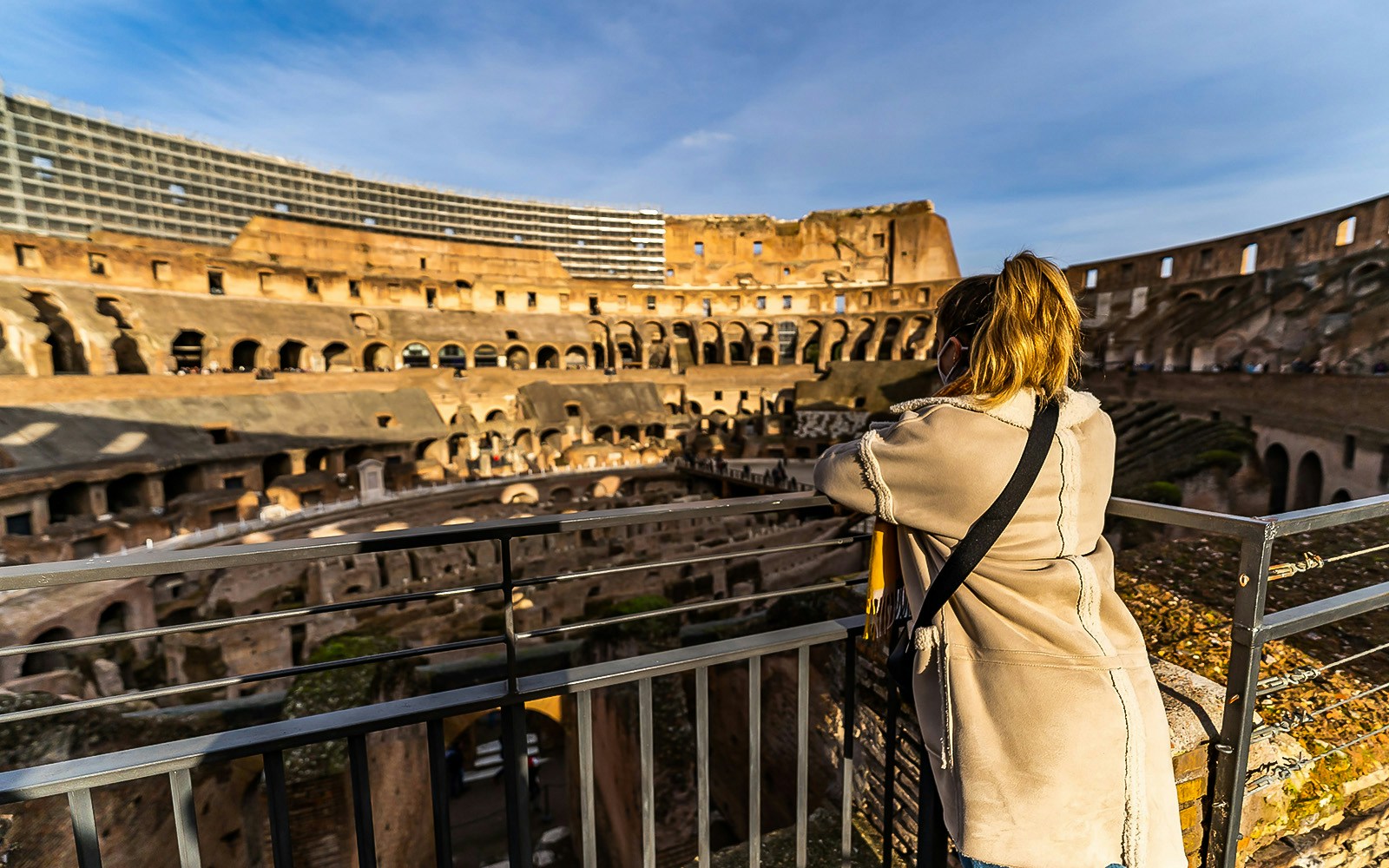
  • Enjoy the view from the Belvedere: Enjoy sweeping views of the Colosseum's ruins, its architectural grandeur, and Rome's skyline, including the Roman Forum, Palatine Hill, and the modern cityscape.

  • Glimpse into Ancient Rome: Gain insights into the social and political life of ancient Rome, when the Colosseum served as a venue for entertainment in the form of battles, public spectacles, and dramas.

  • Appreciate the masterpiece of design: Marvel at the Colosseum's architectural brilliance, from its ingenious retractable roof to the cleverly designed exits that could empty the venue of 50,000 people in minutes. It's a testament to Roman engineering, built in record time with techniques that were centuries ahead.

Book Colosseum tickets

What to see at the Colosseum, Rome?

Colosseum - Outer Colosseum Wall
Colosseum Underground tours
Explore Colosseum Arena
Colosseum - Emperor’s Seat
Colosseum Museum
Colosseum - Belvedere Terrace
1/6

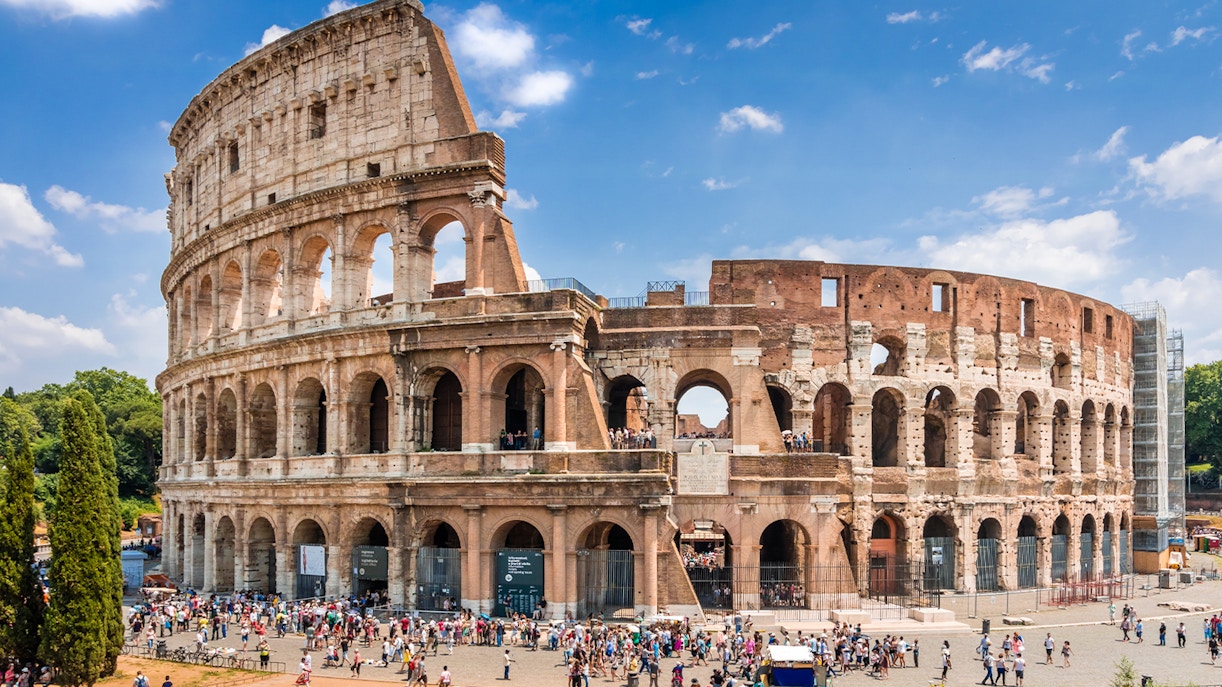
Outer Wall Facade

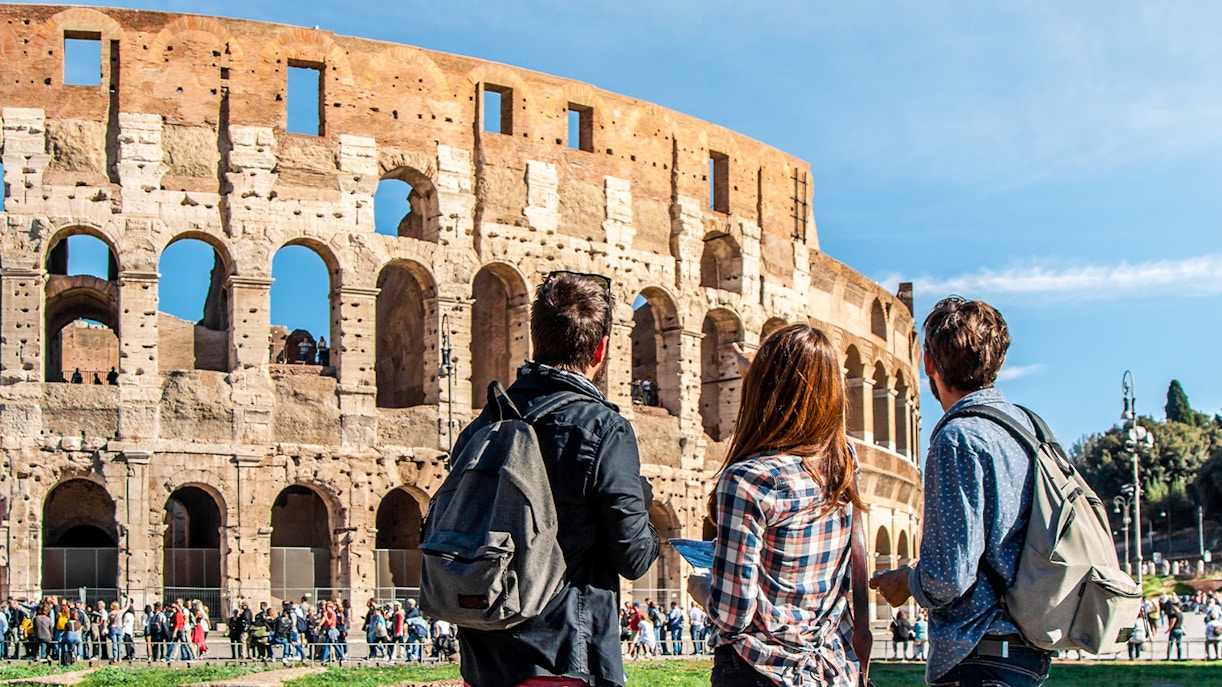
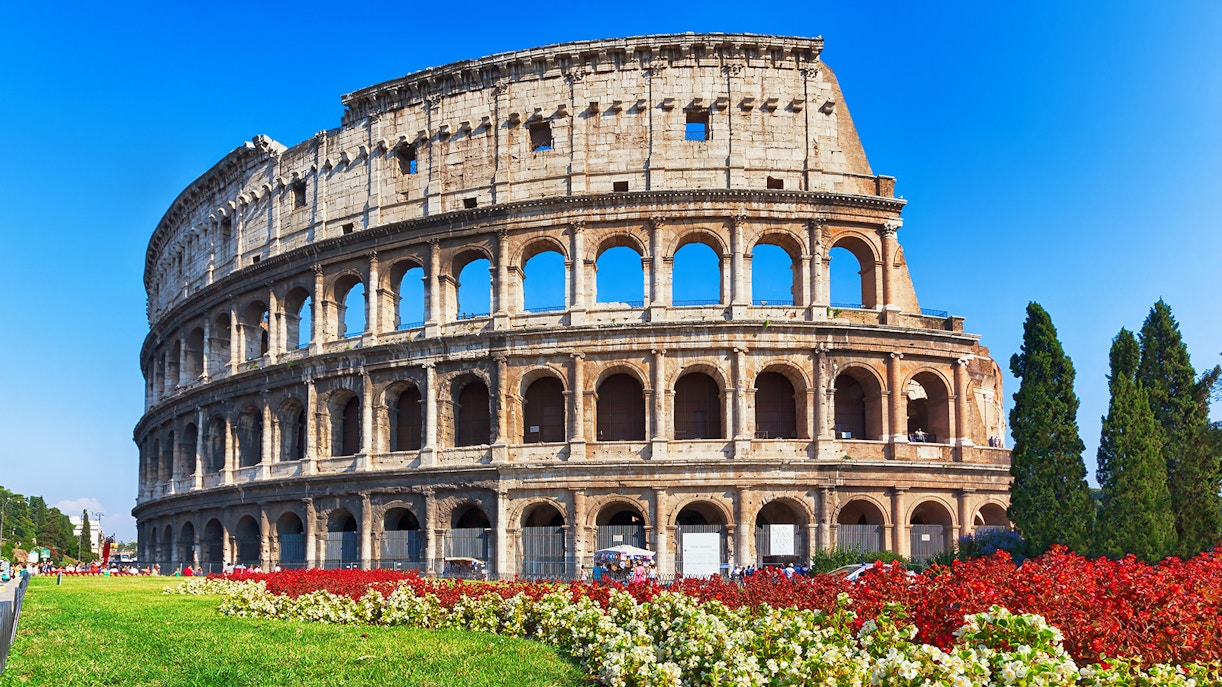
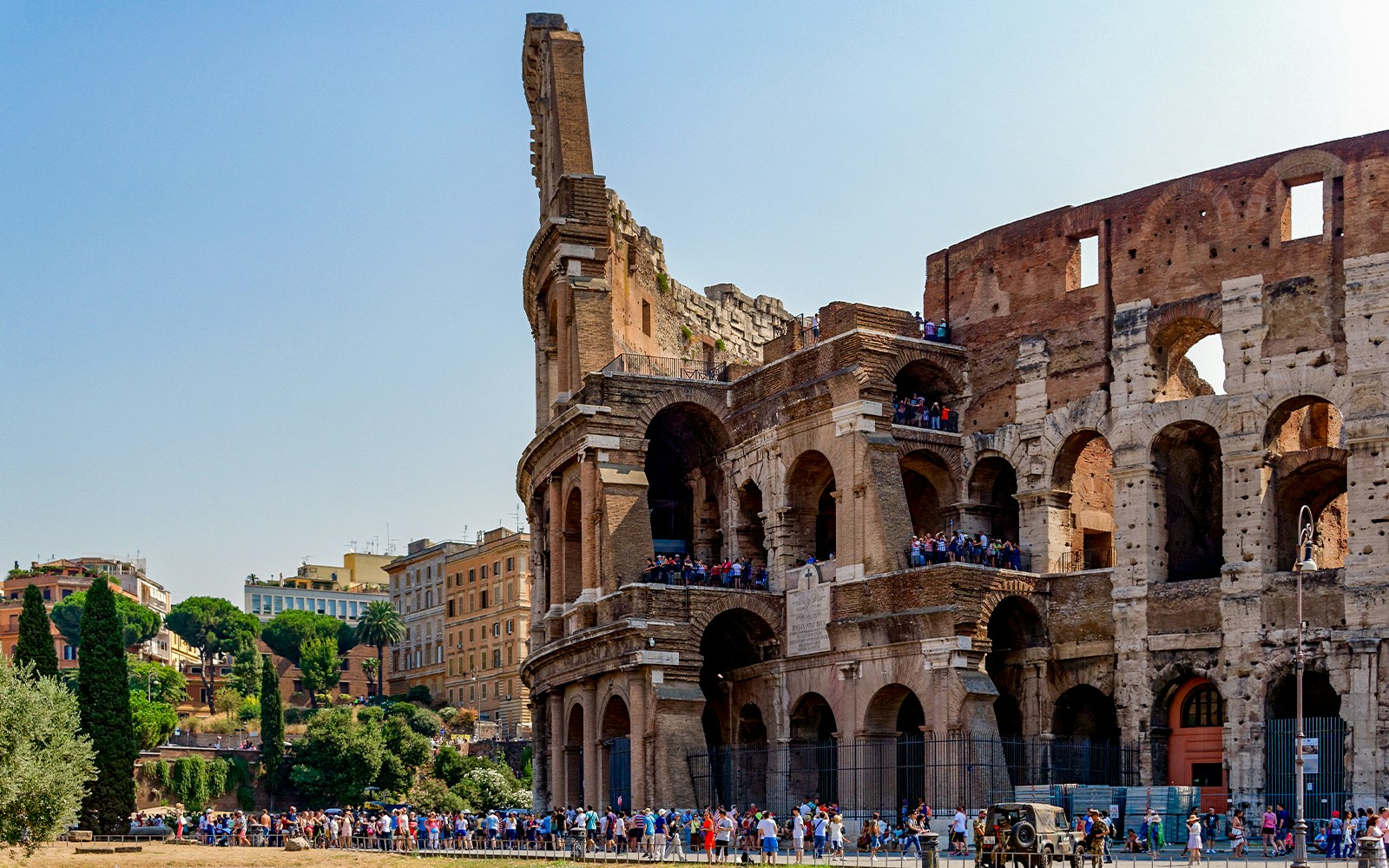
Admire the surviving sections of the outer wall, showcasing the Roman architectural prowess with its arched entrances and columns of Doric, Ionic, and Corinthian styles.

The Underground (Hypogeum)

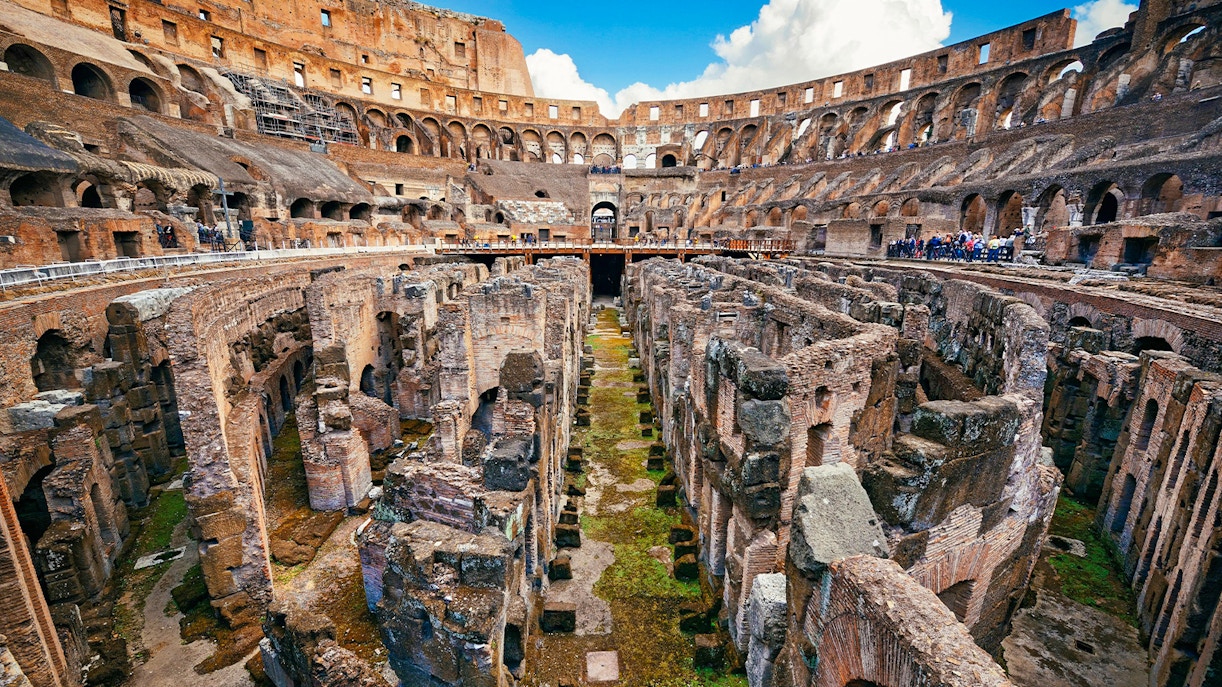
Explore the network of tunnels where gladiators and animals were held before contests, allowing a glimpse into the behind-the-scenes organization of ancient games.

Read more

Arena Floor

Stand on the very ground that once echoed with the roars of spectators and the clash of contenders, and experience the Colosseum's grandeur from the center stage.

Read more

Emperor’s Box

Positioned with the best view of the arena, this exclusive area was reserved for the Roman Emperor and his guests, a symbol of supreme authority and luxury amidst the spectacles.

Colosseum Museum

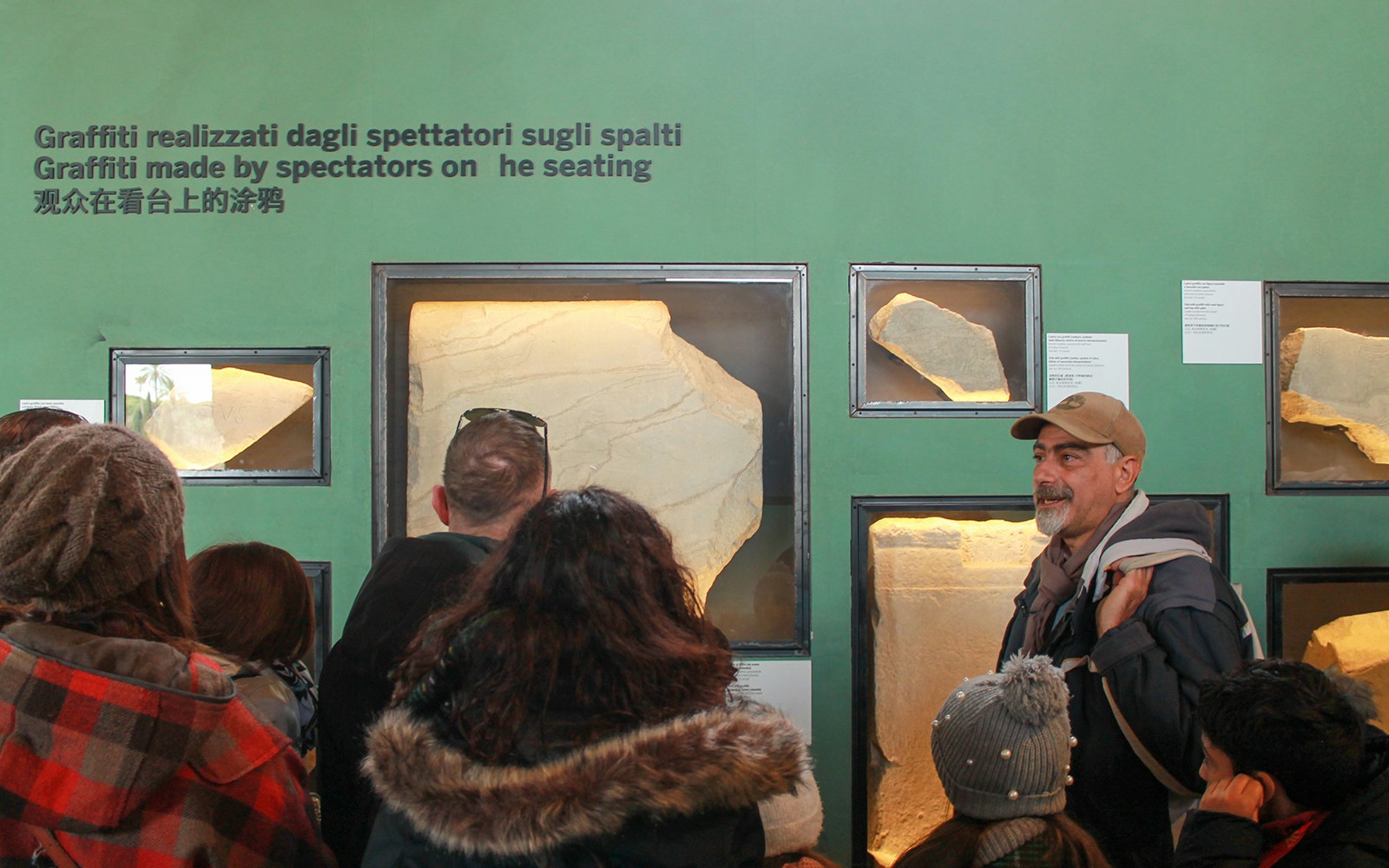
The second tier, which was once reserved for Rome's upper class, also houses the Colosseum Museum. Discover architectural fragments; graffiti, mosaics, and reliefs that depict gladiatorial life; decorative marbles that once adorned the monument, as well as studies and multimedia exhibitions on its enduring legacy.

Belvedere Terrace

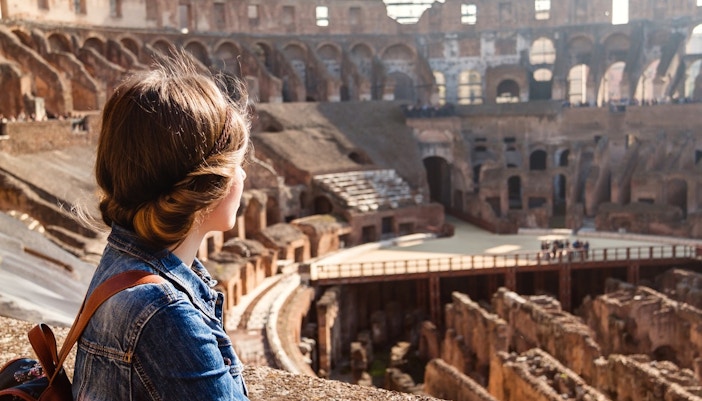
Climb to the top of the Colosseum, and take in the panoramic views of the Colosseum's interior and the Roman skyline. This vantage point highlights the monument's magnificence and the genius behind its construction.

History of the Colosseum, Rome

  • 64 CE: The Great Fire devastates part of Rome where the Colosseum would later be built. Emperor Nero claims the area for the Domus Aurea.
  • Post-68 CE: After Nero's fall, the Domus Aurea is dismantled, and the artificial lake is drained. The area gets repurposed for the Flavian Amphitheatre (the Colosseum).
  • 70-80 CE: Construction of the Colosseum begins under Emperor Vespasian and is completed by Emperor Titus. Further enhancements, including the hypogeum and underground chambers, are added by Emperor Domitian
  • 80 CE onwards: The Colosseum serves as the venue for grand spectacles, such as gladiatorial contests and mock sea battles.
  • 5th/6th Century: The use of the Colosseum for games gradually diminishes as the Roman Empire faces decline.
  • 12th Century: The amphitheater starts being used as a fortress by the Frangipani family and other Roman nobility. 
  • 1349: A massive earthquake leads to the collapse of a large section of the outer wall.
  • 19th - 21st Century: Significant restoration efforts are undertaken to preserve the Colosseum's structure and grandeur, ensuring its legacy continues.

Detailed history of the Colosseum

Who built the Colosseum?

Colosseum - Who Built The Colosseum?

The Colosseum, also known as the Flavian Amphitheatre, was built by the emperors of the Flavian dynasty. Construction began under Emperor Vespasian in around 70-72 AD and was completed in 80 AD by his son, Emperor Titus.

Further modifications were then made under Domitian, Titus's brother and successor. These three emperors, Vespasian, Titus, and Domitian, ruled from 69 AD to 96 AD, and their collective efforts contributed to the creation of the Colosseum, which remains one of the most iconic symbols of Ancient Roman engineering and architectural prowess. The Colosseum was financed through the spoils and wealth acquired from the Roman conquest of Jerusalem during the First Jewish-Roman War (66-73 AD).
Design of the Colosseum

Colosseum - Design Of The Colosseum

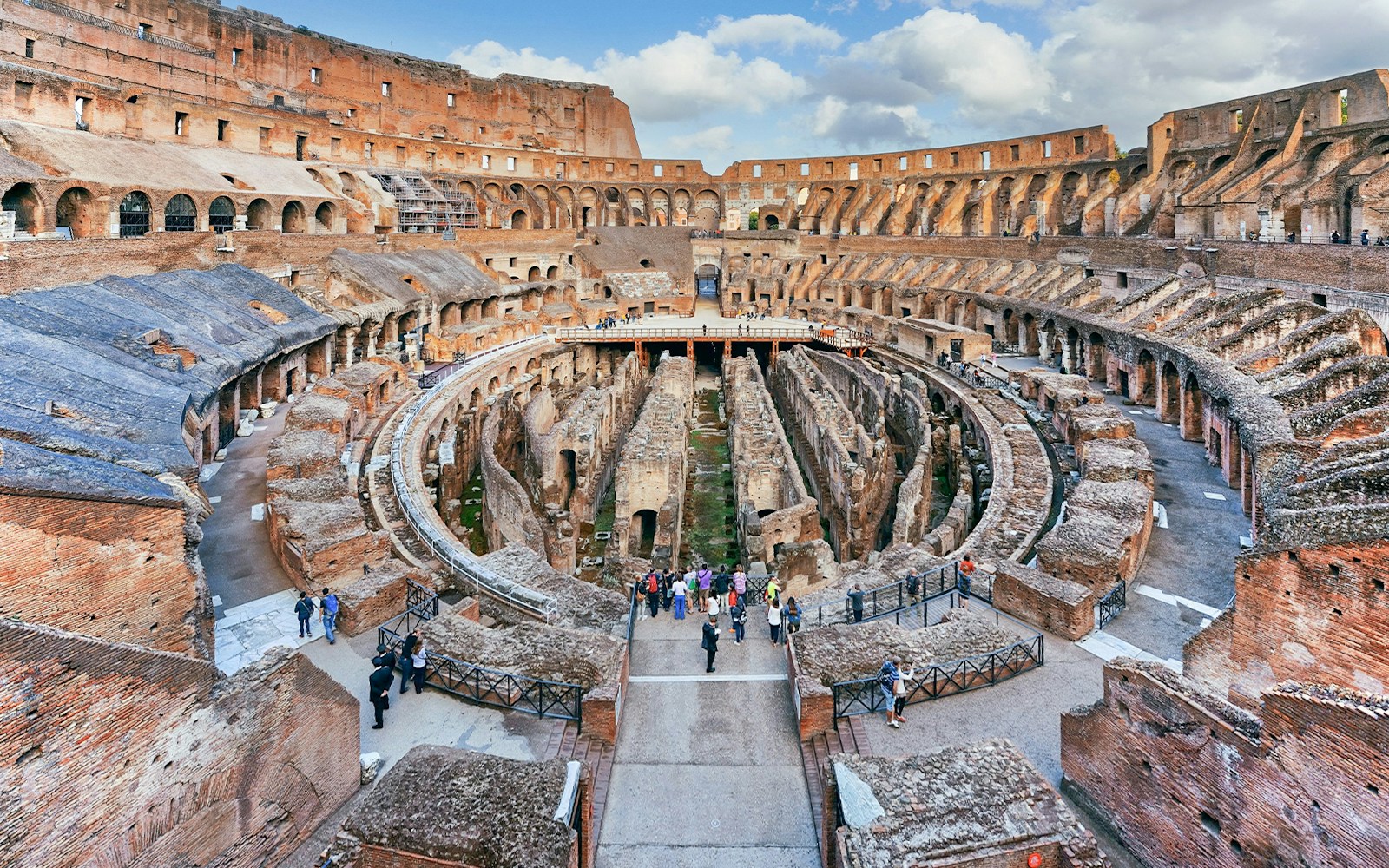
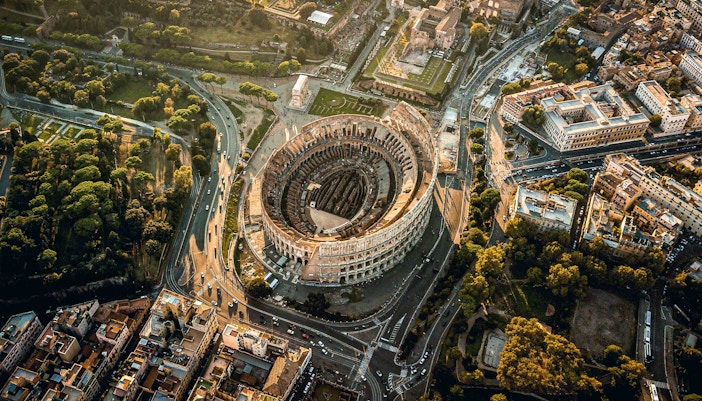
Spanning 189 by 156 meters and at a height of 48 meters, its elliptical shape was designed for optimal crowd management and visibility for 50,000 to 70,000 spectators across four levels, mirroring Rome's social hierarchy.

Beneath its wooden arena floor lies the hypogeum, a complex network of tunnels for gladiators and animals, enabling dramatic entrances. This innovation, coupled with the use of travertine, tufa, and concrete, and adorned with Doric, Ionic, and Corinthian columns, showcases Roman engineering prowess.

The Colosseum's design, including freight elevators and a retractable awning (velarium) for shade, epitomizes ancient Rome's architectural innovation, enduring through centuries via ongoing restoration.

Architecture of the Colosseum

What does the name 'Colosseum' mean?

Originally, the amphitheater was known as the Flavian Amphitheatre, named after the Flavian dynasty of emperors who constructed it.

The name Colosseum is believed to have originated in the Middle Ages from the Latin word "colosseus". Some accounts suggest that this references the colossal bronze statue of Nero that once stood nearby. While others believe it refers to the grandeur of the amphitheater itself.

What was the purpose of the Colosseum In Rome?

The Colosseum in Rome has served multiple purposes throughout its extensive history, reflecting the changing times and needs of society.

Ancient times

Originally, the Colosseum was a grand arena for public spectacles. It was the epicenter for gladiatorial contests, where gladiators faced off against each other or wild beasts. Beyond these bloody engagements, it hosted mock naval battles (naumachiae), re-enactments of famous victories, performances based on mythology, and public executions. These events were integral to Roman culture, providing entertainment, showcasing imperial power, and reinforcing social hierarchies.

Medieval times

In the Middle Ages, the Colosseum underwent significant transformations. It served religious purposes, including use as a church, and became a stronghold for powerful Roman families like the Frangipane and the Annibaldi. The period was marked by neglect, compounded by natural disasters and looting, leading to its gradual deterioration.

Modern times

The 19th century marked the beginning of efforts to preserve the Colosseum, initiated under Pope Pius VIII. However, it wasn't until 1990 that comprehensive restoration projects were launched to repair and conserve this iconic monument. Today, the Colosseum stands as a testament to Roman engineering and a symbol of Italy's rich historical heritage, attracting millions of visitors from around the globe.

Colosseum in popular culture

The towering ruins have become a popular subject in literature and art, as well as in film and television, often depicted as a symbol of power and glory.

  • The Colosseum has been immortalized in works of literature, from the thrilling lines of Lord Byron's poetry to the dramatic Quo Vadis by Henryk Sienkiewicz, where it's practically a character in its own right.
  • The Colosseum has found its way to the big screen as well. Who doesn't remember watching Russel Crowe duking it out on the arena in the Gladiator (2000)?
  • If you are an avid gamer, you would have probably spotted the amphitheater in Assassin's Creed: Brotherhood. that allows players to scamper around a Colosseum so well-crafted, it feels as if you have been given a front-row seat to the glory days of Rome, all without leaving your living room.

Flora of Colosseum

Colosseum - Flora of Colosseum

The Colosseum once teemed with a diverse array of plant species, many of which were not native to Rome. Nineteenth-century botanist Richard Deakin, fascinated by the Colosseum's flora, observed that these plants acted as “a link in the memory,” triumphantly flourishing amidst the ruins. The Colosseum's green inhabitants ranged from species well-known in Italy, such as hollies, capers, knapweed, and thistle, to those unique to its ancient stones and found nowhere else in Europe. This botanical diversity has been celebrated in literature, with Charles Dickens vividly describing the plant life at the Colosseum in his book, “Pictures from Italy.”

Today, the Colosseum is home to 243 distinct plant species, continuing to be a living testament to the intersection of natural beauty and historical decay.

Frequently asked questions about the Roman Colosseum

Emperor Vespasian originally constructed the Colosseum to serve as a grand amphitheater for public spectacles, including gladiatorial contests, animal hunts, and mock naval battles. It was a gift to the Roman citizens from the Flavian emperors, symbolizing the empire's wealth, power, and engineering prowess, while also serving as a tool for political propaganda.

More reads

Recommended route

Book Now

Skip-the-line tickets

Book Now

Palatine Hill

Book Now