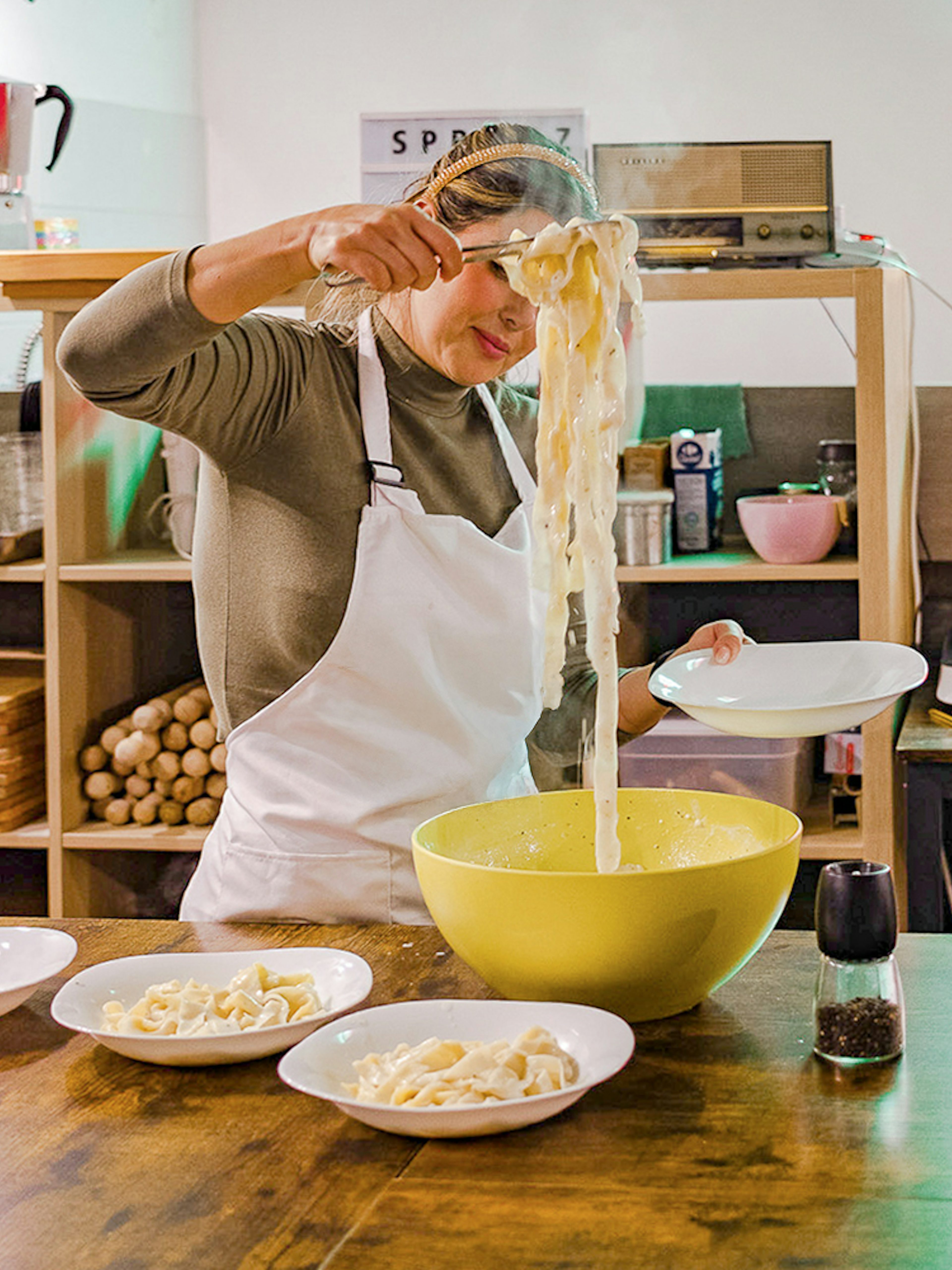
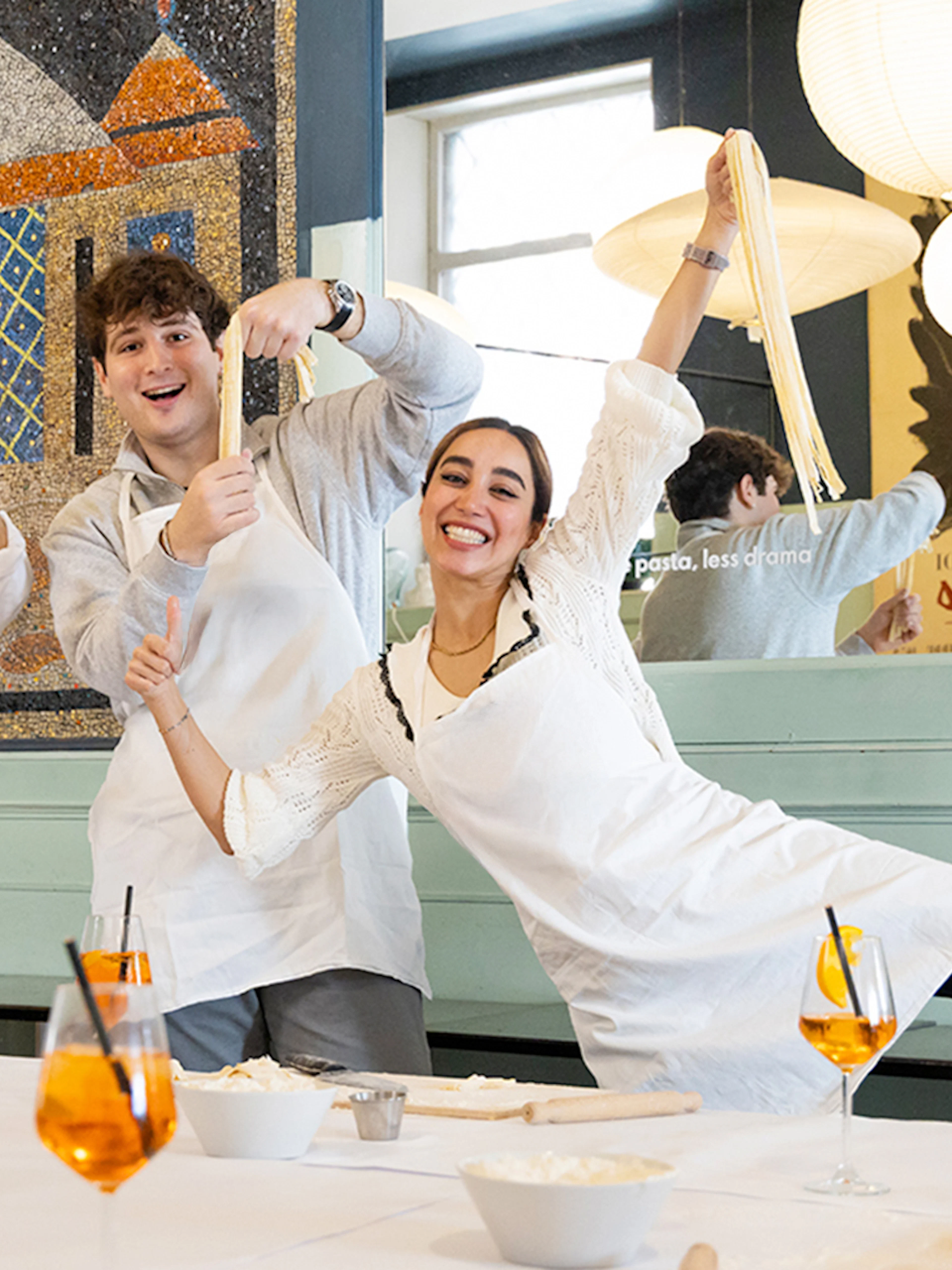
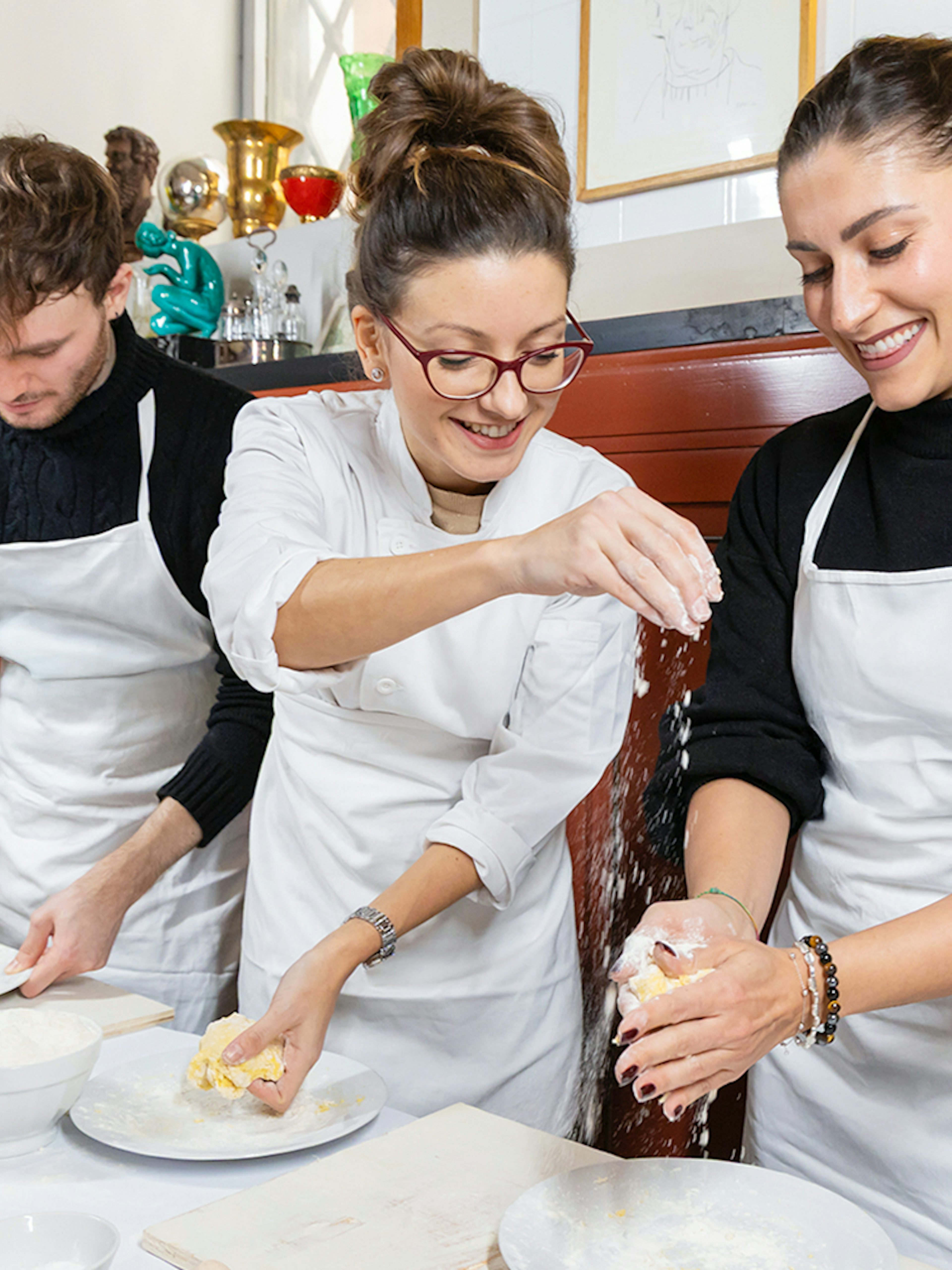
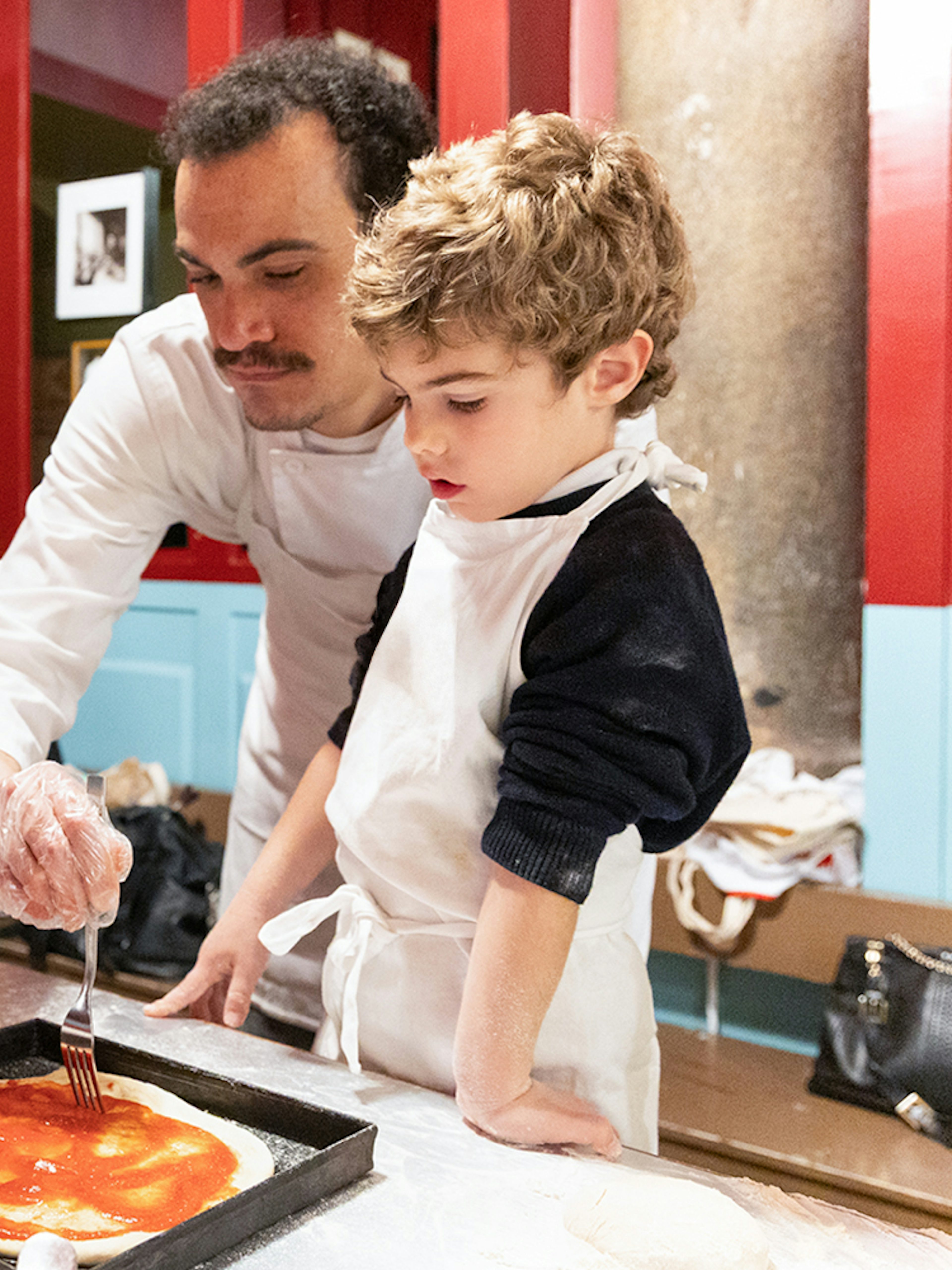
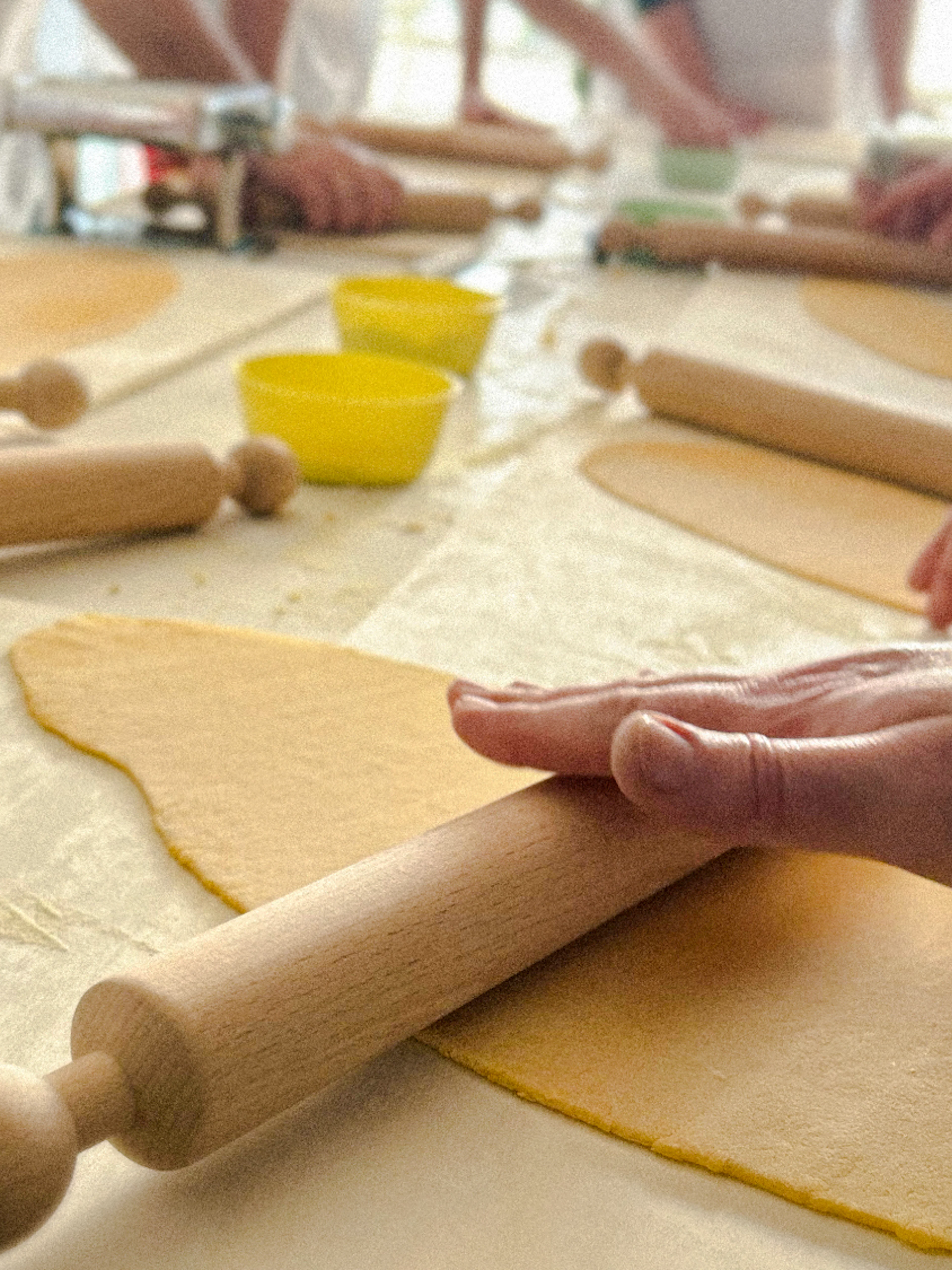
- Rooted in Roman food culture: Pasta in Rome is more than just about shape. It’s tied to neighborhood markets, seasonal ingredients, and family recipes. These classes give you the backstory behind staples like carbonara, cacio e pepe, and amatriciana, so what you make is rooted in centuries-long tradition.
- Led by local, English-speaking chefs: Chefs share methods and tips they’ve learned in real Roman kitchens. They also explain why certain flours, cheeses, or cuts are used in the city’s pasta traditions.
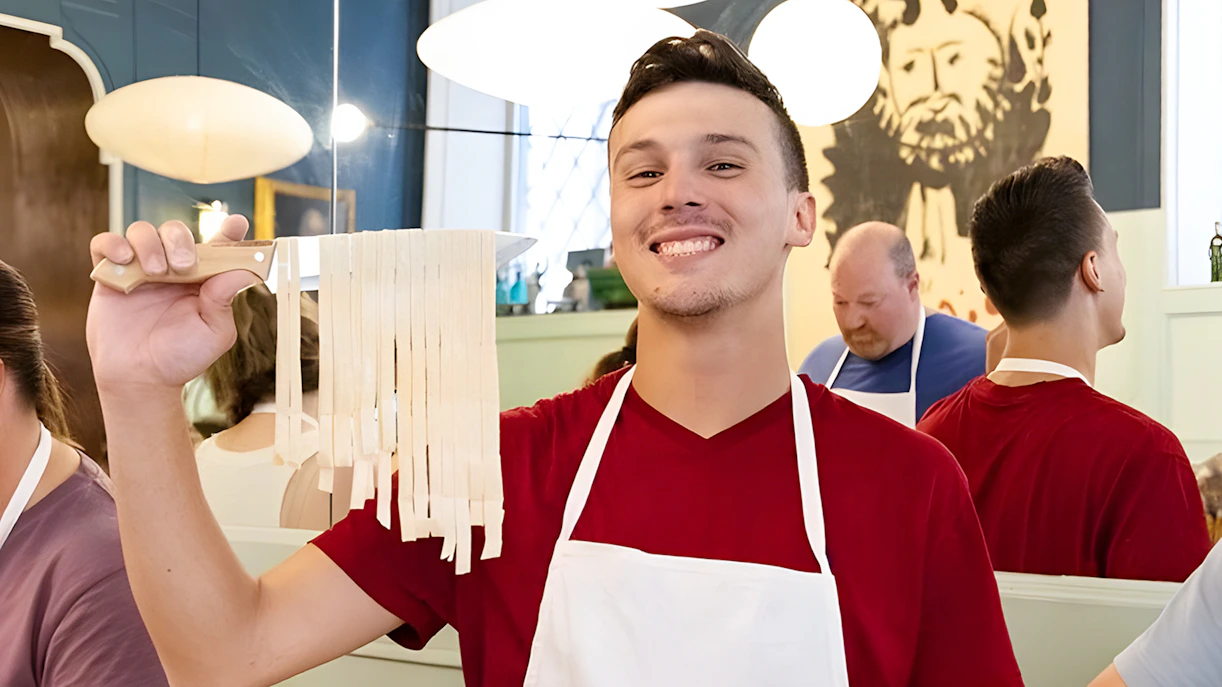
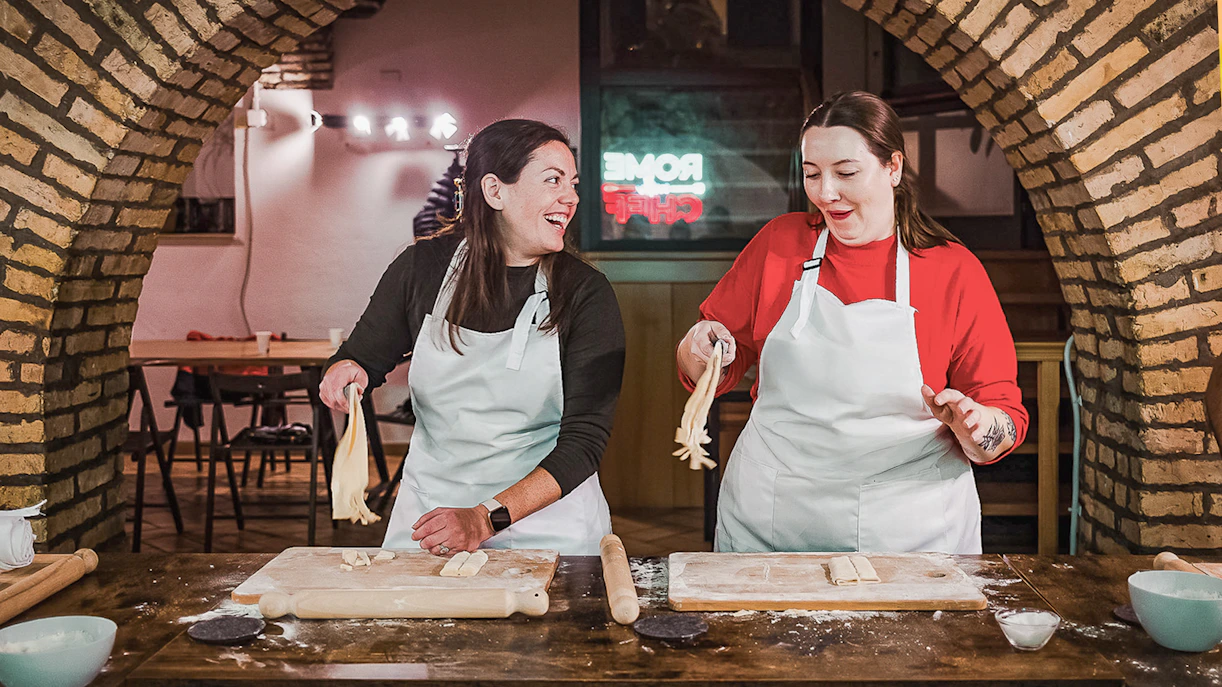
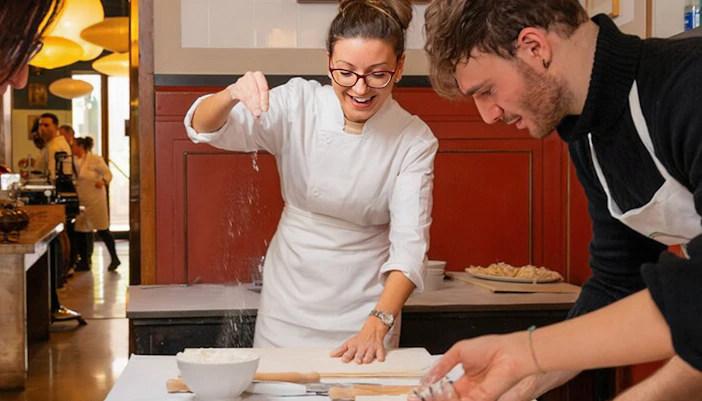
- Hands-on from the first step: Everyone makes their own dough and shapes their pasta. You’ll roll, cut, fill, and plate with guidance, working at a pace where you can ask questions and improve as you go.
- Small group format: Classes run with a limited number of participants, creating room for conversation and individual attention while keeping the mood relaxed.
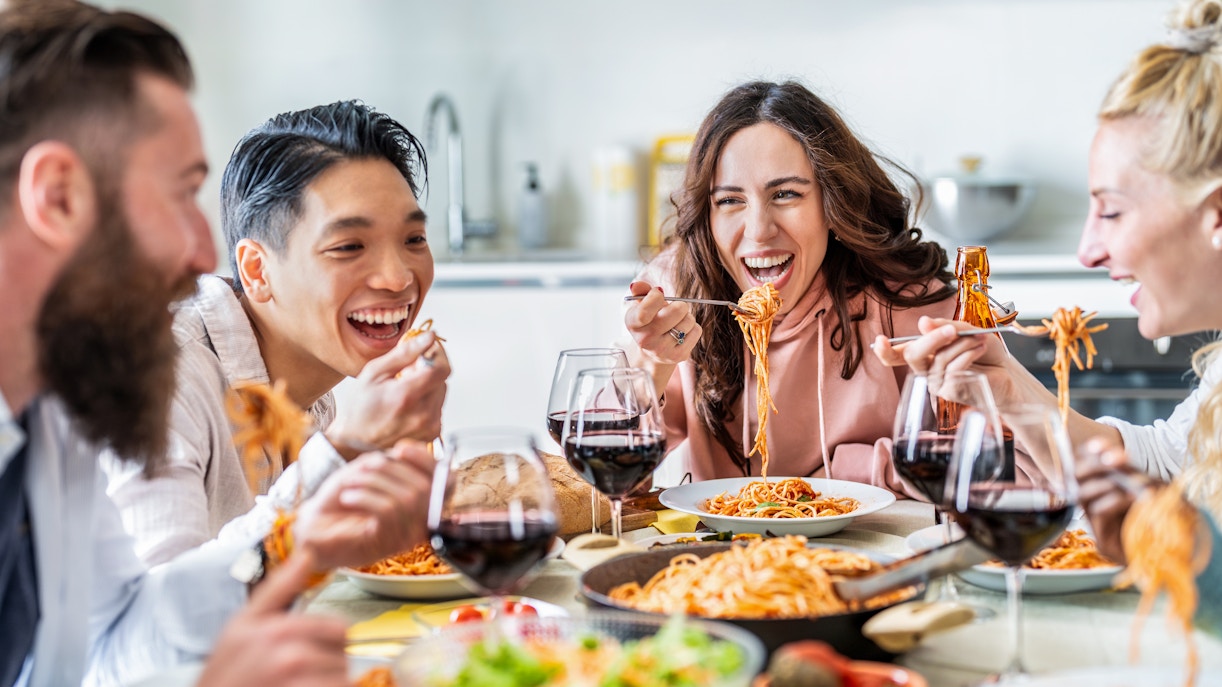
- Sit down for a meal: Once the cooking is finished, the group sits down together to enjoy the pasta you’ve made, paired with a glass of prosecco or limoncello.
- A memorable way to slow down in the city: Sharing a meal you’ve prepared brings a quieter, more personal moment into a busy travel day, a chance to connect with Rome in a way that feels lived rather than observed.
Pasta Making Classes in Rome
Crafted by Headout, a global experiences brand offering curated tours, tickets & experiences. Discover with ease, book with peace.Loved by over 56 million guests worldwide

When in Rome… make pasta. In these hands-on classes, you’ll work the dough from scratch, roll it out, and shape pasta like fettuccine or ravioli with guidance from a local chef. The pace is relaxed and conversational, with small details and techniques shared along the way. When the cooking is done, everyone sits down to enjoy the meal together, making it a memorable Roman experience.
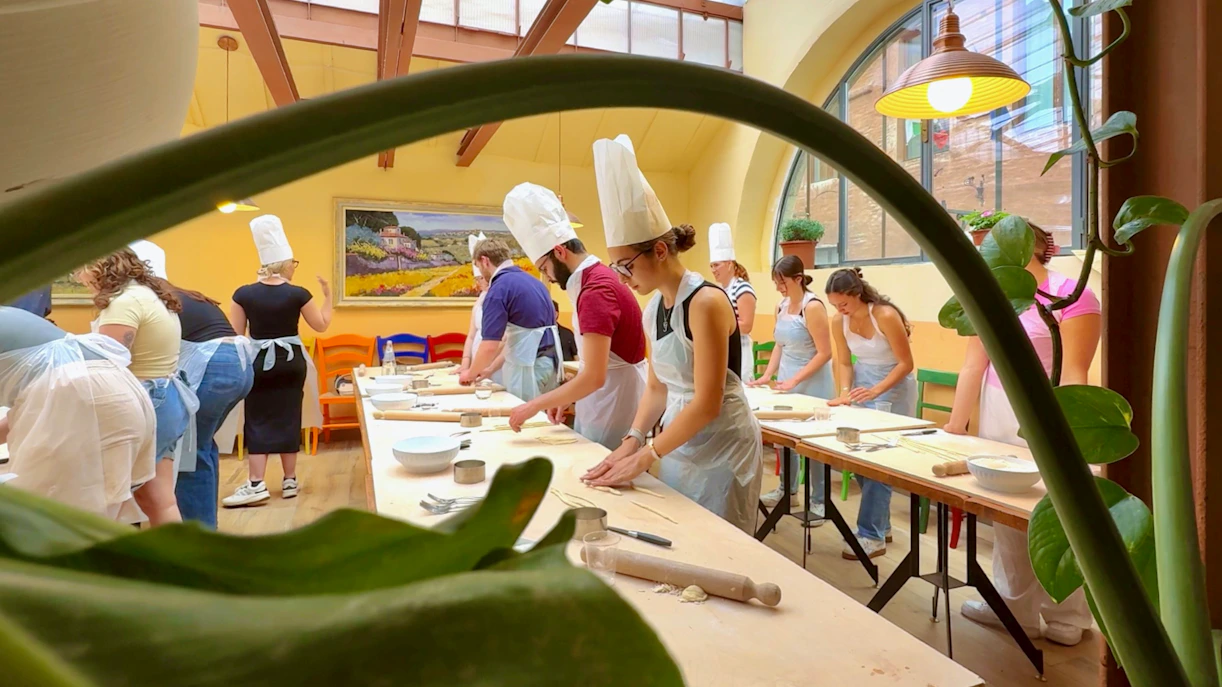
Why a pasta making class in Rome is a must-do
What to expect in your Rome pasta making class
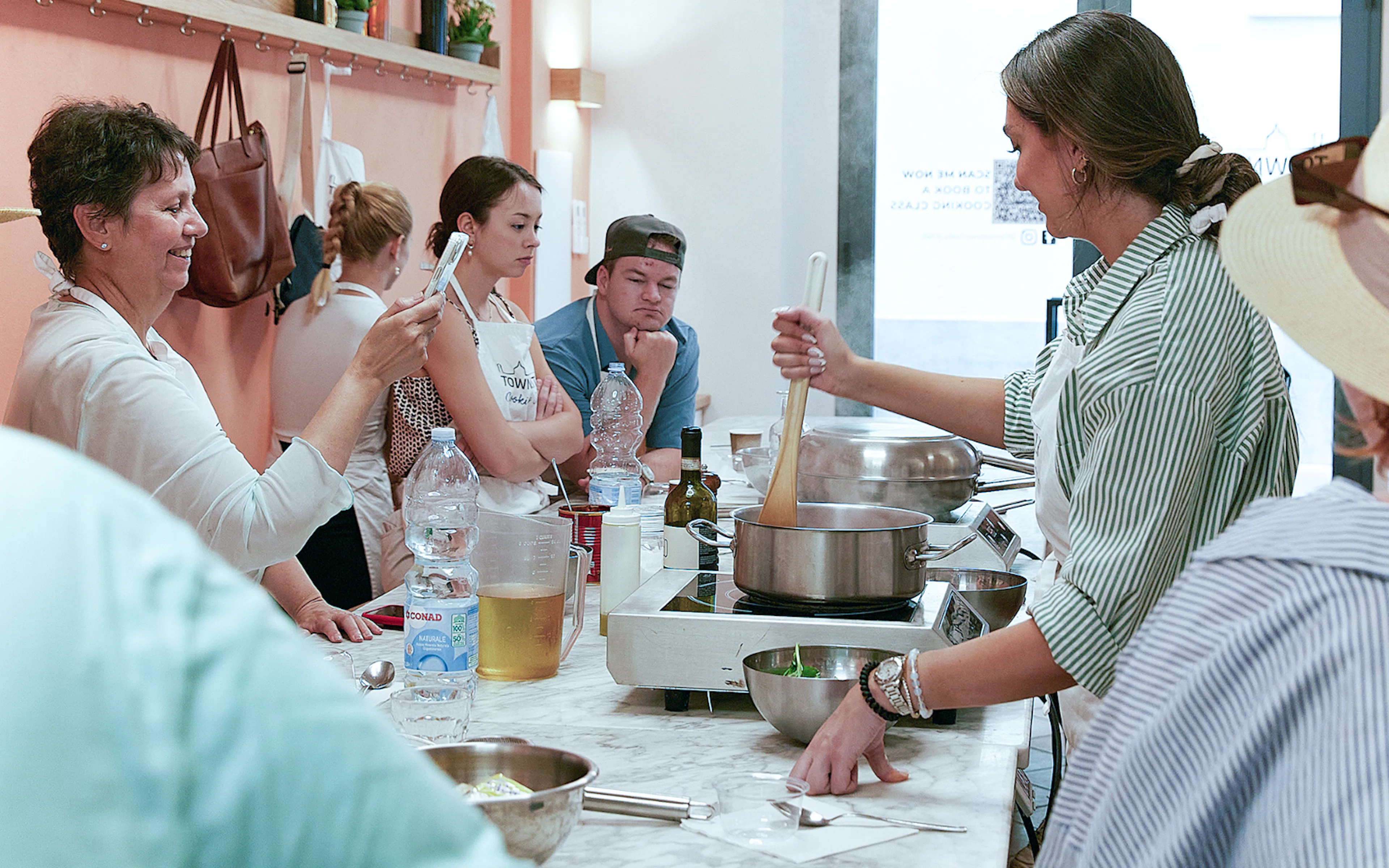
1/6
Settle in & say hello
You’ll arrive at a cooking studio, meet your chef and group, and slip on an apron. The atmosphere is friendly, think more of “home kitchen” than a “classroom”.
Get to know your ingredients
Before anything starts, you’ll look at the simple staples you’ll be working with, such as flour, eggs, cheese, and fresh herbs. Your chef will explain what makes them Roman, not just Italian.
Make your dough
Flour on the counter, eggs in the center, and you’ll start mixing, pressing, and kneading. It’s hands-on, a little messy, and incredibly satisfying once the dough comes together.
Shape your pasta
Once the dough is rested, it’s time to roll and cut. You’ll shape your pasta into ribbons, sheets, or little filled pillows, whatever the class menu calls for.
Sauce & simmer
Your pasta meets its sauce, gently. You’ll learn how Romans get that silky finish without drowning anything. It’s about patience, heat, and timing.
Sit, eat & enjoy
Finally, you’ll all sit down and share the meal you just made. It’s relaxed, chatty, and the kind of moment that makes the day stick in your memory.
Things to know before booking your Rome pasta making class
📍 Pick a location that fits your day: Classes run near central landmarks like Piazza Navona, the Colosseum, and the Vatican. Choose a spot that fits naturally into your day so the experience flows easily with your sightseeing.
🍝 Check what the class focuses on: Some sessions cover multiple varieties like fettuccine and ravioli, while others pair pasta-making with a spritz tasting or a gelato workshop. A quick look at the menu helps match the class to your interests.
⏱️ Most classes last 2–3 hours: This makes it easy for you to schedule between a morning museum visit and an evening walk, or as a relaxed break during your busy travel day.
👥 Group size shapes the feel of the class: Smaller groups mean more time to ask questions and get personalized guidance. If you're traveling as a larger group or family, look out for sessions that can host multiple participants comfortably.
♿ Accessibility varies by kitchen: Many cooking studios are wheelchair-friendly. Feel free to confirm during booking for a smooth visit.
🍷 Sip and savor: Enjoy a drink that pairs with the cooking atmosphere, whether it’s a classic spritz, a regional wine, or a simple chilled refresher.
🥣 All ingredients and equipment are provided: Aprons, tools, flour, fillings, sauces, and everything you need is ready when you arrive. Just bring yourself a healthy appetite.
🌿 Dietary preferences and allergies: Vegetarian adjustments are straightforward in most pasta menus. If you have allergies or specific dietary needs, mentioning them when booking allows the chef to plan ingredients accordingly.
The Roman pasta classics
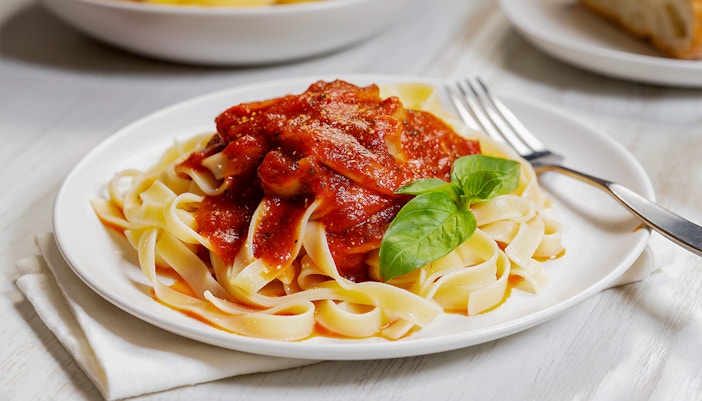
Fettuccine
Long, flat ribbons rolled from fresh dough. Fettuccine holds sauce evenly and gently, which is why it appears across Roman kitchens from everyday meals to Sunday gatherings. Familiar, comforting, and deeply rooted in local cooking.
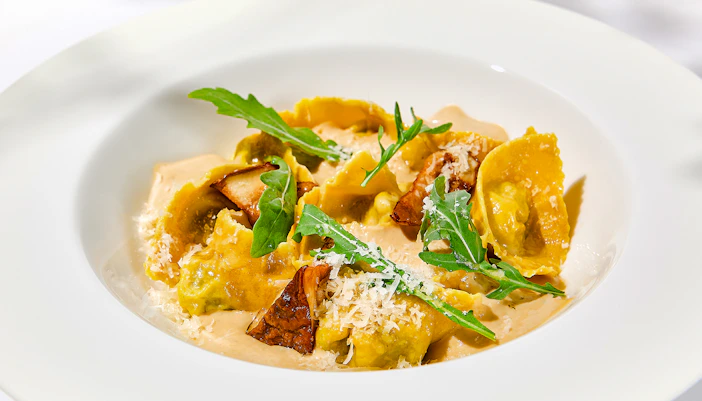
Ravioli
Soft pasta envelopes filled most often with ricotta, sometimes brightened with spinach or lemon zest. Roman ravioli focuses on balance: thin pasta, a light filling, and a sauce that enhances rather than dominates.
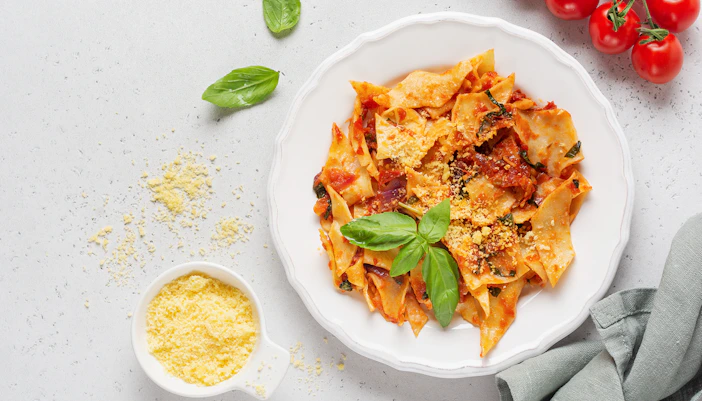
Maltagliati
Literally “badly cut”, maltagliati began as leftover dough scraps and grew into a favorite in its own right. The irregular shapes catch sauce in different ways, giving each bite a relaxed, home-style texture that feels unmistakably Roman.
How Rome pairs its pasta
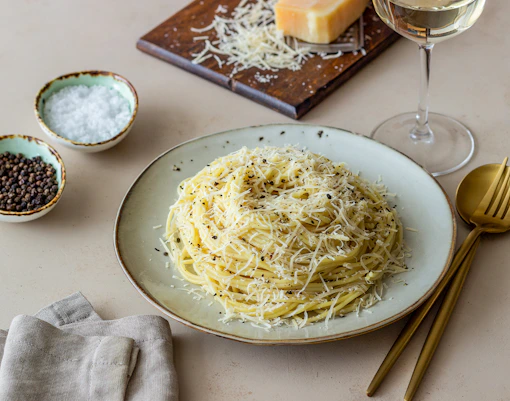
Cacio e Pepe
Rooted in shepherd traditions, this sauce is all about essentials carried on the road: cheese, pepper, and pasta. It’s most closely linked with tonnarelli, whose rough surface helps the sauce cling just right.
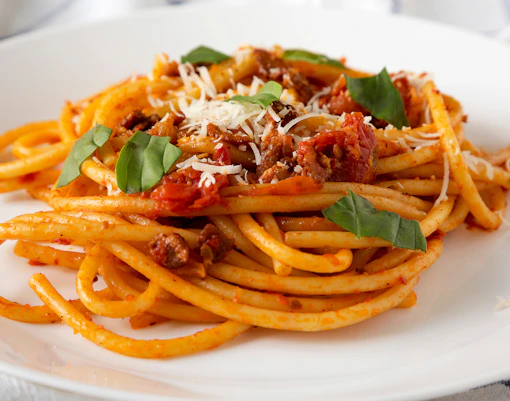
Amatriciana
Named for Amatrice, a hill town outside Rome, this sauce traveled into the city along herding routes. Often paired with rigatoni or bucatini, where the sauce settles beautifully into ridges and hollow centers.
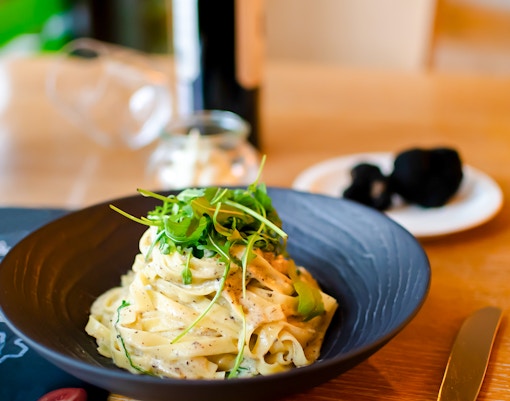
Carbonara
A post-war Roman staple with endless local debate surrounding the “correct” way to make it. Traditionally served with spaghetti or rigatoni, and treated by Romans as both comfort food and culinary identity.
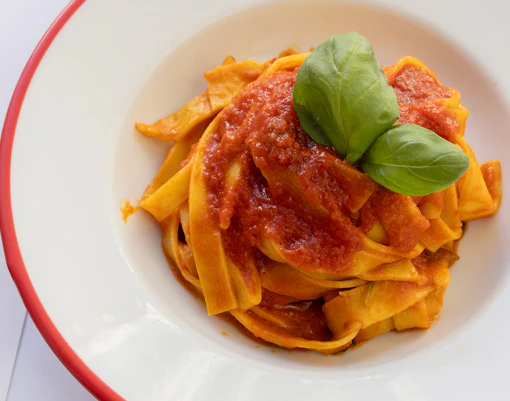
Pomodoro Fresco
A simple, warm, and everyday sauce tied to home Sunday lunches and late-summer tomatoes. Works especially well with fettuccine or maltagliati, where the sauce can coat evenly without overpowering.
Getting ready for your Rome pasta making class
- Plan your time: Classes usually end with a seated meal, so allow some unhurried time afterward. You’ll want to relax and savor rather than rush to your next activity.
- Dress comfortably: Soft shoes and clothes you won’t mind dusting with flour are perfect.
- Light accessories: Keeping jewelry minimal just makes things easier while mixing and kneading.
- Take notes: Your chef will share small tricks that make a big difference. A quick note or two ensures you bring those flavor secrets home.
- Route check: Give yourself a few extra minutes for Rome’s winding streets.
- Cancellation window: Most classes allow free cancellation up to 24 hours before the start.
- If running late: A quick text to your host helps. While some can let you join partway, others may need to start without you.
- All weather-friendly: Classes happen rain or shine, so the weather won’t affect the experience. A light jacket or umbrella is enough if it’s rainy out.
- Hair ties: If you have long hair, tying it back keeps cooking easy and comfortable.
- Light bag: Handy for carrying any small leftovers or personal items. Nothing bulky is needed.
- Curiosity (and appetite): You’ll learn more by tasting, asking, and trying, so come ready to enjoy the process.
Other culinary experiences in Rome
Frequently asked questions about pasta making classes in Rome
No. The class is beginner-friendly, and the chef walks you through every step, from mixing the dough to shaping the pasta, so you can simply follow along and learn by doing.
Most pasta classes focus on one long pasta (like fettuccine or tonnarelli) and one filled or shaped pasta (like ravioli or maltagliati). Some classes include tiramisu or gelato as a dessert portion. The specific menu is always listed on the booking page, check for your preferred pasta style before you reserve.
Generally, 2 to 3 hours, depending on the experience. The cooking portion takes the first half, and the second half is when everyone sits together and enjoys the meal. It’s a relaxed pace, so allow a little time afterwards to avoid rushing to your next stop.
Vegetarian options are common in pasta classes. For allergies or specific dietary needs, it’s best to mention them at the time of booking so the host can confirm whether adjustments are possible. Some requests (like gluten-free or vegan) may not be available in every class.
Yes, most classes are family-friendly. Children often enjoy kneading dough and shaping pasta. If there's an age minimum or parent-supervision requirement, it will be mentioned in the class details.
Yes. Classes are led by chefs or hosts who guide the experience in English, often with some fun Italian phrases sprinkled in.
Most cooking studios are located in central, easy-to-reach neighborhoods, including near the Vatican, Colosseum, Piazza Navona, Trastevere, or Piazza Venezia. The exact address is provided after booking, along with directions.
Yes. Once the cooking is done, everyone sits down and enjoys the meal together. A drink is usually included, whether that's a spritz or a refreshing non-alcoholic option.
Often yes, if there’s extra. If you’d like to take some with you, just ask your host and they’ll provide a small container if available. Bringing a reusable one is never a bad idea.