Rome Tickets

Plan your Rome food tour

Rome food tours are less about ticking off restaurants and more about knowing which neighbourhood, meal time and format fits your trip. A typical tour combines several tastings with a local guide and a fair amount of walking, so the experience can range from a 2.5-hour street-food crawl to a 4-hour market-and-meal tour. The big thing to check before booking is what you're actually eating: menus, alcohol, dietary options and even the neighbourhood can vary considerably by tour.

Quick overview: Rome food tours at a glance

  • How far ahead should you book? Book 1-2 weeks ahead for popular weekend Trastevere tours. Testaccio and Trastevere–Campo de’ Fiori–Jewish Ghetto tours can sell out 1–2 months ahead, especially during busy periods.
  • How long does it take? Most tours run 3–4 hours, while shorter street-food tours can take around 2.5 hours.
  • Where do they go? Popular areas include Trastevere, Testaccio, Campo de' Fiori, the Jewish Ghetto and Prati/Trionfale.
  • When should you go? Choose a morning or afternoon tour for markets and lunch-style tastings, or an evening tour for aperitivo, dinner and wine.
  • Where do you start? There’s no central entrance. Your meeting point could be a piazza, market, bar, restaurant or landmark, depending on the tour.
  • How much walking is involved? Expect several walks between stops, often on cobblestones. This is a grazing tour, not a sit-down meal.
  • What’s the biggest catch? Dietary restrictions vary by tour. Vegetarian options are common, but vegan, gluten-free, kosher and severe-allergy requirements aren’t guaranteed.

🎟 Evening food tours can fill up fast, especially at popular dinner times. Check availability before building your evening around a specific route.

Jump to what you need

When and where should you meet?

Rome food tours don't have a single meeting point. Your start location depends on the route you choose: Trastevere for an evening food crawl, Campo de’ Fiori for a broader central-Rome route, or Testaccio for a market-led daytime experience. Check the exact meeting point on your selected option and arrive at least 15 minutes early where specified.

💡 One smart move

Plan the food tour around your sightseeing, not the other way around. A 3–4-hour tour includes walking, stops and tastings, so don't wedge it between two timed-entry attractions.

Rome food districts, compared

How long does a Rome food tour take?

Part of the tourTypical timeWhat you're doing

Meet your guide

10–15 min early

Find the group, check in and get started

Walking + food stops

2–3.5 hrs

Move between neighbourhood eateries, markets and landmarks while tasting multiple dishes

Tastings

Throughout

Pasta, pizza, cured meats, cheese, gelato, wine and other local specialties depending on the route

Final stop

15–30 min

Last tasting, usually dessert, coffee or drinks

Total

2.5–4 hrs

Keep the rest of your schedule flexible

💡 Plan around the end point

Shorter Campo de’ Fiori + Jewish Ghetto routes can take ~2.5 hours, while Trastevere and Testaccio tours are closer to 3–4 hours. Leave extra time after the tour to reach your next timed attraction, especially since you may finish in a different neighbourhood from where you started.

Who can take part? Restrictions & requirements

What to checkWhat you need to know

👟 Walking & mobility

Expect 2.5–4 hours of walking and standing, often on cobblestones. The Trastevere tour is not wheelchair accessible; Testaccio can also be challenging in busy market areas.

👧 Children

The Campo de’ Fiori + Jewish Ghetto tour accepts children over 4. Other tours may have different rules, so check your selected option.

🌱 Dietary requirements

Vegetarian options are available. Vegan, gluten-free and kosher choices are limited. Share requirements when booking.

⚠️ Severe allergies

Guests with severe or life-threatening food allergies cannot participate on the listed tours, due to the multiple food stops involved.

🪪 ID & documents

Carry a valid photo ID if requested. No medical certificate or special waiver is required.

🧓 Age & fitness

There’s no stated maximum age. The real requirement is being comfortable walking and standing for several hours.

What actually happens on a Rome food tour
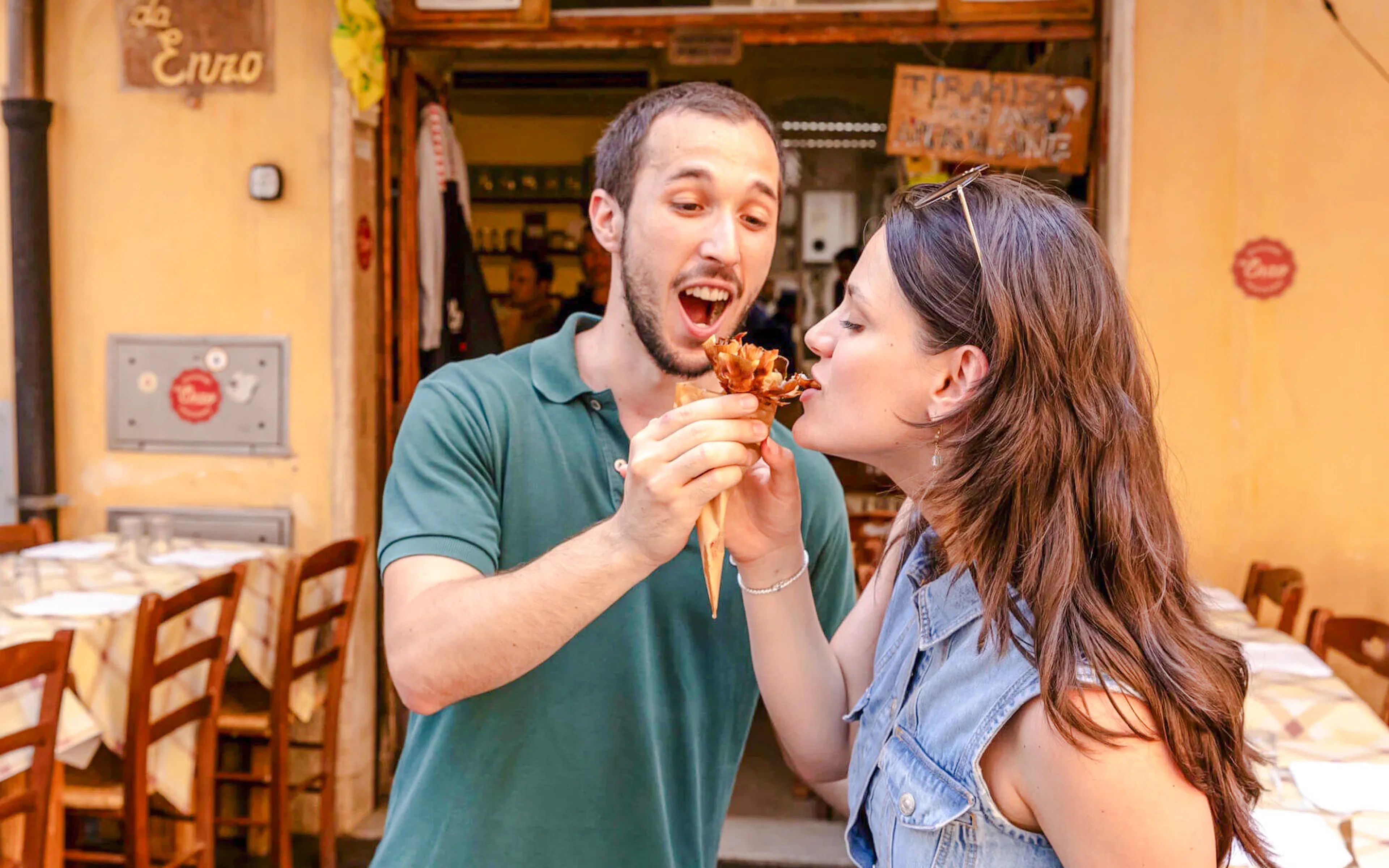
Couple sharing fried artichoke at Da Enzo al 29, Rome food tour.
1/6

Meet your guide and start walking

There’s no central food-tour entrance. You’ll meet your guide at the specific square, street or venue listed on your booking, usually 15 minutes before the start time. From there, you’ll walk between several food stops rather than staying in one restaurant.

Tip: Don’t grab a full meal beforehand. The tastings add up quickly, especially on the Testaccio and Trastevere tours.

Start with Roman street food

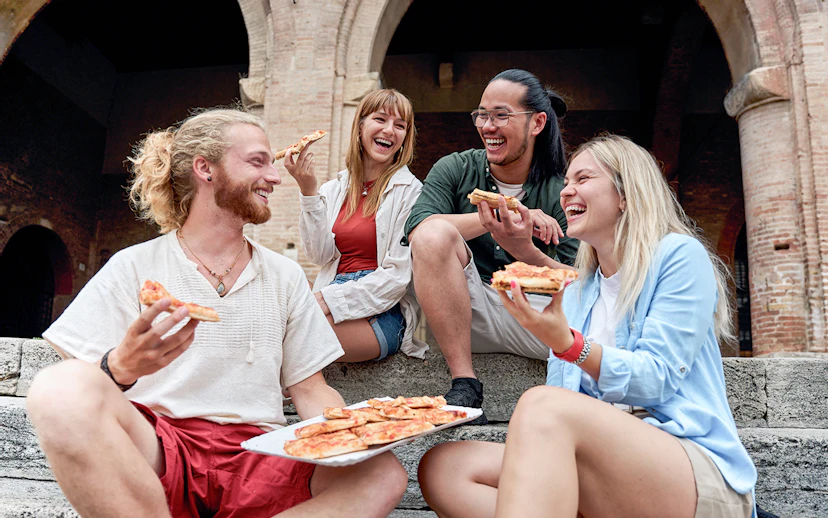
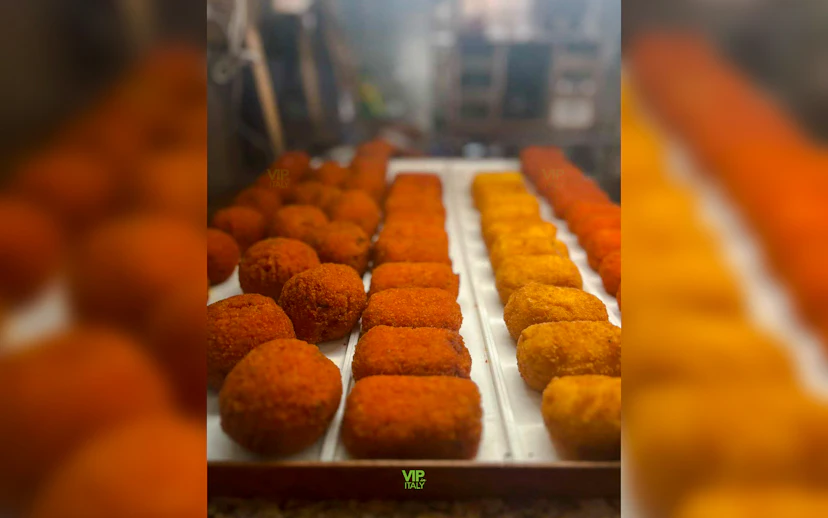
The first stop is usually something small and distinctly Roman — supplì, trapizzino, porchetta, pizza or a pastry, depending on the route. It sets the tone for the rest of the tour: several tastings rather than one big meal.

Walk between neighbourhood food stops

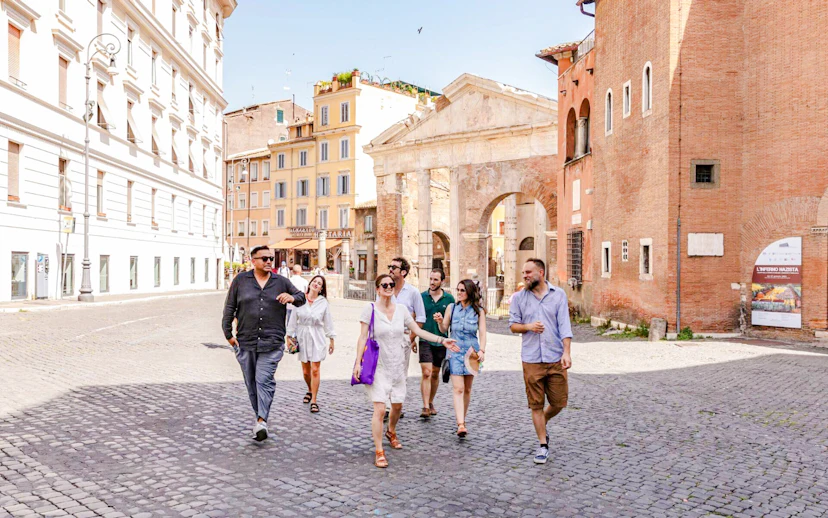
The walking is part of the experience, not just how you get from one restaurant to another. Trastevere brings cobbled lanes and traditional trattorias; Campo de’ Fiori and the Jewish Ghetto mix market culture with Roman-Jewish food; Testaccio gets deeper into Rome's working-class food traditions.

Your guide will usually add some neighbourhood and food history along the way, so you're getting context with the meal.

Sit down for pasta, wine or a fuller course

The smaller bites eventually give way to more substantial Roman food. Depending on the tour, that can mean carbonara, amatriciana, cacio e pepe, handmade pasta, cured meats, cheeses and wine. Trastevere's evening tours are particularly suited to this slower trattoria-style experience.

Finish with gelato or something sweet

Expect a final sweet stop on many routes, gelato, ricotta pie, pastries or another local dessert, often alongside coffee or a last drink. Exact tastings aren't fixed: seasonal produce, holidays and venue availability can change what's served.

Leave with more than a full stomach
The guide is one of the reasons to take the tour rather than simply book a restaurant. You'll get recommendations on what to order, where to eat in the neighbourhood and which local dishes are worth seeking out for the rest of your Rome trip.

What it feels like

Expect a steady mix of eating, walking and listening rather than a rushed restaurant crawl. You’ll navigate cobblestones, narrow lanes and busy markets between tastings, with your guide filling the gaps with stories about Roman dishes, neighbourhoods and where to eat next.

And yes, a few minutes of waiting at a busy stall or trattoria can happen, it’s normal on a walking food tour, and much less annoying when you’re waiting for something actually worth eating.

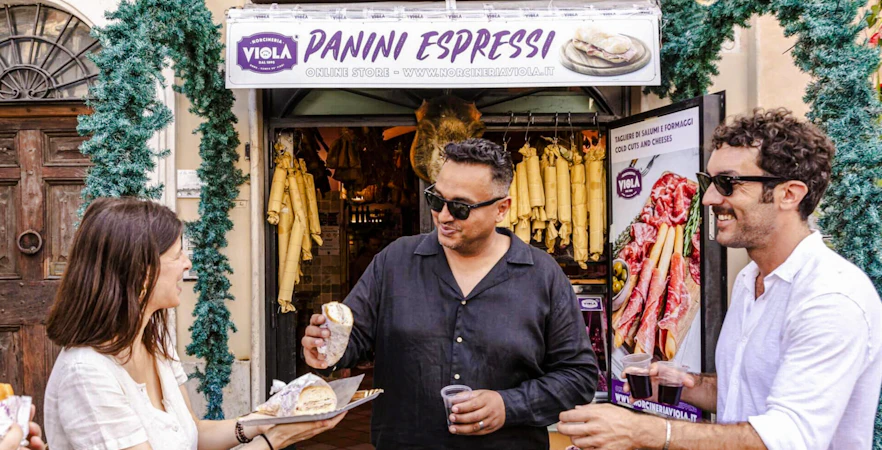
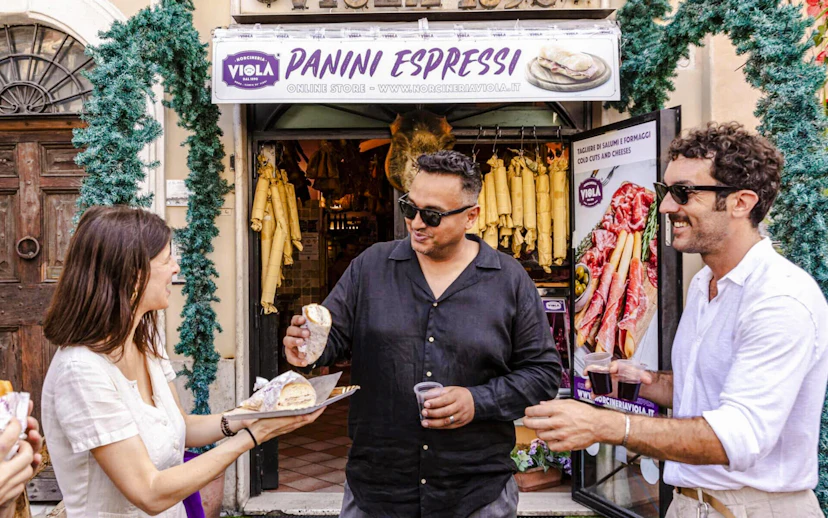
Guide serving panini to guests at a Rome food tour outside a deli.

What happens if the weather turns?

Rome food tours generally run in light rain and overcast weather. You’ll spend part of the tour indoors at restaurants, markets and food shops, but you should still expect to walk between stops. If your tour is canceled, you would typically be offered a reschedule or refund, subject to the operator’s terms.

  • Light rain: Tours usually continue, with tastings taking place indoors where possible.
  • Severe weather: The operator makes the final call, usually on the day of the tour or a few hours beforehand.
  • If canceled: Contact details from your booking are used to notify you, with rescheduling or a refund generally offered.
  • If you cancel: Check your specific booking's cancellation window; several of our tours offer full refunds up to 24 hours before the start time.

💡 Smart move: Book your food tour in the first half of your Rome stay. If severe weather does force a cancellation, you have another day or two to fit it back in rather than losing the experience altogether.

What should you wear and bring?

This is a walking tour through Rome, not a sit-down food crawl. You'll be crossing cobblestones, standing at food stalls and moving between restaurants, so pack for the streets as much as the food.

  • Wear shoes with grip: Cobblestones can be uneven and slippery after rain. Skip heels and flimsy sandals.
  • Bring a light layer: Evening tours can feel cooler once you're out of the sun, while daytime tours can get hot in summer.
  • For sunny days: Sunglasses and sunscreen are useful, particularly on open squares such as Campo de' Fiori.
  • Keep your bag small: Large bags and suitcases are not suitable for these tours, and some food stops have limited space.
  • Bring your phone, obviously: Photos are welcome at most stops, but you'll be moving through busy streets, so keep it secure and put it away when you're walking.
  • Water: Bring your own unless your specific tour confirms that water is included.

💡 Pro tip: A compact rain jacket beats carrying a full umbrella through narrow streets and crowded food stops. If rain is forecast, throw one in your day bag and carry on.

Facilities & accessibility

Rules and restrictions

💡 Pro tip: Tell your guide about dietary restrictions before the first tasting, not when a dish arrives. It gives them the best chance of adjusting what you eat at later stops.

Practical tips

  • Let yourself be surprised. If you're offered something you wouldn't normally order—especially offal, strong cheeses or cured meats—try a bite before deciding it's not for you. Some of Rome's most distinctive dishes aren't the obvious ones.
  • Ask your guide what they'd order again. Don't limit questions to what's on the itinerary. Ask where they'd take a friend for carbonara, which gelateria they'd actually visit, or what they'd order at a neighbourhood trattoria. That's the advice you'll use after the tour.
  • Don't treat every stop like a full meal. You may be tasting 10–20+ things, and some are deliberately small. A couple of bites is enough to appreciate something before moving on. Save your appetite for the later stops.
  • Carry a little cash anyway. Even if your tour is prepaid, having €20–€40 in small notes is useful for an extra pastry, market purchase or spontaneous stop where cards aren't convenient.
  • Give yourself room for a second meal. If you're doing an evening tour, don't plan a big dinner reservation immediately afterwards. The tastings are more substantial than they sound, particularly on Trastevere and Testaccio routes.
  • Use the tour to build your Rome food list. If something genuinely stands out, ask the guide where you can find it again. Note the dish, neighbourhood and name of the place before you move on—you'll thank yourself later in the trip.

💡 Guide's tip: If you only ask one question, ask “Where would you eat if you had one more night in Rome?” The answer is usually more useful than a list of the city's famous restaurants.

What else is worth visiting nearby?

Commonly paired with food tours

Also nearby

  • Gianicolo (Janiculum) viewpoint: 10–15 min uphill from Trastevere. If you've still got some legs after the tour, walk uphill for one of Rome's best panoramic views. It's free and particularly good around sunset.
  • Testaccio Market: 5–10 min from Piazza Testaccio. If you're not already doing the Testaccio Food & Market Tour, make time for the market. Go in the morning when it's active; don't save it for late afternoon when many stalls are winding down.

💡 Plan your day around neighbourhoods, not just attractions. A Trastevere food tour followed by Trastevere and Gianicolo makes more sense than crossing Rome for another attraction immediately afterwards. The same goes for Testaccio: eat there, explore there, then move on.

Frequently asked questions about planning Rome food tours

Most tours in this collection run for 2.5–4 hours, depending on the route. The Trastevere tour takes around 3 hours, while the Testaccio tour runs for about 3.5–4 hours. Allow a little extra time for getting to and from the meeting point, especially if you're connecting it with another booking.