10 Interesting Facts About the Roman Forum in Rome
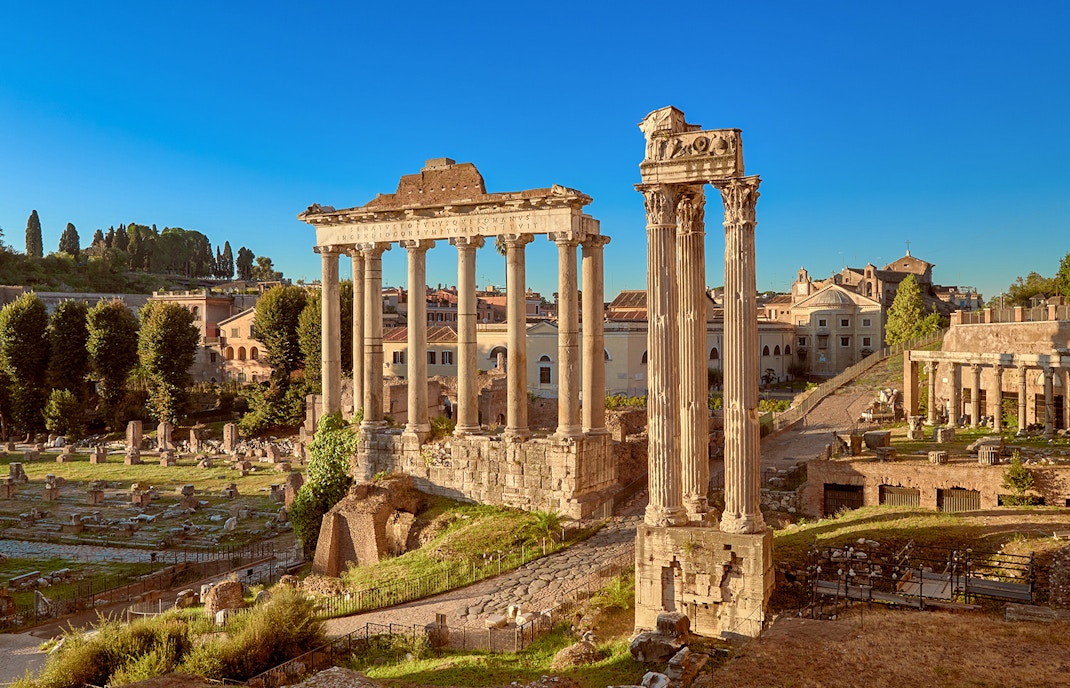
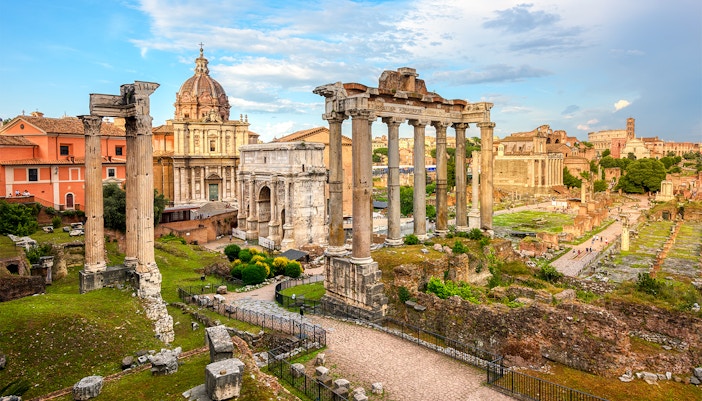
The Roman Forum presents the crux of ancient Rome, being its site of political, economical and religious discourse. Historically and culturally significant, the Roman Forum introduces you to several remains like the Temple of Saturn and the Arch of Septimius Severus, taking you on a journey through time.

Interesting Facts About the Roman Forum

1. Political, Religious and Cultural Centre of Ancient Rome
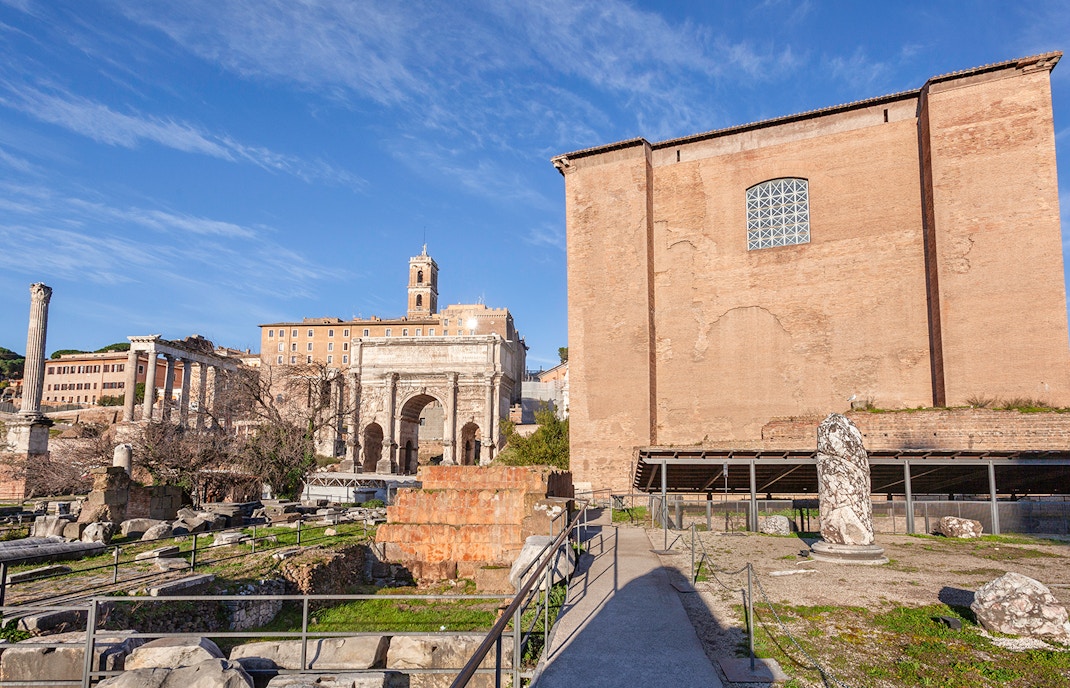
The Roman Forum was the centre of everything in ancient Rome but later evolved into a political and religious centre, attracting thousands of Romans daily. The structure’s history spans over a millennium, something few attractions in the world can match. While Rome is filled with magnificent archaeological sites, the Roman Forum stands apart as is one of the world's most significant ruins.

2. Romulus’ Rumored Burial Site, or Lapis Niger
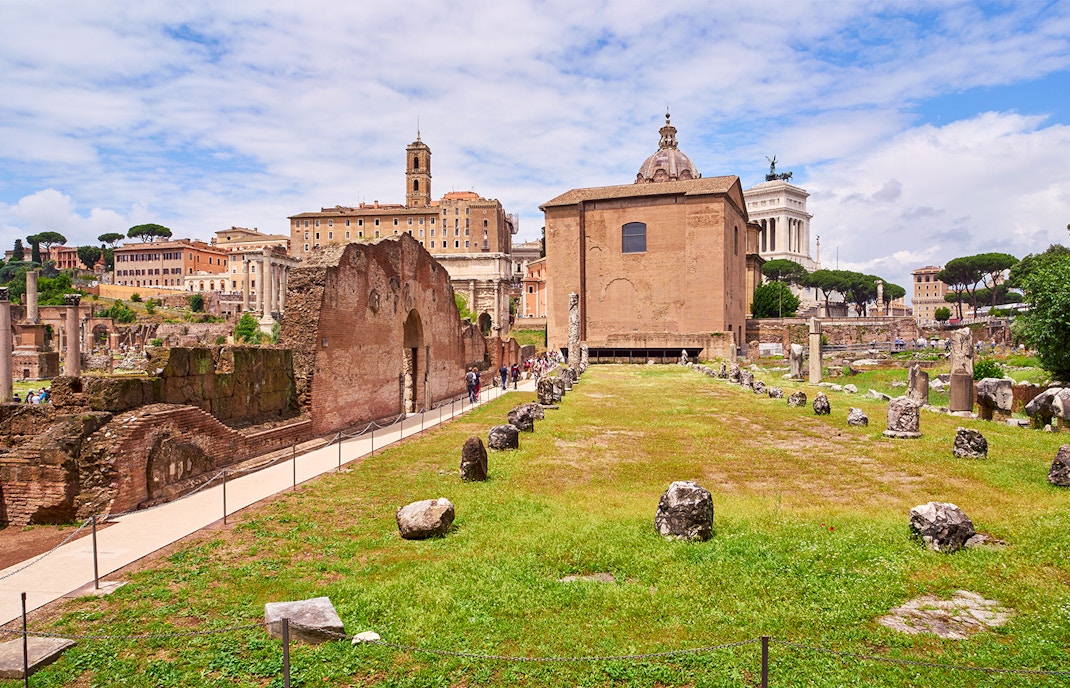
According to legend, one of Rome's founding twins, Romulus, nurtured by a she-wolf, is buried at the site. While the cause of his death isn’t clear, historians say that he was buried within the city. Today, it is marked by the Lapis Niger, a massive black marble, which is located in the Comitium. It contains inscriptions in archaic Latin that is yet to be deciphered.

3. The Roman Forum Became A Grazing Field, or 'Campo Vaccino'
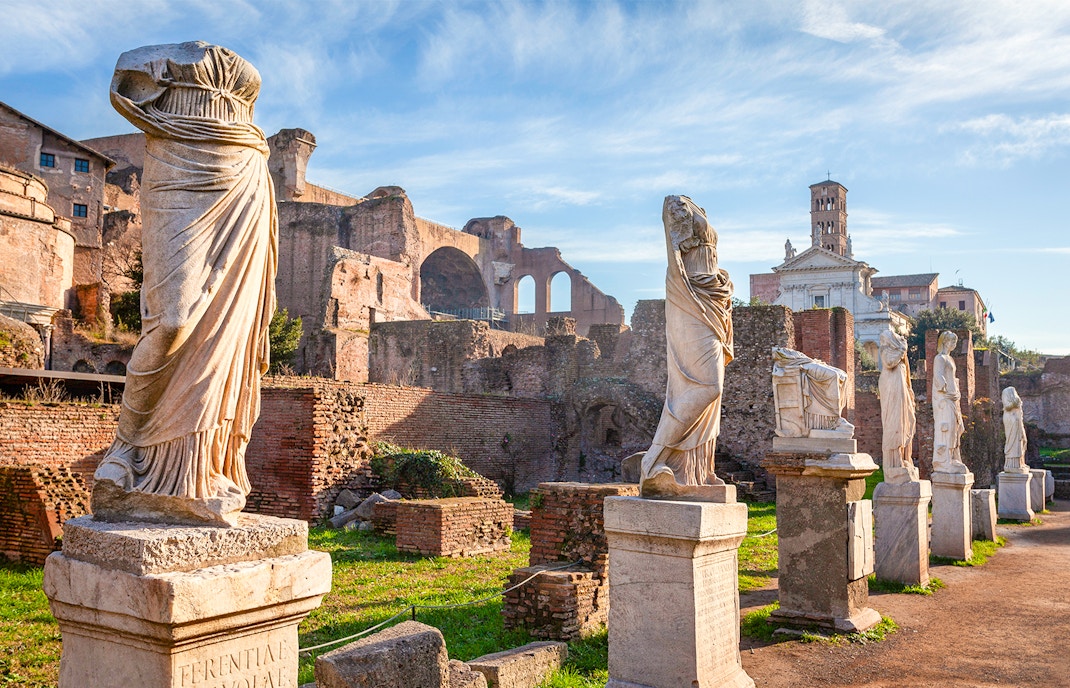
After the fall of the Roman Empire and during the Middle Ages, the Roman Forum fell into neglect and transformed into a grazing field, or ‘Campo Vaccino’. During this period, many of its stones and structures were also stolen for constructing other buildings.

4. The Temple of Vesta Was Home to Vestal Virgins
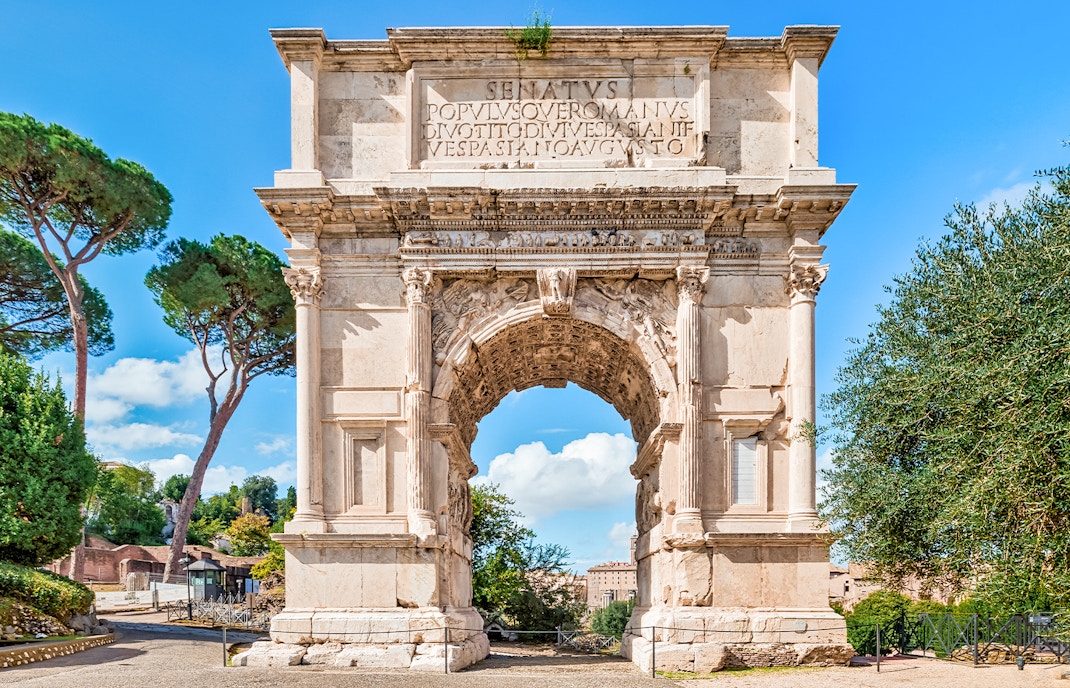
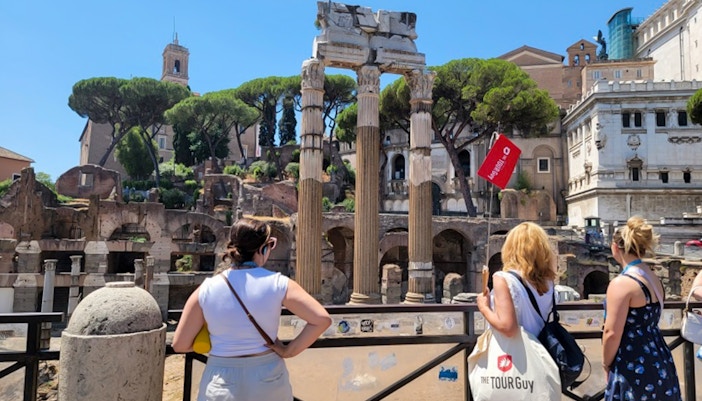
The Roman Forum held various massive structures, including the Temple of Vesta, where girls aged 6 to 10 became priestesses. They tended the sacred fire, fetched water, prepared ritual food, and cared for temple items. However, soon after, they neglected the fire duty and broke their chastity vow, leading to their burial inside the complex.

5. Home to Several Ancient Ruins Like Caesar's Temple, Arch of Titus, etc.
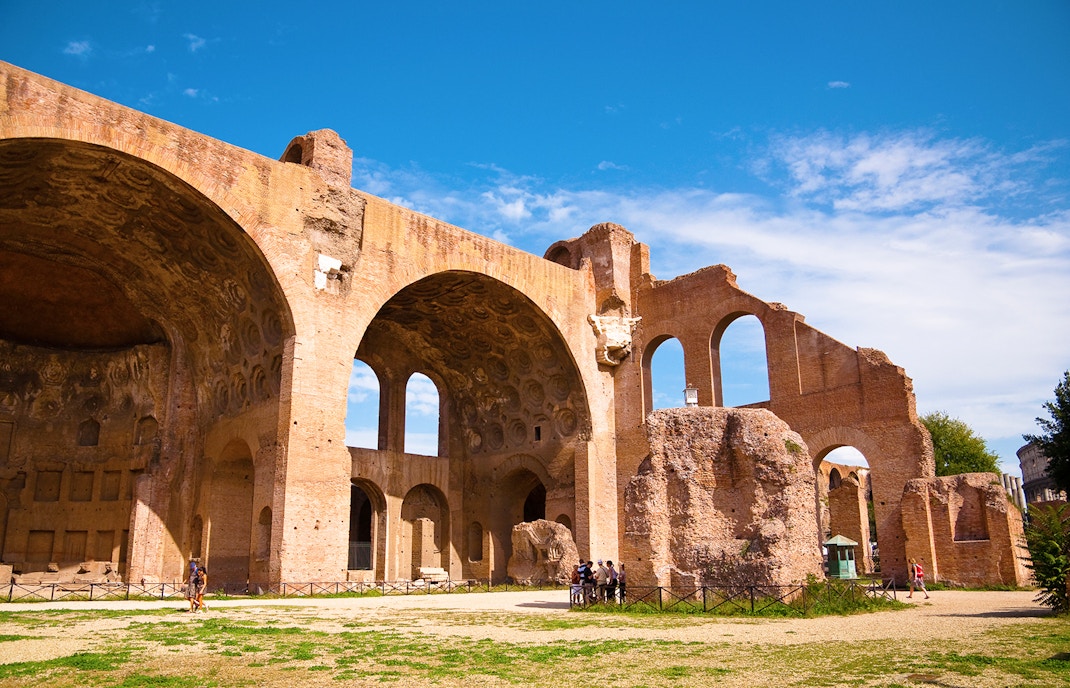
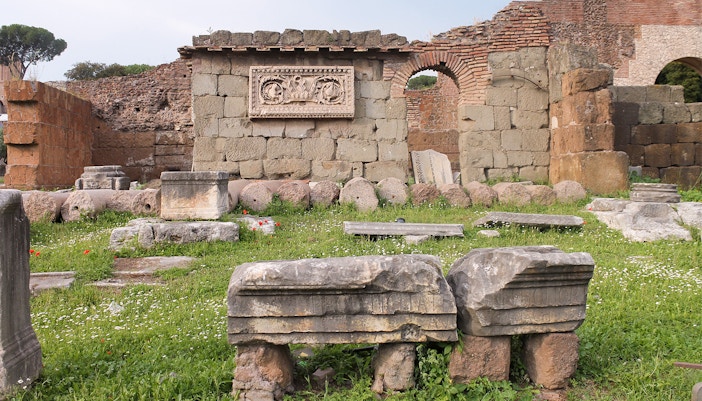
Different emperors added structures like the Temple of Vesta, Temple of Saturn, Arch of Titus, Rostra, Temple of Castor and Pollux and the Senate House, creating layers of artefacts and ruins. These remnants are what draws scores of tourists, as they are standing testaments of previous architectural and engineering might.

6. The Largest Room at the Forum is Basilica of Maxentius
Head to the Basilica of Maxentius, built by Emperor Maxentius and completed by Constantine around 2,000 years ago, to see the Roman Forum's largest structure. Visitors can view the remains of its north aisle, featuring three concrete domes with octagonal ceiling panels. It served various functions, including law courts, business offices, and government premises.

7. The Temple of Saturn is Among Rome’s Oldest Temples
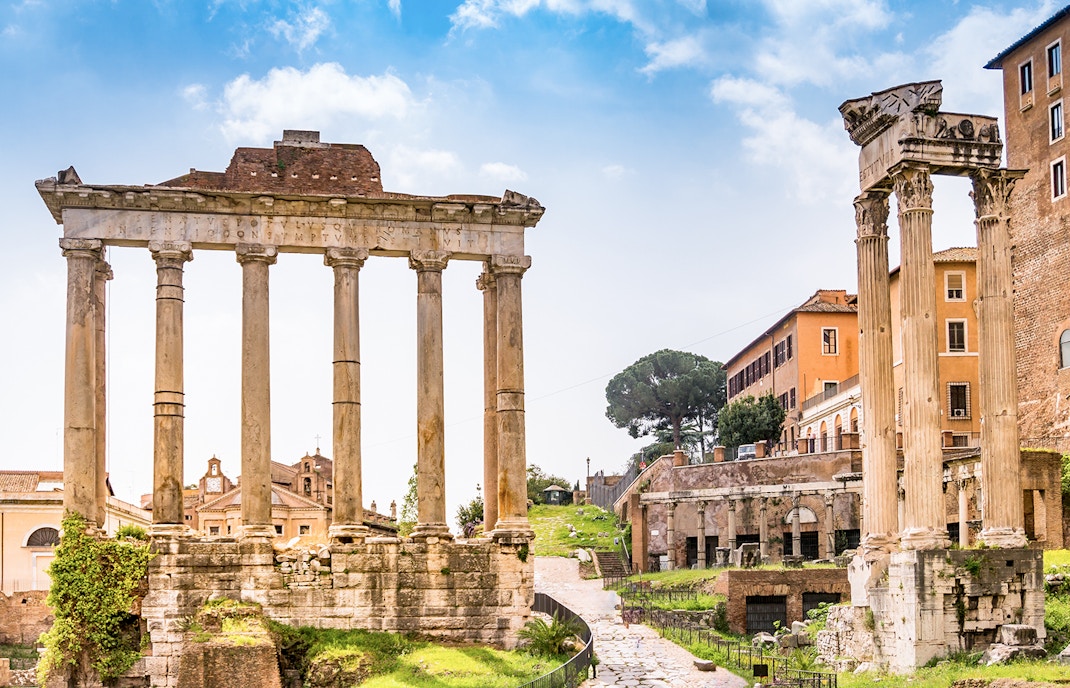
The Temple of Saturn, a revered ancient structure in the Roman Forum, dates back to 497 BC, making it one of the oldest temples in Rome. Dedicated to Saturn, the Roman god of agriculture and wealth, it held significant cultural and religious importance. The temple's iconic eight surviving columns stand as a testament to its former grandeur. Historically, it housed the state treasury, symbolizing Rome's prosperity, and featured prominently in various festivals and ceremonies.

8. The Roman Forum is Home to Julius Caesar’s Remains
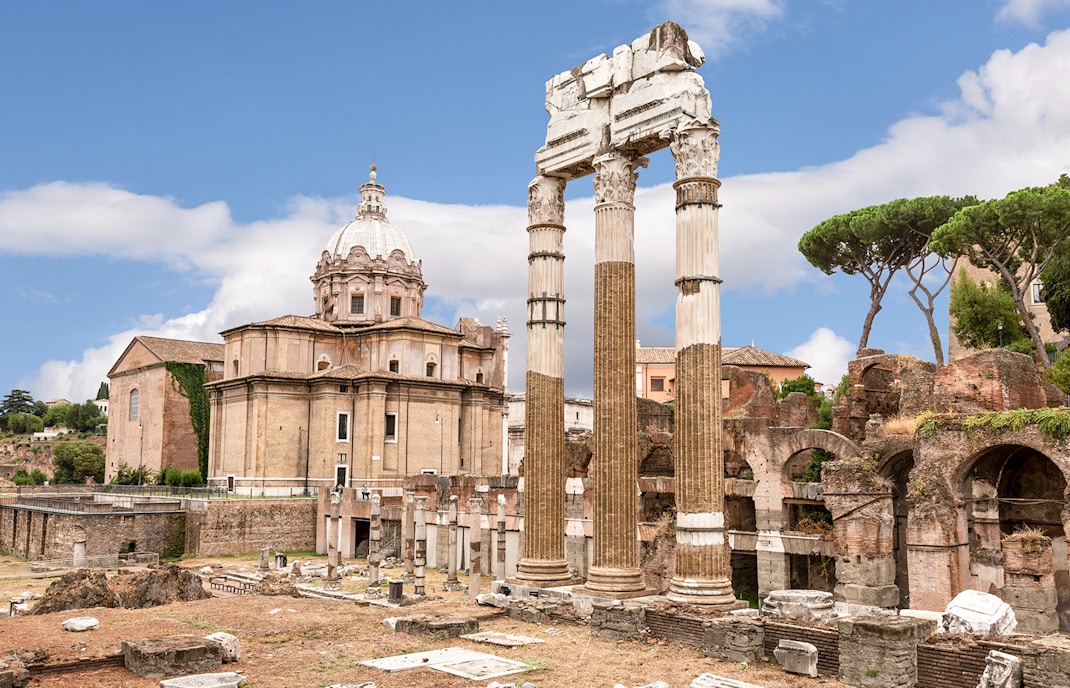
The Temple of Caesar, also known as Caesar's grave, was built after his assassination in 44 BC. Caesar’s public cremation was quite grand, attracting a large crowd who tossed valuable possessions into the fire, nearly causing a blaze. While the site where he was cremated is now in ruins, you can still leave flowers as a tribute.

9. Arch of Septimius Severus Showcases Roman Conquests and War Victories
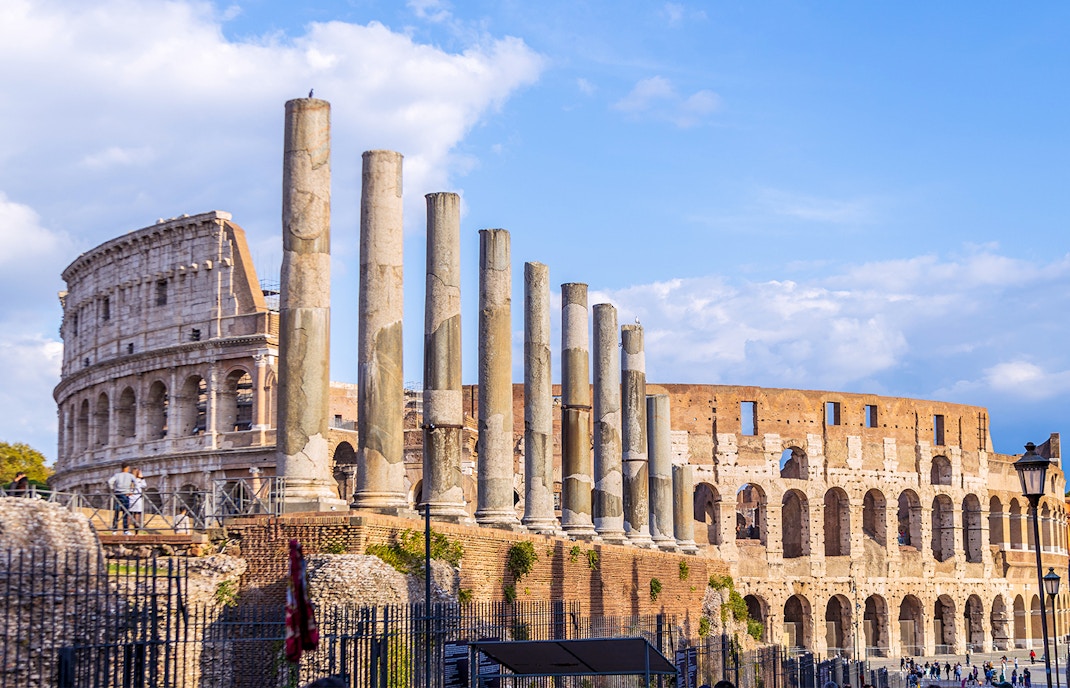
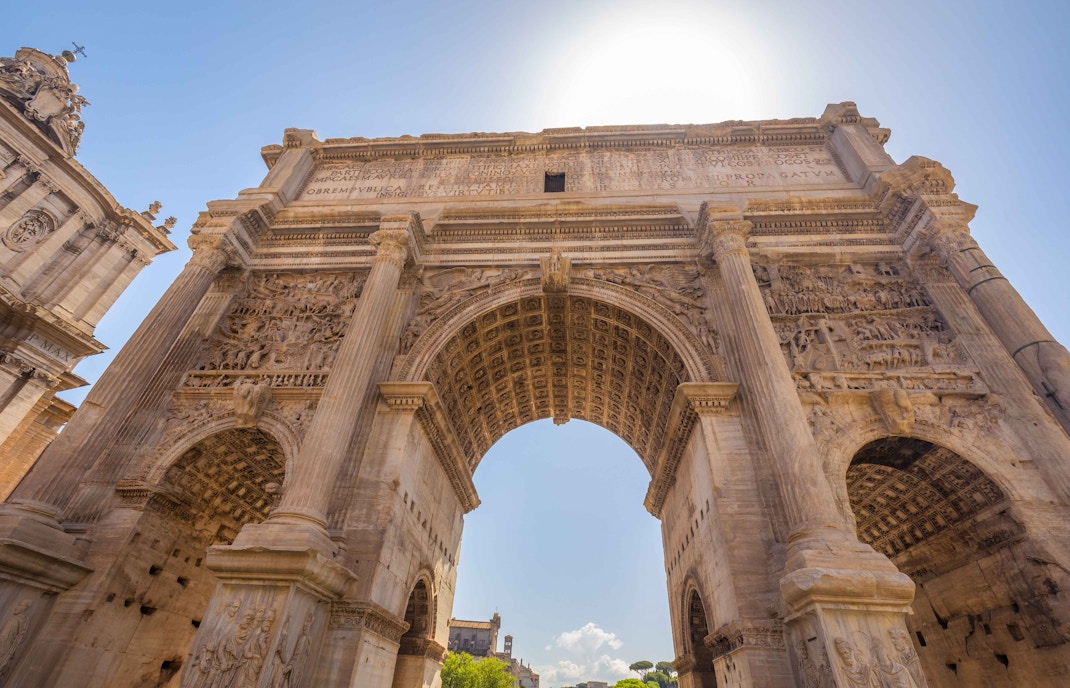
The Arch of Septimius Severus, a striking monument in the Roman Forum, was built in AD 203 to commemorate the victories of Emperor Septimius Severus and his sons in Parthia. This triumphal arch stands as a testament to the might of the Roman Empire, adorned with intricate reliefs depicting military campaigns. It is one of the best-preserved structures in the Forum, offering a glimpse into the grandeur and military prowess of ancient Rome.

10. Cicero's decapitated head was displayed in the Rostra

The famous Roman lawyer and orator Cicero was killed by Mark Antony. Antony then went on to display his head and hand at the Rostra, which is inside the Roman Forum, for the public to see. This landmark event was one of many that ushered in the advent of the Roman Empire. Therefore, the Roman Forum also frequently served as a spot for public executions.

Frequently Asked Questions About the Roman Forum

The Roman Forum is more than 2,500 years old.

More Reads

History

Book Now

Plan your visit

Book Now