Salus Populi Romani – The Protectress of the Roman People

Salus Populi Romani is a venerated Marian icon in the Basilica of Santa Maria Maggiore, depicting the Virgin Mary holding the Child Jesus and symbolizing protection for the people of Rome. This sacred image has inspired devotion for centuries and continues to be a focal point of prayer and pilgrimage.

Where is it located?
Pauline Chapel (Cappella Paolina), Basilica of Santa Maria Maggiore, Rome.

Tickets
Entry is free with general access to the basilica. No separate ticket is required to view the icon.

What makes Salus Populi Romani a masterpiece
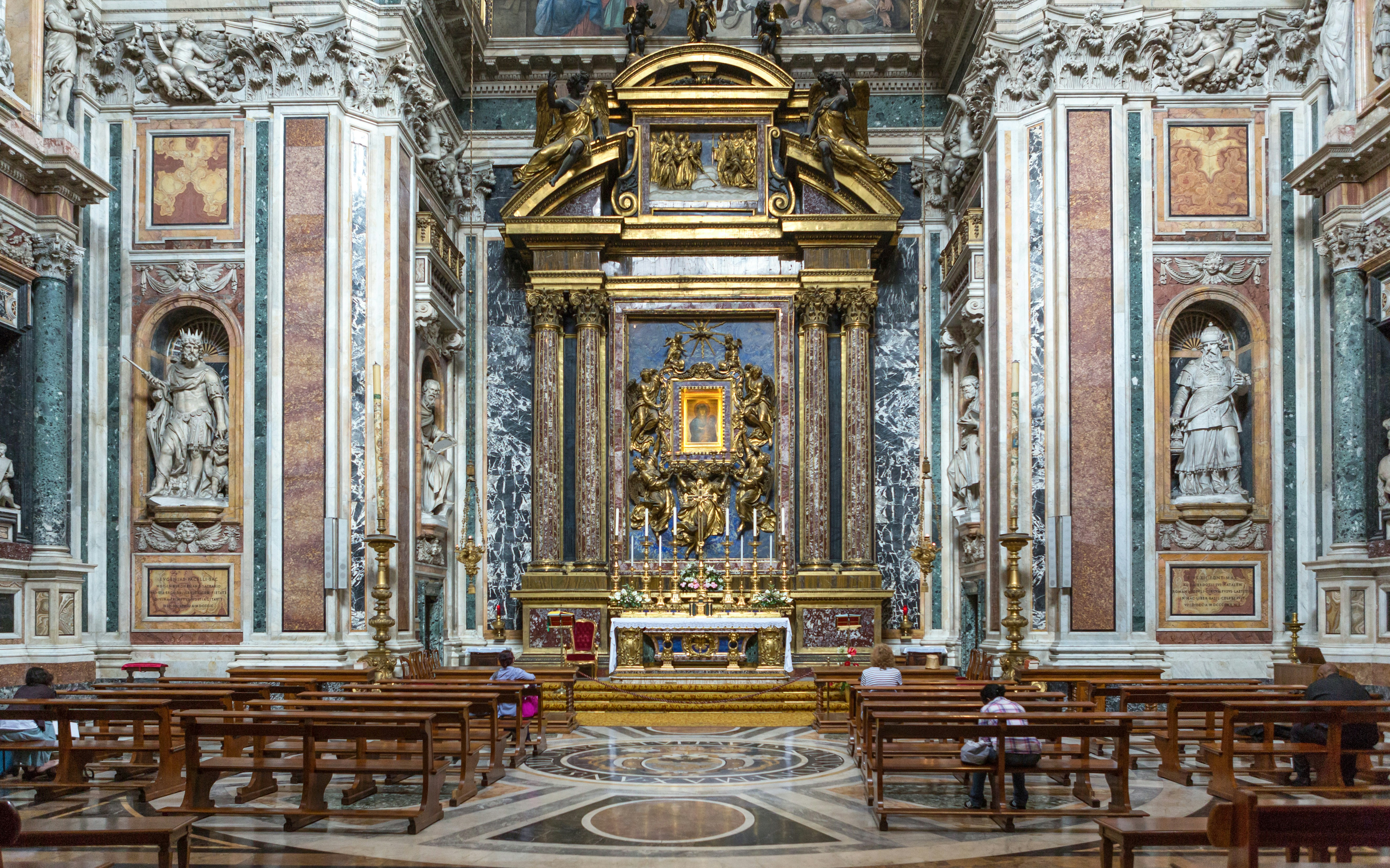
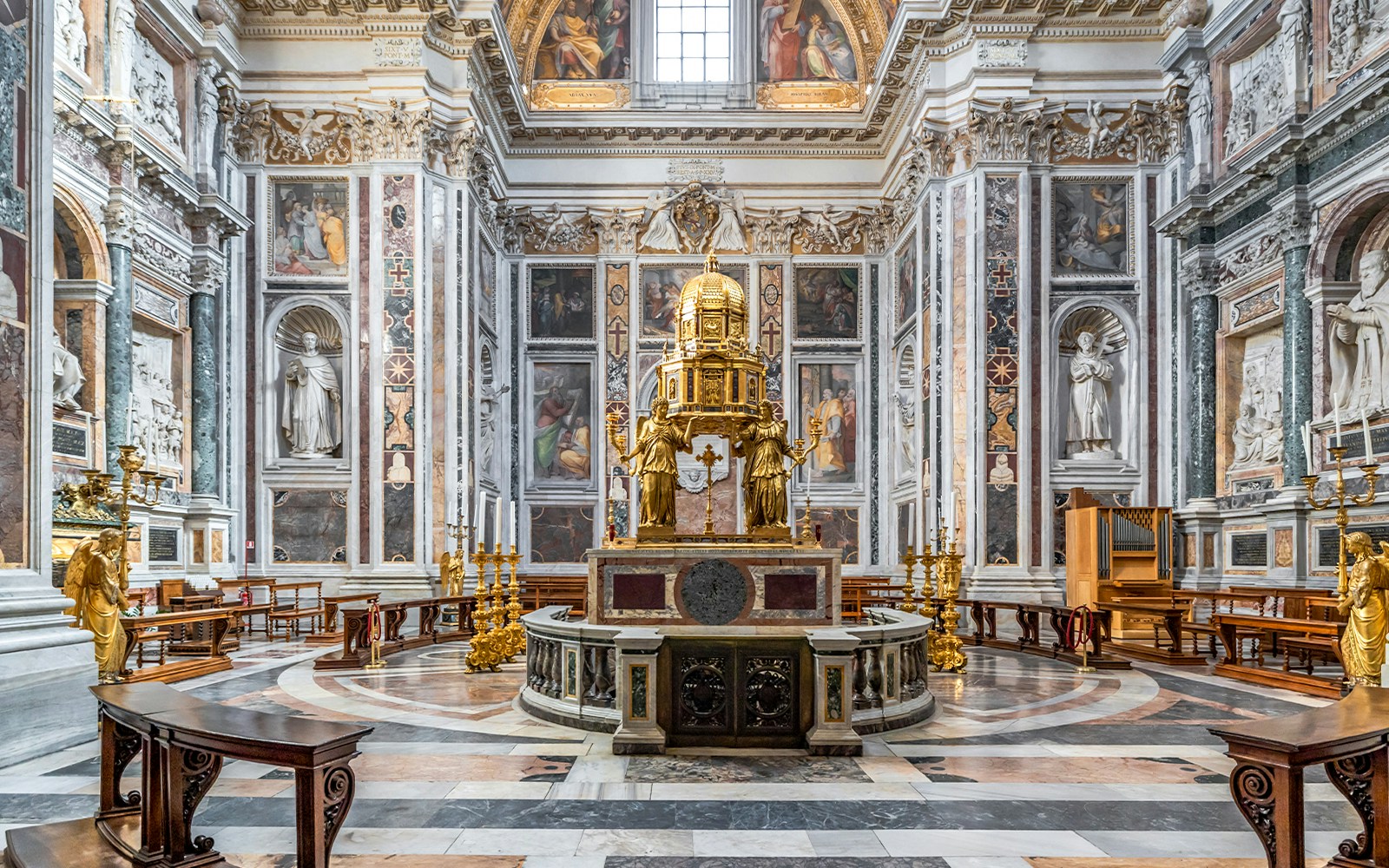
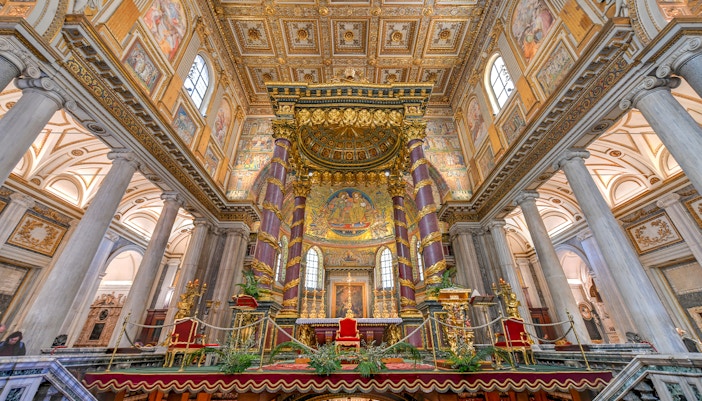
Interior of the Sistine Chapel in the Basilica of Santa Maria Maggiore, Rome, Italy, featuring ornate altar.
1/5

A symbol of protection

Salus Populi Romani has stood as a guardian of Rome for over a millennium. The image embodies the city’s spiritual heart, representing hope and divine care during plagues, wars, and other crises. Its enduring presence makes it more than art, it is a living symbol of faith.

Byzantine artistry

Painted in a Byzantine style, the icon combines formal elegance with spiritual intensity. Mary’s frontal pose, solemn gaze, and the Child’s gesture of blessing create a timeless aura, drawing viewers into contemplation and prayer.

Historical resonance

This icon has been carried in processions by Popes and revered by generations of Romans. Its role in religious and civic life reflects a unique fusion of devotion and culture, making it a key emblem of Rome’s spiritual identity.

Emotional intimacy

Unlike grandiose altarpieces, the icon’s simplicity evokes a direct connection between the viewer and the sacred. The tender depiction of Mary and Jesus conveys warmth, comfort, and reassurance, inviting personal reflection and devotion.

Influence and legacy

Salus Populi Romani has inspired Marian devotion worldwide, with countless reproductions and veneration practices. Its blend of artistic beauty, spiritual power, and historical significance cements its place as one of the most important icons in Christian tradition.
How to best visit Salus Populi Romani

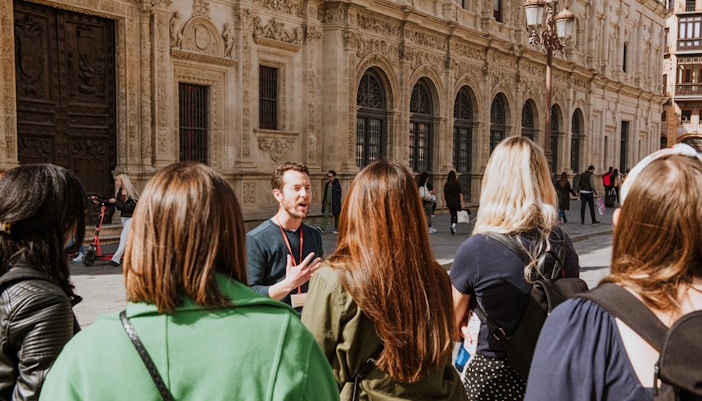
Enhance your experience with a guide

A guided tour can explain the icon’s rich history, Marian symbolism, and devotional practices that give deeper meaning to what you see.

Best viewing distance

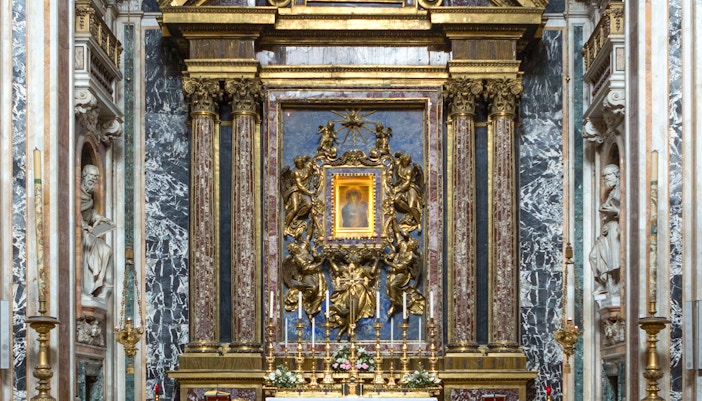
Stand a few metres back to take in the full panel and the Child’s gesture of blessing, allowing you to absorb both detail and overall composition.

Observe the symbolism

Notice Mary’s solemn gaze, the Child’s raised hand, and the formal Byzantine style, each element conveys protection, authority, and spiritual presence.

Quiet times

Visit early in the morning or late afternoon to experience a more contemplative atmosphere, away from larger crowds.

Photography tips

Photography is allowed without flash. Adjust your angle to reduce reflections from protective glass and capture the icon’s colors and textures.

Take your time

Spend 10–15 minutes in reflection. Consider the historical and spiritual significance, the centuries of devotion, and the connection to Rome’s people before moving on.

Did you know?

  • Salus Populi Romani has been venerated in Rome for over a thousand years.
  • The icon is traditionally believed to have been painted by Saint Luke, though the visible surface mainly reflects medieval overpainting.
  • Mary’s frontal gaze and the Child’s gesture of blessing convey both authority and protection, inviting personal devotion.
  • The icon has been carried in papal processions during plagues, wars, and other crises, symbolizing hope and divine care for the city.
  • Popes throughout history, from Gregory I to Pope Francis, have prayed before this icon, reinforcing its central role in Roman spiritual life.
  • Copies of Salus Populi Romani are found worldwide, spreading its influence on Marian devotion far beyond Rome.
  • Its combination of artistic beauty, spiritual power, and historical importance makes it a must-see for visitors to Santa Maria Maggiore.

Story behind Salus Populi Romani

Origin and commission

Salus Populi Romani is traditionally believed to have been brought to Rome in the 6th century, during the pontificate of Pope Gregory I. Its arrival marked the beginning of its role as a spiritual protector of the city, quickly becoming central to Marian devotion and civic religious life.

Artistic phase and technique

The icon reflects Byzantine artistic conventions, with a frontal, solemn composition, gold accents, and formalized gestures. The serene expressions and restrained style emphasize spiritual authority and timeless devotion rather than dramatic narrative.

Evolution and reception

Over centuries, the icon has been carefully restored and overpainted, yet its spiritual power has remained constant. Popes and pilgrims alike have venerated it in processions and public ceremonies, making it both an object of art and a living symbol of Rome’s faith.

Legacy and impact

Salus Populi Romani has inspired Marian devotion across the world, influencing religious art and practice. Its enduring presence in Santa Maria Maggiore underscores its importance as a symbol of protection, continuity, and spiritual reflection for generations of worshippers.

Who created Salus Populi Romani?

Interior of the Sistine Chapel in the Basilica of Santa Maria Maggiore, Rome, Italy, featuring ornate altar.

Salus Populi Romani is traditionally attributed to Saint Luke the Evangelist, who, according to Christian tradition, painted the first portraits of Mary and Jesus. While the visible icon today largely reflects medieval overpainting and restorations, its origins are rooted in early Byzantine artistic conventions.

The icon’s enduring power comes not only from its artistry but also from its role in centuries of devotion, carried in papal processions, venerated during crises, and inspiring Marian worship across Rome and beyond. Its combination of solemn beauty, spiritual authority, and historical significance makes it a cornerstone of Christian iconography and a living testament to faith.

Frequently asked questions about Salus Populi Romani

Do I need a ticket to see Salus Populi Romani?

No, entry to Santa Maria Maggiore is free, and the icon is visible within the basilica during opening hours.

What are the opening hours of Santa Maria Maggiore?

The basilica is generally open daily from 7am to 7pm with last entry at 6:30pm. Visiting early or late in the day is recommended for a quieter experience.

Can I take photographs of Salus Populi Romani?

Yes, photography is allowed without flash. Be mindful of reflections from protective glass and respect the sacred environment.

Is there a guided tour available to know more about Salus Populi Romani?

Yes, guided tours of the basilica often include the Pauline Chapel, where a guide can explain the icon’s history, symbolism, and devotional significance.

More reads

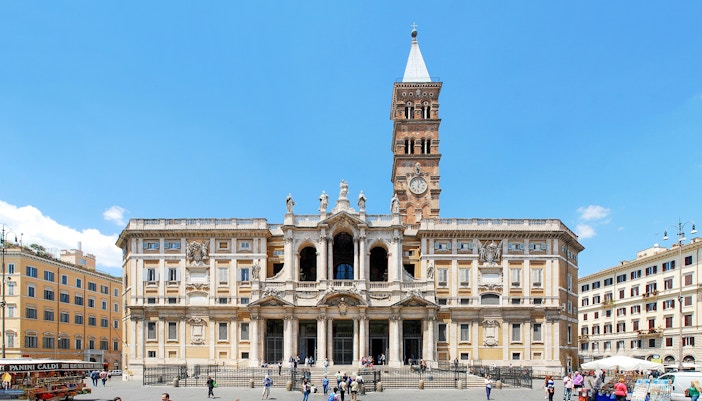
Basilica di Santa Maria Maggiore facade with bell tower in Rome, Italy.

About

Altar of Basilica Santa Maria Maggiore in Rome with gold detailing and ornate columns.

Plan your visit

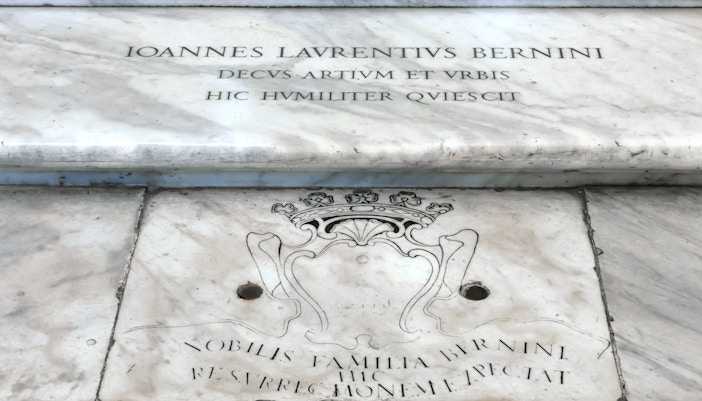
Tombstone of Gian Lorenzo Bernini at Basilica Papale di Santa Maria Maggiore, Rome.

Santa Maria Maggiore burials