Santa Maria Maggiore burials

Santa Maria Maggiore is one of the few major churches in Rome that also serves as a final resting place for popes, artists, and influential historical figures. Scattered across its chapels and nave are tombs that reflect centuries of papal history, artistic legacy, and devotion. Unlike the Vatican necropolis or dedicated crypts, burials here are integrated into the basilica’s active worship spaces. Visitors can view papal tombs, simple floor markers, and richly decorated chapels while exploring the church at their own pace.

Inside Santa Maria Maggiore’s burial spaces
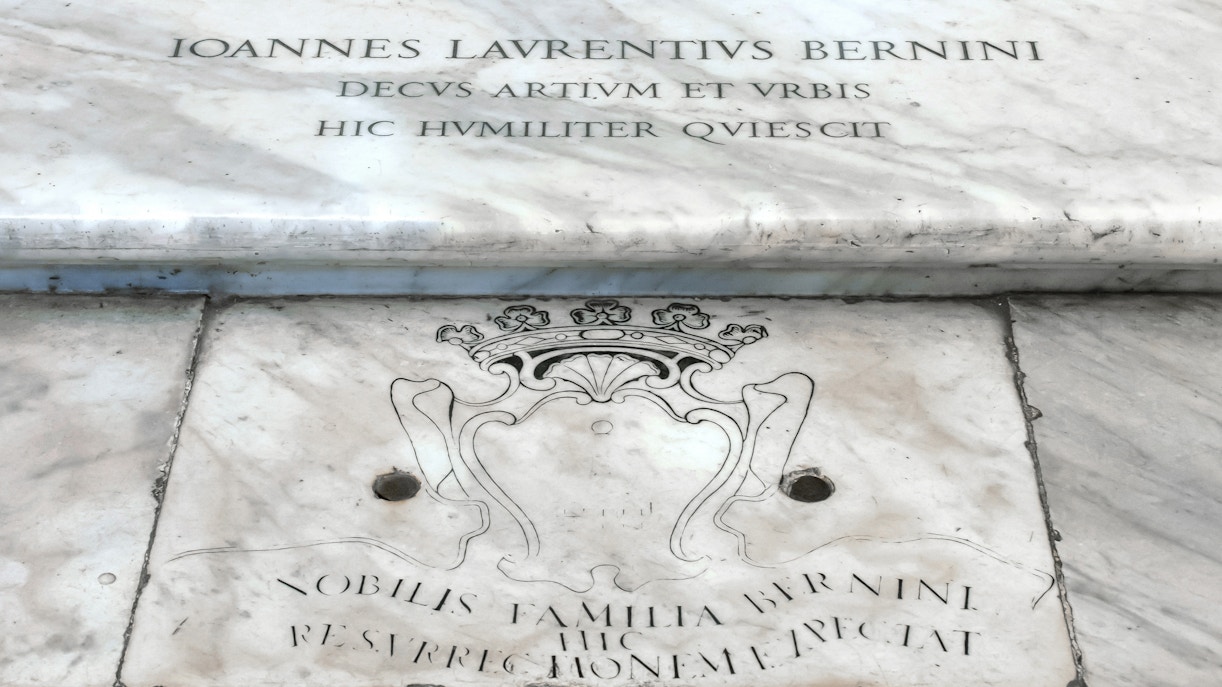
Tombstone of Gian Lorenzo Bernini at Basilica Papale di Santa Maria Maggiore, Rome.
  • A long-standing burial site: Santa Maria Maggiore has been used as a burial place since the Middle Ages, mainly for popes, senior clergy, and prominent Roman families.
  • Burials within the basilica: Unlike underground crypts or necropolises, most tombs are located inside the basilica itself, across chapels, side aisles, and the nave floor.
  • Papal burial traditions: Several popes are buried here, with key chapels such as the Cappella Sistina and the Borghese Chapel serving as important papal burial spaces.
  • Beyond papal tombs: The basilica also contains graves of notable artists and patrons, highlighting its role beyond purely ecclesiastical burials.
  • Varied burial styles: From elaborate Baroque tombs to simple stone floor markers, the burials reflect different periods and traditions in Church funerary practices.

Papal burials in Santa Maria Maggiore Basilica

Pope Honorius III (1216–1227)

One of the earliest popes buried at Santa Maria Maggiore, his tomb reflects the basilica’s importance as a papal church during the medieval period.

Pope Nicholas IV (1288–1292)

The first Franciscan pope, Nicholas IV was buried here following his death in Rome, reinforcing the basilica’s role as a preferred papal burial site in the late Middle Ages.

Pope St. Pius V (1566–1572)

A central figure of the Counter-Reformation, St. Pius V is buried in the Cappella Sistina, a monumental chapel commissioned by Pope Sixtus V. His tomb remains one of the most visited papal graves in the basilica.

Pope Sixtus V (1585–1590)

Known for reshaping Rome’s urban landscape, Sixtus V is also buried in the Cappella Sistina. His tomb reflects the grandeur and authority of the late Renaissance papacy.

Pope Clement VIII (1592–1605)

Clement VIII is interred in the Borghese Chapel (Cappella Paolina), one of the basilica’s richest Baroque spaces, built by the Borghese family.

Pope Clement IX (1667–1669)

Though his papacy was brief, Clement IX was known for his cultural patronage. His burial here continues the tradition of papal interments within the basilica.

Pope Paul V (1605–1621)

A member of the Borghese family, Paul V is also buried in the Borghese Chapel, which he personally commissioned and decorated during his papacy.

Pope Francis (2013–2025)

His simple tomb reflects his emphasis on humility and devotion, particularly to the Virgin Mary, to whom the basilica is dedicated.

Pope Francis’ burial at Santa Maria Maggiore Basilica

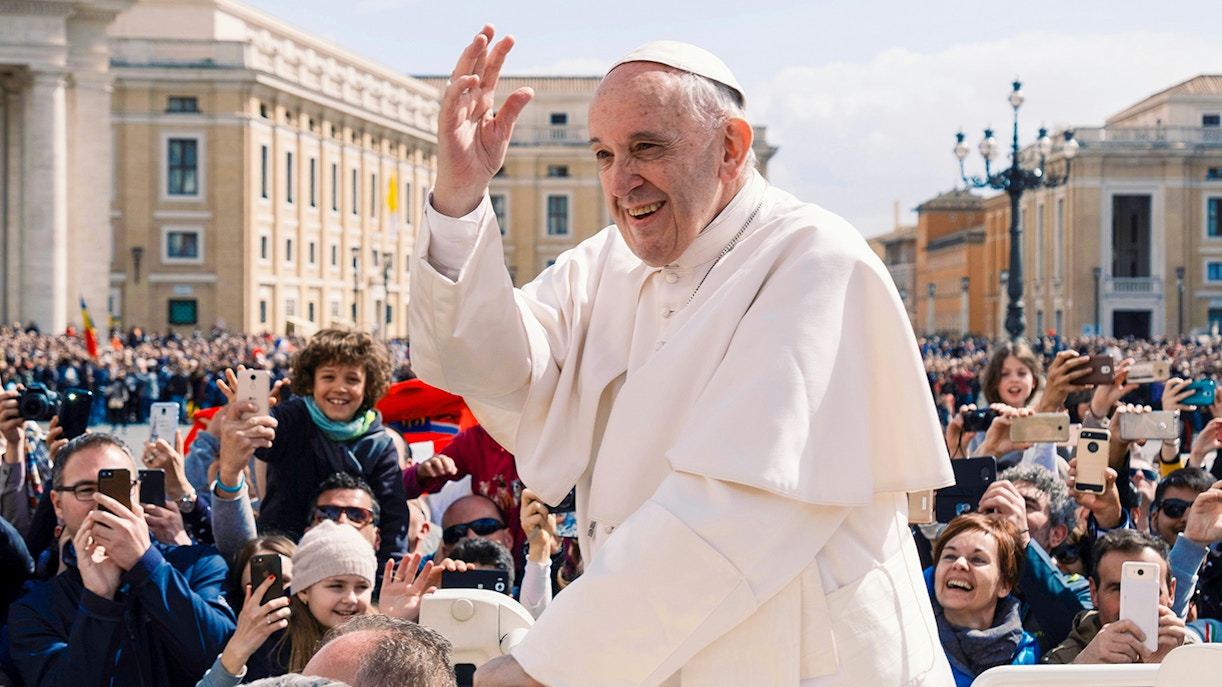
Pope Francis greeting crowd in a gathering.
  • A break from tradition: Pope Francis chose Santa Maria Maggiore as his burial place instead of St. Peter’s Basilica, departing from long-standing papal custom.
  • Personal devotion to the Virgin Mary: His choice reflects his deep devotion to Mary, whom he honored with regular visits to the basilica before and after his apostolic journeys.
  • A simple tomb: The tomb is intentionally modest, marked only with the name Franciscus, in keeping with the humility that characterized his papacy.
  • Accessible to visitors: The tomb is located in an open, easily accessible area of the basilica and can be visited during regular opening hours.
  • Modern significance: Pope Francis’ burial reinforces Santa Maria Maggiore’s role as a contemporary papal burial site, connecting centuries of tradition with modern Church values.

Papal tombs inside Santa Maria Maggiore Basilica

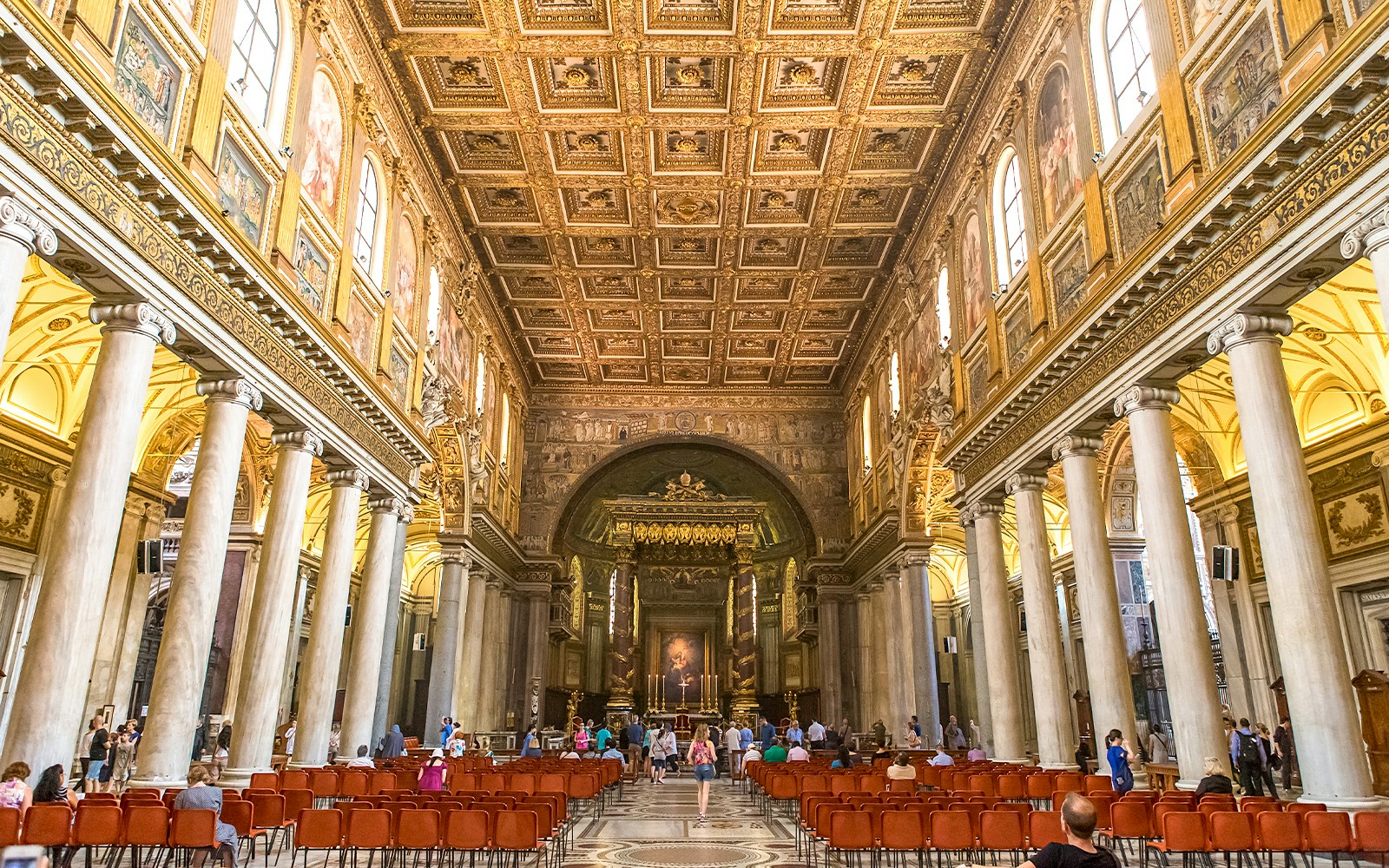
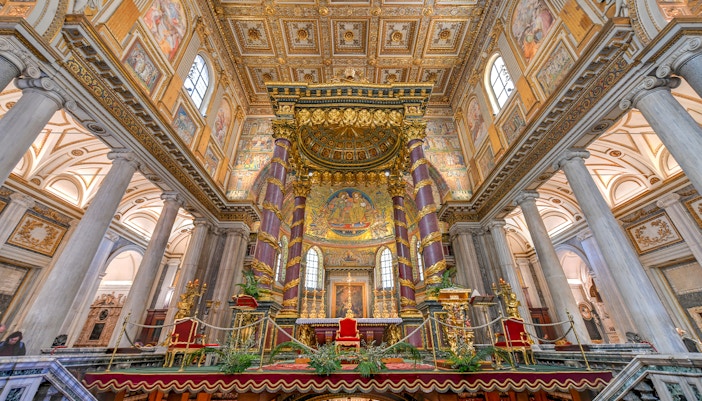
Visitors at the altar of Basilica Santa Maria Maggiore, Rome, with ornate ceiling and columns.
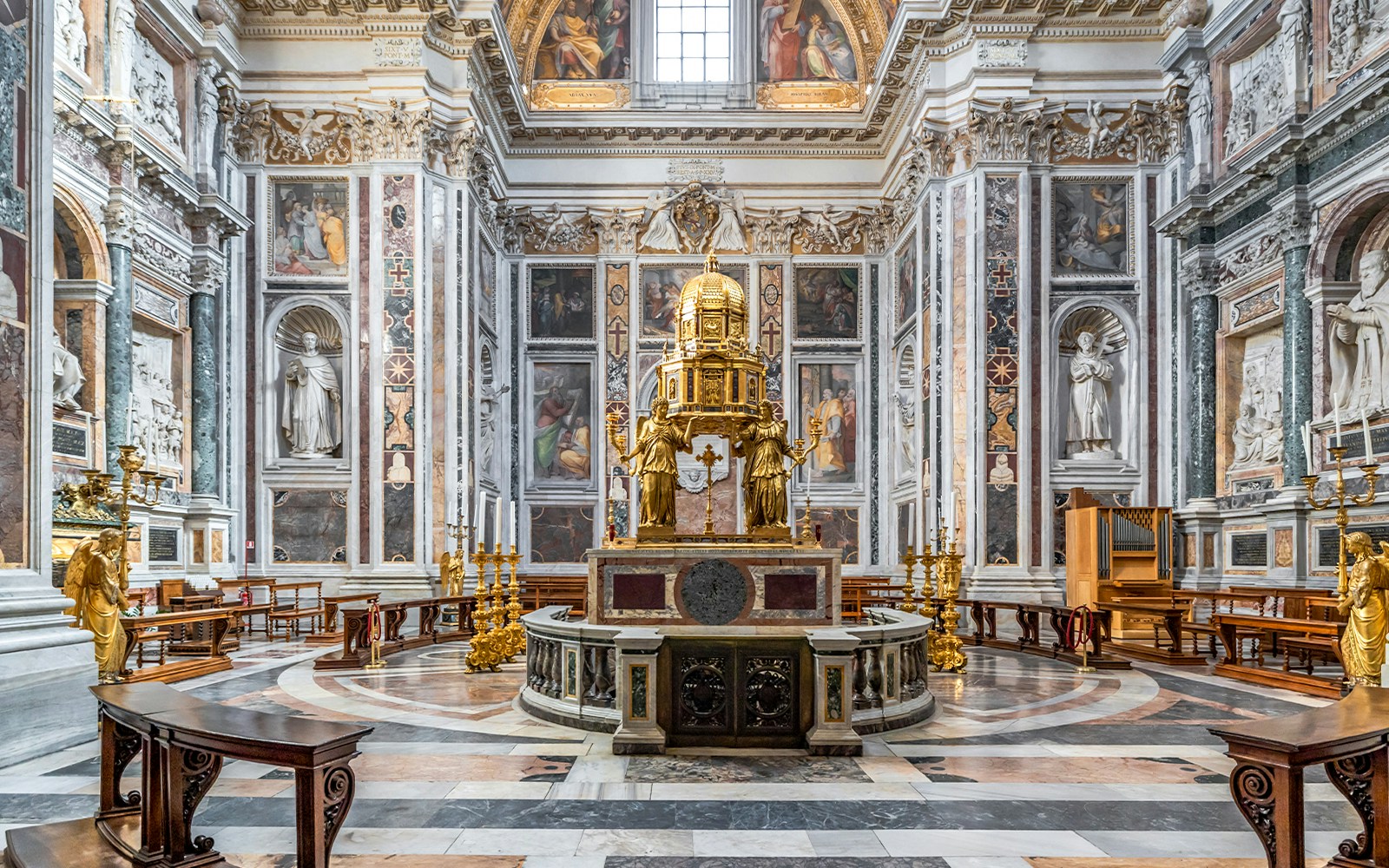
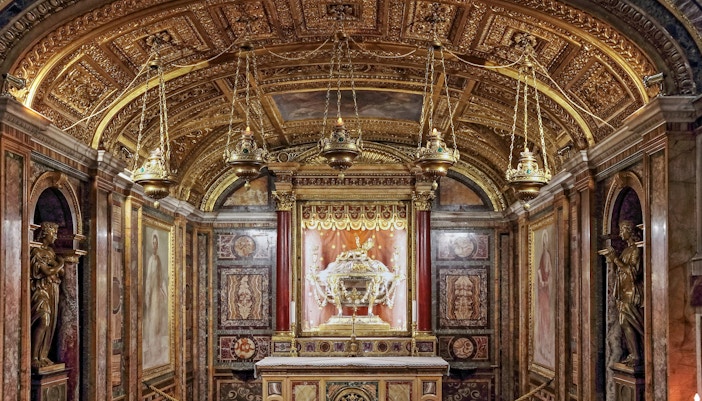
Interior of the Sistine Chapel in the Basilica of Santa Maria Maggiore, Rome, Italy, featuring ornate altar.
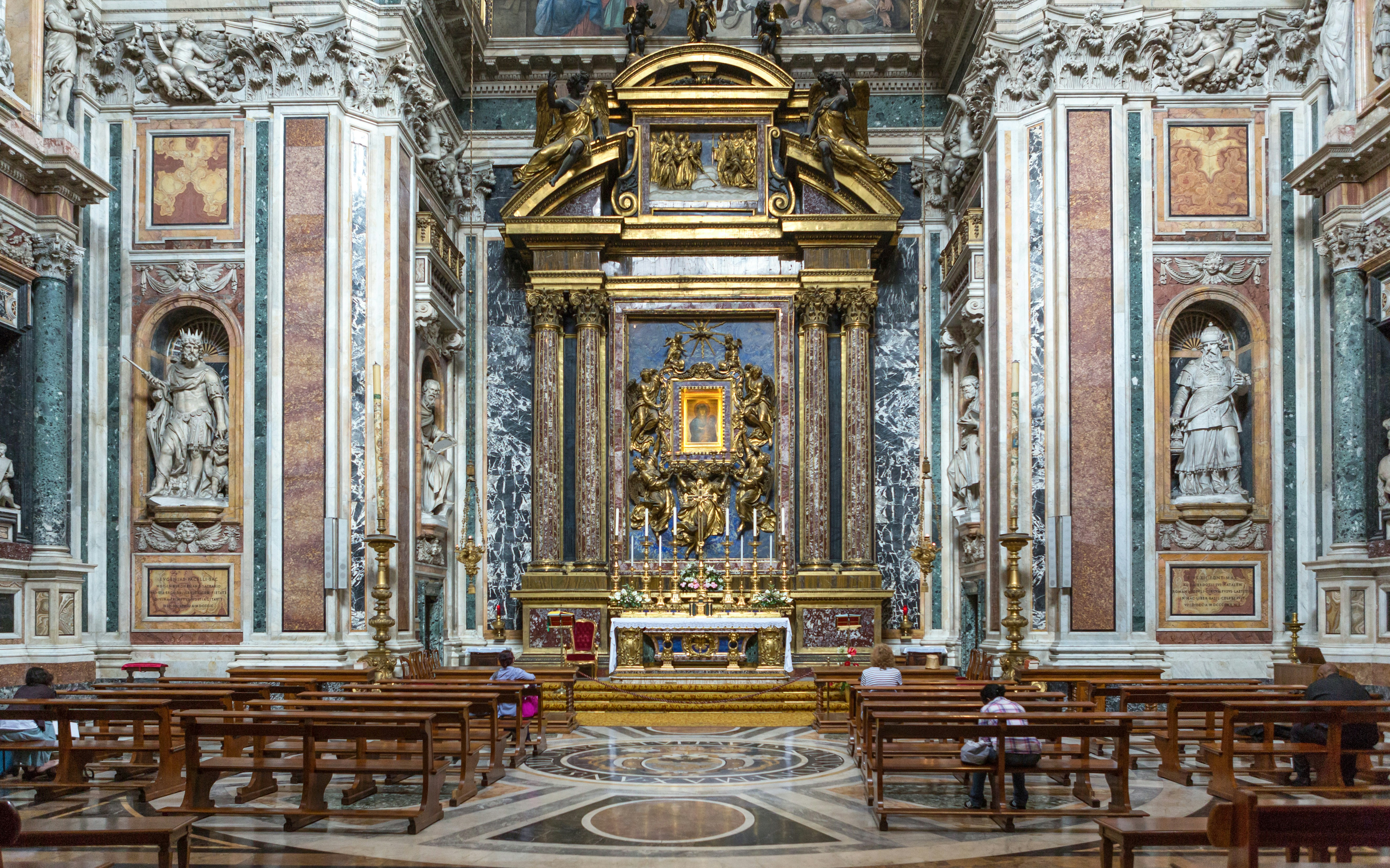
Borghese Chapel altar with ornate gold details inside Santa Maria Maggiore, Rome.
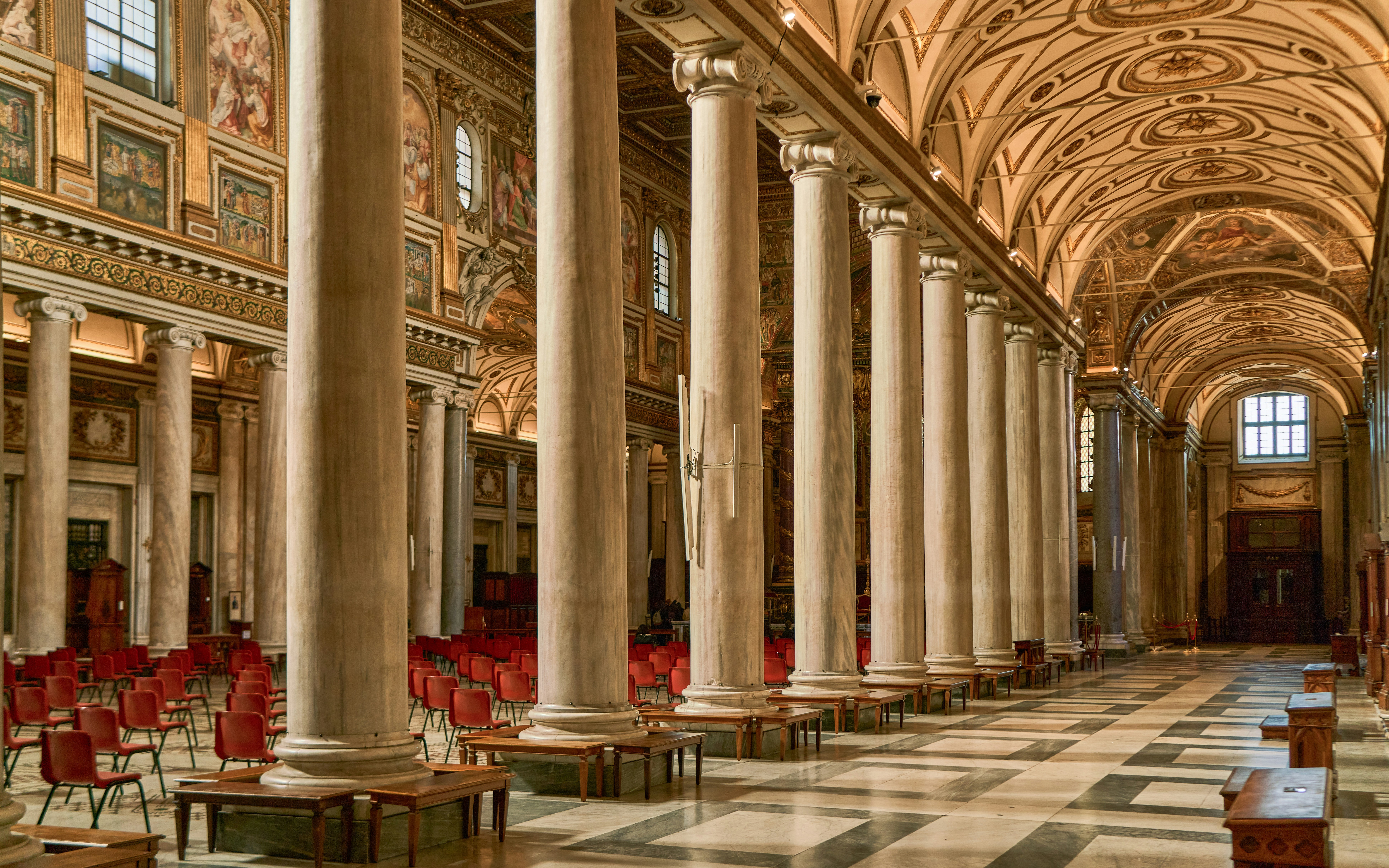
Santa Maria Maggiore basilica interior
1/4

Pope Francis’ tomb location

Pope Francis’ tomb is situated in a modest, easily accessible area of the basilica rather than a monumental chapel. Its placement and simplicity reflect his personal wishes and distinguish it from earlier papal burials.

Cappella Sistina (Chapel of Sixtus V)

Located to the right of the main altar, this grand chapel houses the tombs of Pope Sixtus V and Pope St. Pius V. Designed as a papal mausoleum, it is one of the most visually striking spaces in the basilica, with large monuments, rich decoration, and a strong sense of ceremonial grandeur.

Borghese Chapel (Cappella Paolina)

Found on the opposite side of the nave, the Borghese Chapel contains the tombs of Pope Paul V and Pope Clement VIII. Commissioned by the Borghese family, this chapel is known for its ornate Baroque decoration and symmetrical layout, making the papal tombs easy to identify.

Side aisles and nave areas

Other papal burials, including those of Pope Honorius III, Pope Nicholas IV, and Pope Clement IX, are located in less prominent areas along the side aisles or within the nave. These tombs are generally simpler in design but remain clearly marked and accessible to visitors.

Notable non-Papal burials in Santa Maria maggiore Basilica

Gian Lorenzo Bernini

One of the greatest artists of the Baroque period, Bernini is buried in Santa Maria Maggiore alongside his father, Pietro Bernini. His grave is marked by a simple floor tomb in the nave, reflecting his personal humility despite his immense artistic legacy in Rome.

Pietro Bernini

A respected sculptor in his own right and father of Gian Lorenzo Bernini, Pietro Bernini is buried with his son, making their shared tomb a point of interest for art history enthusiasts.

Members of the Borghese family

Several members of the influential Borghese family are buried within the basilica, particularly in connection with the Borghese Chapel. Their presence highlights the close ties between powerful Roman families and the church.

Other clerics and patrons

The basilica also contains the graves of high-ranking clerics and benefactors who contributed to its development and decoration over the centuries.

Visitor tips

  • Arrive early: Beat the crowds by visiting in the morning, especially for popular chapels like Cappella Sistina and Borghese Chapel.
  • Follow a route: Start from the main nave and move through side aisles to easily locate papal and notable tombs.
  • Check chapel access: Some chapels may close temporarily for services or maintenance; look for signs or ask staff.
  • Dress appropriately: Modest clothing is required inside the basilica, particularly near tombs and chapels.
  • Take your time: Many tombs are integrated into the floor or side chapels; pause to notice inscriptions and details.
  • Photography etiquette: Flash photography is discouraged. Be respectful of worshippers while taking pictures.
  • Consider a guided tour: Tours provide historical context and help locate specific tombs.

Freqently asked questions about Santa Maria Maggiore burials

How many popes are buried here?

Santa Maria Maggiore is the final resting place for eight popes, including Pope Francis, Sixtus V, and St. Pius V.

Can I visit Pope Francis’ tomb?

Yes, his tomb is located in an easily accessible area of the basilica and can be visited during regular opening hours.

Are guided tours available for the tombs?

Many guided tours of Santa Maria Maggiore include the papal and notable burials, offering historical context and helping visitors locate specific tombs.

Can I take photos of the tombs?

Photography is generally allowed, but flash should be avoided, and visitors should be respectful of worshippers.

Are all chapels with tombs open to visitors?

Most chapels are accessible, though some may close temporarily for services or maintenance.

How long does it take to see all the burials?

A focused visit to the tombs can take 30–60 minutes, depending on your pace and interest.

Is there any additional cost to see the tombs?

Entry to the basilica is typically free. However, special guided tours or combined experiences may have a fee.

More reads

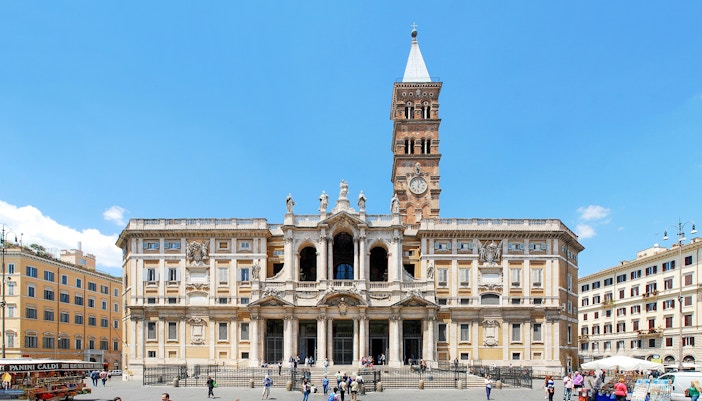
Basilica di Santa Maria Maggiore facade with bell tower in Rome, Italy.

About

Interior of the Sistine Chapel in the Basilica of Santa Maria Maggiore, Rome, Italy, featuring ornate altar.

Timings

Borghese Chapel interior with ornate altar and statues, Santa Maria Maggiore, Rome.

Plan your visit