Neighborhood at a glance

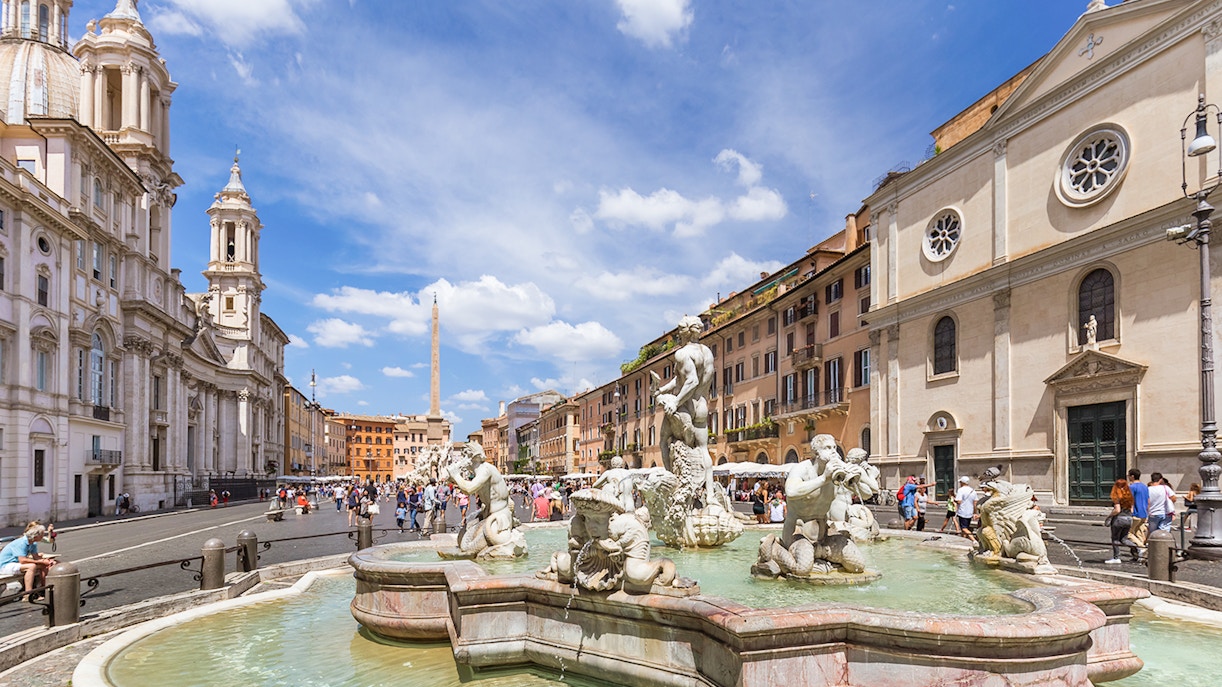
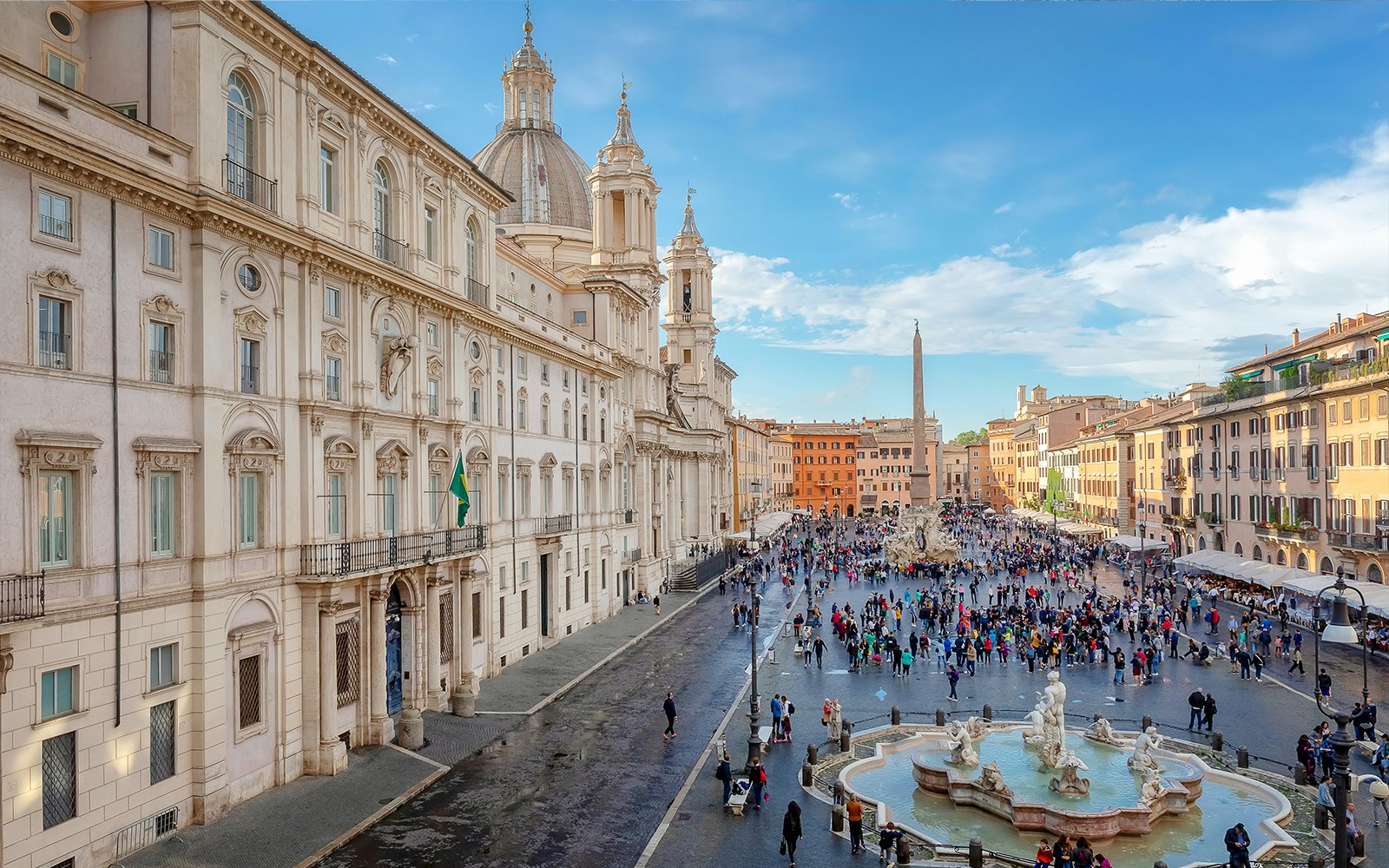
  • Why visit: Centro Storico is Rome's historic core — the dense grid of streets where the Colosseum, Roman Forum, Pantheon, and Piazza Navona exist within walking distance of each other. Nowhere else in the world concentrates ancient, medieval, Renaissance, and Baroque monuments at this density.
  • Atmosphere: Grand, layered, historic, tourist-active, endlessly walkable
  • Top things to do: Walk the Roman Forum and Palatine Hill, stand inside the Colosseum, see the Pantheon's unreinforced concrete dome, explore Piazza Navona, tour the Vatican Museums and Sistine Chapel, take a pasta-making class with a local chef
  • Best for: First-time Rome visitors, history enthusiasts, food lovers, architecture fans
  • Time needed: 2 days minimum to cover the major sites without rushing
  • Best time to visit: Early morning on weekdays — the Colosseum and Roman Forum are most manageable before 9am; the Pantheon before 10am. Avoid Saturdays in summer when all sites are at maximum capacity.
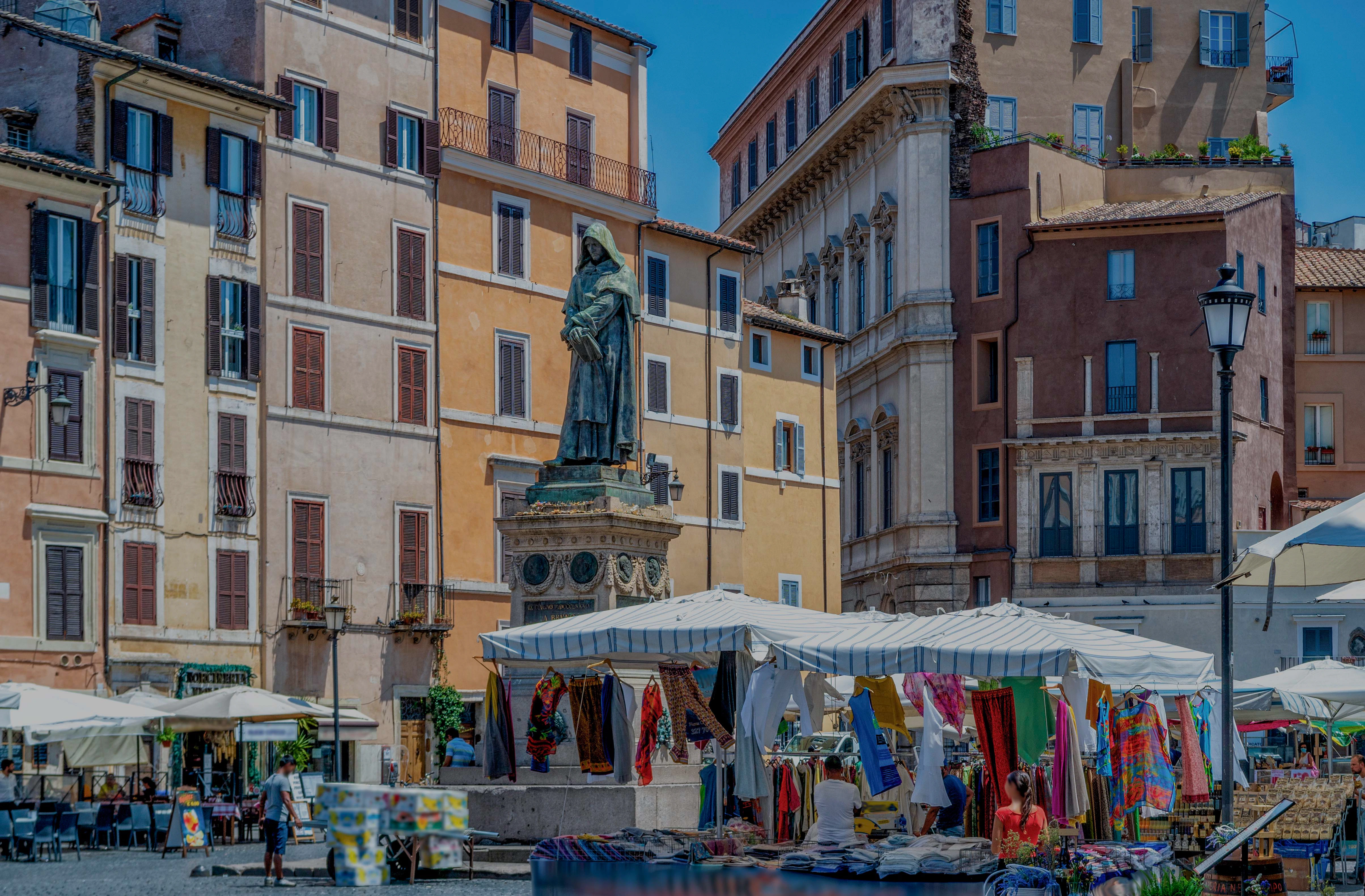
  • Nearby: Trastevere, Campo de' Fiori, Testaccio, Monti, Vatican City, Aventine Hill

Top things to do in Centro Storico

💡 Pro tip

Buy Colosseum and Vatican tickets before you arrive in Rome, not the morning you plan to visit. Both sites frequently sell out 3–5 days ahead during peak season (March–October). The Roman Forum and Palatine Hill are included with the Colosseum ticket — no separate purchase needed.


Quick navigation

🏛️ Why visit   | 🎟️ Best ways to explore   |🧭 Plan your visit   | 🌟 Free things to do  | 📋 Itinerary   | 💡 Tips   | 🍴 Dining


Why visit Centro Storico

Placeholder Image Headout Blimp
1/5

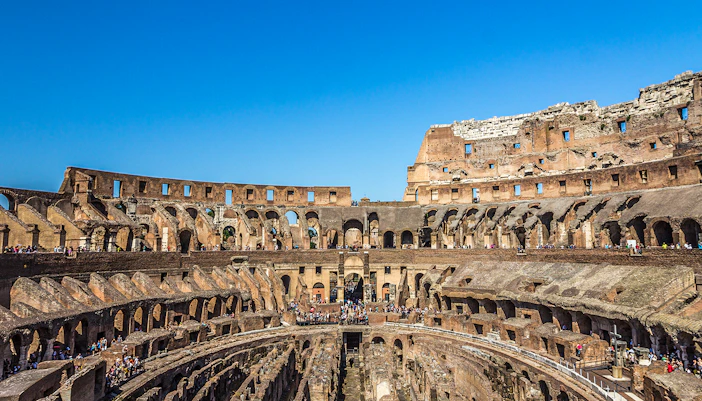
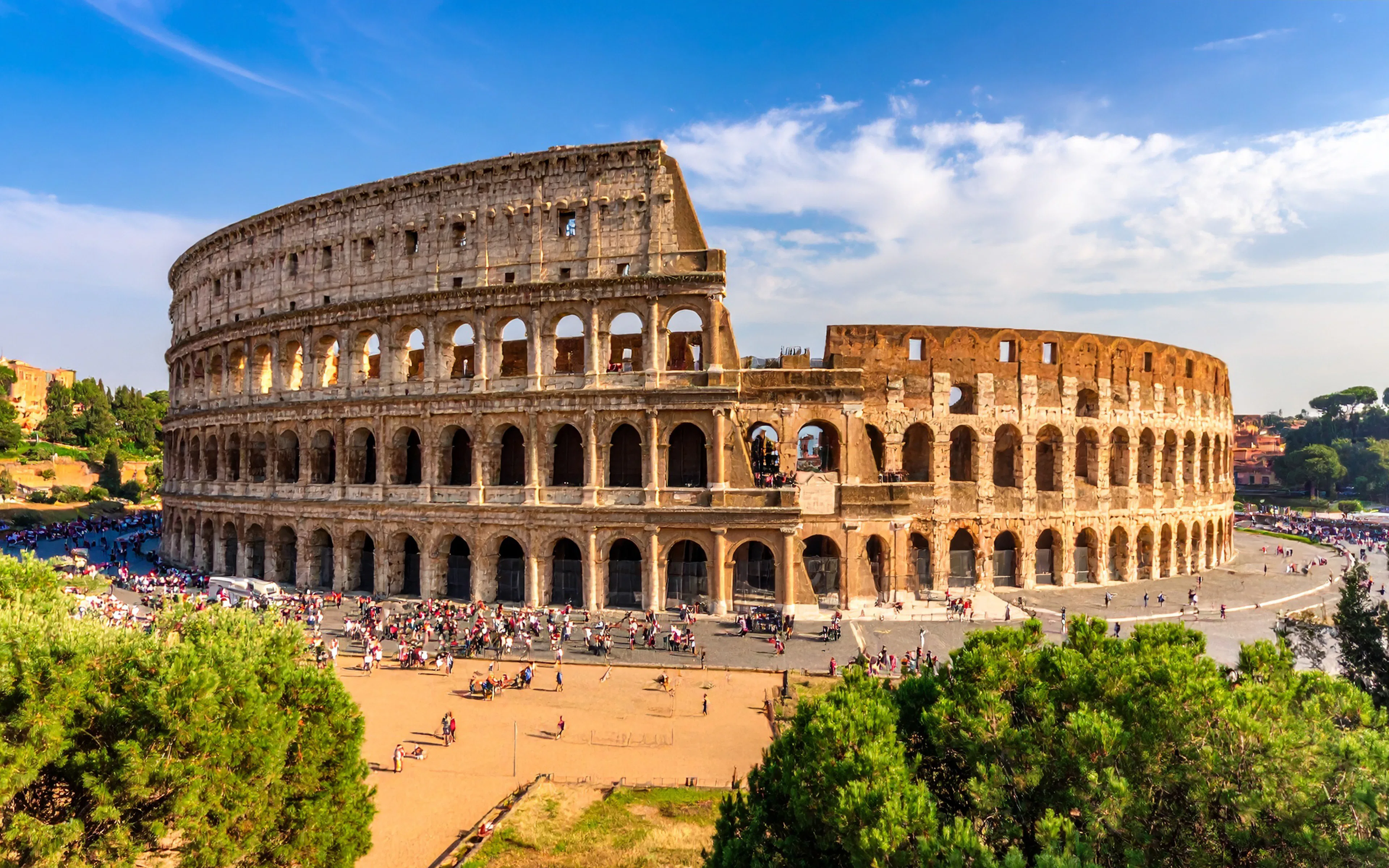
The Colosseum is the largest amphitheatre ever built, and still stands at 48 metres

The Flavian Amphitheatre (Colosseum) was completed under Emperor Titus in 80 AD using an estimated 100,000 cubic metres of travertine limestone, held together without mortar by iron clamps. At peak capacity it seated around 50,000–80,000 spectators across four tiers. The arena floor (which can be seen on specific access tickets) is reconstructed — the original wooden surface was removed centuries ago, exposing the hypogeum below. The building's survival is partly structural: its elliptical form distributes load in a way that has kept the core intact through earthquakes, medieval robbing of materials, and two millennia of weathering.

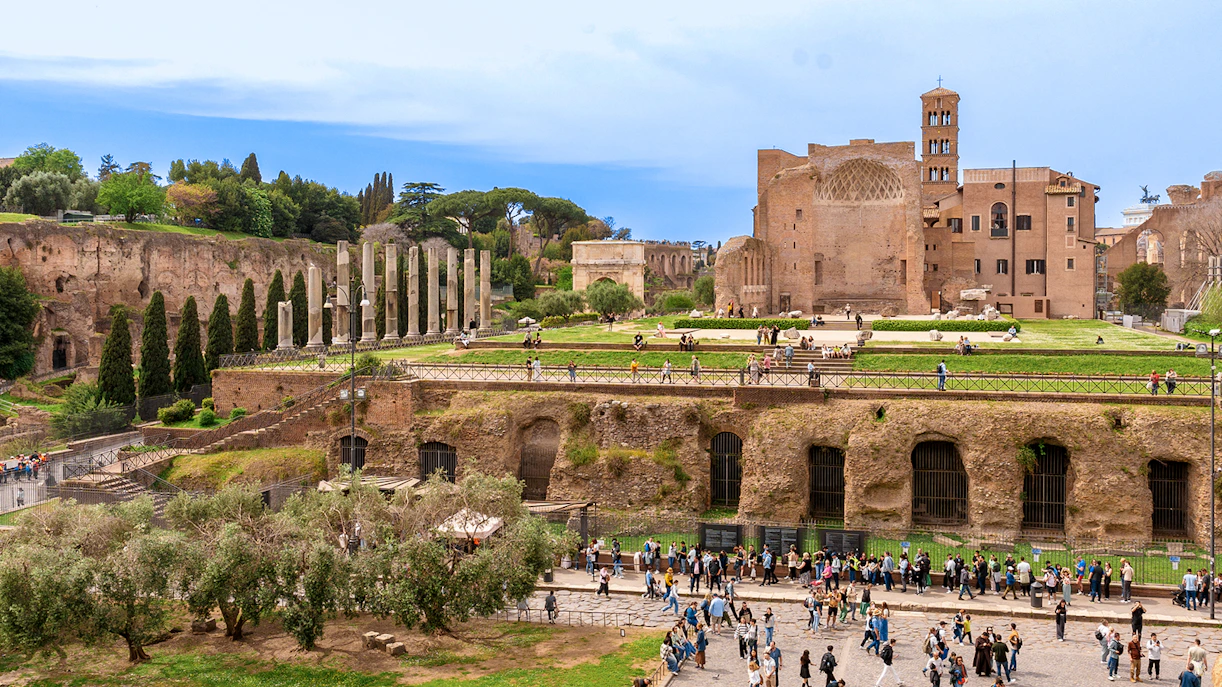
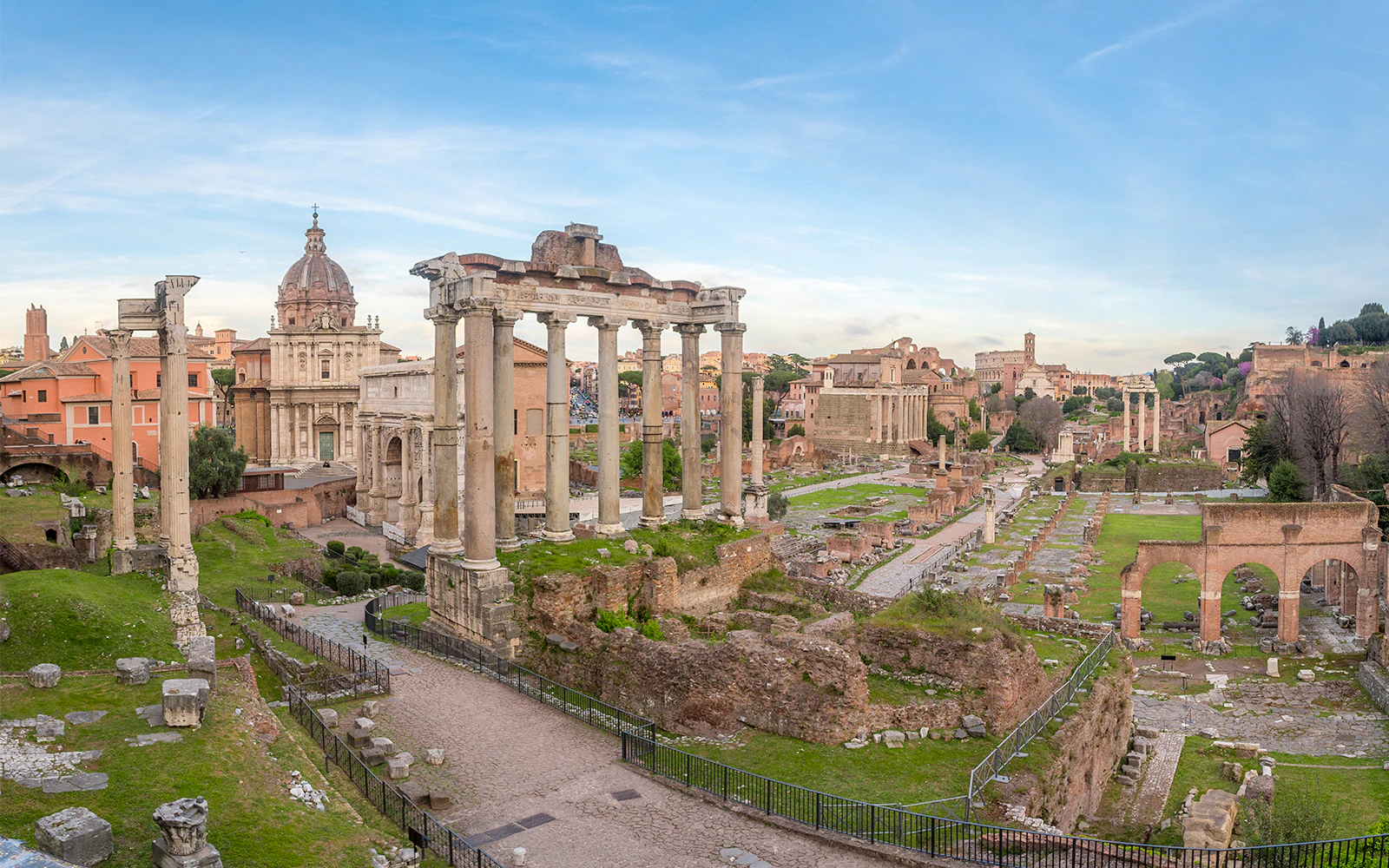
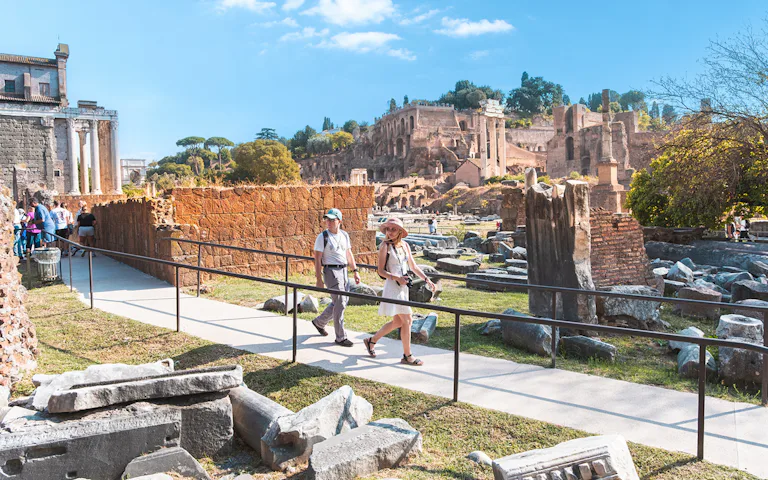
The Roman Forum was the civic center of an empire that stretched from Scotland to Mesopotamia

The Forum Romanum contains the Curia Julia (Senate House, still largely intact), the Arch of Septimius Severus (203 AD), the Temple of Saturn (partially standing since the 5th century), the Basilica of Maxentius, and the Arch of Titus — which depicts the sack of Jerusalem in 70 AD, including the Menorah being carried through Rome. Entry is covered by the same ticket as the Colosseum. The Forum is best understood with a guide or audio context, as the ruins are extensive but fragmentary.

The Sistine Chapel ceiling is the largest fresco cycle painted by a single artist

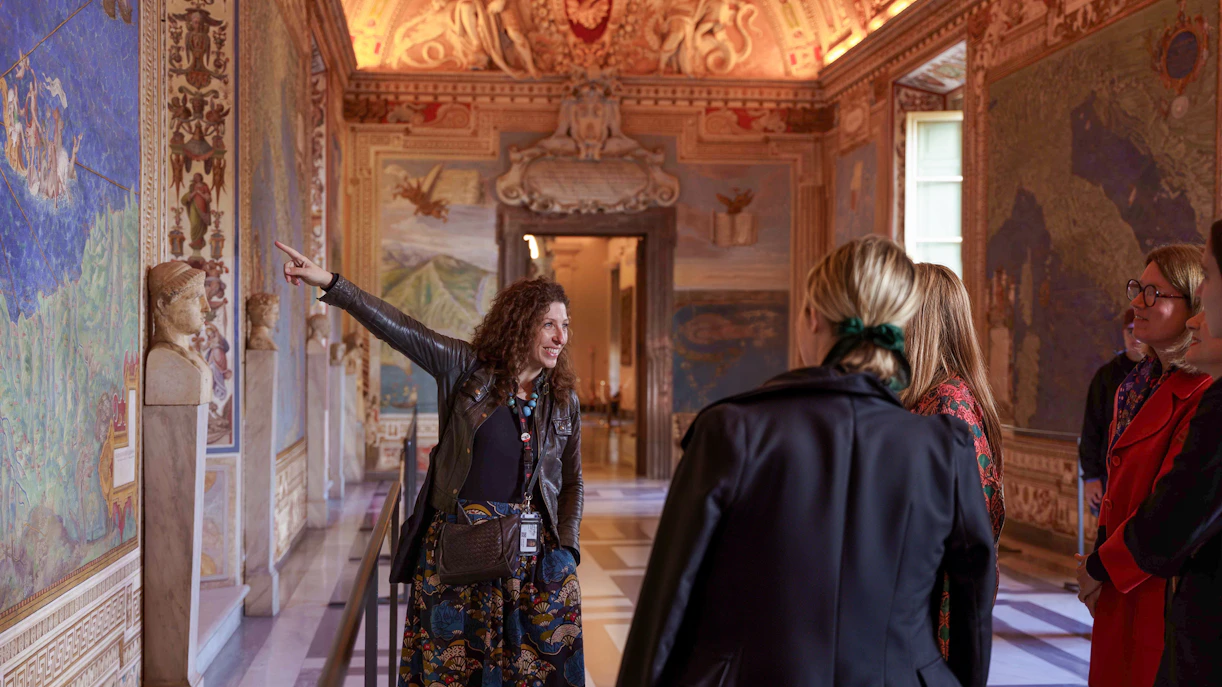
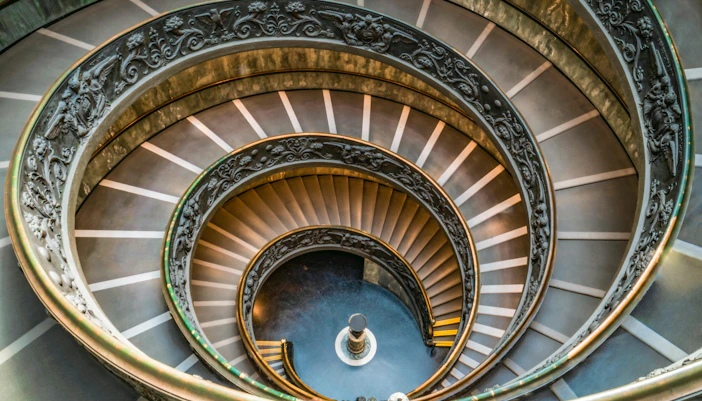
Michelangelo painted the Sistine Chapel ceiling between 1508 and 1512 — approximately 500 square metres of fresco across a curved vault, completed in four years. The nine central panels depicting Genesis (from the Separation of Light and Darkness to the Drunkenness of Noah) are surrounded by prophets, sibyls, and ignudi in a unified architectural scheme Michelangelo designed himself. The Last Judgment on the altar wall was added 25 years later, in 1541. The Vatican Museums also contain the Raphael Rooms (Stanze di Raffaello) and the Gallery of Maps — 40 topographic maps of the Italian regions painted on 120 metres of corridor walls.

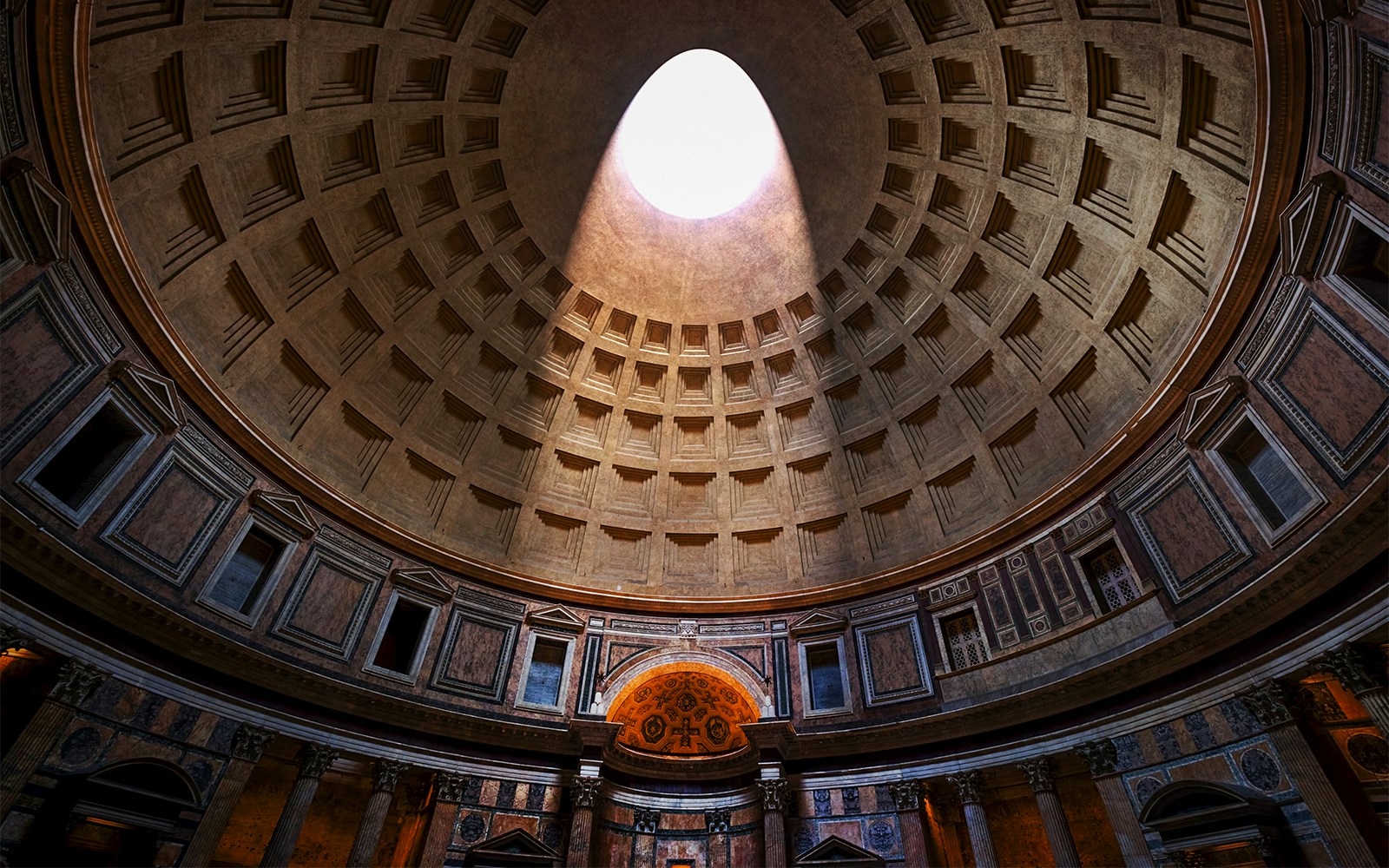
The Pantheon's concrete dome has remained the world's largest unreinforced concrete dome for 1,900 years

The Pantheon (rebuilt under Hadrian, completed c.128 AD) has a dome diameter of 43.3 metres — exactly equal to its interior height from floor to oculus. The oculus (open hole at the dome's apex) is 8.7 metres across and is the building's only light source. The dome was cast using increasingly lightweight aggregate toward the top (pumice at the oculus, volcanic tufa in the lower sections). It was converted to a Christian church in 609 AD, which is why it survived when most other Roman buildings were dismantled for materials. Entry is paid [VERIFY current price and booking requirements].

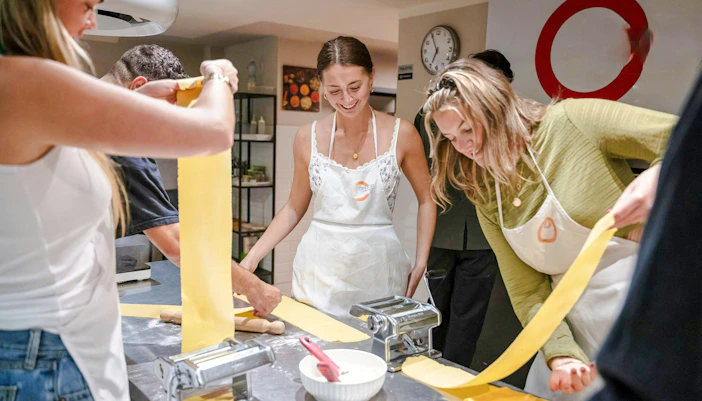
A pasta-making class gives you a transferable technique, not just a recipe

Roman pasta — cacio e pepe, carbonara, amatriciana — depends on a small number of ingredients used precisely. The ratios (pasta water starch content, cheese-to-pepper balance in cacio e pepe, guanciale rendered correctly for carbonara), the tools (a chitarra for tonnarelli), and the timing (pasta added to sauce off heat) are not intuitable from reading a recipe. A class with a local chef teaches the physical method: dough hydration by feel, rolling to a consistent thickness, sauce technique that prevents breaking. Students consistently report being able to replicate the dishes at home after a well-run class.

Best ways to explore Centro Storico

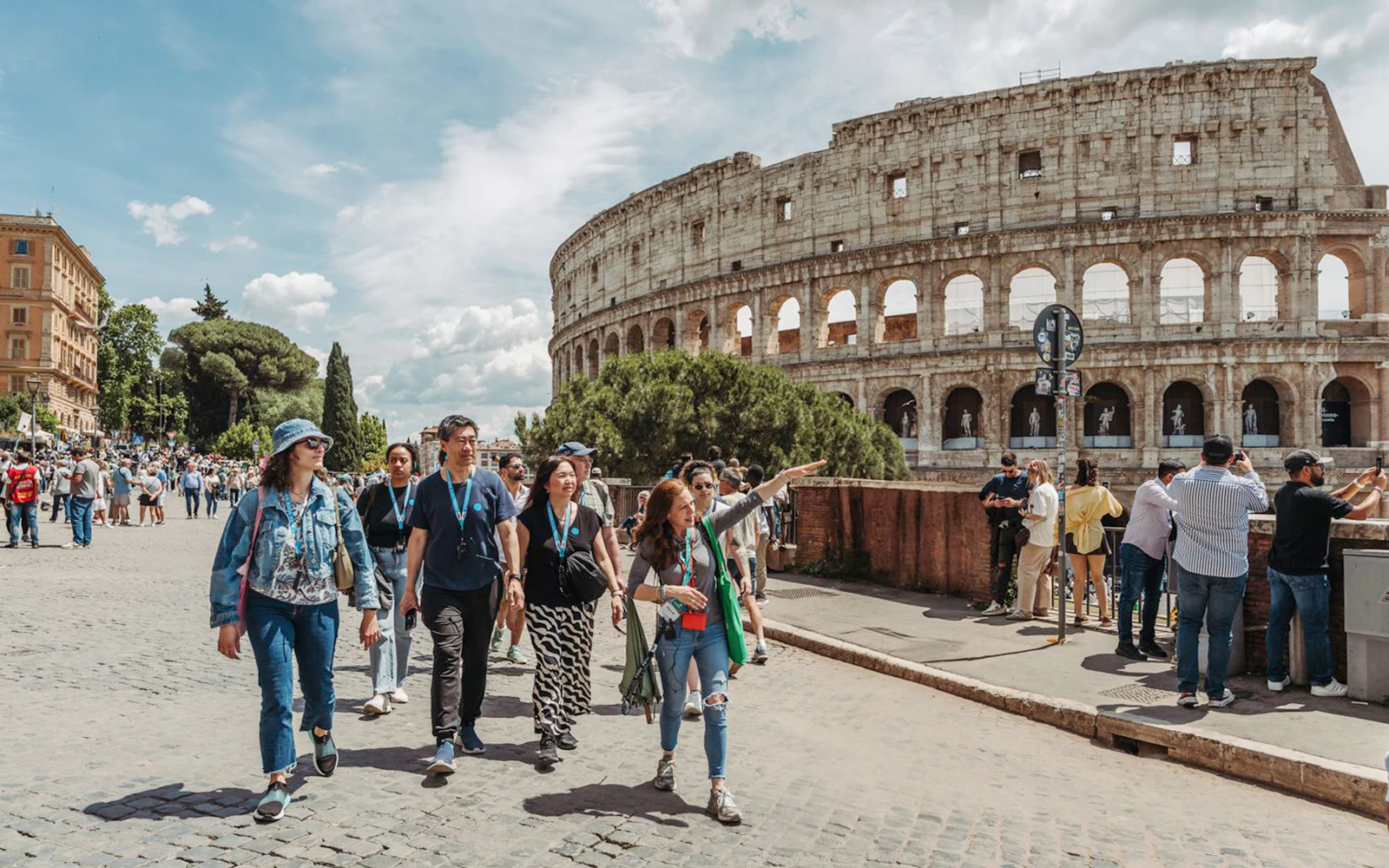
Centro Storico's major sites — the Colosseum, Roman Forum, Vatican Museums — are large, layered, and lose context without interpretation. A guided tour provides skip-the-line access, a structured route through each site, and on-site explanations that transform ruins and art collections into a coherent narrative. The Rome in a Day tour covering both the Vatican Museums and the Colosseum is the most time-efficient way to cover the two most visited sites in a single day, particularly for first-time visitors who want expert context rather than a self-guided route.

💡 Pro tip

Covering both the Vatican Museums and the Colosseum in a single day is possible with the right timing and skip-the-line access — the Rome in a Day tour handles both. For the Colosseum on its own with multimedia context, see the Colosseum, Palatine Hill & Roman Forum with Multimedia Video experience.

Plan your visit

💡 Pro tip

The Roma Pass (48-hour or 72-hour) includes free or reduced entry to Rome's paid attractions and unlimited public transport. For Centro Storico, it gives transport access to the Colosseo metro stop and covers some museums — confirm included sites when purchasing [VERIFY current Roma Pass inclusions].

Free things to do in Centro Storico

Suggested itinerary for visiting Centro Storico

Centro Storico covers a large area — the Colosseum to the Vatican is approximately 5km on foot. Most first-time visitors benefit from grouping the ancient sites (Colosseum, Forum, Palatine) on one day and the Vatican on another, with the Pantheon and Piazza Navona area filling a shorter half-day.

Tips for visiting Centro Storico

  • Book Colosseum and Vatican tickets at least 3–5 days ahead during peak season (March–October). Both sites implement timed entry and sell out — arriving without a ticket means joining the same-day queue, which can run 1.5–2 hours.
  • The Colosseum, Palatine Hill, and Roman Forum share a single combined ticket — you do not need to buy three separate admissions.
  • The Vatican Museums are the largest museum complex in the world by floor area. Prioritize the Gallery of Maps, the Raphael Rooms, and the Sistine Chapel — these three sections cover the museum's most important works and can be seen in 2.5–3 hours without rushing.
  • Rome's drinking water (from the nasoni fountains, small green street taps) is safe and cold throughout the historic center. Bring a refillable bottle; bottled water near tourist sites is significantly marked up.
  • The Pantheon's interior is most dramatic in the first hour after opening — the oculus light falls directly onto the wall panels in a moving pattern that disappears as the sun rises higher. Go before 10am for the best light.
  • Dress code applies to Vatican Museums, St Peter's Basilica, and the Pantheon: knees and shoulders must be covered. Bring a scarf or purchase one outside — vendors sell them for €3–5 outside the Vatican gates.
  • Via Sacra in the Roman Forum becomes extremely hot on summer afternoons — it's an exposed archaeological site with minimal shade. Bring sunscreen, a hat, and water for any visit between June and August.
  • Pasta-making classes that include wine (like the Cook, Dine & Drink Wine format) serve wine during and after the meal — not during the cooking. Notify the organizer in advance if you prefer to skip wine.

Best photo spots in Centro Storico

Placeholder Image Headout Blimp

Colosseum — from Via Sacra inside the Forum, early morning

Stand on Via Sacra looking northwest from inside the Forum and frame the Colosseum between the columns of the Temple of Venus and Roma in the foreground. Before 9am, the light is low and directional from the east; tour groups have not yet arrived. The perspective compresses Forum ruins and Colosseum into a single frame.

Placeholder Image Headout Blimp

Dining in Centro Storico

💡 Pro tip

Centro Storico's food culture — supplì, baccala, pizza al taglio, pasta made properly — is accessible in a single afternoon cooking class. The Pasta-Making Class: Cook, Dine & Drink Wine with a Local Chef teaches the techniques behind Rome's signature dishes and ends with the meal you've made.

Should you stay in Centro Storico?

Short answer: Yes, if proximity to the Colosseum, Forum, and Pantheon matters more than a residential neighborhood feel.

  • The vibe: Centro Storico is Rome's most visited area, with high foot traffic throughout the day and tourist-facing pricing at most restaurants on main routes. The side streets between Piazza Navona and the Tiber are quieter and more local in character. Nights are generally quieter than Trastevere.
  • The logistics: Accommodation ranges from small boutique hotels in historic palazzos to international chains. The area commands Rome's highest room rates — doubles typically run €150–350 per night depending on location and season [VERIFY current rates]. Some historic buildings lack lifts; check before booking if stairs are a concern.
  • Who it's for: First-time Rome visitors who want the major sites within walking distance; travelers who prioritize history and architecture over neighborhood character; visitors with limited mobility who benefit from proximity to the Colosseo metro stop.
  • Top recommendation: If budget allows, book accommodation between Piazza Navona and the Pantheon — the streets in this area (Via della Pace, Via del Governo Vecchio, Via dei Coronari) are among the most beautiful in Rome and position you within 20 minutes' walk of both the Colosseum and the Vatican Museums.

Explore other neighbourhoods

FAQs for Centro Storico

Yes — book at least 3–5 days ahead during peak season (March–October). The Colosseum implements timed entry and the most popular morning slots sell out well in advance. The combined ticket covers the Colosseum, Palatine Hill, and Roman Forum — no separate tickets needed for each site.