
Colosseum and Vatican Tours & Tickets

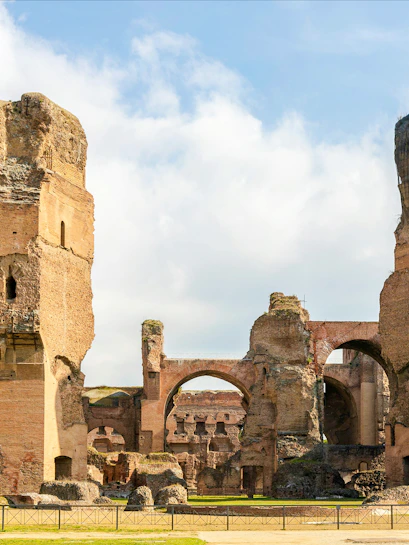
One city. Two icons. Two thousand years apart. The Colosseum was finished in 80 AD, a monument to Roman power, spectacle, and the brutal theatre of empire. The Vatican came more than a millennium later, and spent centuries accumulating the greatest collection of art the world has ever produced. Visiting both isn't just checking off a bucket list. It's experiencing the full sweep of what Rome actually is.

This page helps you choose the right way to visit—whether you prefer the flexibility of a pre-booked pass or a guided experience connecting both sites. We'll cover what's included, how to plan your day, how far apart the sites are, and what to prioritise at each.

Why book Colosseum and Vatican tour together

Ancient Rome and Renaissance Rome

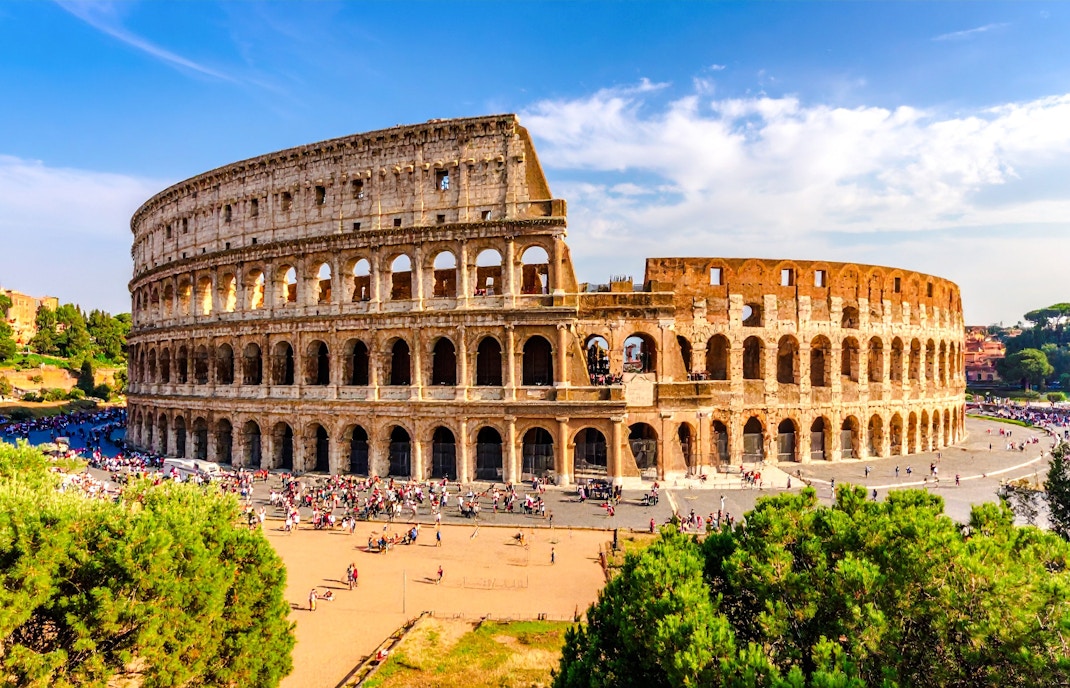
These two sites tell completely different stories. The Colosseum is raw, visceral, and ancient, placing you among Roman crowds watching gladiators fight 2,000 years ago. The Vatican is overwhelming in a different way entirely — Michelangelo's ceiling, Raphael's rooms, St. Peter's Square. Separately, each one is remarkable. Together, they're the reason people travel to Rome.

One booking, fewer headaches.

Both the Colosseum and the Vatican are known for long on-site queues. Pre-booking means the only line you face is security and entry, not the ticket counter. That's one less thing to manage in a city that can overwhelm even seasoned travellers.

Built for short stays.

Most visitors spend 2 to 4 days in Rome, and the Colosseum and Vatican are almost always on the itinerary. Booking them together keeps planning simple. Choose an access pass to visit each independently, or a guided tour that connects both into one seamless experience.

More context, less guesswork.

Whether you choose a pass or a guided tour, booking ahead means arriving with clear expectations: timed entry, confirmed inclusions, and a realistic sense of how much time to set aside. No last-minute scrambling or unnecessary queue stress.

Which Colosseum and Vatican access option is right for you

FeatureAccess PassGuided Tour

Visit pace

Explore each site at your own pace

Structured itinerary with guide at each site

Guide included

Audio guide (EN, ES, FR, DE, IT, PT, ZH)

Expert local English, Italian, Spanish, French or German-speaking guide

Colosseum access

Timed Colosseum entry + Roman Forum & Palatine Hill + Arena Floor (optional)

Direct entry to Colosseum, Roman Forum, and Palatine Hill

Vatican access

Vatican Museums + Sistine Chapel access

Direct entry to Vatican Museums and Sistine Chapel

Best for

Independent travellers or returning visitors

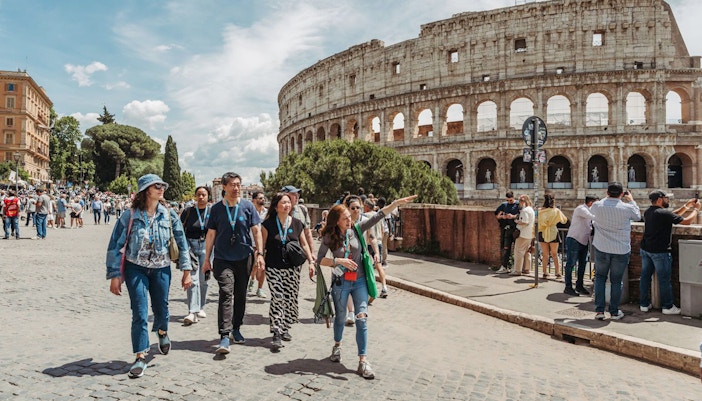
First-timers, families, history lovers

Scheduling

Visit each site on your preferred schedule

Tours may be booked on the same day or different days, depending on availability

If you want to move at your own pace and explore each site on your own terms, the access pass is your best option. You get timed entry to both the Colosseum and the Vatican, an audio guide in seven languages, and the freedom to split your visits across different days if your schedule allows.

Book the Access Pass →

If this is your first time in Rome and you want the stories behind what you're seeing — not just the buildings themselves — the guided tour is worth every extra euro. An expert guide brings the arena floor to life and helps you make sense of centuries of art in the Vatican Museums before fatigue sets in.

Book the Guided Tour →

What you'll see: Colosseum vs Vatican

These are not variations of the same Rome experience. One is about spectacle and empire; the other is about scale, art, and centuries of accumulated ambition.

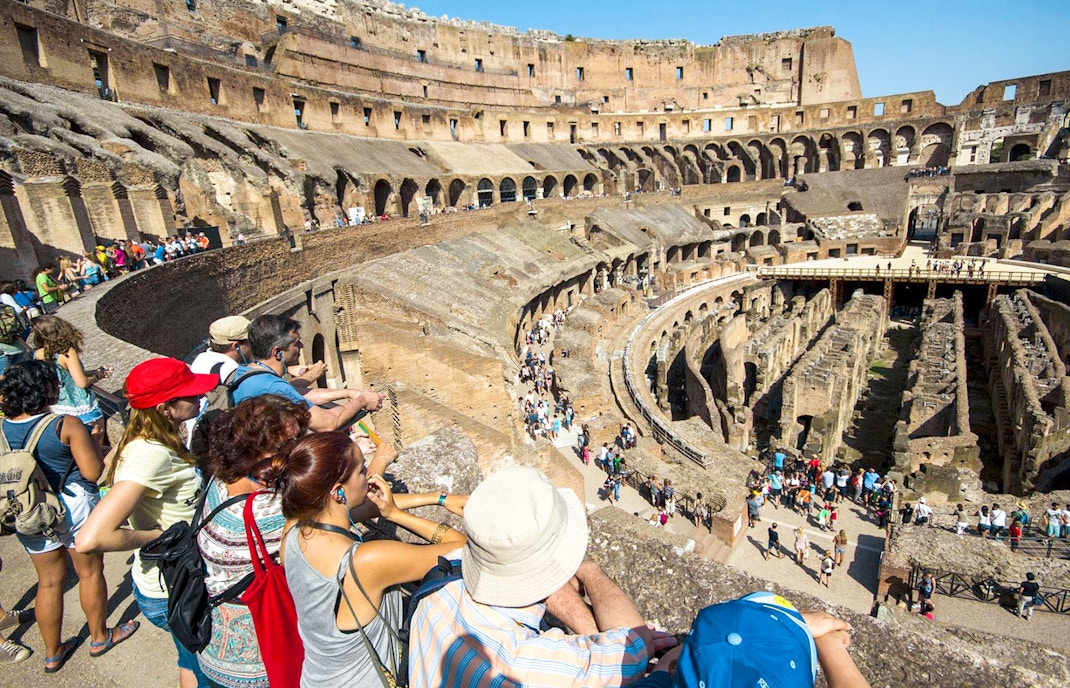
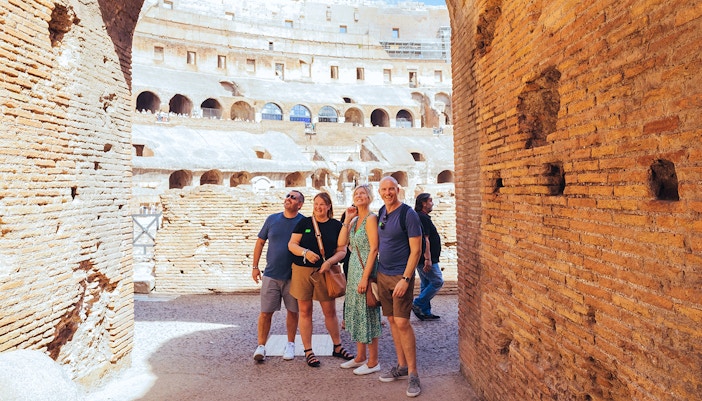
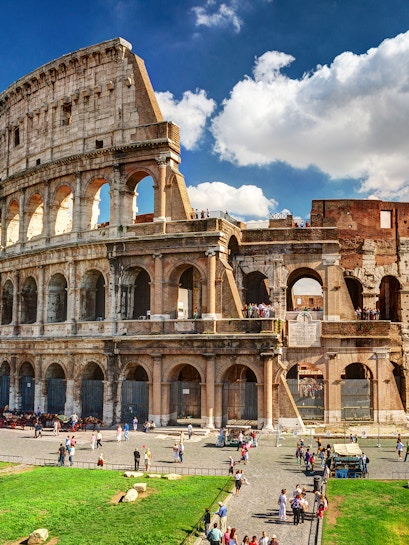
The first surprise is usually the size. The Colosseum held around 50,000 spectators and was completed in less than a decade, which feels difficult to process when you're standing inside it.

Seating tiers

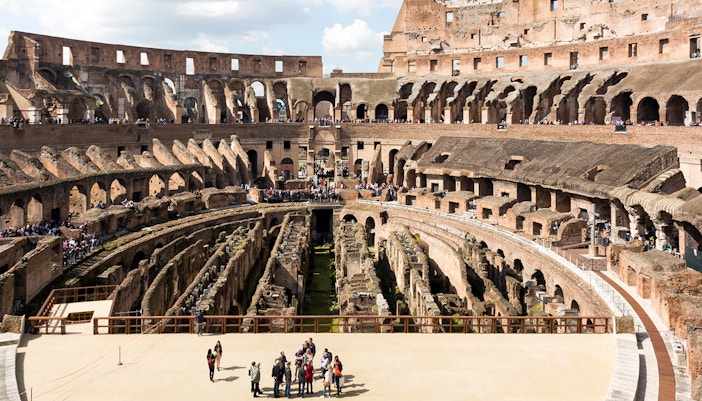
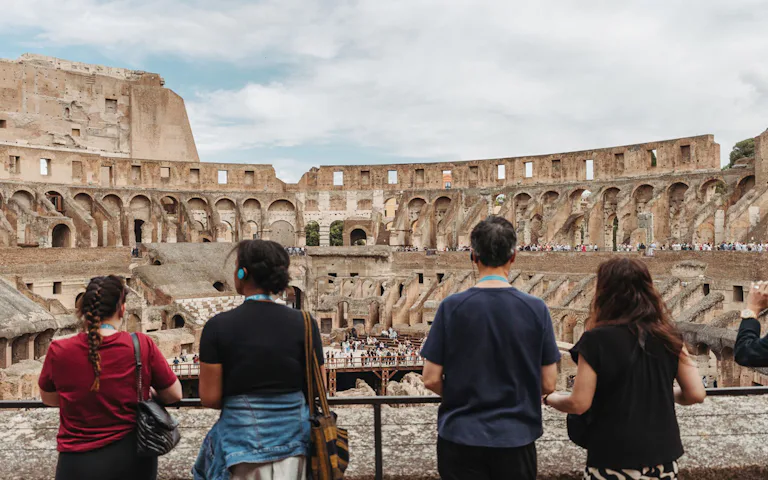
From the seating tiers, the arena doesn't look especially large until you remember every section had a purpose and every seat reflected your place in Roman society. Senators sat closest to the action. Women and slaves stood at the very top, furthest from everything.

Know more

Arena Floor

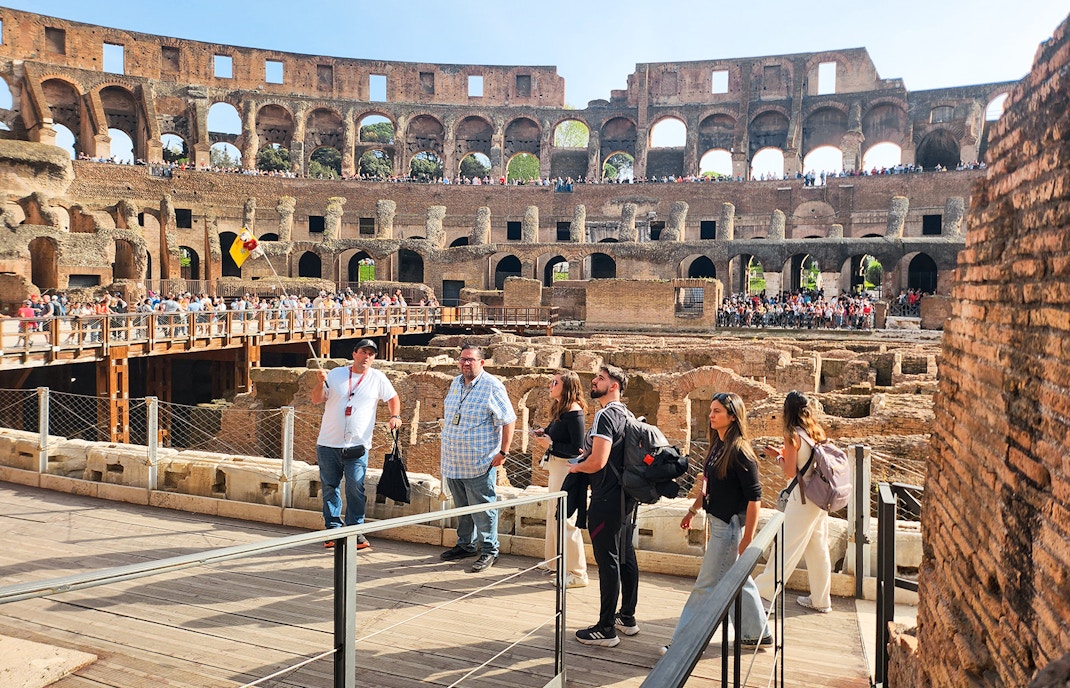
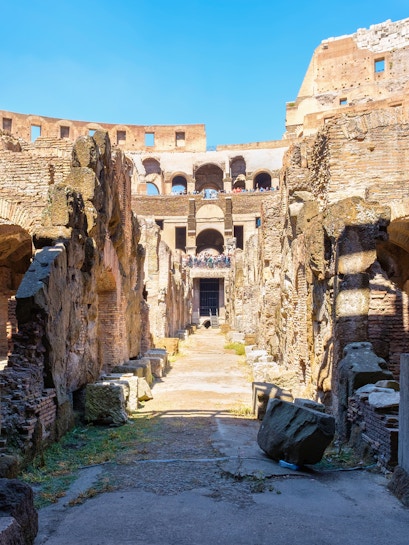
If your ticket includes arena floor access, take it. This is where gladiators stood before combat and where animals entered the fight, hauled up from the hypogeum below on a system of ropes, pulleys and trapdoors that took 80 men to operate.

Roman Forum

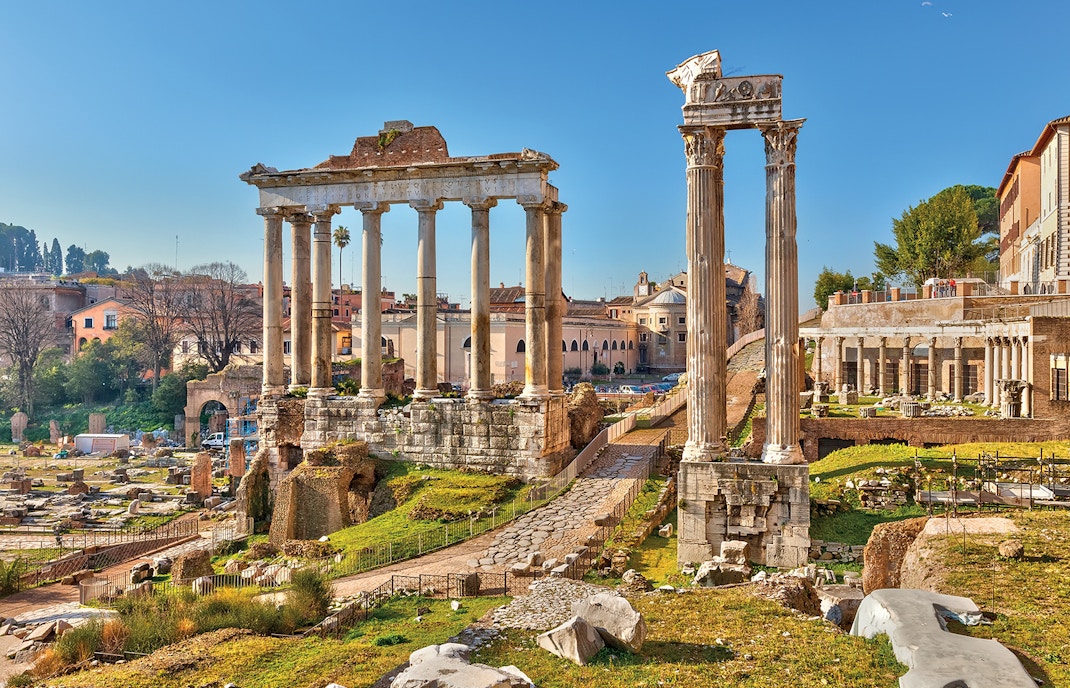
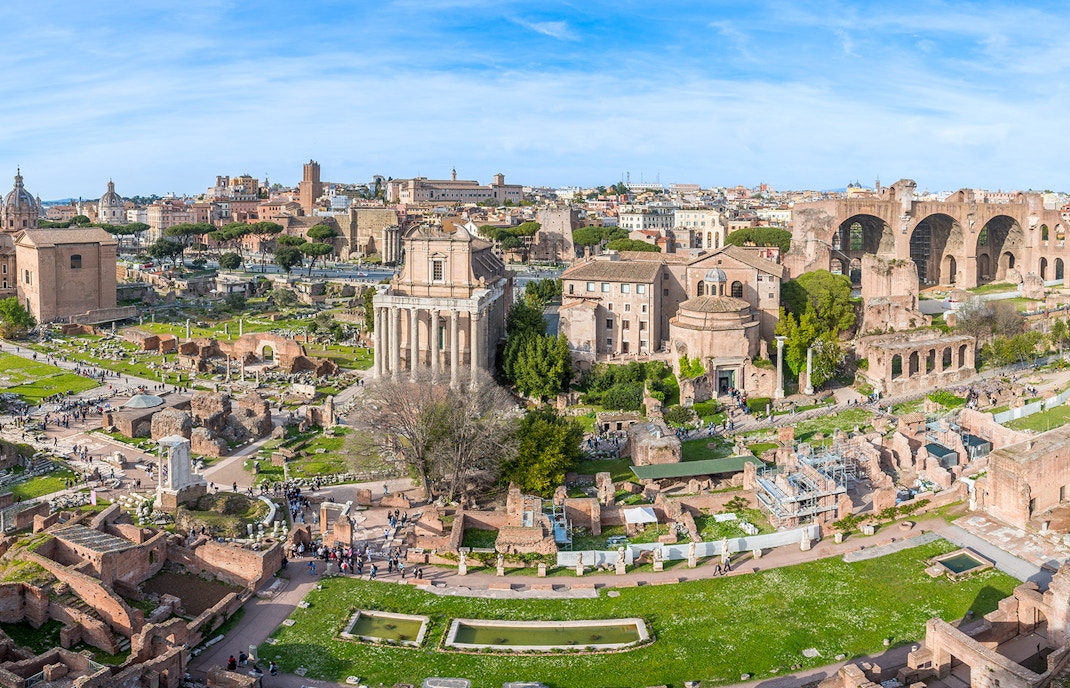
The Roman Forum can look chaotic at first, a wide stretch of broken columns and stone paths. But this was once the centre of public life. Political speeches happened here. Triumphal processions passed through. Laws were announced here. Walk the Via Sacra and suddenly the layout starts making sense.

Palatine Hill

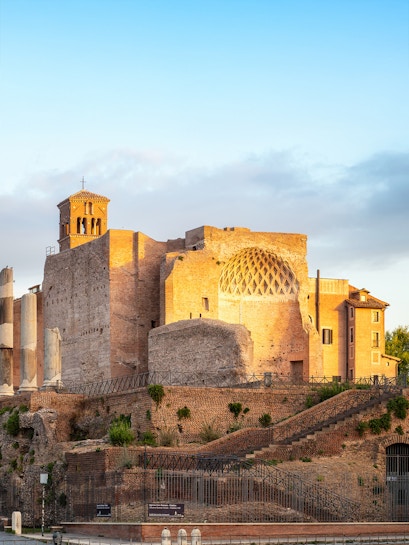
It's quieter than the Colosseum and often people's favourite part of the complex. This is where Rome places its own origin story and where emperors later built palaces overlooking the city. The views back over the Forum explain why.

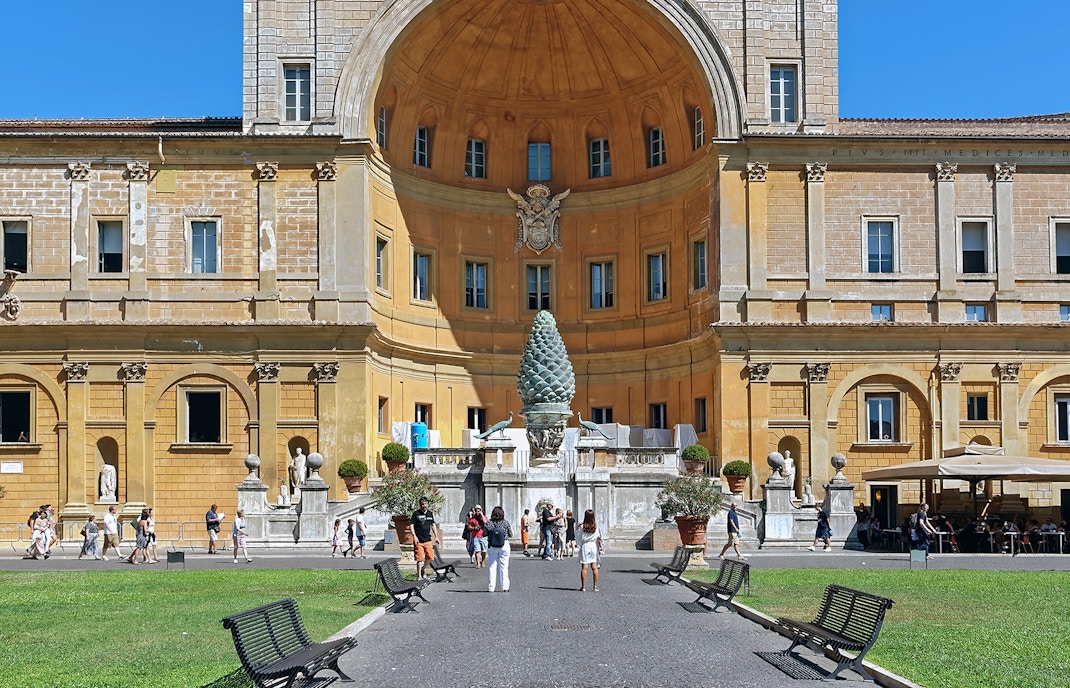
The Vatican feels different from the moment you enter. Less archaeological site, more accumulation of power, patronage, and artistic ambition.

Vatican Museums

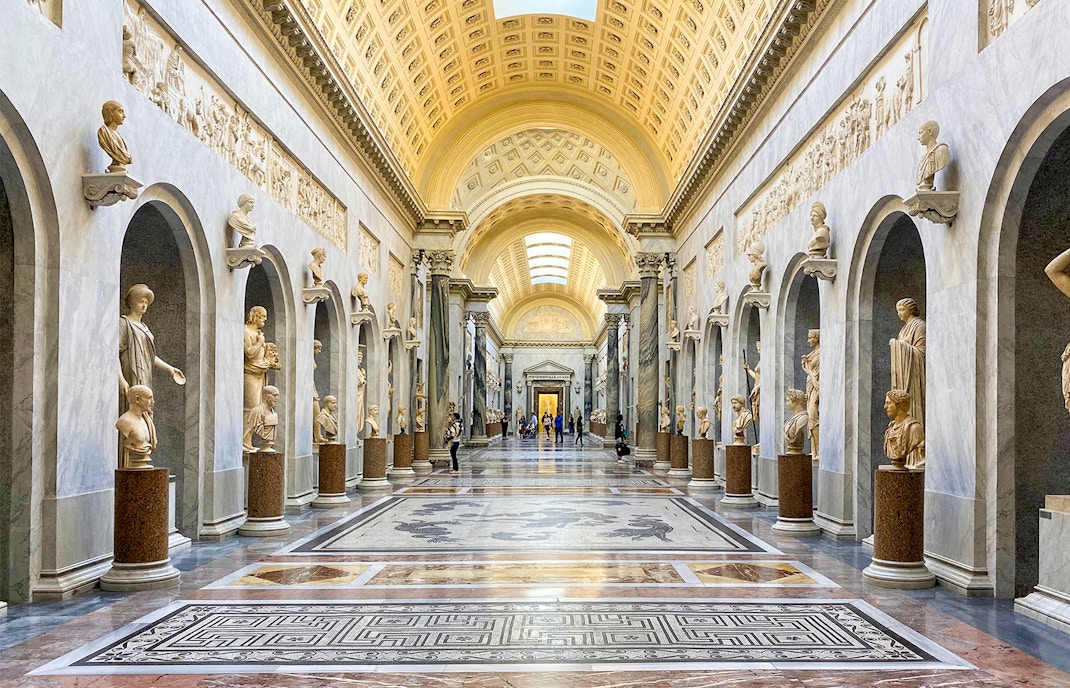
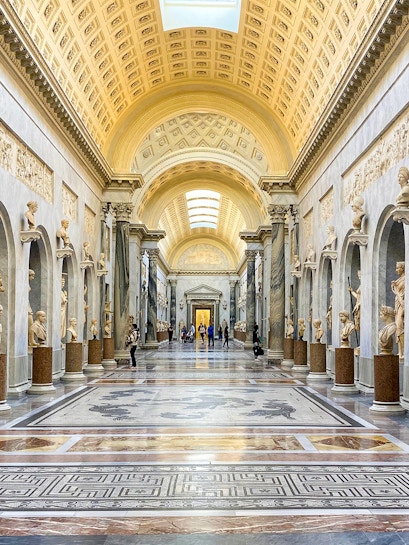
The Vatican Museums stretch across roughly 9 miles of galleries, which sounds impossible until you're halfway through and realise you've barely scratched the surface. You don't need to see everything.

Know more

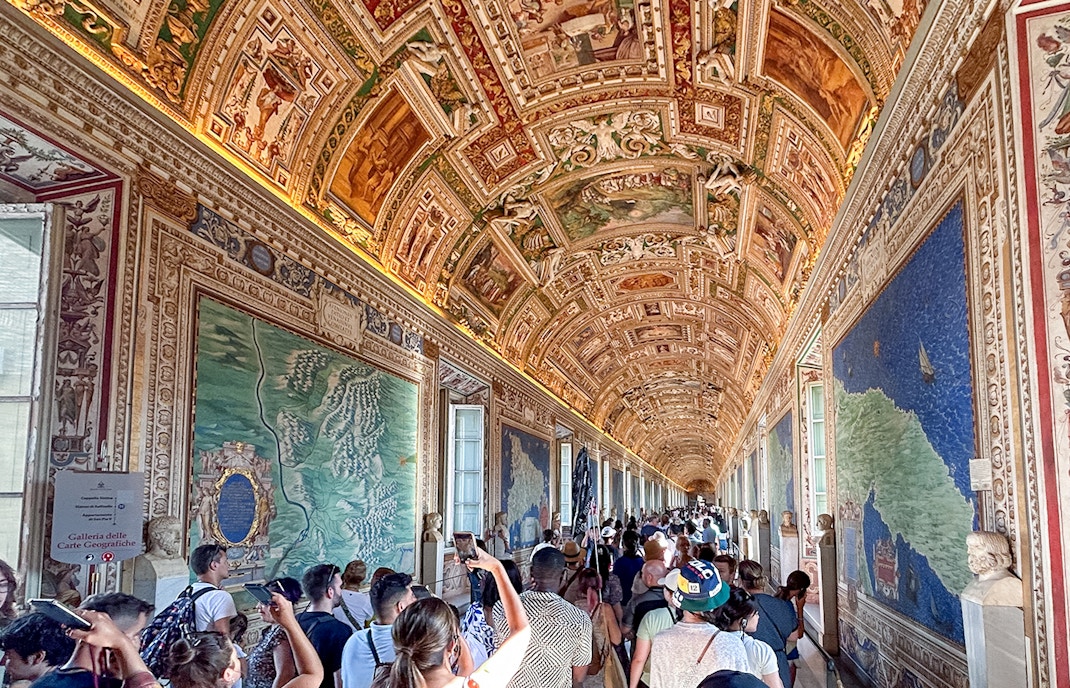
The Gallery of Maps

The scale catches people off guard. Then spend time in the Raphael Rooms, where the walls tend to reward slowing down rather than photographing quickly.

Sistine Chapel

Most people arrive knowing what the Sistine Chapel looks like. What surprises them is how it feels: quieter, darker, and more intimate than expected. The ceiling isn't memorable because it's famous. It's famous because the scale still feels hard to comprehend in person.

Know more

St. Peter's Basilica

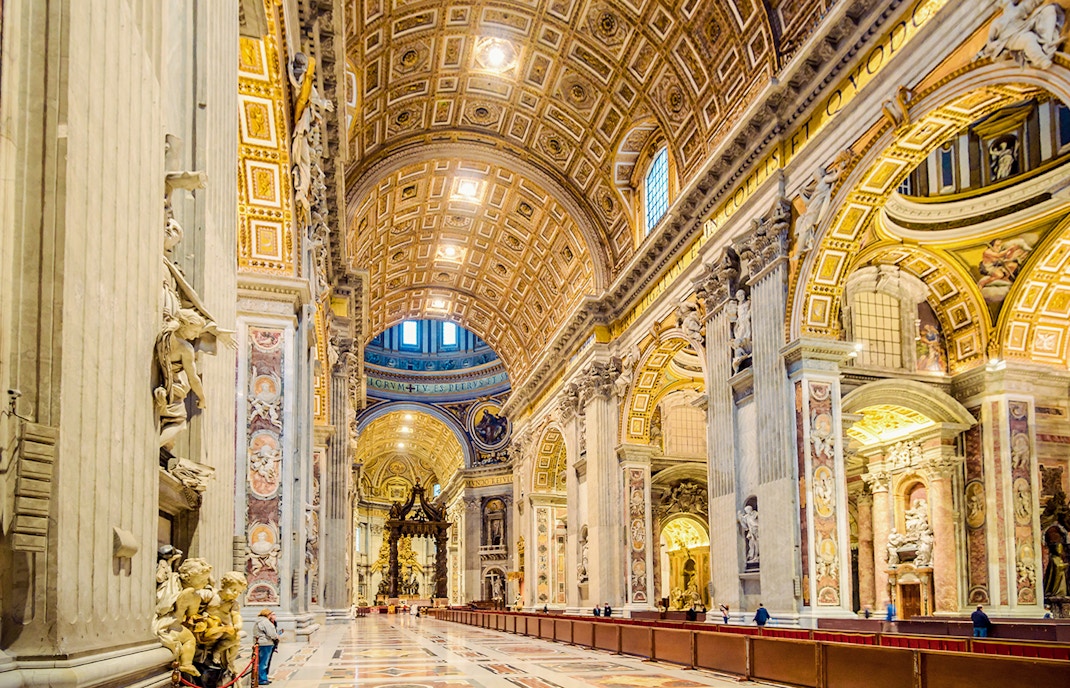
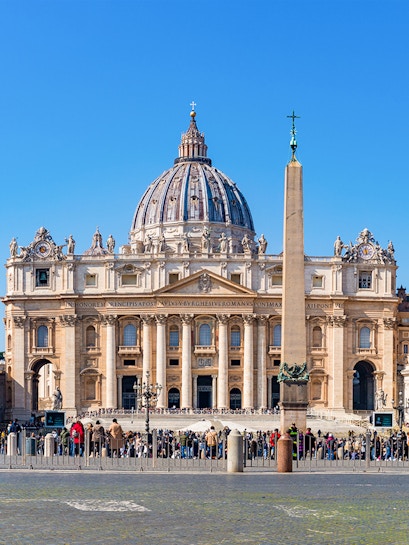
Finish at St. Peter's Basilica. Entry is free and the space itself is enormous without feeling empty. The proportions distort your sense of scale in a way photographs rarely capture. If you have the energy, the dome climb costs extra and is worth considering for the panorama across Rome.

Know more

Colosseum vs Vatican comparison table

CriteriaColosseum + Forum + PalatineVatican Museums + Basilica

Time needed

2.5–4 hours (Colosseum: 1–1.5h; Forum + Palatine: 1–1.5h)

3–5 hours (Museums: 2–3h; Basilica: ~45 mins)

Best for

History lovers, first-time visitors, shorter itineraries

Art lovers, slower visits, deeper cultural context

Crowd level

Busiest 10am–2pm. Best early or after 4pm

Busy all day. Early entry helps most

What you'll remember most

Arena floor, underground chambers, Forum views

Sistine Chapel, Gallery of Maps, St. Peter's scale

Physical effort

Moderate. Uneven paths, stairs, limited shade

Moderate. Long indoor routes and significant walking

If short on time

Prioritise Colosseum + a quick Forum route

Prioritise Sistine Chapel + Basilica

Can you do both in one day?

Yes, you can do both in one day. But it only works if you accept one thing upfront: this is a full sightseeing day, not a relaxed one. The biggest mistake people make is treating these as two standalone attractions. They aren't. They're two large complexes with walking, queues, security checks, and moments where you'll want to stop.

If you only have one day, plan around the Vatican. The Museums close at 6pm and last entry is usually 4pm.

One day (ambitious but doable)

  • 8:30am — Start at the Colosseum with your earliest timed slot. If your ticket includes arena floor or underground access, do those first before the site gets busier.
  • 9:45–10:45am — Continue into the Roman Forum. Don't try to complete everything. Focus on a short route: Arch of Titus → Via Sacra → Temple of Saturn.
  • 10:45–11:30am — Move toward the Vatican.

Transit options:
• Metro: Line B from Colosseo → Termini, then Line A → Ottaviano. Allow ~30 minutes including the change.
• Taxi/Uber: ~15–20 minutes and roughly €12–15 depending on traffic.
• Walking: Around an hour. Possible, but difficult in summer and not recommended if you're keeping museum timings.

  • 12pm — Lunch around Prati or near the Vatican walls. Keep it simple.
  • 1pm — Enter the Vatican Museums. Don't try to cover all 9 miles of galleries. Head first to the Gallery of Maps, then Raphael Rooms, then continue toward the Sistine Chapel.
  • Around 4–4:30pm — Exit and visit St. Peter's Basilica separately via the square. Take your time here. Most people find the pace naturally slows down.
  • Evening — Stay in Prati for dinner rather than crossing the city again.

Two days (recommended)

  • Day 1: Colosseum + Roman Forum + Palatine Hill

Take the morning entry to the Colosseum, then give yourself time to wander the Forum and climb Palatine Hill properly. Finish with dinner in Testaccio.

  • Day 2: Vatican Museums + Basilica

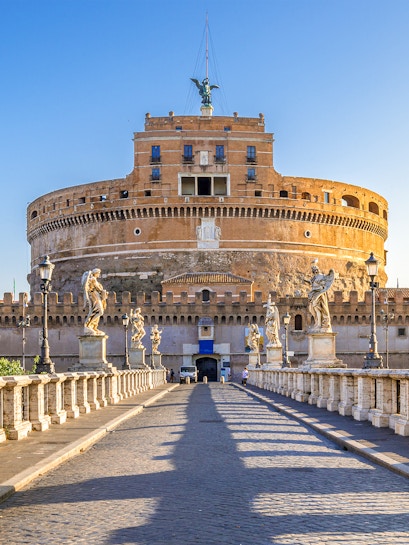
Start early. Move through the museums deliberately rather than completely. After the Basilica, walk toward Castel Sant'Angelo or continue to Piazza Navona.

If Rome isn't your final stop, this is usually the version people remember more fondly.

Know before you go

A few practical things worth knowing before you go, so nothing catches you off guard.

Dress code & entry rules:

  • There's no dress code for the Colosseum, but large bags aren't allowed inside and have to be left at the cloak room. No food once you're in the arena.
  • The Vatican is stricter: shoulders and knees need to be covered to get into St. Peter's Basilica, no exceptions. If you forget, vendors outside sell scarves for about €2. Large backpacks aren't allowed there either. Photography is fine almost everywhere, except inside the Sistine Chapel, where it's banned and actually enforced.

Beating the crowds

  • Both sites are busiest between 10am and 2pm. At the Colosseum, the first entry slot of the day is reliably the quietest, before tour groups show up in bulk.
  • At the Vatican, arriving between 8 and 9am makes a real difference specifically in the Sistine Chapel, which fills up later no matter the season.
  • Weekdays are calmer than weekends. If you're travelling in peak season, it's worth checking the cruise schedule for Civitavecchia. A couple of large ships in port can noticeably thicken the crowds at both sites that day.

Accessibility

  • The Colosseum is partially accessible. Lifts reach some levels and the arena floor itself is accessible, but the hypogeum has limited access, so it's worth checking at the entrance on the day. The Roman Forum has uneven, sometimes loose ground.
  • The Vatican is better equipped overall: wheelchairs are available on site, most galleries are accessible, and disabled visitors plus one companion can enter at no extra cost by showing documentation at the gate.

Practical tips

  • Eat between the two sites, not at either one. Near the Colosseum, walk two minutes off the main street and the food gets noticeably better and cheaper.
  • Near the Vatican, head into Prati, the neighbourhood just behind the Museums, for solid trattorias at normal Roman prices instead of tourist markups.
  • Bring a small water bottle. Rome's old drinking fountains, the nasoni, are scattered all over the city, and the water is some of the best tap water you'll find anywhere.
  • If you've got a second day in Rome, set aside a separate morning for the Colosseum's underground and Arena Floor. Both are worth doing properly rather than squeezed in on the same day as everything else.

Frequently asked questions

Yes, you can do both in one day, but it's a full day and it takes some planning. Give yourself 2.5 to 4 hours for the Colosseum, Roman Forum and Palatine Hill, then 3 to 5 hours for the Vatican Museums, Sistine Chapel and St. Peter's Basilica. Budget another 30 minutes for the trip between the two. The thing that actually makes this work is booking timed entry for both in advance. Without it, queue time alone can swallow a big chunk of your day. If you have two full days in Rome, splitting the sites is the more relaxed option and lets each one breathe a bit more.

More reads