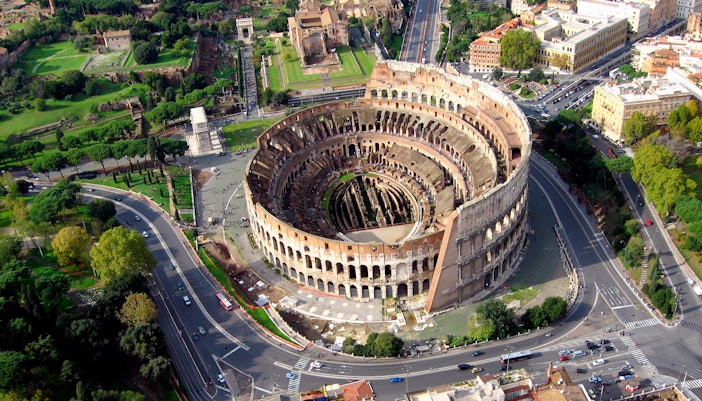
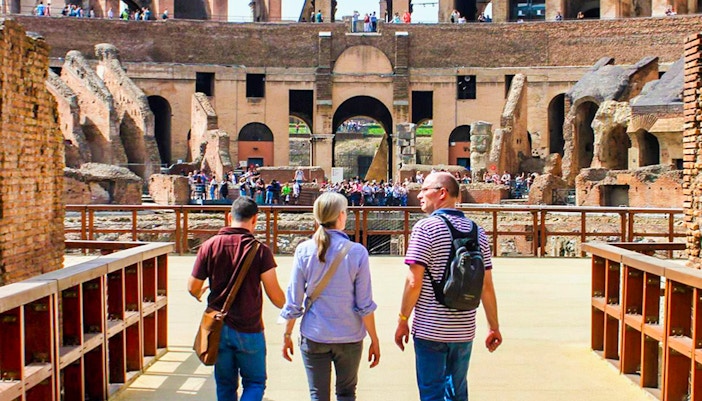
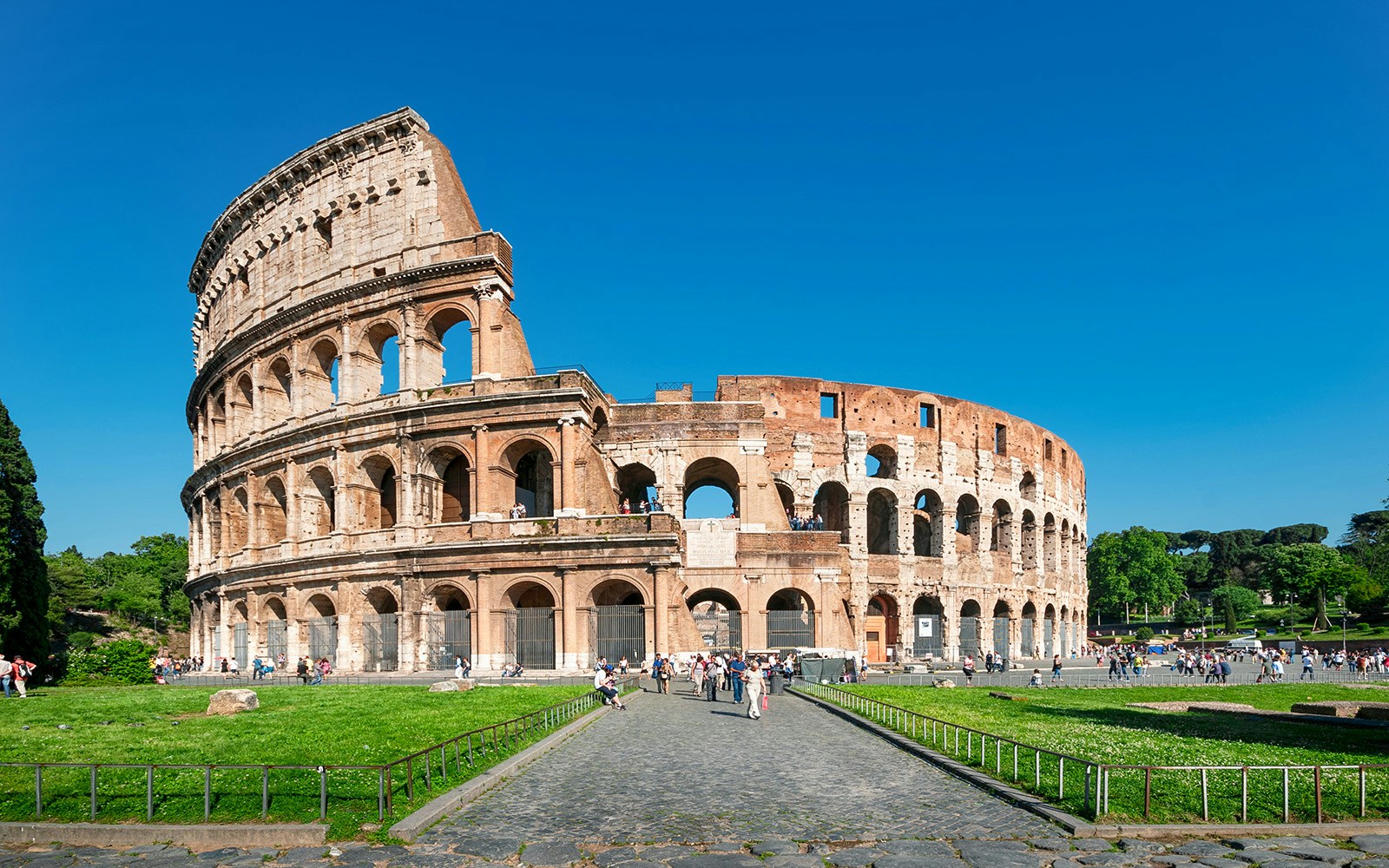
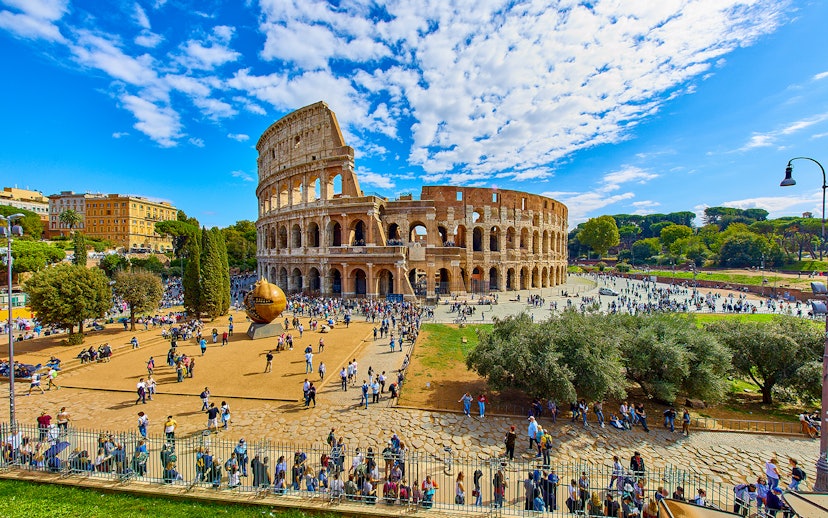
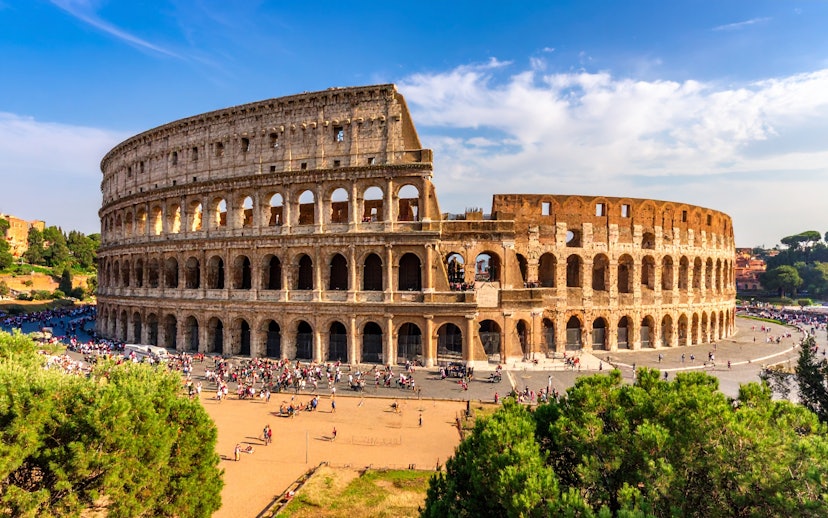
Discover fragments of columns, barriers, and passageways alongside detailed reconstructions of seating and circulation systems. A scale model of the Colosseum reveals how it once looked at full capacity, built to hold over 65,000 spectators and designed for efficient crowd movement during large-scale events.
The Colosseum Museum is on the second level of the Flavian Amphitheatre, where you can find artifacts from different moments in the history of the monument. You can also see the different excavations that took place over the years, how it was used by different rulers, and the 3D model reconstruction of the monument. Visit the Colosseum Museum on your visit to Rome and dive deep into its history to get a better understanding of what it represents.
What to see inside the Colosseum Museum
Inside the Colosseum Museum, exhibits are designed to help you understand how the amphitheatre actually worked—not just what it looks like today.
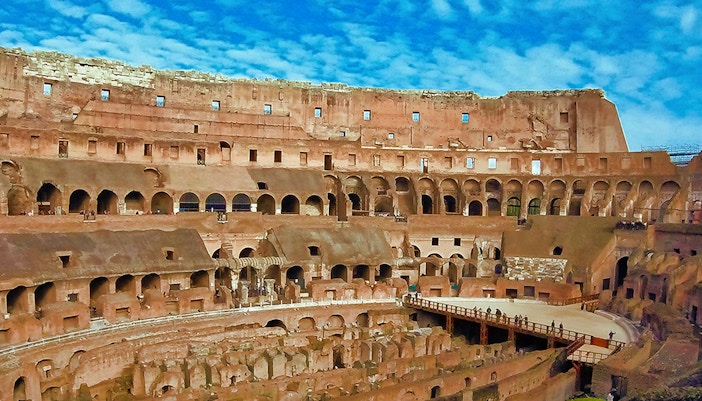
Architecture & design of the Colosseum
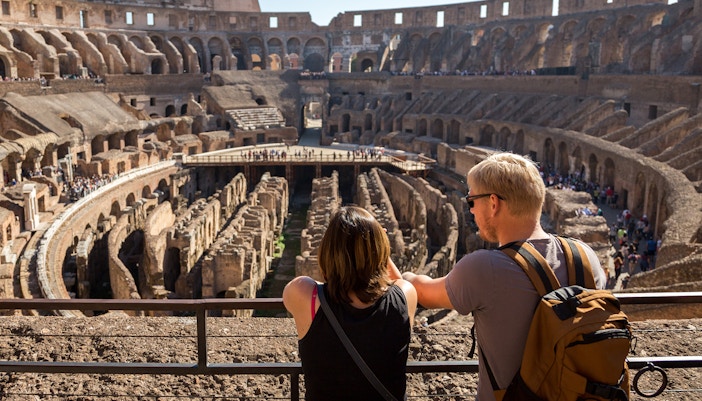
How the amphitheatre functioned
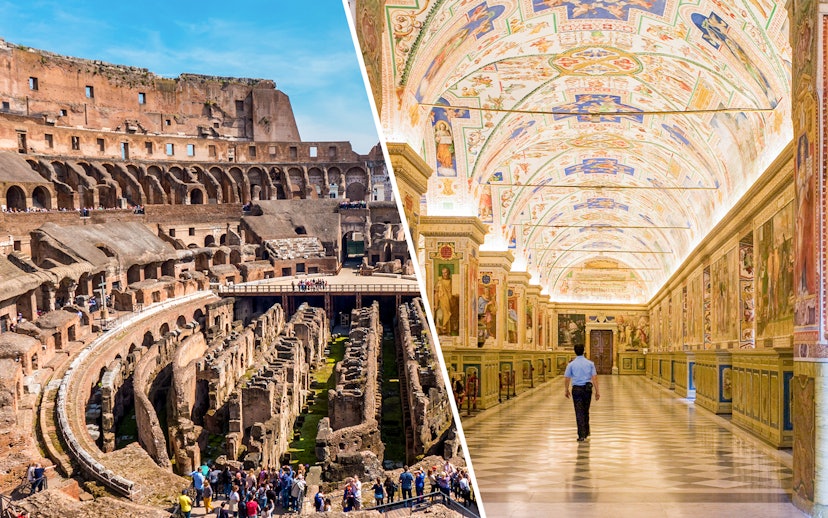
Models and visual displays explain the mechanics behind the games, from underground tunnels (the hypogeum) to lifts and trapdoors used to stage spectacles. You’ll see how animals, scenery, and gladiators were brought into the arena, and how different zones of the Colosseum were used seamlessly during events.
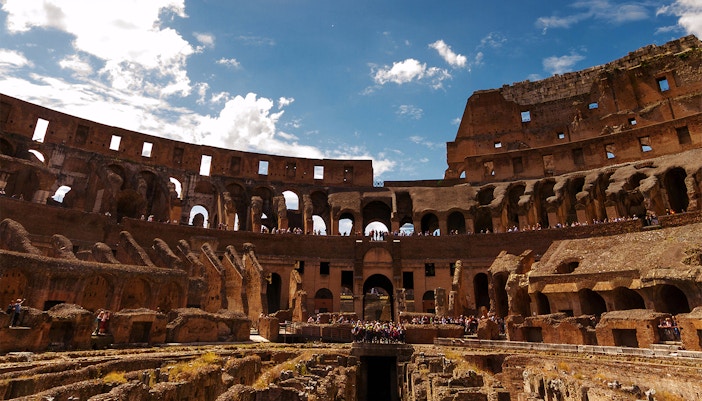
Gladiators, spectators & social hierarchy
Through inscriptions, reliefs, and visual reconstructions, the museum shows how seating reflected Roman society. From the Emperor’s box to tiered sections for nobles, citizens, and the general public, these exhibits reveal how entertainment and hierarchy were closely linked in ancient Rome.
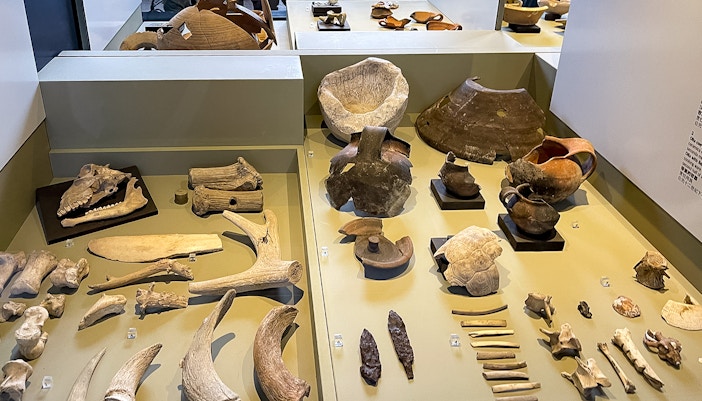
Historical reconstructions & artistic interpretations
Artworks and models, including detailed reconstructions and period paintings—help visualize how the Colosseum functioned in its early centuries. These interpretations bridge the gap between ruins and reality, making it easier to imagine the scale and spectacle of the games.
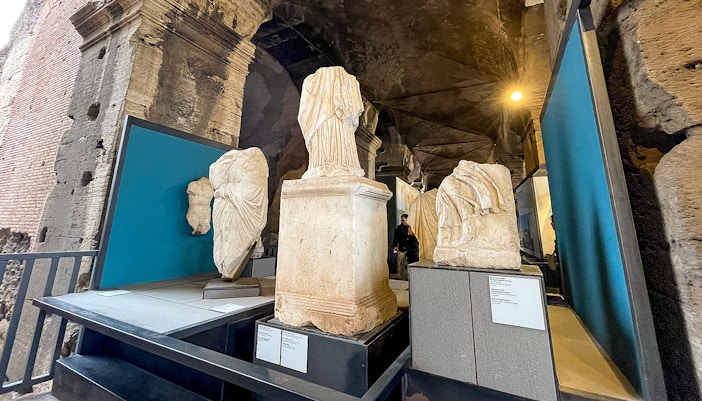
Rotating exhibits & multimedia displays
The museum also features temporary exhibitions and digital installations that bring ancient spectacles to life, offering deeper insight into gladiator culture and the evolution of the monument over time.
Most visitors walk past the museum, but this is where the Colosseum actually starts to make sense.
Why visit the Colosseum Museum
It gives context to what you see
Walking through the Colosseum is impressive, but the museum explains how and why it worked. From seating hierarchies to arena mechanics, it connects the physical structure to real stories and systems.
It goes beyond gladiator myths
The museum expands the narrative beyond battles—covering Roman society, engineering, and daily life. You’ll leave with a deeper understanding of the Colosseum as both an entertainment venue and a symbol of imperial power.
It’s included in your Colosseum visit
Located on the second tier, the museum is part of the standard Colosseum route—making it an easy, high-value addition without requiring extra planning.
It helps you visualize the original structure
Through models, reconstructions, and artifacts, the museum bridges the gap between ruins and reality, helping you imagine the Colosseum as it once stood nearly 2,000 years ago.
It’s often quieter than the main arena
While most visitors focus on the arena floor and viewpoints, the museum offers a more relaxed space to explore details at your own pace.
Plan your visit to the Colosseum Museum
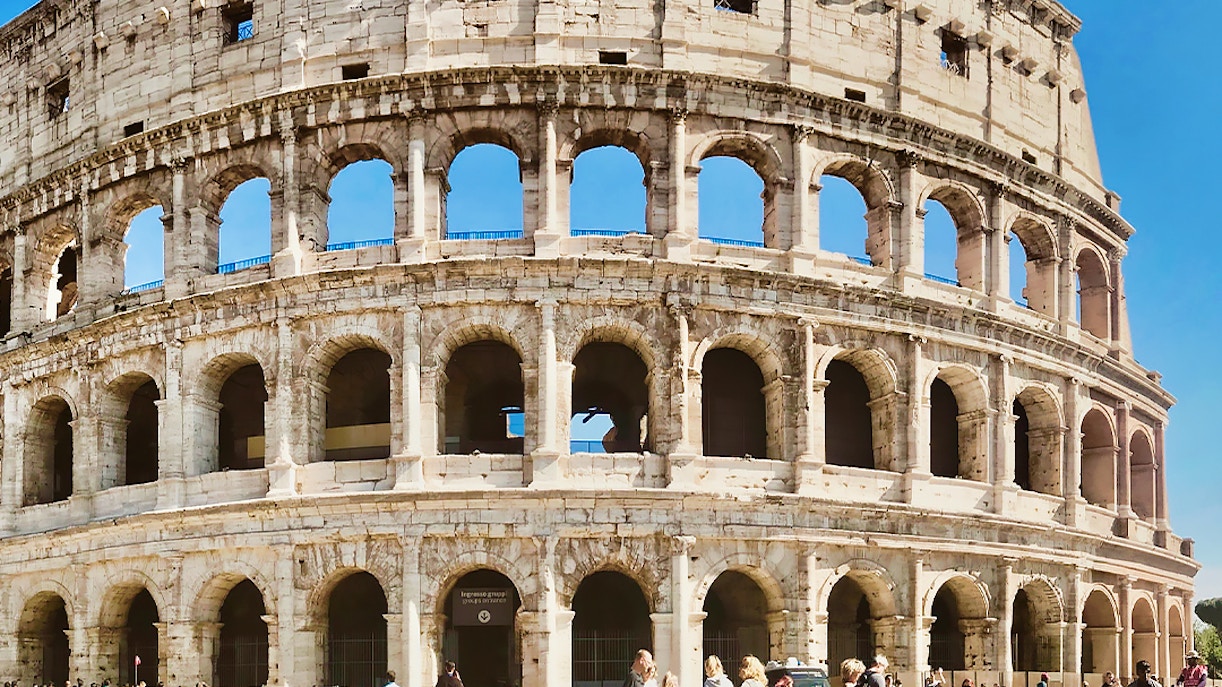
Monday to Sunday: 8:30am to 4:30pm
Last entry: 3:30pm
Best time to visit
Plan your visit to the Colosseum and the Colosseum Museum on weekdays. You will also find fewer people during early opening hours from 9am to 11am.
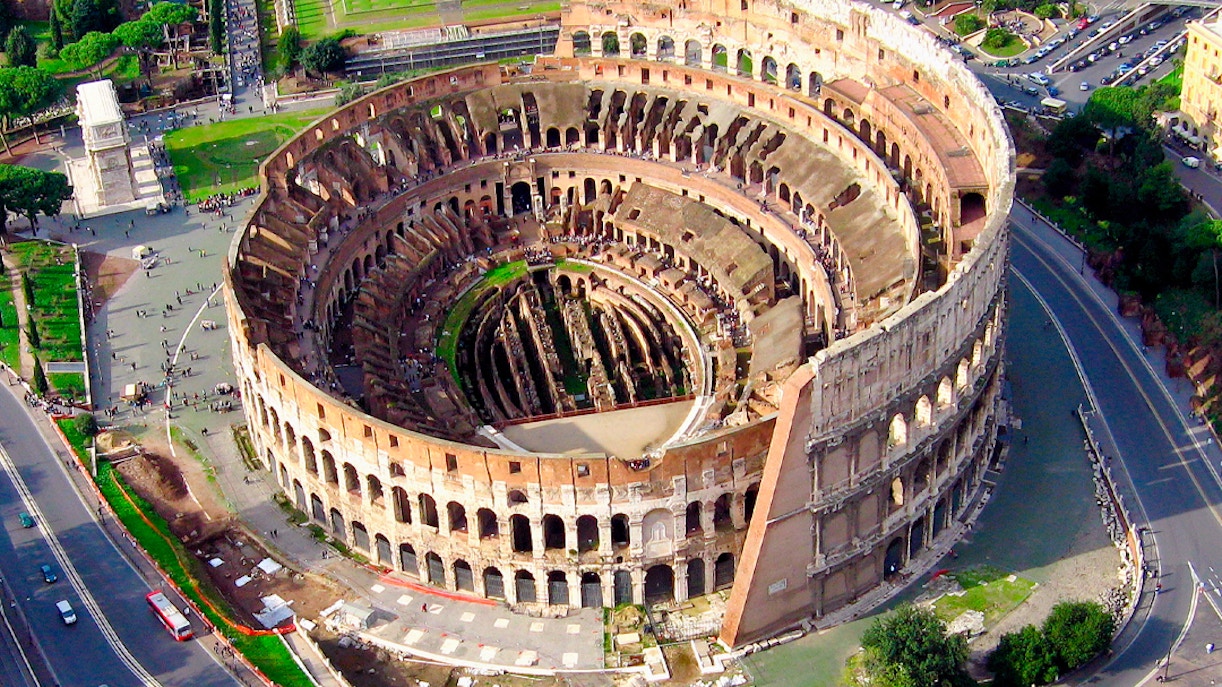
Address: Piazza del Colosseo, 1, 00184 Roma RM, Italy. Find on map
How to Get There
By Metro: Take Metro Line B and get down to the Colosseo stop. The station is just walking distance from the Colosseum Museum.
By Bus: Buses 75, 81, 87, 673, 175, and 204 will take you to the nearest bus stop of Piazza del Colosseo.
By Car: The Colosseum is just 2.5 km away from the city center. You can also take a taxi from anywhere in Rome and get down right outside the Colosseum.
By Tram: Take a tram on line 3 to reach Piazza del Colosseo.
How much time should you spend at the Colosseum Museum?
Most visitors spend 20–40 minutes inside the museum, depending on interest level.
- 20 mins: Quick walkthrough + highlights
- 30–40 mins: Read exhibits, explore models, understand layout
- Longer: If you’re into history, reconstructions, or quieter exploration
The museum works best as a mid-visit pause—after the initial arena views and before continuing through the upper tiers.
👉 Pro tip: The second level tends to be less crowded than the main arena, so this is your best chance to slow down and actually absorb context.
Visitor tips
- Start with the museum for 10–15 minutes—it helps you understand what you’ll see in the arena.
- Use the second-tier corridors for some of the best, less crowded views of the Colosseum.
- Look out for small details like inscriptions and models—they reveal how the space was actually used.
- Visit during peak hours if needed—the museum is usually quieter than the arena level.
- Use this section as a pause point to avoid crowd fatigue and reset before continuing your visit.
- Pair what you see here with the arena and underground—it all connects and makes more sense together.
Frequently asked questions about Colosseum Museum
Yes, the Roman Colosseum has an in-house museum on the second level that gives you information about the monument's architecture and design and has many artifacts found in excavations.
The Colosseum Museum has different exhibits that throw light on the architecture, artefacts, design, seating arrangement, the purpose of the monument, its cultural significance and its evolution through history.
A. The Colosseum Museum is open from 8:30am to 4:30pm every day of the week. The last entry to the museum is at 3:30pm. It is closed when the Colosseum is closed, which is the public holidays of 25th December and 1st January.
Yes, the museum is part of the standard Colosseum route and does not require separate planning. Most visitors pass through it during their visit.
Most visitors spend 20–40 minutes exploring the museum, depending on interest. It can be a quick walkthrough or a deeper dive into exhibits and reconstructions.
It is generally less crowded than the arena floor and main viewpoints, making it a quieter space to explore during busy hours.