- Discovery & excavation: Uncovered in the early 19th century under architect Carlo Lucangeli and reopened in 1874. Detailed archaeological studies continued through the 1990s.
- Restoration timeline: Major restoration took place from October 2024 to September 2025, directed by Angelica Pujia under the Archaeological Park of the Colosseum.
- Purpose in antiquity: Built as a private, fortified corridor for emperors, especially Commodus, to move safely and appear dramatically in the arena.
- Connection to Ludus Magnus: Linked the Colosseum to Rome’s largest gladiator school, where fighters trained before entering combat.
- Modern revival: The restoration stabilized ancient masonry, added lighting and walkways, and improved accessibility, allowing todays's visitors to experience the imperial backstage firsthand.
Inside the Passage of Commodus — The Colosseum’s newly opened secret tunnel
What is the Passage of Commodus?
The Passage of Commodus is a newly restored underground corridor connecting the Colosseum with the Ludus Magnus, the gladiators’ training school. Opening to visitors on October 27, 2025, this tunnel once allowed Emperor Commodus to enter the arena unseen. The emperor, known for fighting as a gladiator himself, used it to maintain both safety and dramatic effect.
The story behind the Commodus Passage
When and how visitors can access the secret passage
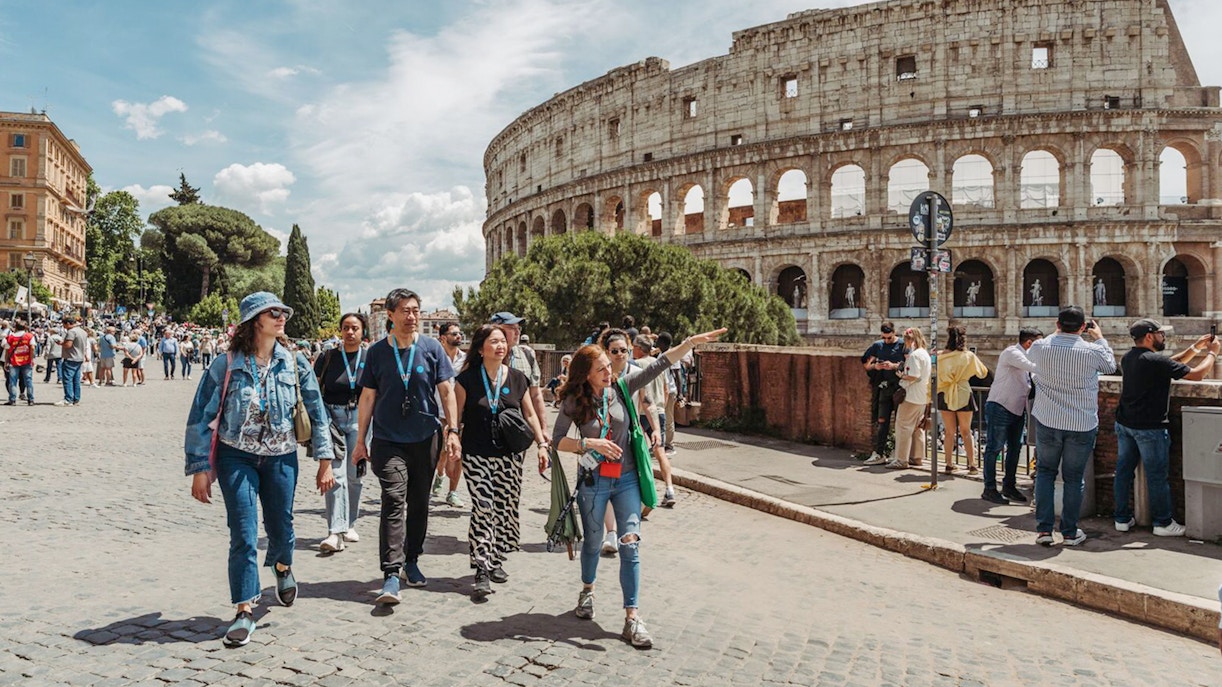
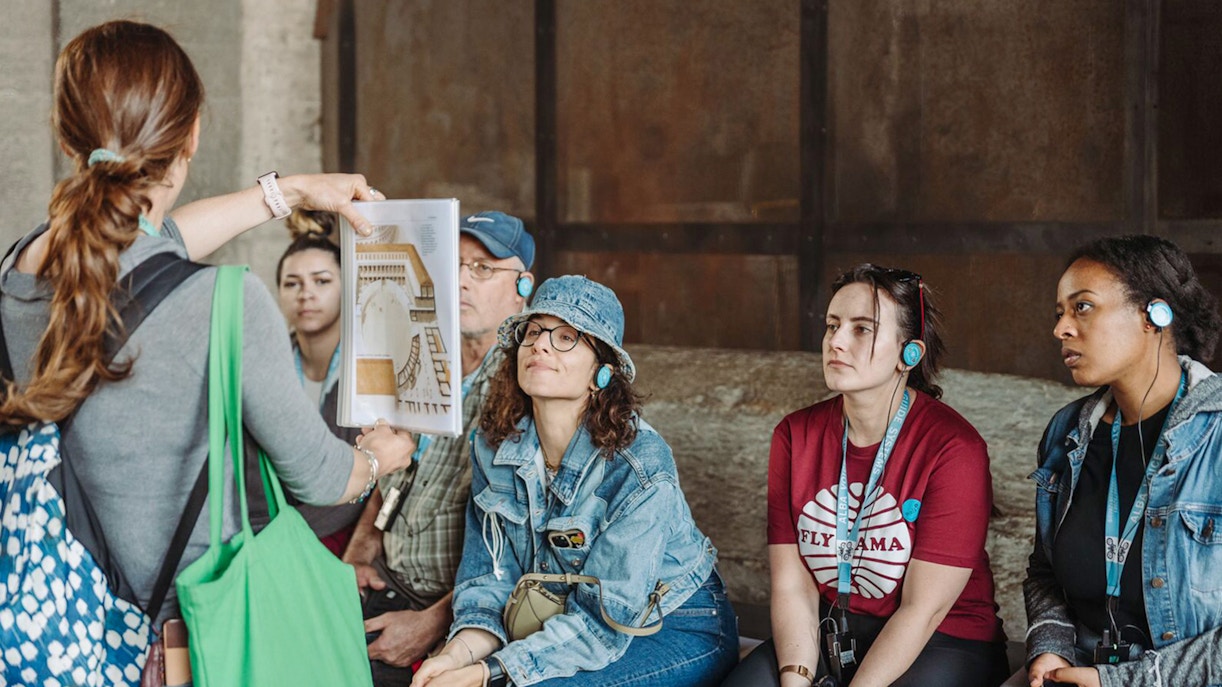
- Starting October 27, 2025, visitors can explore the Passage of Commodus exclusively on guided tours organized by the Parco Archeologico del Colosseo.
- Independent entry isn’t available yet, access is limited to the Full Experience or special underground combination tours.
- Tours run only on Mondays and Wednesdays in small groups of up to 8 people.
- The visit covers about 25–30 meters of the restored imperial corridor between the Colosseum and Ludus Magnus, lasting around 25 minutes and offering a rare, atmospheric walk through the emperor’s private route.
Why it matters — The Emperor, the Arena, and the Myth
The Passage of Commodus is more than a hidden tunnel — it’s a stage for one of ancient Rome’s most audacious performances of power. Emperor Commodus, unlike any ruler before him, blurred the line between emperor and entertainer by fighting as a gladiator in the Colosseum. He entered the arena through this very passage, not for safety, but spectacle, determined to be seen as Hercules reborn, draped in a lion’s skin and demanding cheers for his orchestrated victories.
Ancient accounts tell of Commodus parading through the tunnel after killing an ostrich, brandishing its severed head toward the Senate with a chilling grin. The historian Cassius Dio, struggling not to laugh, stuffed laurel leaves in his mouth. That mix of awe, disbelief, and fear captures why the passage still fascinates today — it’s a living symbol of imperial ego and theatrical power, where Rome’s ruler turned myth into performance beneath the world’s grandest arena.
What you’ll see on the Passage of Commodus tour
The Emperor’s Tunnel
Walk through the dimly lit underground corridor once reserved for emperors. Newly restored brick walls, vaulted ceilings, and moisture-sealed floors reveal the engineering precision of ancient Rome. Guides explain how Commodus used this route to enter the arena unseen.
Arena Connection Point
At the junction beneath the Colosseum, see where the tunnel meets the arena’s hypogeum, a maze of lifts and trapdoors once used for gladiators and animals. The lighting recreates the eerie atmosphere of the Colosseum’s backstage before battle.
Link to Ludus Magnus
Glimpse the sealed exit leading toward Ludus Magnus, the grand gladiator training school. Your guide would illustrate how trainees marched through this path toward the roar of the crowd, blending history, drama, and archaeology in one unforgettable view.
Restored details & photo moments
Spot preserved Roman masonry, drainage systems, and original paving, highlighted by soft amber lighting. Photo stops let you capture the tunnel’s depth and texture, a rare chance to stand where emperors once rehearsed their legends.
How to include it in your Colosseum visit
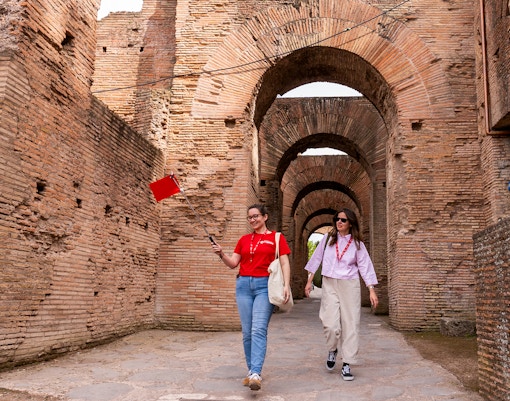
Book the right experience
Once open, the Passage of Commodus will be part of select Colosseum Underground & Arena Floor Guided Tours or “Full Experience” booking organized by Parco Archeologico del Colosseo. These tours combine the arena floor, underground chambers, and the newly restored imperial tunnel, perfect for travelers seeking behind-the-scenes access.
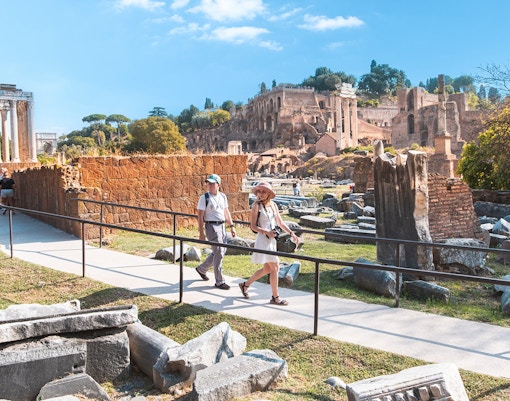
Plan your route
Start your day at the Colosseum, then continue to the Roman Forum and Palatine Hill, both included with standard and guided tours. Don’t miss the Ludus Magnus ruins just across the street, the tunnel’s original endpoint.
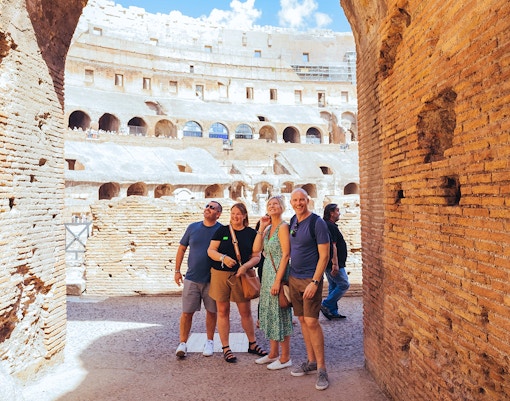
Time your visit wisely
Morning or late-afternoon slots offer cooler temperatures and fewer crowds underground. Access to the passage will be in small guided groups (up to 8 people), available only on Mondays and Wednesdays.
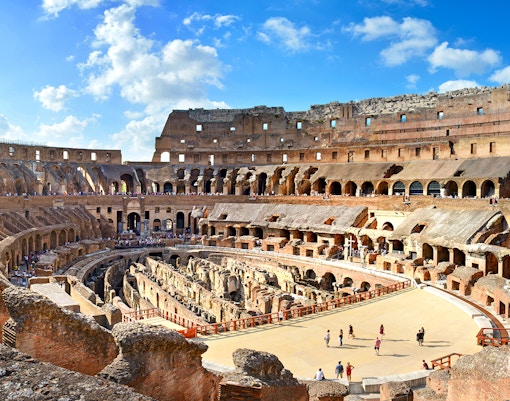
Explore related options
If tunnel access isn’t yet available during your dates, choose from popular alternatives like the Colosseum, Palatine Hill & Roman Forum Access or the Colosseum with Exclusive Arena Floor Guided Tour — both excellent introductions to Rome’s ancient core.
Frequently asked questions about the Passage of Commodus
The Passage of Commodus opened to the public on October 27, 2025, after a major restoration project that lasted roughly one year.
It is an underground corridor linking the Colosseum’s imperial box area to the Ludus Magnus gladiator school nearby.
The tunnel is approximately 25–30 meters (about 80–100 feet) in length, following an S-shaped route underneath the arena.
No, visitors must join a guided group tour; independent or self-guided entry is not permitted at this time.
Highlights include original marble and stucco decorations, recreated natural lighting, underground chambers, and the route once taken by emperors to enter the arena unseen.
Groups are limited to about 8 visitors per tour to preserve the delicate environment and enhance the visitor experience.