- Official name: Via Appia Antica
- Location: Via Appia Antica, 42, 00178 Roma RM, Italy
- Date of opening: 312 BC
- Architect: Appius Claudius Caecus (for the original construction)
- Architectural style: Ancient Roman
- UNESCO World Heritage Site: Declared in 1980
- Number of visitors per year: Over 500,000
- Function: Important ancient road connecting Rome to southeastern Italy.
Explore Appian Way | Rome's Ancient Road of Wonders
What is the Appian Way?
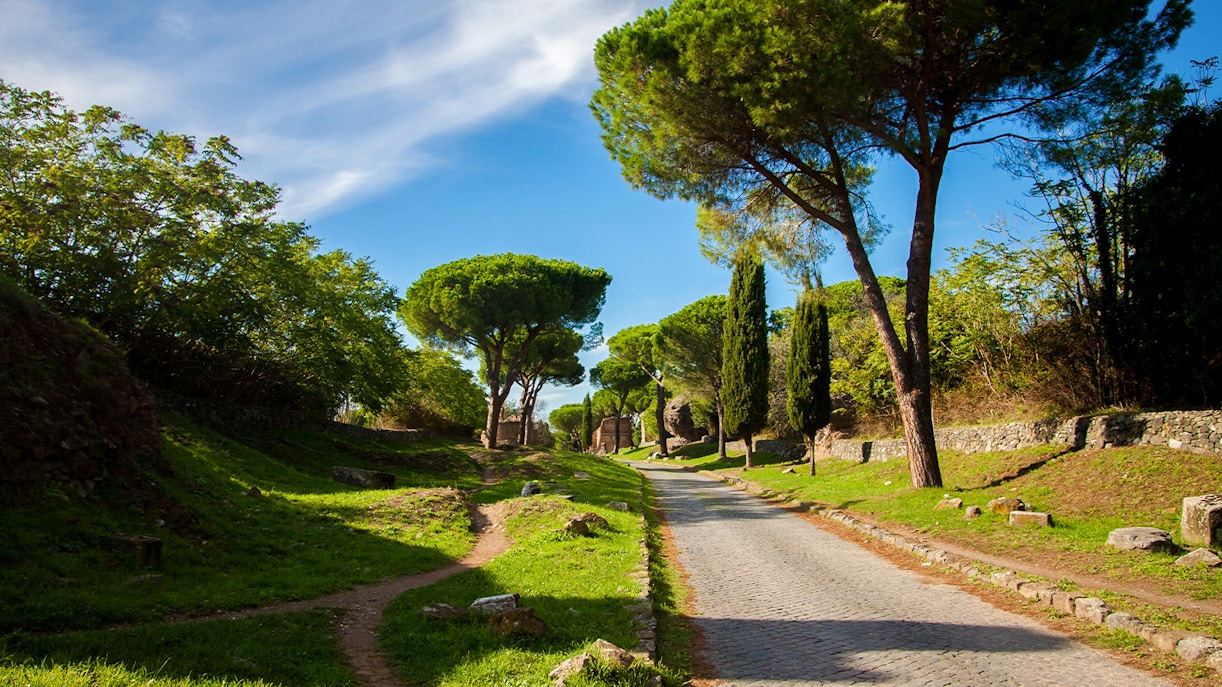
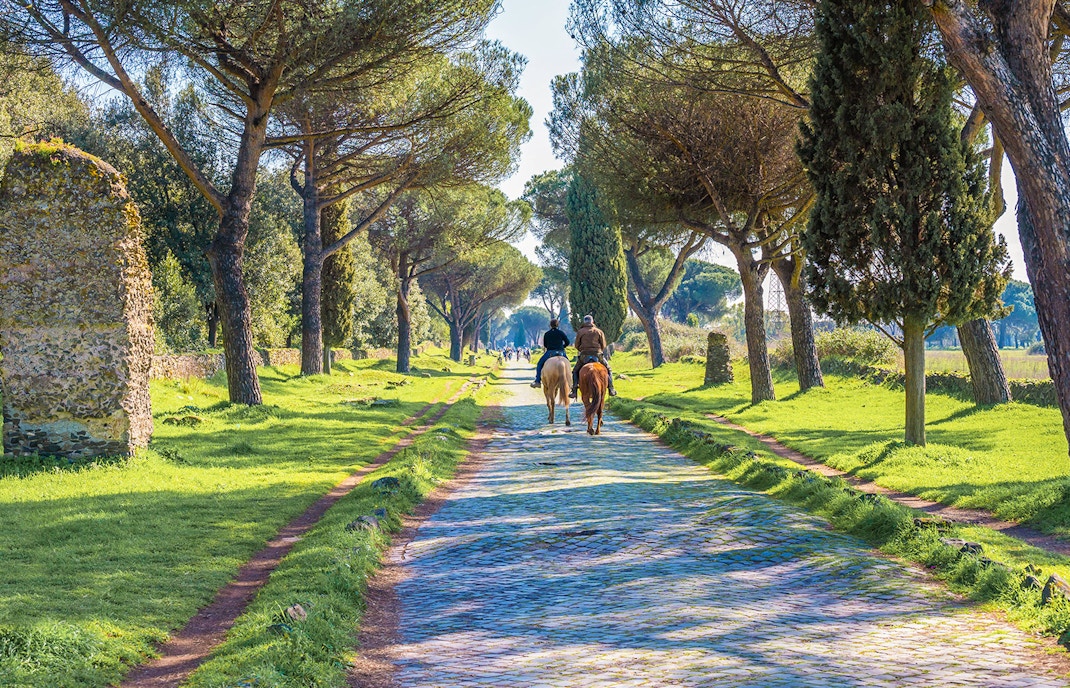
The Appian Way, also known as Via Appia Antica, is one of the oldest and most historic roads in Rome, Italy. Built in 312 BC, it served as a crucial link between Rome and the southern regions of Italy. Often referred to as the "Queen of the Roads," the Appian Way holds immense historical and cultural significance. Paved with large cobblestones, worn smooth over centuries, the road offers a glimpse into the grandeur of the Roman Empire. Considered to be one of the first long-distance roads ever built, this ancient engineering marvel was meant to connect Rome with the southern regions of Italy.
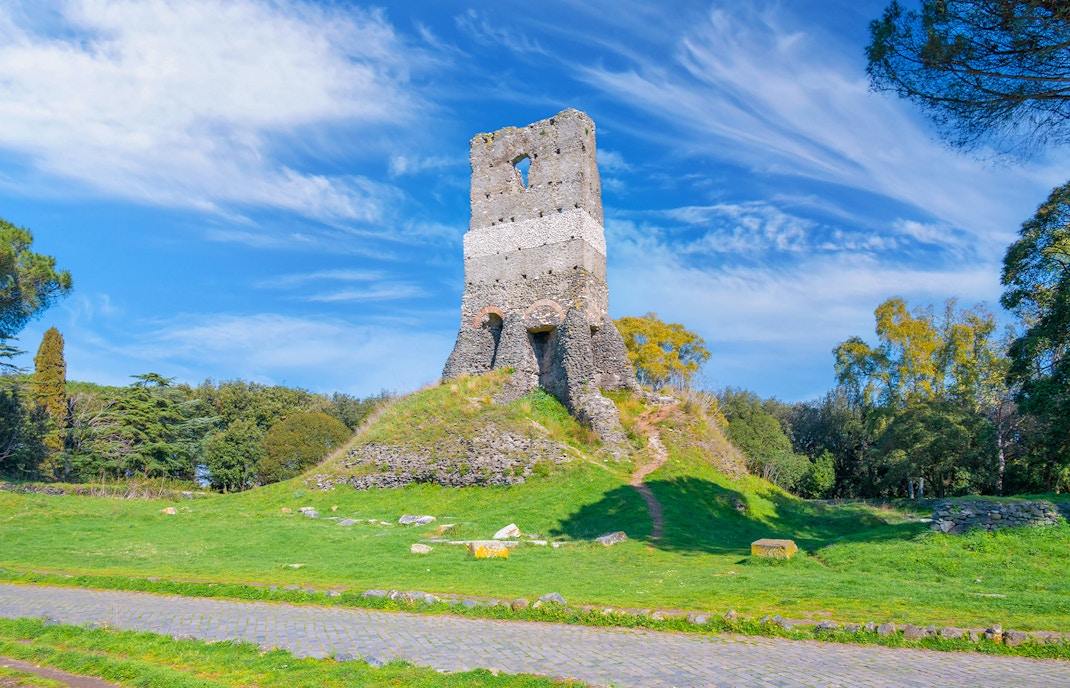
Along this iconic road, visitors can explore a treasure trove of attractions, including catacombs, historical monuments, aqueducts, churches, and villas, all steeped in rich history and architectural beauty.
Quick Facts about Appian Way
Why Visit the Appian Way?
- Explore ancient Rome: Walk in the footsteps of ancient Romans and discover the historical significance of the road that connected Rome to the rest of Italy.
- Historic mausoleums: Admire the stunning architecture and intricate carvings of the many mausoleums along the way, including the Mausoleum of Cecilia Metella and the Tomb of Seneca.
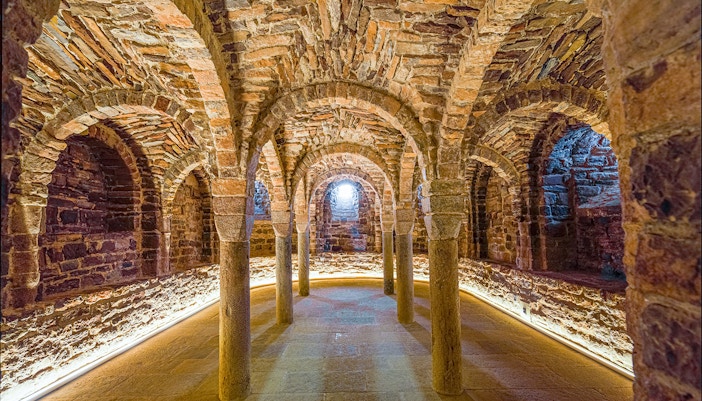
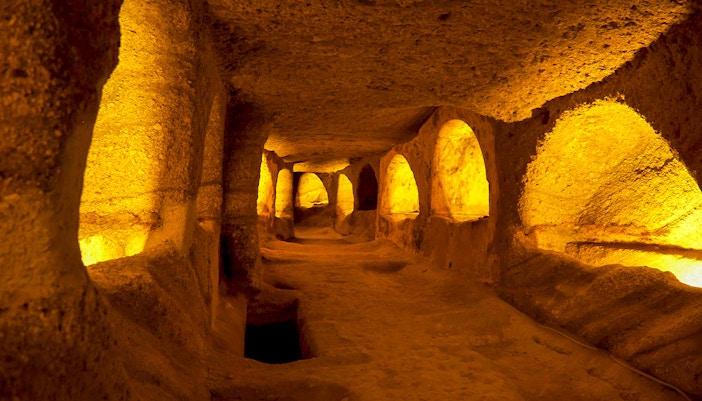
- Catacombs: Journey underground and explore the Catacombs of San Callisto, one of the largest and most significant Christian burial sites in Rome.
- Natural Beauty: Enjoy the stunning views of the Italian countryside, as well as the lush vegetation and wildlife along the route.
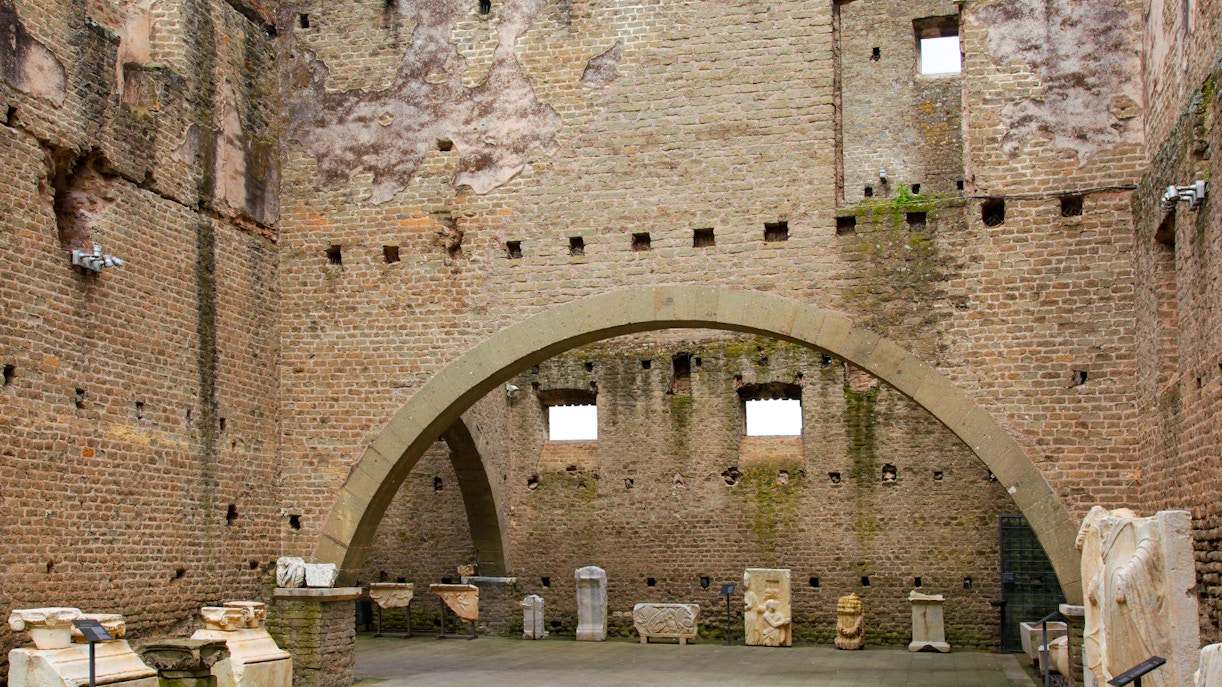
- Visit the museums: Visit the many museums that dot the Appian Way, including the Museum of Roman Civilization and the Museum of the Walls, to learn more about the history and significance of the ancient road.
- Outdoor activities: Go cycling, hiking, or horseback riding along the scenic route and explore the beauty of nature at its best.
Plan Your Visit to the Appian Way
What is the Appian Way Opening Hours?
The Appian Way is open to visitors 24/7. However, the archaeological sites along the way have varying hours depending on the season and day of the week. You should ensure that you check the individual attraction's opening hours before visiting.
Best Time to Visit: During the spring and fall months when the weather is mild. Additionally, visiting in the early morning or late afternoon ensures fewer crowds.
Where is the Appian Way Located?
Address: Via Appia Antica, 42, 00178 Roma RM, Italy
The Appian Way is located in the southeastern part of Rome, just outside the city walls. It stretches for about 10 miles from the city center to the countryside.
Getting There
To reach the Appian Way, you can take the metro to the Colli Albani stop and then a bus heading to Appio Latino or Ardeatina. Alternatively, you can take bus number 118 from the Piramide station.
Highlights of the Appian Way
Catacombs
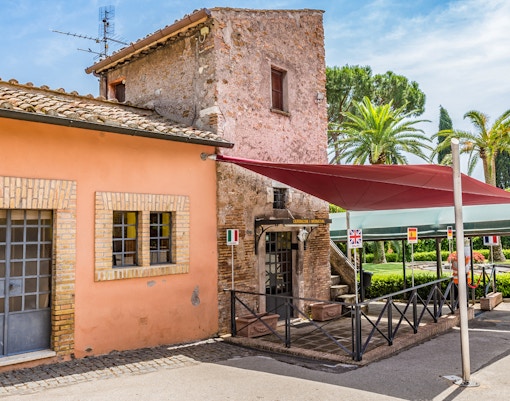
Visitors can explore the underground burial chambers and see the ancient artwork and inscriptions that decorate the walls. Some of the most notable catacombs along the Appian Way include the Catacombs of San Callisto, San Sebastiano, and Domitilla.
Aqueducts
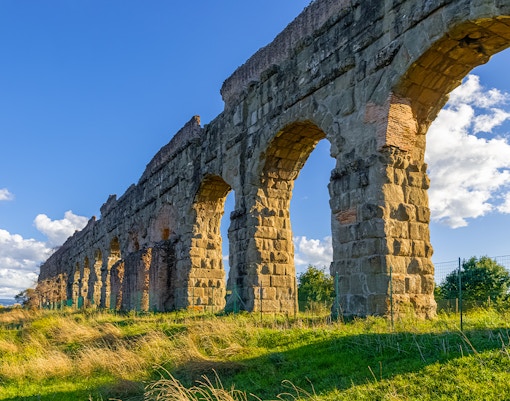
The Appian Way is also home to several impressive aqueducts, which were once used to transport water into the city. The most prominent of these is the Aqua Claudia, which dates back to the 1st century AD. Visitors can see the towering arches and intricate engineering that went into these massive structures.
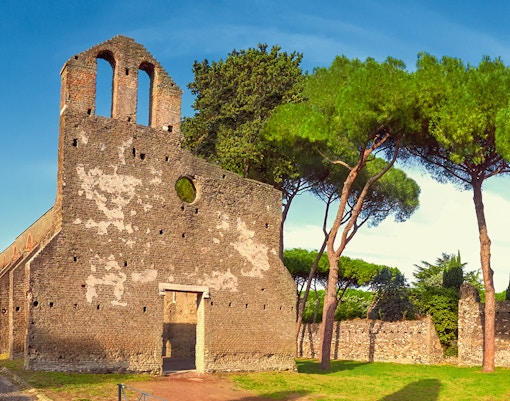
Churches
The Appian Way is dotted with several beautiful churches that are well worth a visit. Some of the most notable include the Basilica of St. John Lateran, the Basilica of Santa Maria in Cosmedin, and the Church of the Domine Quo Vadis. These buildings showcase a range of architectural styles and are filled with stunning artwork and religious relics.
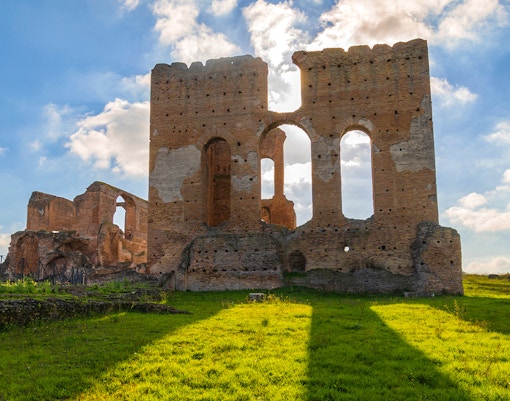
Villas
The Appian Way is home to several impressive villas, a must-see for those interested in ancient Roman architecture. The most famous of these is the Villa of the Quintilii, which was once owned by the powerful Quintilii brothers. Visitors can explore the villa's impressive ruins and see the intricate mosaics and frescoes that adorn the walls.
History of the Appian Way
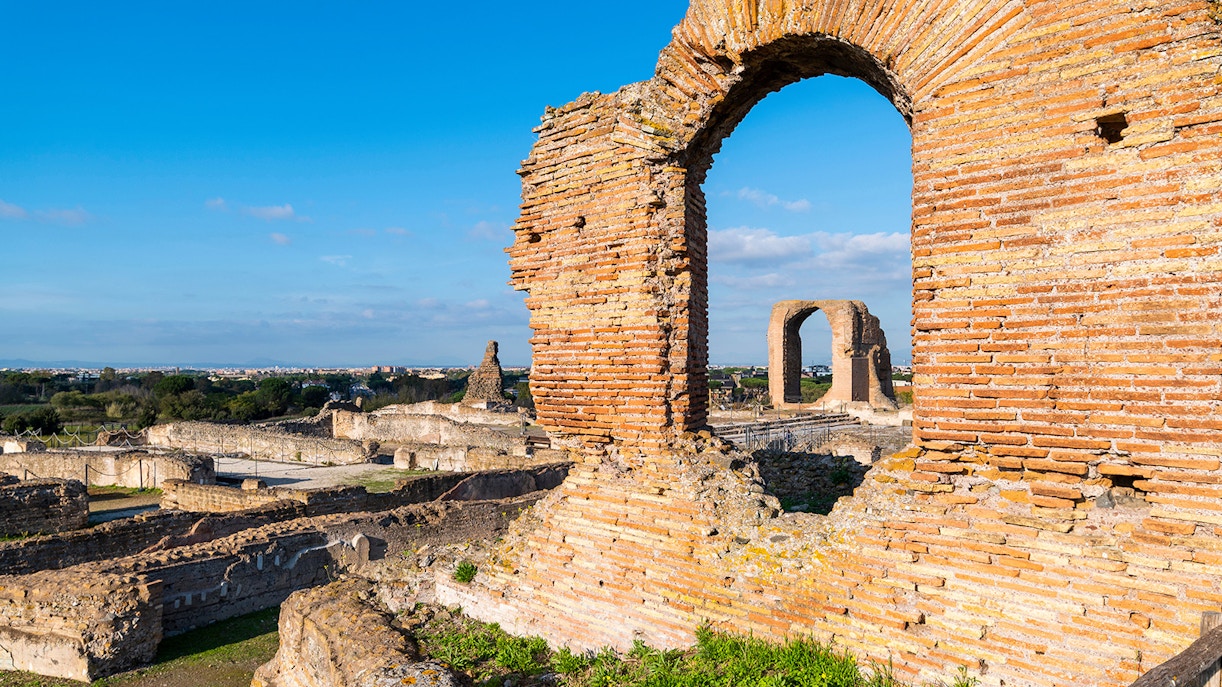
The Appian Way is one of the oldest and most important roads in ancient Rome. Its history dates back to its construction in 312 BC, commissioned by the Roman Republic and overseen by Appius Claudius Caecus, a prominent Roman patrician and politician. The road served as a vital artery for Rome, originally intended to connect Rome with Capua, a city in southern Italy. However, it was later extended to Brindisi, a port city on the Adriatic Sea.
The construction of the Appian Way faced numerous challenges, including rocky terrains and swampy areas, which required innovative engineering techniques for stability. Over the centuries, the road was widened and improved, playing a significant role in Rome's transportation and commerce.
The Appian Way was an important military and commercial route for the Roman Empire. It was used to transport troops and supplies and to facilitate trade between Rome and the rest of the Mediterranean world. The road was also a popular pilgrimage route, and many Christian saints are said to have traveled along it.
Appian Way Today
The Appian Way is still in use today, and it is a popular tourist destination. The road is lined with ancient ruins, including tombs, catacombs, and churches. Visitors can walk or bike along the road, and they can also visit the nearby archaeological sites.
The Appian Way is a UNESCO World Heritage Site, and it is considered to be one of the most important archaeological sites in the world that stands as a testament to the engineering skills of the ancient Romans, and it is a reminder of the importance of trade and communication in the Roman Empire.
Frequently Asked Questions about Appian Way
Appian Way is one of the most important ancient roads in Rome, Italy, which dates back to 312 BC. It was built to connect Rome to Brindisi, in southern Italy.
Entry to the Appian Way and its attractions is generally free. However, some museums or guided tours may have admission fees. You can purchase tickets for them online or at the respective ticket counters. We recommend buying them online to avoid the odds of tickets selling out on the day of your visit.
The original construction of the Appian Way was overseen by Appius Claudius Caecus, a Roman patrician and politician.
The construction of the Appian Way began in 312 BC and continued over the following years, with subsequent improvements and expansions.
The Appian Way is home to several historical monuments such as the Tomb of Cecilia Metella, the Circus of Maxentius, the Catacombs of Rome, the Villa of the Quintilii, and the Mausoleum of Caecilia Metella.
There are many things to see and do on the Appian Way. Some of the tourist attractions along the Appian Way include the Catacombs of San Callisto and the Catacombs of San Sebastiano as well as various basilicas and tombs. The stretch close to Rome of the Via Appia Antica is now part of a nature and archaeological park, the Parco Regionale dell’Appia Antica
The best time to visit the Appian Way is during spring and autumn when the weather is pleasant, and there are fewer tourists. However, it can get crowded during peak season.
The Appian Way is located in Rome, Italy. Its address is Via Appia Antica, Rome.
The easiest way to reach the Appian Way is by taking the metro to the Colli Albani stop and then taking a bus heading to Appio Latino or Ardeatina. You can also reach here by taxi.
It depends on your interest, but you should keep at least a half-day to explore the area and appreciate the ancient monuments in a leisurely way. However, if you are a history buff, you can easily spend a whole day here.
It is recommended to wear comfortable shoes and casual clothing as you need to walk around a lot. Remember to carry a hat, sunscreen, and a bottle of water during summer.