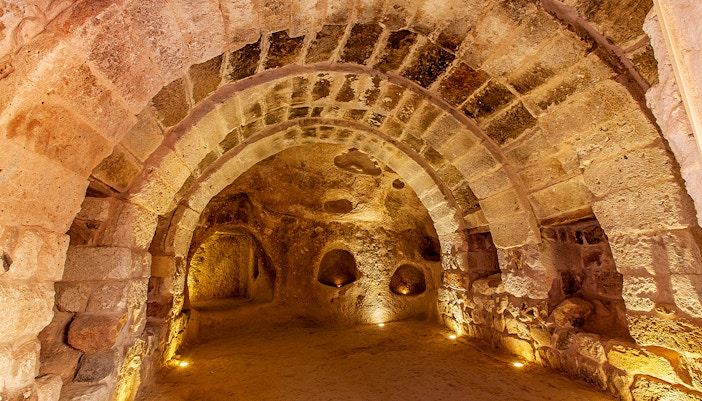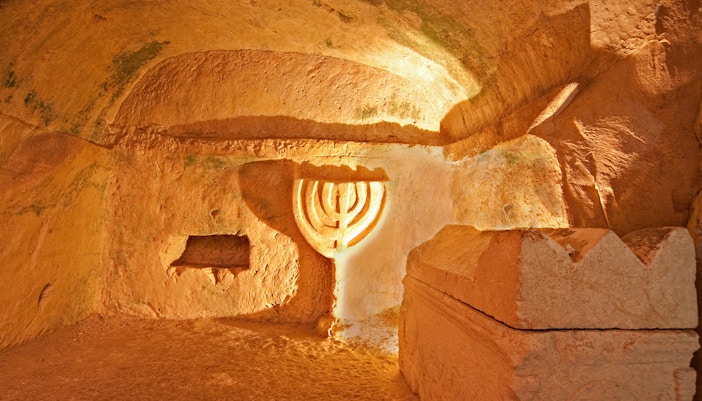
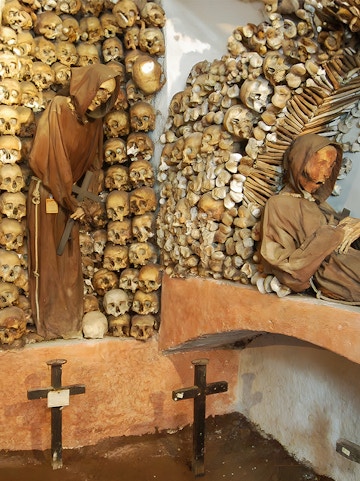


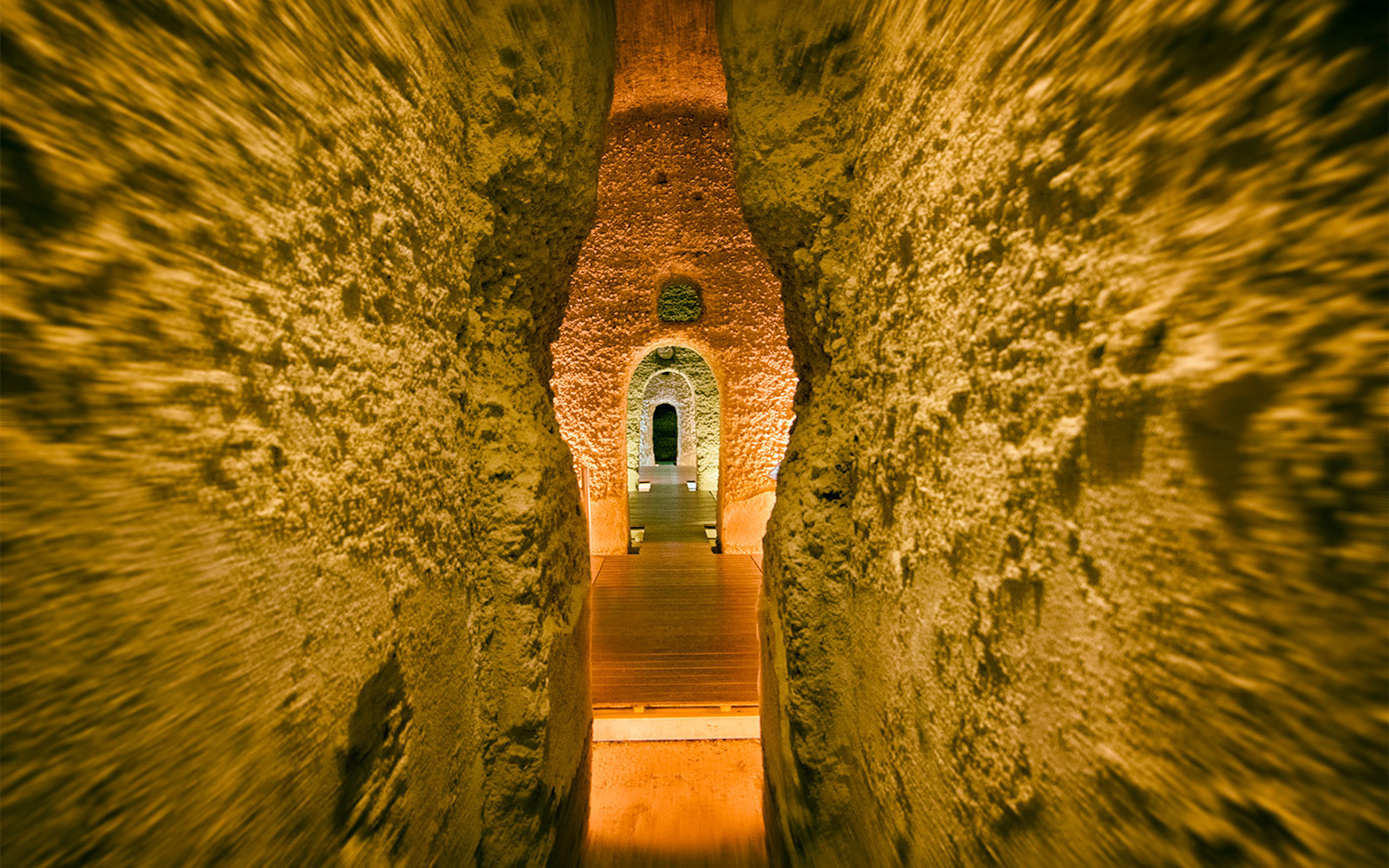
The guided route takes you below the Via Appia Antica through selected burial galleries cut into the rock. These passages contain loculi, or burial niches, used by both pagan and Christian communities as the site developed over several centuries.
Experience the best of Catacombs of Saint Sebastian
Crafted by Headout, a global experiences brand offering curated tours, tickets & experiences. Discover with ease, book with peace.1,490 travellers from around the world love this
Top things to do in Rome
How Headout makes choosing experiences effortless
We curate the best ways to experience
We research and organise all unique experiences - from tickets to tours to special combos - so you get all the choices without the clutter.
We partner with the best
Every supplier is vetted for quality, reliability, and value so you only get top rated experiences. No surprises, no disappointments.
All the best options, in one place
Each experience is thoughtfully organised to give you maximum availability, great value and an easy way to choose.
Book with complete peace of mind
Free cancellations, Flexible payments, and 24/7 support - thoughtfully designed for flexibility, assurance, and total peace of mind.
Slide 1 of 41/4
Slide 1 of 4
Quick overview
- Guided only: San Sebastian is available through guided visits; there is no self-guided or independent entry option.
- Core experience: The visit takes about 40 minutes, focused on the catacombs and their archaeological and Christian heritage.
- Ticket choices: Book San Sebastian entry on its own, or choose a wider experience with transfers, Cecilia Metella, or additional catacombs and basilicas.
- Transfers: Selected options include round-trip AC transport from central Rome, making them a simpler choice for visiting the Appian Way.
- Catacombs access: On days when the Catacombs of San Sebastian are closed, a combination tour may visit Domitilla instead.
- Good to know: Expect around 70 irregular steps, no elevator, and no seating underground; the catacombs are not wheelchair accessible.
- Best choice: Choose the standalone guided visit for San Sebastian itself; upgrade when you want transport or additional sights.
What to expect at Catacombs of Saint Sebastian

1/6
Begin at the basilica complex
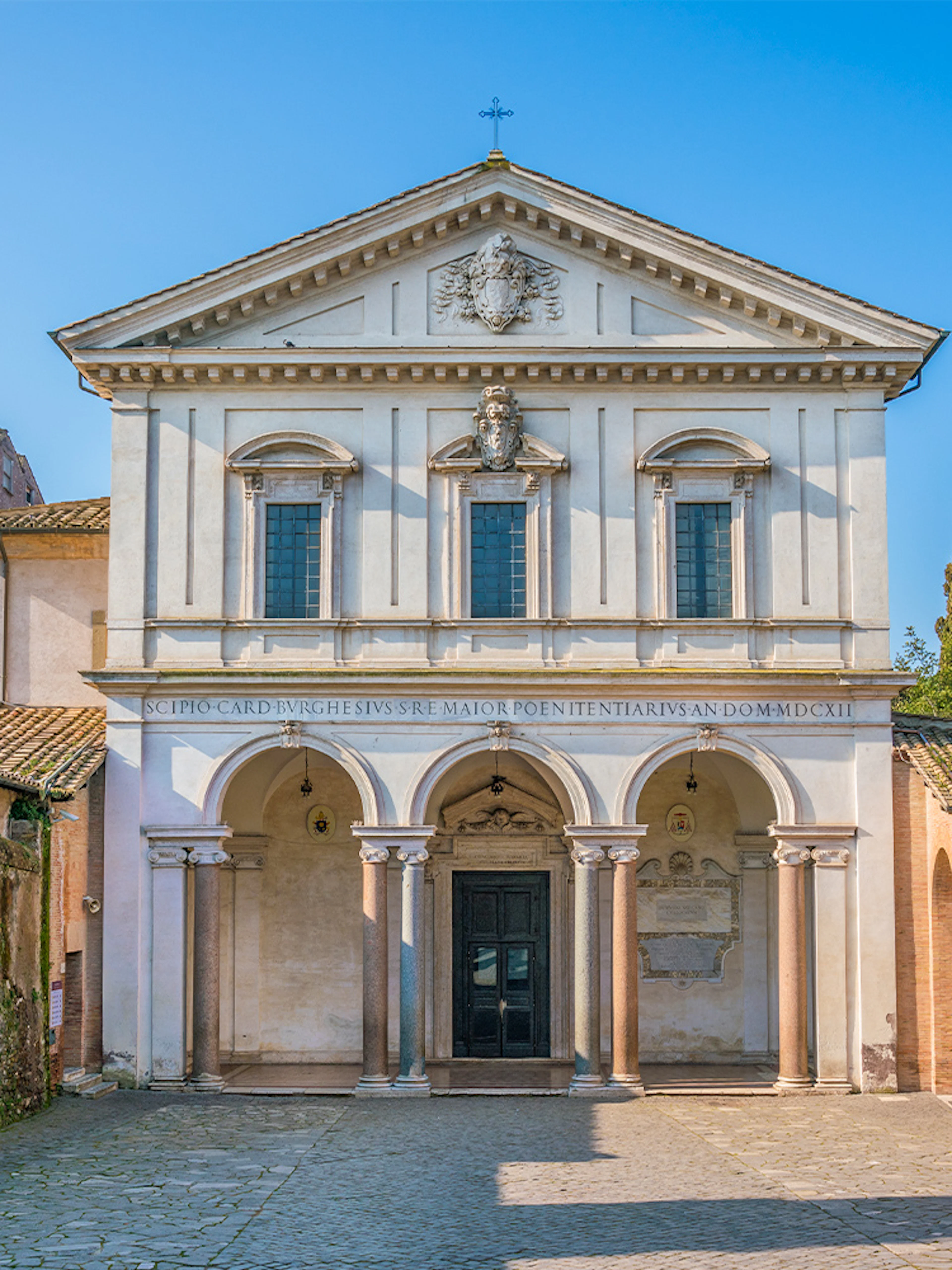
Begin above ground at the Basilica of Saint Sebastian Outside the Walls, where the entrance area includes the Museum of Sarcophagi. The visit then shifts from the church’s brighter interiors to the quiet, enclosed spaces below.
Follow the selected underground route
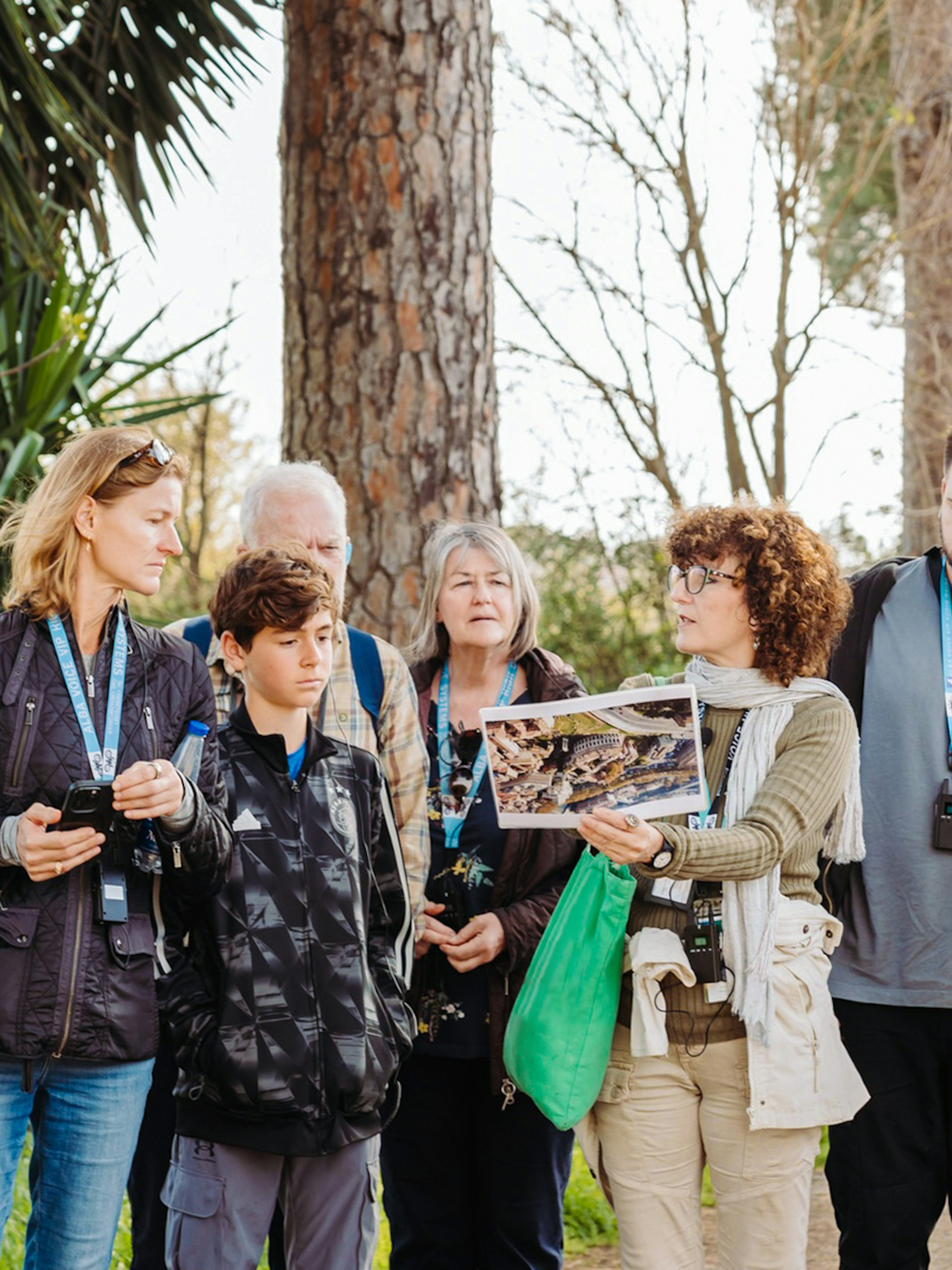
Visits are guided rather than free-roam. Follow your guide through selected sections of the three-level cemetery, passing narrow galleries, loculi and arcosolia on a route that takes about 45 minutes.
See Jonah and martyr memory
In the deeper section, look for the Cubicle of Jonah, named for its fourth-century frescoes depicting four scenes from the biblical story. The route continues towards the crypt associated with Saint Sebastian.
Reach the Piazzuola and its mausoleums
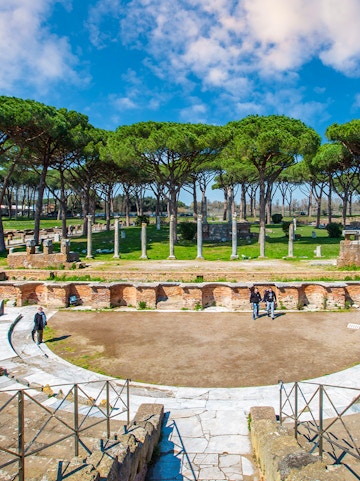
At the Piazzuola, see three pagan mausoleums later reused by Christians. Their brick structures and surviving funerary decoration show how the site developed from a Roman burial area into a Christian cemetery.
Emerge into the basilica
The route usually ends above ground in the Basilica of Saint Sebastian Outside the Walls, where the Bernini-associated Salvator Mundi bust adds a Baroque coda. It’s a strong final contrast after the dimmer, older spaces below.
Extend the experience above ground
Selected tours add the Appian Way and Mausoleum of Cecilia Metella, while combination options can pair San Sebastian with other catacombs or Rome’s major basilicas.
Things to know before booking your Catacombs of Saint Sebastian tickets
Reservations
- Reserve at least one week ahead for your preferred time slots. Every visit runs as a guided departure, and the venue gives priority to reserved visitors and groups arriving on time over walk-ins.
What’s included
- Standard admission covers the guided underground tour, lasting about 40 minutes. You follow the public visitor route with a guide; independent exploration and access to closed passages are not permitted.
Combo tickets add more than just transfers
- For a longer day, choose an Appian Way + aqueducts experience with Cecilia Metella and round-trip transport, or a 3-hour basilica combination covering the Holy Stairs, Saint John Lateran, Saint Mary Major, and both San Callixtus and San Sebastian. Check the itinerary, as some Appian Way departures visit Domitilla instead of San Sebastian when it’s closed. such as on Mondays.
Accessibility
- The underground route has around 70 irregular steps, no elevator and nowhere to sit, and isn't wheelchair accessible. We also advise against the visit for people with serious walking difficulties or claustrophobia.
Main areas of the Catacombs of Saint Sebastian
The Catacombs of Saint Sebastian are more than underground burial tunnels. The complex brings together early Christian catacombs, Roman mausoleums, the crypt associated with Saint Sebastian, and the basilica above. Visits underground are guided and cover selected sections rather than the entire network.


One of the most interesting parts of San Sebastiano actually predates much of its Christian history. The site contains three 2nd-century Roman mausoleums belonging to Clodius Hermes, the Innocentiores, and the Ascia. They still preserve original frescoes and stucco decoration and were later used for Christian burials.
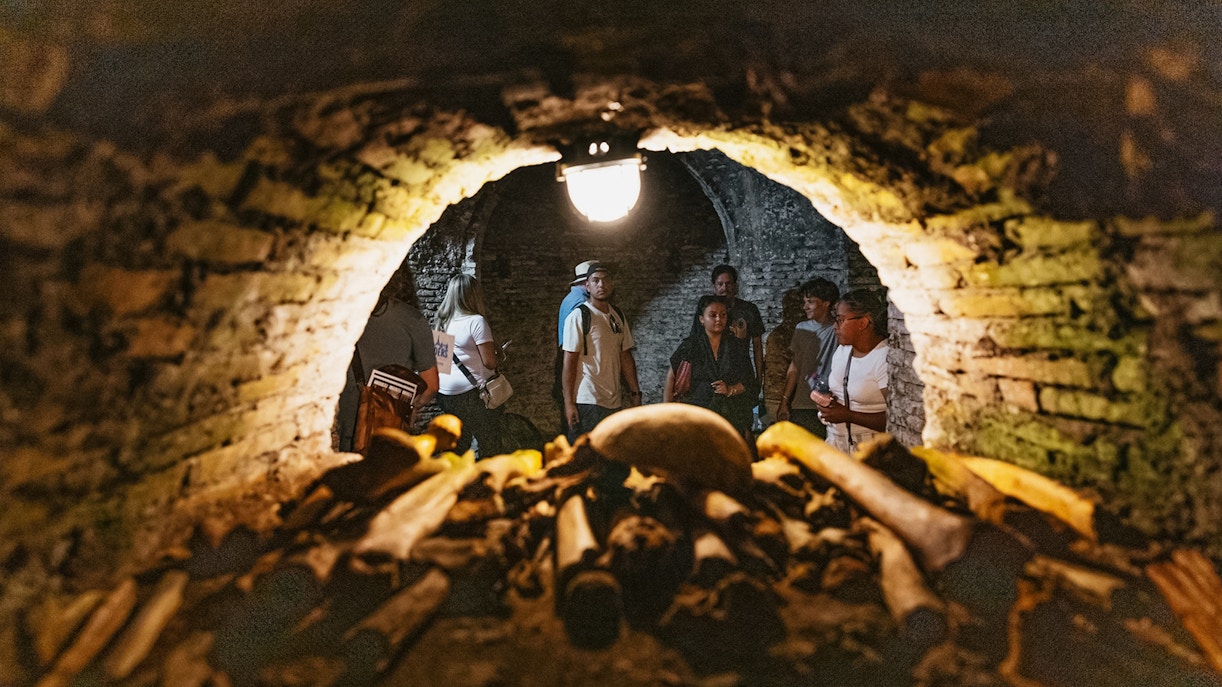
This is the part of the complex most closely tied to the saint who gave the catacombs their modern name. Saint Sebastian was buried at the site, and the crypt dedicated to him was extensively rebuilt during the 17th-century renovation of the basilica complex.

Back above ground, the Basilica of Saint Sebastian adds a completely different layer to the visit. The present church was extensively rebuilt in the early 17th century under Cardinal Scipione Borghese and contains several works and relics connected with the site's history, including Bernini's Salvator Mundi.
What to see at Catacombs of Saint Sebastian

1/4
Cubicle of Jonah frescoes
Look out for the Cubicle of Jonah in the deeper section of the catacombs. Its 4th-century frescoes depict four episodes from the biblical story of Jonah and are among the clearest surviving painted features on the visitor route.
Frescoes and stuccoes in the mausoleums
The three Roman mausoleums are worth looking at closely, not just passing through. Their original frescoes and stucco decoration survive from the Roman funerary complex, giving you a rare chance to see the site's pagan and early Christian history sitting side by side.
Triclia graffiti
One of San Sebastiano's most important archaeological features is the Triclia, an ancient portico associated with the veneration of Saints Peter and Paul. Hundreds of graffiti invoking the two apostles have been identified on its walls, dating to around the mid-3rd century.
Bernini's Salvator Mundi
After all the underground archaeology, there is a surprise upstairs. Inside the basilica is Gian Lorenzo Bernini's marble Salvator Mundi, dated 1679 and presented by the official site as his final work. It's one of the easiest details to miss if you head straight for the exit after the catacomb tour.
Plan your visit to Catacombs of Saint Sebastian
- Opening hours: The catacombs are open from Tuesday to Sunday, 9:15am–5:15pm.
- Last entrance: The last guided entrance begins at 4:45pm.
- Closed days: The site is closed on Mondays, December 25, January 1, and Easter Day.
- Annual closure: The site is also closed from December 7 to December 27, 2026.
- Best time of day: Choose the first morning departure for cooler waits and fewer arriving groups.
- Crowd note: Later mornings can feel busier as guided groups arrive together.
Address: The catacombs are at Via Appia Antica 136, 00179 Rome, Italy. [View on Google Maps]
The site is on Via Appia Antica, south of Rome’s historic center.
Getting there
- Bus: Buses 118 and 660 stop at Basilica and Catacombs of St. Sebastian, a 2-minute walk away.
- Metro + bus: Take Metro A to Arco di Travertino, then bus 660 to the same stop.
- Taxi: Taxis and ride-shares can drop you directly at Via Appia Antica 136.
- Route note: Official bus guidance varies by page, so recheck routes before travel.
- Guided visits: Official tours are offered in Italian, English, French, Spanish, and German.
- Ticket Office: On-site ticketing and information desk.
- Basilica Access: Entry to the historic Basilica of St Sebastian Outside the Walls at the end of the tour.
- Museum: A small museum of sarcophagi displaying late-antique funerary art.
- Gift Shop & Café: A souvenir shop and a small coffee/refreshment near the entrance.
- Restrooms: Basic visitor restrooms near the entrance area.
- The catacombs are not wheelchair accessible.
- There is no lift and no seating inside.
- The tour includes approximately 70 irregular steps, so it may be unsuitable for visitors with serious walking difficulties.
- The underground area has a temperature of about 17°C and high humidity; comfortable, appropriate clothing is advised.
Tips & guidelines
- Don’t rush out after the underground tour: The basilica is part of the same complex, and the Salvator Mundi bust is one of Saint Sebastian’s best above-ground highlights.
- Pay attention to the transition between periods: The site mixes 2nd-century Roman mausoleums with later Christian burial spaces, so it’s worth listening for how the guide connects the two rather than treating everything underground as one era.
- Look specifically for the Cubicle of Jonah: Its 4th-century frescoes are one of the easiest named artworks to remember in a route otherwise dominated by corridors and burial niches.
- Wear shoes with decent grip: You’re moving through an old underground archaeological site rather than a level museum floor.
- Keep photography expectations low: A no-photo rule is reported by visitors, but the current official material reviewed does not clearly confirm it, so follow your guide’s instructions on the day.
- Save the Appian Way portion for after: The contrast between the enclosed catacombs and the open Via Appia works better than breaking up the underground visit midway.
Frequently asked questions about the Catacombs of Saint Sebastian tours
No, entry to the Catacombs of Saint Sebastian is only allowed through guided tours. This way you also gain valuable insights into the history and significance of the site.
There are no strict age restrictions; children aged six and under can enter for free.
The catacombs of Saint Sebastian are one of the oldest and most important Christian burial sites in Rome. They show how the early Christians lived, worshipped, and died for their faith. They also preserve the relics of many saints and martyrs who inspired generations of Christians. They are one of the seven pilgrimage churches of Rome and a testimony of the early Christian faith.
The catacombs involve navigating uneven surfaces and stairs, which may not be suitable for those with mobility issues. Visitors with claustrophobia should consider their comfort level, as the tunnels can feel confined.
You can combine their trip with nearby sites such as the Basilica of Saint Sebastian above the catacombs or other catacombs like San Callixtus or San Lorenzo for a more comprehensive experience.
The Catacombs of Saint Sebastian are closed on specific holidays, including December 25 (Christmas), January 1 (New Year’s Day), and Easter Sunday. It's best to check ahead if planning a visit around these dates.
The catacombs of Saint Sebastian consist of four levels of tunnels and chambers, containing thousands of tombs and sarcophagi, some decorated with frescoes and inscriptions. The catacombs also house some pagan and Jewish burials, as well as three circular mausoleums on the surface. The catacombs also have a portico called triclia, where pilgrims used to gather to venerate Saints Peter and Paul. The wall of the triclia is covered with graffiti invocations to the apostles.
The Basilica of Saint Sebastian, built over the catacombs in the 4th century AD by Emperor Constantine, contains several relics related to Saint Sebastian and other saints. Some of these relics are the arrow that pierced Saint Sebastian during his martyrdom, a set of marble footprints attributed to Jesus, a stone with an imprint of Jesus' face, a fragment of the column where Jesus was scourged, and a piece of wood from his cross.
Yes, it is highly recommended to book tickets in advance, especially during peak tourist seasons (April to October). Booking at least a week ahead can help secure your desired time slot.
Food and drinks are not permitted inside the catacombs to maintain cleanliness and respect for the sacred space. However, visitors can enjoy snacks along the Appian Way before or after their tour.