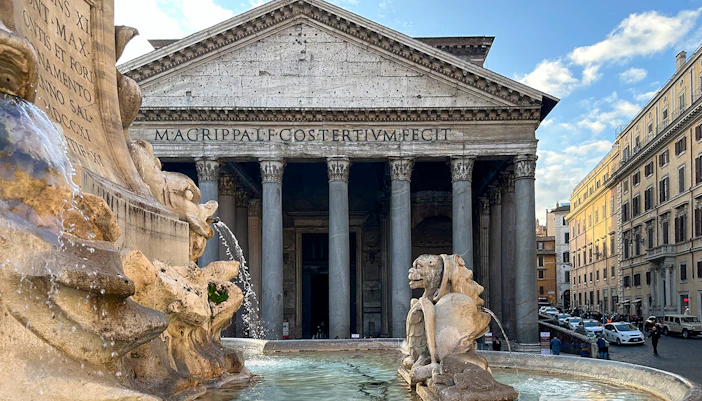
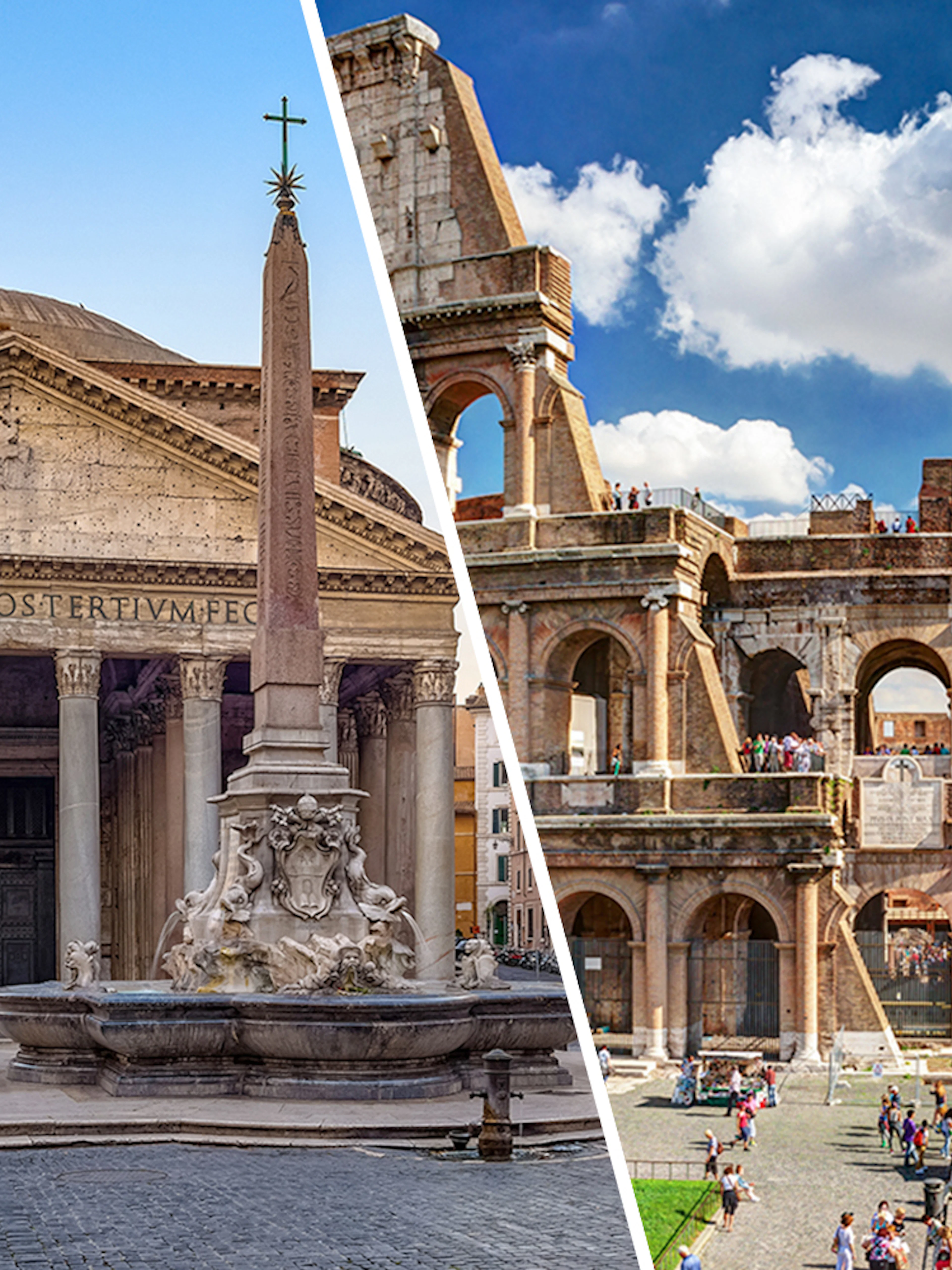
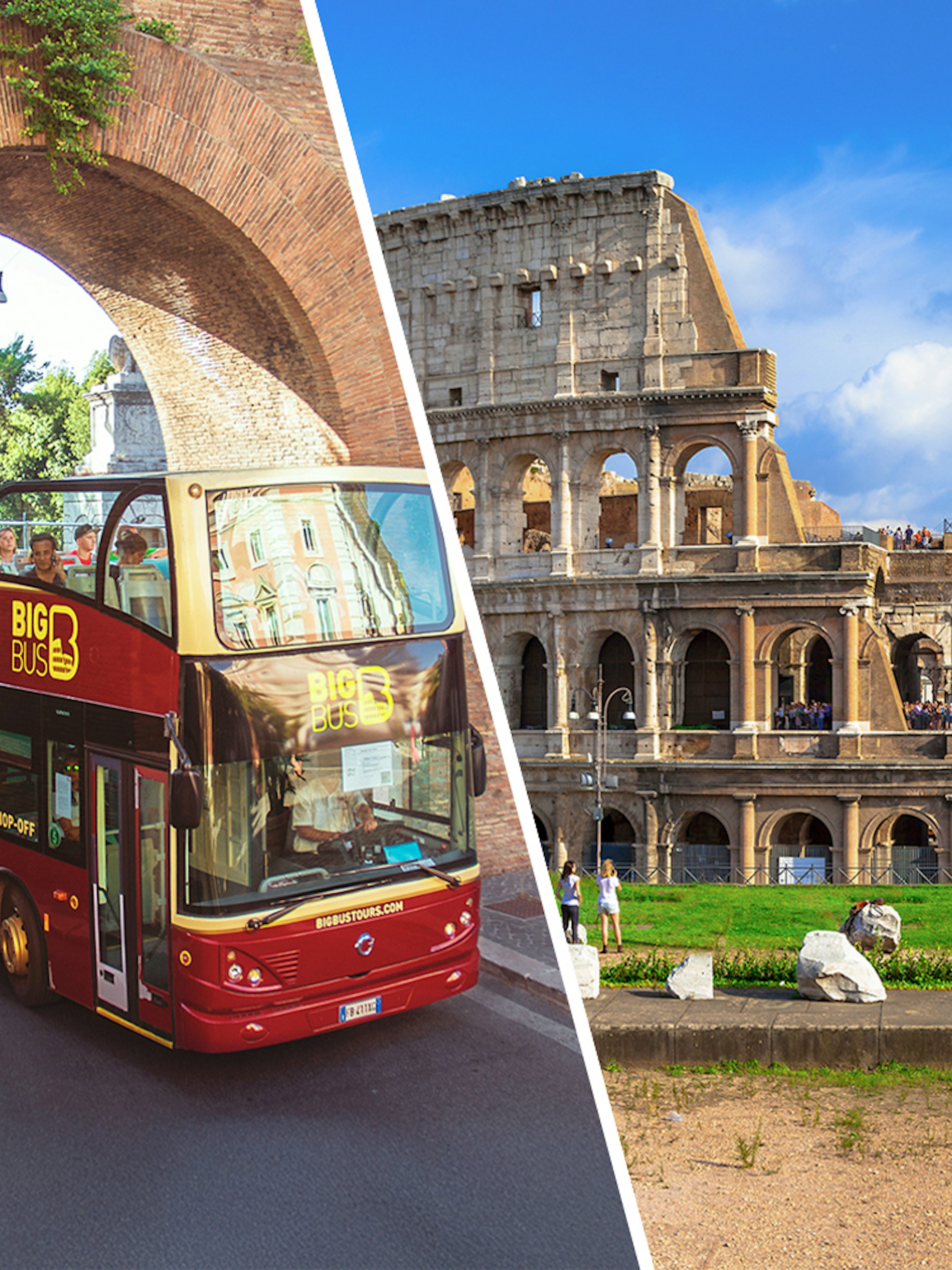
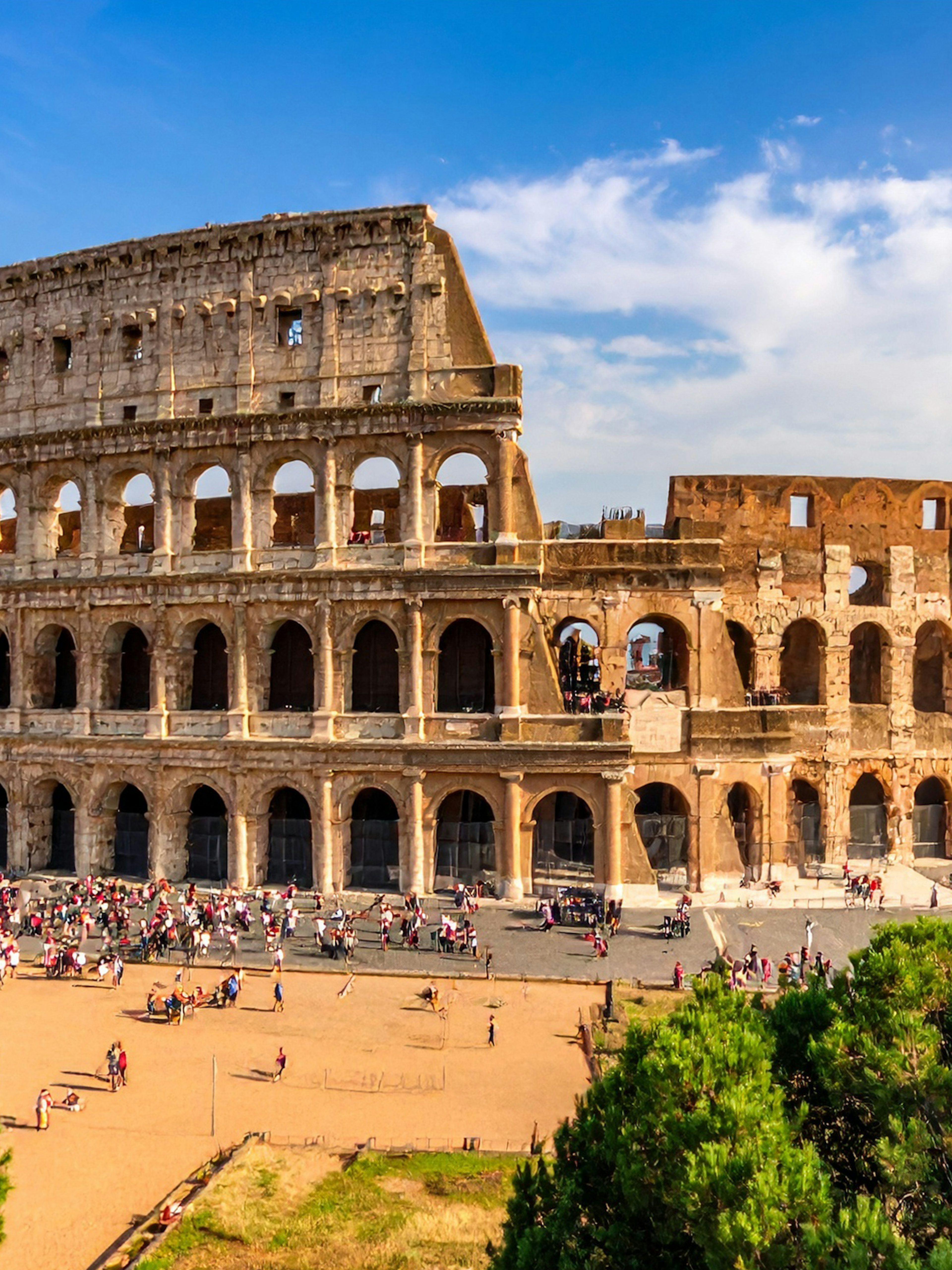
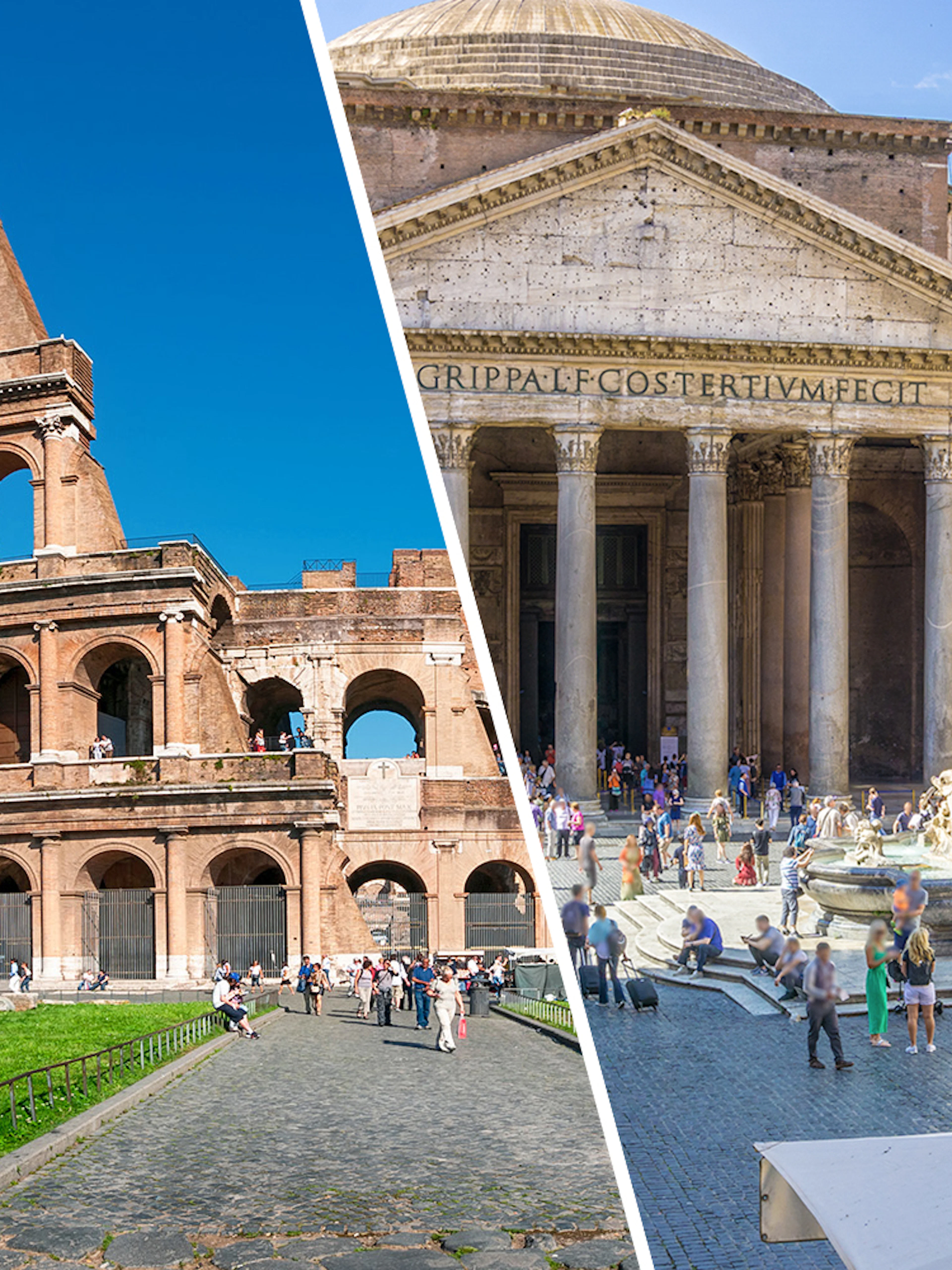
Why combine the Colosseum and Pantheon?
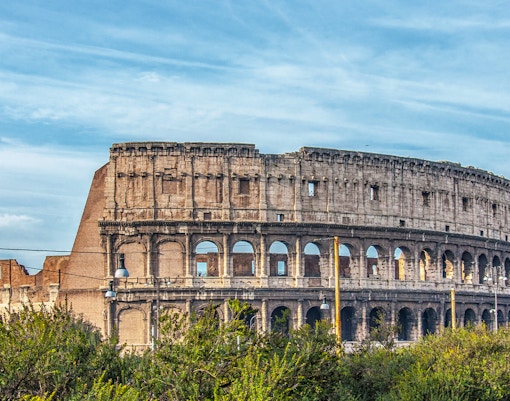
Fuller story
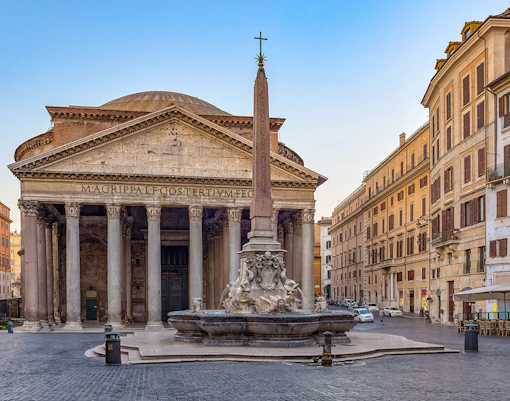
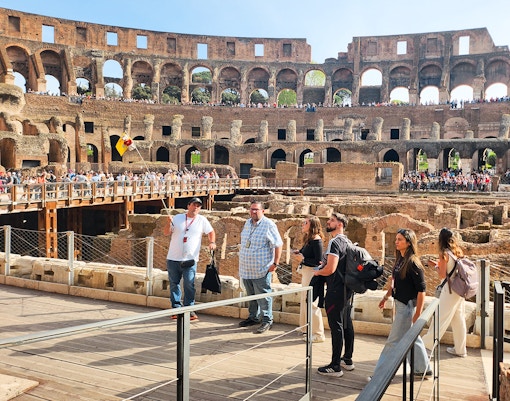
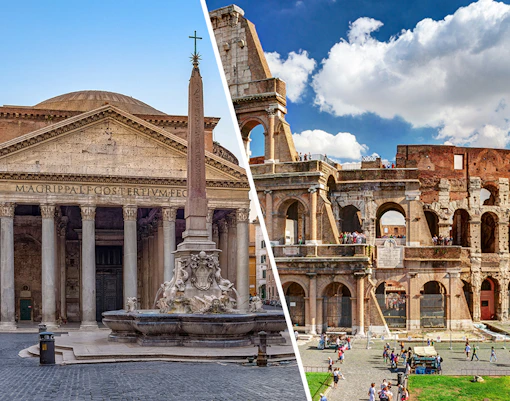
These 2 landmarks frame ancient Rome from opposite angles—the Colosseum’s public spectacle and the Pantheon’s intact engineering—so seeing both together makes the city’s story feel complete.

Easy route

They’re close enough to combine without cross-city logistics. Walk via Via dei Fori Imperiali and Piazza Venezia, or use a short bus hop, then continue straight into the Pantheon quarter.

Less planning

The Colosseum’s nominative timed entry and ID checks create most of the planning friction. A combo reduces separate bookings, duplicate checkout details, and last-minute scheduling mistakes.

Flexible pacing

Direct combo options aren’t locked into a single guided block. Depending on the ticket you pick, you can visit both sites the same day or split them across different dates.

The best ways to explore both

AspectSeparate ticketsCombo tours

Cost

Colosseum from €18 plus €2 booking fee, plus a separate Pantheon ticket.

Direct combos save 5%–19%, depending on format and inclusions.

Availability

Colosseum timed slots disappear first; you must coordinate a second Pantheon booking.

One checkout covers both, and direct Colosseum-plus-Pantheon combos reduce booking friction.

Timeslots

You manage 2 reservations and the walking buffer yourself.

Slots are easier to pair, and some options allow separate-day use.

Convenience

2 confirmations, 2 entry rules, and more room for mistakes on names and IDs.

One purchase, linked planning, and clearer expectations for both visits.

Flexibility

Better if you want complete control or only one site.

Slightly more structured, but simpler for first-time Rome itineraries.

Best for

Visitors building a custom Rome plan around other reservations.

Visitors who want ancient Rome highlights with less ticket admin.

Making the most of your experience

  • Plan 4–5 hours: Allow 2–3 hours for the Colosseum, plus Roman Forum and Palatine Hill, then 20–30 minutes at the Pantheon and about 25 minutes walking between them.
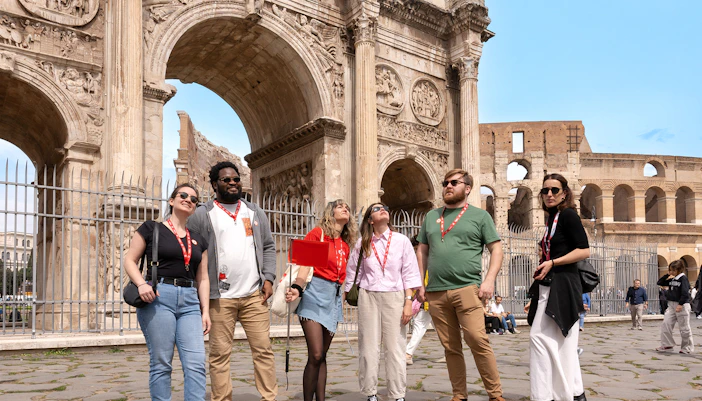
  • Choose the right format: Current direct combos lean self-guided or hosted, not fully guided across both sites. That works well if you want structure without being tied to a group.
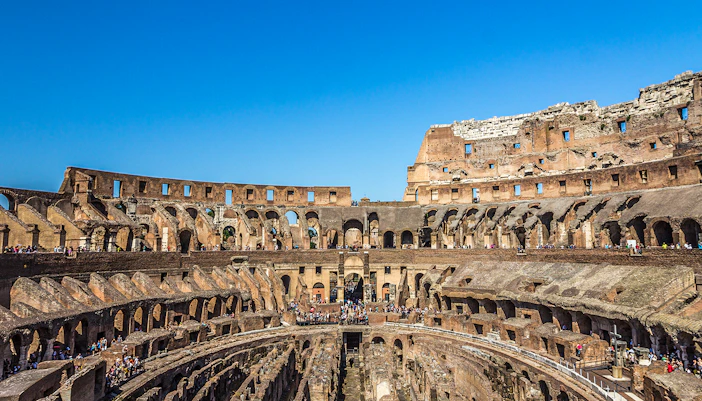
  • Know the highlights: You’ll cover the Colosseum tiers and museum, Roman Forum, Palatine Hill, then the Pantheon’s Rotonda, dome, oculus, and tombs, with audio support on select options.
  • Colosseum: Usually opens at 8:30am, with seasonal closing times ranging from late afternoon in winter to early evening in summer. Your entry is date-and-time specific.
  • Pantheon: Typically open daily from 9am–7pm, with last entry shortly before closing; hours can shift during Masses or religious events.
  • Start at the Colosseum: Its timed slot, ID check, and security lines make it the less flexible visit, so it works better first.
  • Best strategy: Book an early Colosseum slot, then do the Pantheon after lunch or in late afternoon, when the walk feels easier and the Pantheon visit stays short and focused.
  • Location context: Both landmarks sit in Rome’s historic center, but the Colosseum anchors the archaeological park while the Pantheon sits deeper inside the Centro Storico.
  • Colosseum: Piazza del Colosseo, 1, 00184 Rome, Italy | Find on Maps
  • Pantheon: Piazza della Rotonda, 00186 Rome, Italy | Find on Maps
  • Walk: Allow 25–30 minutes via Via dei Fori Imperiali and Piazza Venezia; it’s the simplest transfer and gives you easy café stops on the way.
  • Bus: Bus 87 or 51 from the Colosseum area toward Piazza Venezia, then an 8–10-minute walk to the Pantheon.
  • Car: Not recommended. The Pantheon sits inside Rome’s traffic-restricted core, and parking near both monuments is limited and expensive.
  • Colosseum: The amphitheater is more accessible than the wider archaeological park; Roman Forum and Palatine Hill have cobblestones and uneven terrain.
  • Pantheon: The interior is wheelchair accessible and easier to navigate than the Colosseum complex.
  • Wheelchairs: Bring your own mobility aid for this combo; free on-site wheelchair hire is not part of these products.
  • Sensory comfort: First-entry Colosseum slots and early Pantheon visits are usually the calmest.
  • Service animals: Certified guide dogs are accepted at the Pantheon; follow current Colosseum park rules when booking.
  • Do the fixed slot first: The Colosseum has the stricter entry process, so anchor your day there and keep the Pantheon as the easier second stop.
  • Use the walk as a buffer: The route through Piazza Venezia helps you decompress after Forum cobblestones before stepping into the quieter Pantheon interior.
  • Time the Pantheon well: Midday gives you the strongest light under the oculus, while late afternoon usually feels calmer.
  • Pack light for security: Large bags slow down Colosseum screening, and there’s no luggage storage.
  • Dress for the stricter site: Sleeveless tops and shorts can be refused at the Pantheon, so dress modestly from the start.
  • Download audio early: If your combo includes audio, set it up before leaving your hotel; thick stone walls and busy squares aren’t ideal for last-minute downloads.
  • Add a smart detour: Basilica of San Clemente works well before or after the Colosseum if your Pantheon slot is later.

Frequently asked questions about Colosseum and Pantheon tickets

Yes. You can book each site on its own, but a combo simplifies planning and can save 5%–19% compared with booking the included products separately.

More reads