Tracing Rome Pantheon history from 27 BC to present day

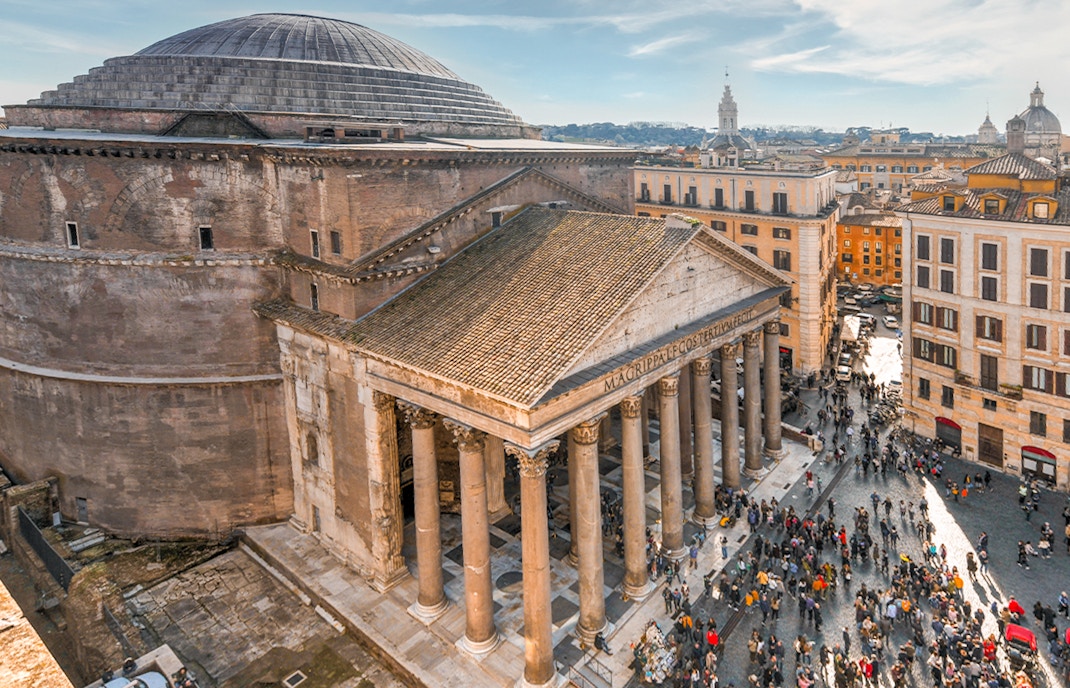
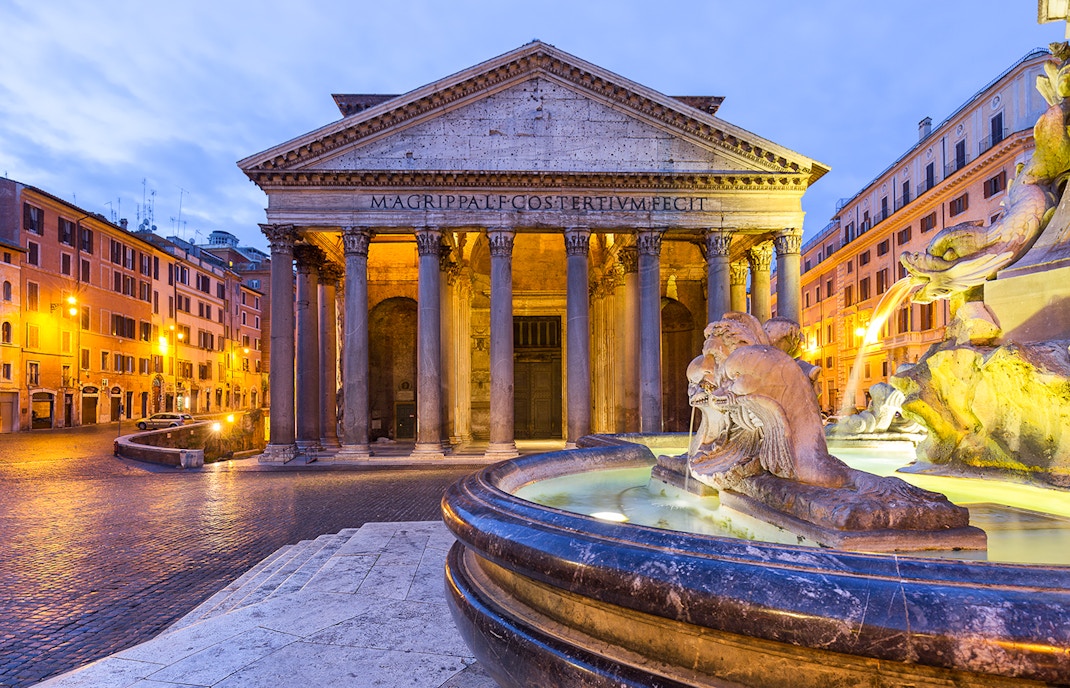
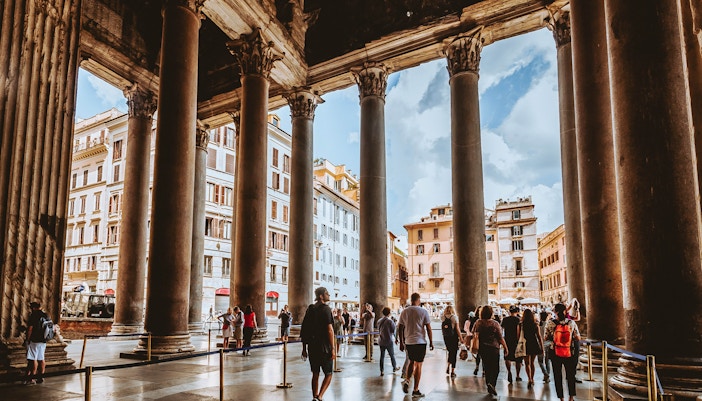
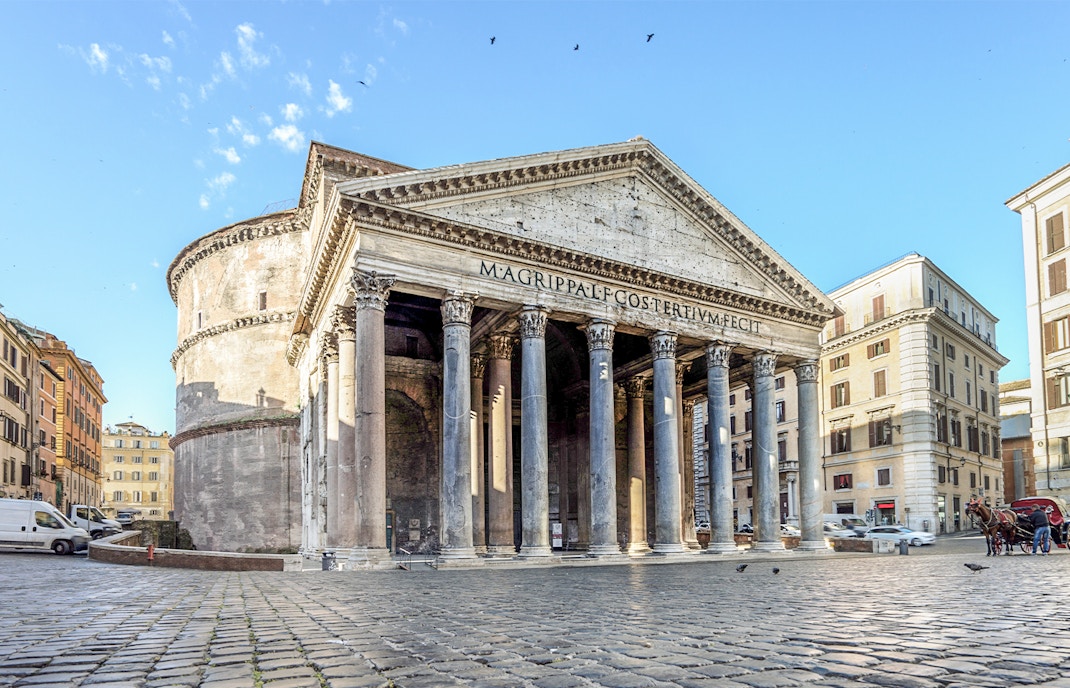
The Pantheon was originally built in 27 BC by Marcus Agrippa, member of the Roman consulate, as a temple for all the gods. Over time, it underwent several renovations and expansions, culminating in 125 AD when it was rebuilt by Emperor Hadrian to its current form. Throughout history, people have been captivated by its architecture, evolution and secrets.

Roman Pantheon Timeline

  • 27 BC: Construction of the Pantheon begins under the aegis of Marcus Agrippa, an important Roman statesman.
  • 80 AD: The original Pantheon is destroyed by fire.
  • 110 AD: After the first fire, the Pantheon is reconstructed by Domitian. It burns down again in the fire of 110 AD.
  • 118-125 AD: Emperor Hadrian orders the reconstruction of the Pantheon, which is completed during his reign.
  • 609 AD: The Pantheon is converted into a Christian church, officially named the Basilica of St. Mary and the Martyrs.
  • 1625: Pope Urban VIII removes bronze from the Pantheon's portico to create cannons for the Castel Sant'Angelo.
  • 17th Century: The Pantheon attracts significant interest from Renaissance artists and architects who are inspired by its classical design and incorporate similar features into their works.
  • 1747: The artist Giovanni Paolo Panini creates a famous painting titled "Interior of the Pantheon, Rome," capturing the grandeur of the structure during this period.
  • 1747: The Pantheon's dome is struck by lightning, causing significant damage to the interior.
  • 1870: The Pantheon becomes part of the Kingdom of Italy following the unification of the country.
  • 1892: King Victor Emmanuel II of Italy is buried in the Pantheon.
  • 1965: The Pantheon is officially designated as a UNESCO World Heritage site.

Read more about Rome Pantheon

Roman Pantheon history explained

Construction and destruction

27 BC - 80 AD

The Pantheon's construction began in 27 BC under the direction of Marcus Agrippa, a prominent Roman statesman. The original structure featured a rectangular temple with a portico and a traditional gabled roof. However, in 80 AD, disaster struck as a massive fire ravaged the Pantheon, reducing it to ruins. The cause of the fire remains uncertain, but it led to the need for a complete reconstruction of the Pantheon in the years that followed.
Reconstruction under Emperor Hadrian

118-125 AD

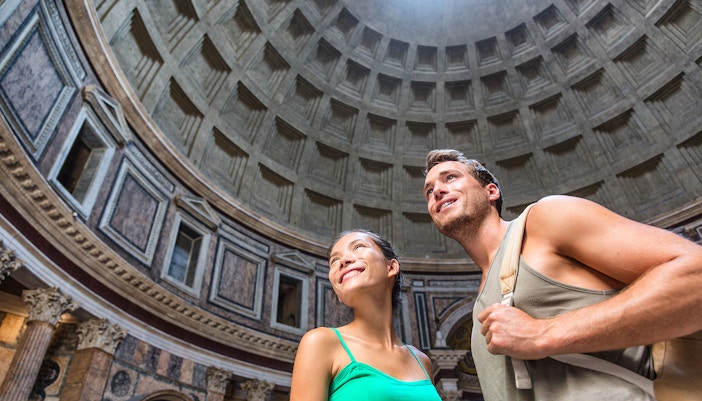
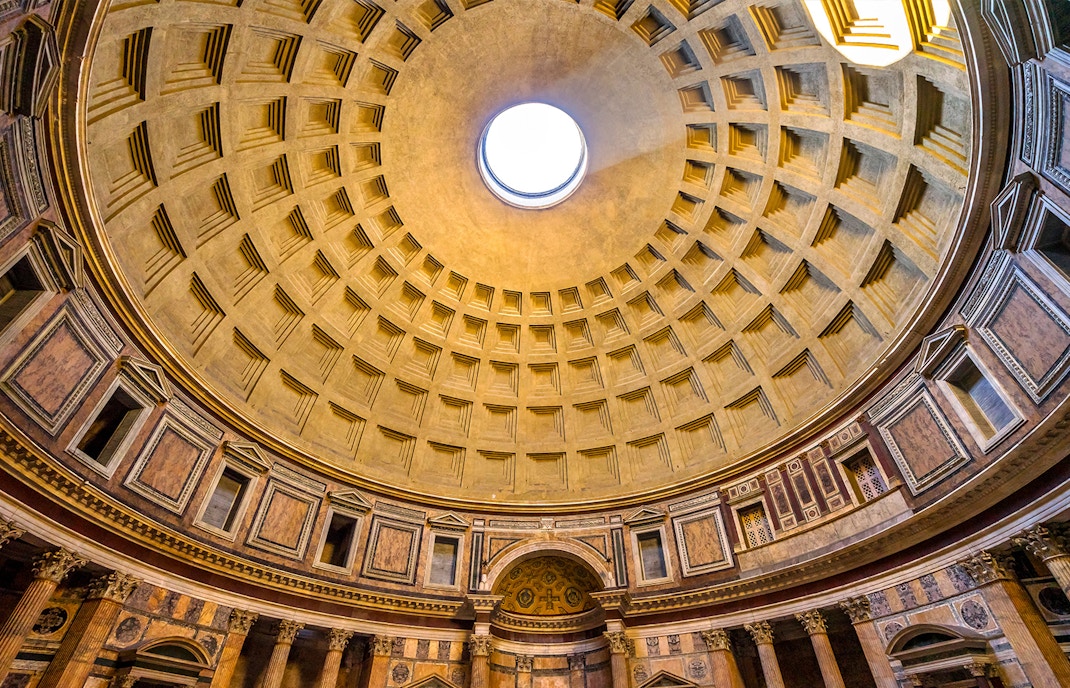
Between 118 and 125 AD, under the skilled craftsmanship of Roman architects and engineers, the Pantheon emerged as a remarkable architectural marvel. Emperor Hadrian's design included a massive concrete dome with a diameter of 43.3 meters (142 feet), making it one of the largest domes in the world at the time.

Read more about what makes the Pantheon dome unique

Conversion to a Christian church

609 AD

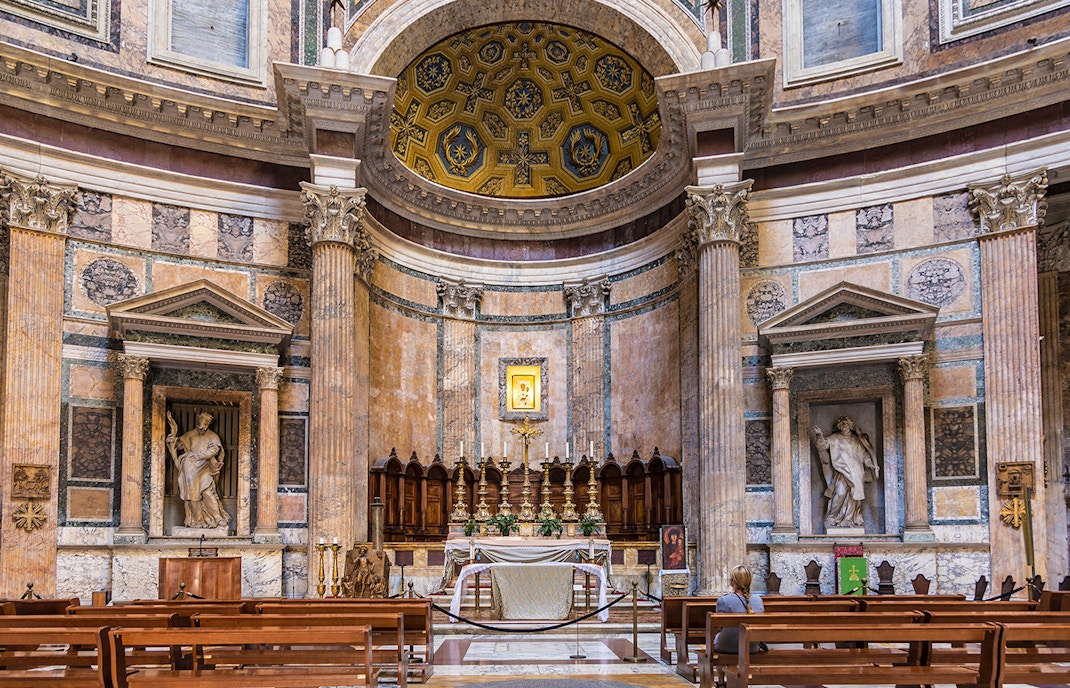
In the early 7th century, during the reign of Pope Boniface IV, the Pantheon was transformed into a Christian church. Boniface IV consecrated the building as the Basilica of St. Mary and the Martyrs, repurposing it for Christian worship. This conversion signaled the dominance of Christianity within the Roman Empire.

Papal interference and subsequent damage

17th century

During the 17th century, Pope Urban VIII ordered the removal of bronze from the Pantheon's portico to make cannons for Castel Sant'Angelo's defense. This caused irreparable damage to the structure, resulting in the loss of some features, like the bronze roof tiles. This act of papal interference significantly altered the appearance of the Pantheon.

Restoration and preservation

1747

In 1747, the Pantheon faced another calamity when lightning struck its dome. The impact caused severe damage to the interior, including the collapse of a large section of the ceiling. Subsequent restoration efforts were carried out to repair the damage and preserve the historical significance of the Pantheon.

Unification and recognition

1870 onwards

With the unification of Italy in 1870, the Pantheon became a symbol of national pride and unity. The building's incorporation into the Kingdom of Italy highlighted its significance as an architectural masterpiece of the Roman Empire. The Pantheon's status as a national treasure reinforced the idea of Italy as a unified nation.

The historic tombs of the Rome Pantheon

The tombs in the Roman Pantheon are historically relevant as they reflect its transformation from a pagan temple to a Christian church. This transition mirrors the evolving religious and cultural landscape of ancient Rome, making the tombs a poignant symbol of these changes.

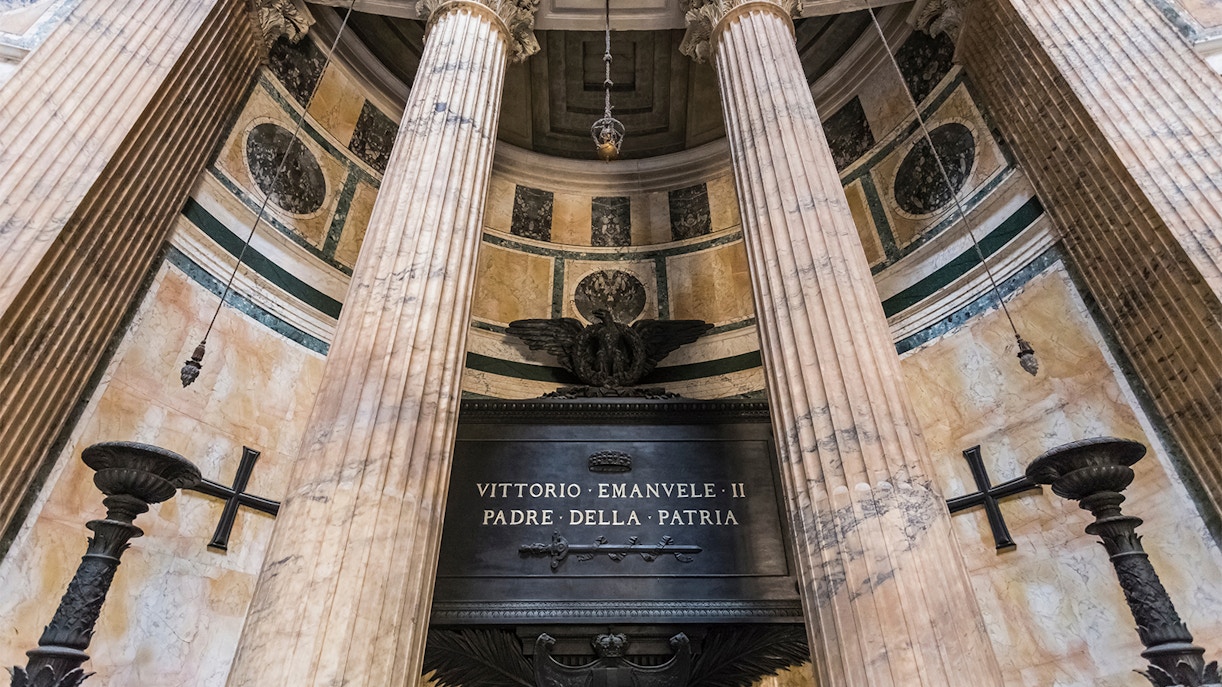
Tomb of Vittorio Emanuele II (1820-1878), first king of Italy at Pantheon Rome

Architecturally and historically speaking, both churches and tombs follow adhere to the principle of circularity. It's no wonder then, that the Pantheon acts as both church and tomb, its rotunda offering space for both prayer and salvation.

Notable figures interred at the Rome Pantheon

  1. Raphael: One of Italy’s most decorated artists, Raphael, found his final resting place in the hallowed Pantheon, where his remains lie beneath Lorenzetto’s sculpture of the Madonna del Sasso.
  2. Annibale Caracci: Another famous painter from Bologna, Caracci, was credited with introducing Roman Baroque painting at the end of the 16th century. His realistic approach also influenced Roman art over the centuries. He was buried beside Raphael.
  3. King Vittorio Emanuele II: Known as the ‘Padre Della Patria’ or Father of the Homeland, King Emanuele II was the first king of unified Italy in the 19th century. The sculpture of Roma inside the Pantheon watches over his tomb.
  4. Umberto I: Successor of King Emanuele, his tomb is a giant slab of porphyry decorated with marble heads. His wife, Margherita, is also buried in the same tomb.
  5. Baldassare Peruzzi: Best known for designing and decorating Villa Farnesina, Peruzzi was an accomplished architect and painter who was a contemporary of Raphael. He is also interred in the rotunda, next to Raphael’s tomb.

Pantheon Rome today

Today, the Rome Pantheon stands as a living testament to the city's rich history and architectural grandeur. While its original purpose as a temple to Roman gods has evolved, it remains a revered symbol of the Eternal City. This awe-inspiring structure welcomes visitors from around the world who come to admire its enduring beauty and to pay homage to historical figures interred within.

Plan your visit to Pantheon Rome

Rome Pantheon tickets

Rome Pantheon Fast-Track Tickets

Book now, pay later
Flexible duration
Audio guide
Guided tour

Combo (Save 13%): Rome Pantheon Fast-Track Entry + Hosted Entry to Colosseum, Roman Forum & Palatine Hill

Audio guide

Combo (Save 14%): Rome Pantheon + Castel Sant'Angelo Fast Track Entry Tickets

Audio guide


Best of Rome: Spanish Steps, Trevi Fountain & Pantheon Walking Tour

Free cancellation
Book now, pay later
2 hr. 30 min.
Guided tour

Frequently asked questions about Roman Pantheon history

The Rome Pantheon is a symbol of Rome's changing religious inclinations, from ancient temple to present-day church. It also houses several notable tombs and monuments, including the tomb of Raphael, the renowned Italian Renaissance painter. Other notable individuals memorialized there include King Victor Emanuele II of Italy and his successor, Umberto I.

More reads

Opening hours

Book Now

Interior

Book Now