The secrets & wonders inside Pantheon Rome | Art, architecture & engineering marvels

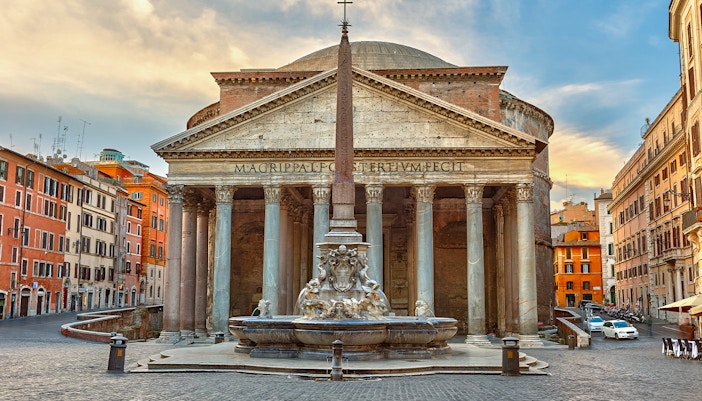
Step into the enchanting world of the Roman Pantheon, where history, artistry, and engineering brilliance converge. Discover the magnificence inside the Pantheon Rome, adorned with intricate marble, majestic columns, and a celestial oculus that bathes the space in ethereal light. Feel the weight of centuries as you stand beneath the iconic dome, a testament to Roman architectural mastery.

What to see inside Pantheon Rome?

Grand Rotunda
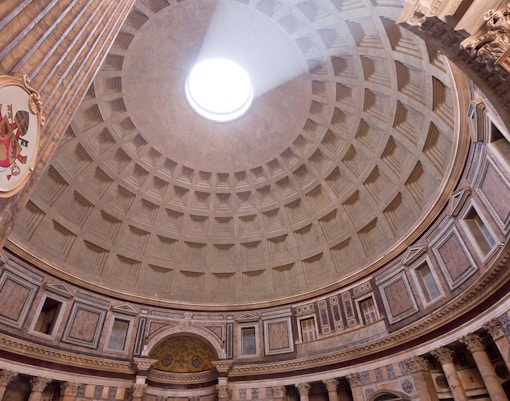
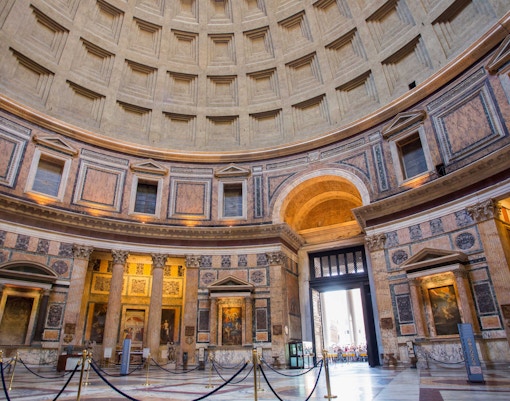
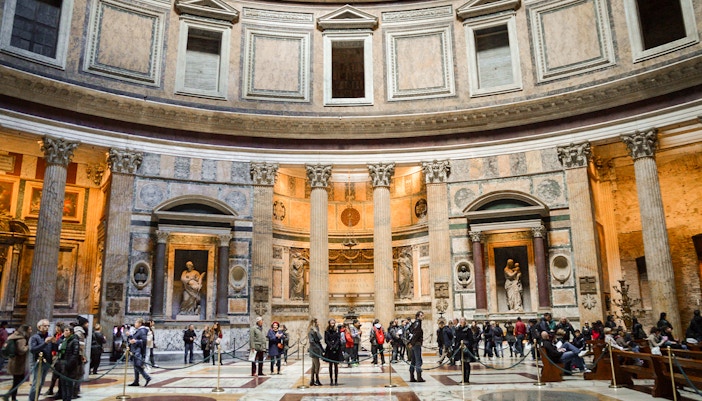
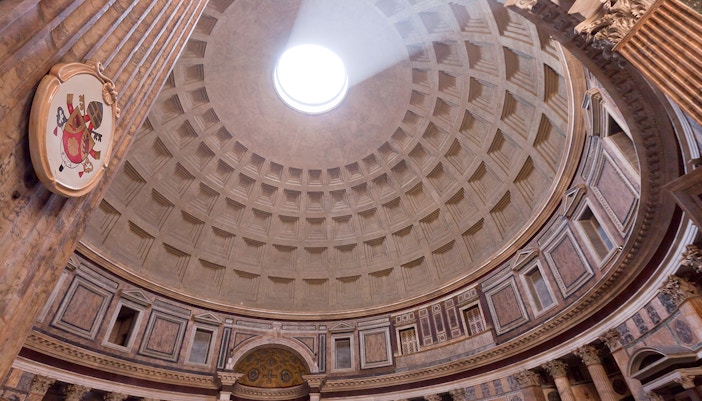
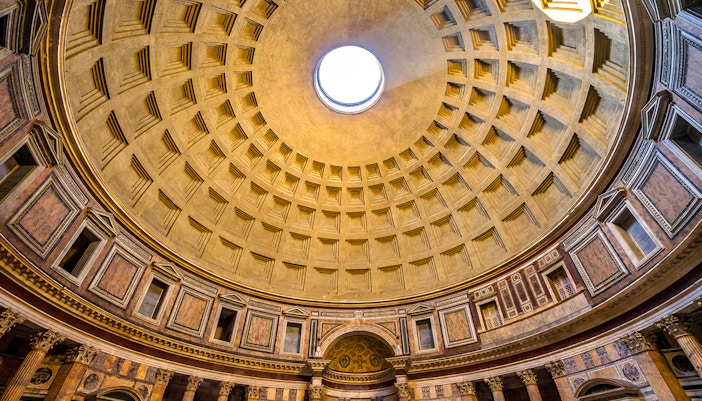
The main space of the Pantheon is the grand rotunda, a massive circular hall with a diameter of approximately 43.3 meters (142 feet). The dome of the rotunda soars high above, reaching an apex at the center, where the oculus, a circular opening with a diameter of about 8.8 meters (29 feet), allows a stream of light to pour into the temple.

Oculus

The oculus is one of the most striking and unique features of the Rome Pantheon. Located at the very top of the dome, it is a circular opening that allows light to stream into the interior of the building. The oculus is the only source of natural light in the Pantheon, and it is responsible for creating a dramatic effect that changes with the time of day and weather conditions.
Coffered dome

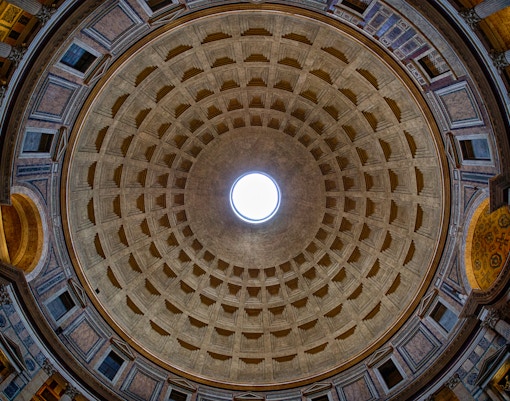
The interior of the dome is adorned with a series of recessed panels known as coffers. These coffers serve both aesthetic and structural purposes, reducing the dome's weight and evenly distributing forces to enhance its stability. The geometric patterns of the coffers add visual interest and elegance to the dome's interior.
The floor and marble decorations

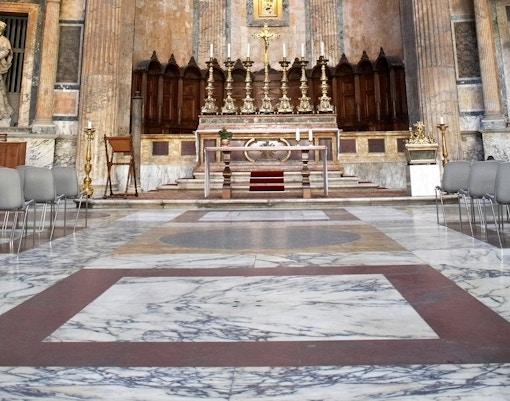
Underfoot, the floor showcases an elegant geometric pattern of colored marble, meticulously laid out in intricate designs. As you walk through the rotunda, the smoothness of the marble under your feet serves as a tactile reminder of the artistry that went into creating this architectural masterpiece.
The Altars

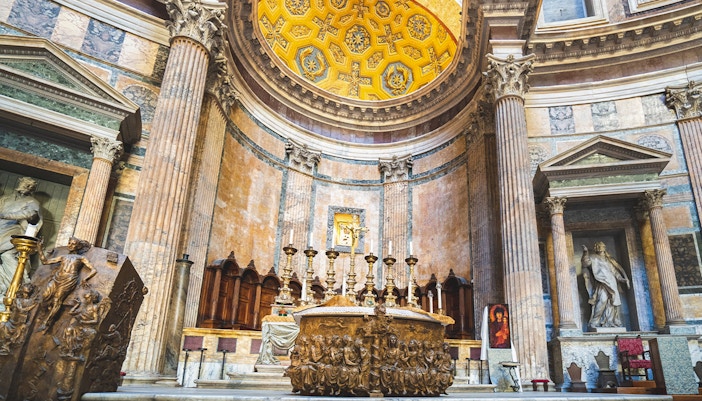
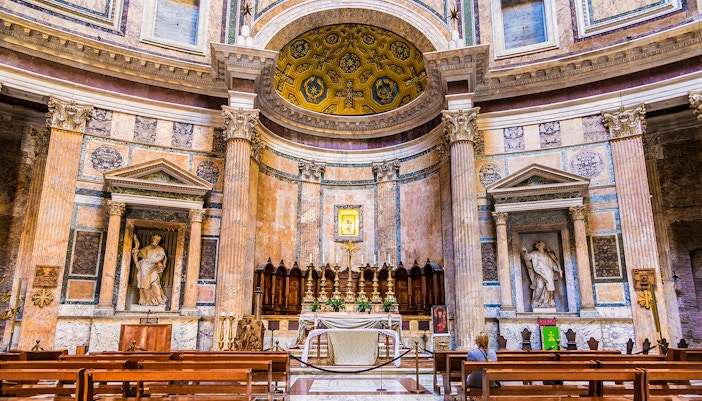
The Main Altar

The most notable relief is the Assumption of the Virgin Mary, which is located in the center of the altar. The Assumption of the Virgin Mary is a scene from the Bible that depicts the Virgin Mary being taken up to heaven by angels

The Altar of the Holy Spirit

This altar is located to the right of the main altar, and it is dedicated to the Holy Spirit. The altar of the Holy Spirit is made of marble and it is decorated with a relief of the Holy Spirit descending on the apostles. The relief is located in the center of the altar and it is surrounded by a border of flowers.

The Altar of St. Paul

This altar is located in the back of the Pantheon, and it is dedicated to St. Paul. The altar of St. Paul is made of marble and it is decorated with a relief of St. Paul being beheaded.

Chapels

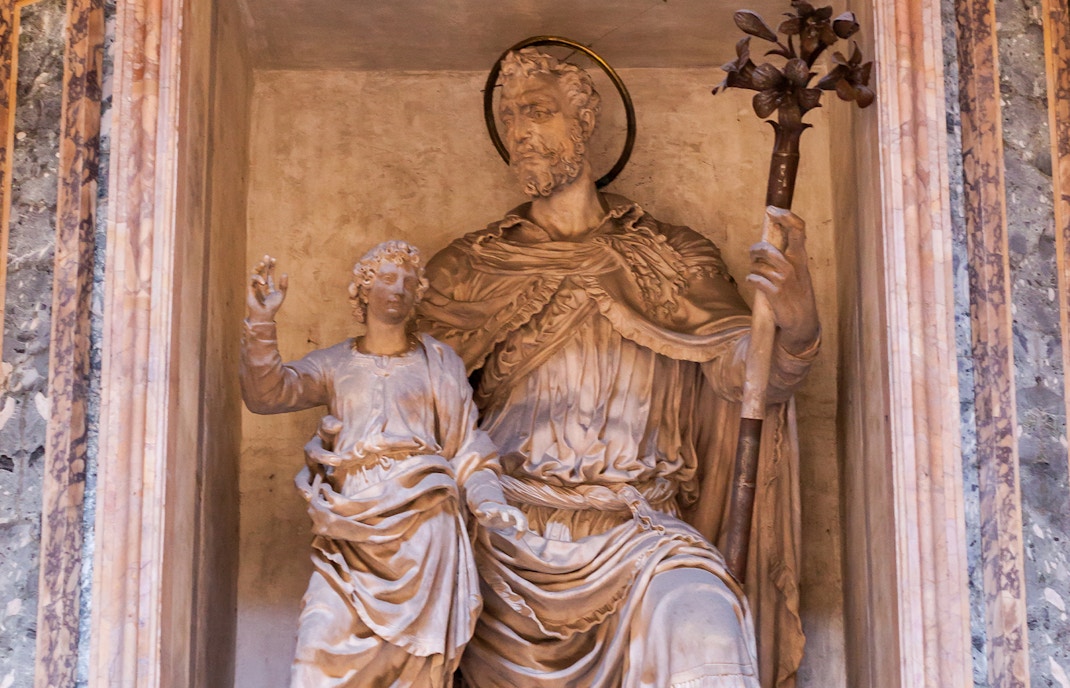
Chapel of St. Joseph

The Chapel of St. Joseph is located in the northeast apse of the Pantheon. It is dedicated to Saint Joseph, the husband of the Virgin Mary and the foster father of Jesus Christ. The chapel is decorated with frescoes depicting scenes from the life of Saint Joseph.

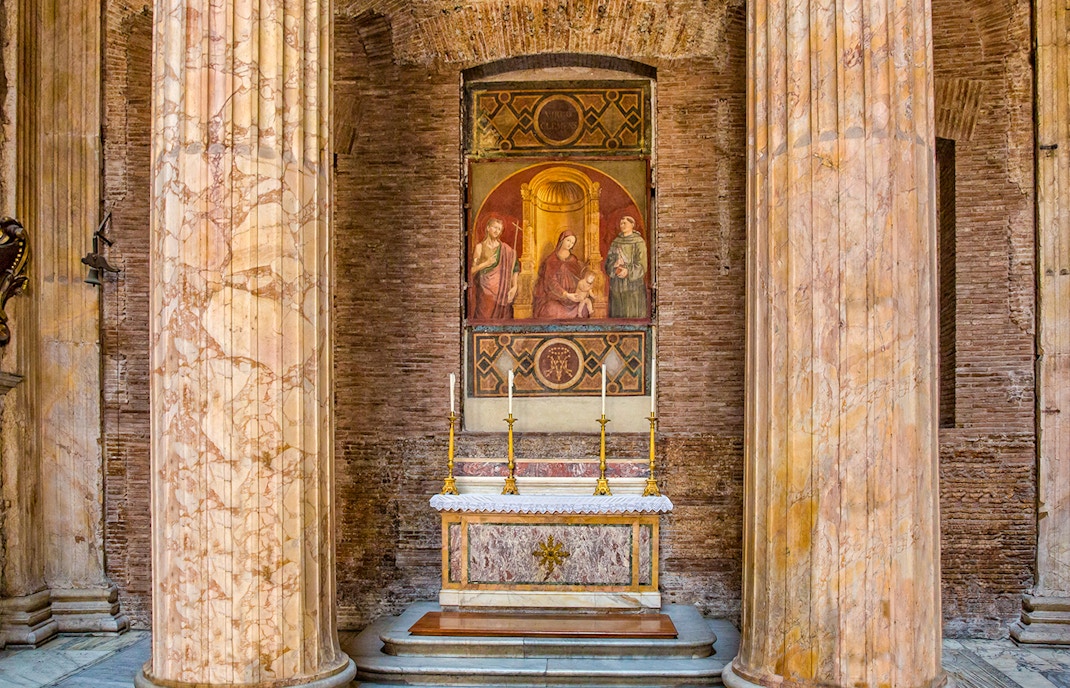
Chapel of the Madonna of Clemency

The Chapel of the Madonna of Clemency is located in the southeast apse of the Pantheon. It is dedicated to the Virgin Mary, who is often depicted as the Madonna of Clemency. The chapel is decorated with a fresco of the Madonna of Clemency, which was painted by Giovanni Battista Gaulli in the 17th century.

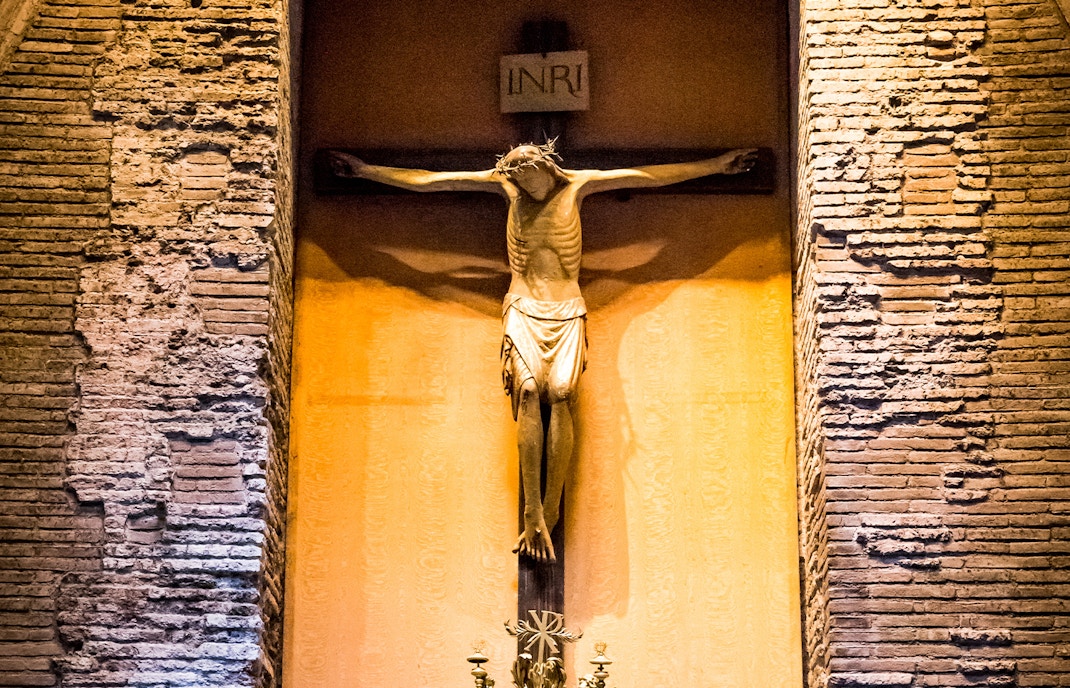
Chapel of the Crucifixion

The Chapel of the Crucifixion is located in the southwest apse of the Pantheon. It is dedicated to the Crucifixion of Jesus Christ. The chapel is decorated with a fresco of the Crucifixion, which was painted by Giovanni Battista Piranesi in the 18th century.

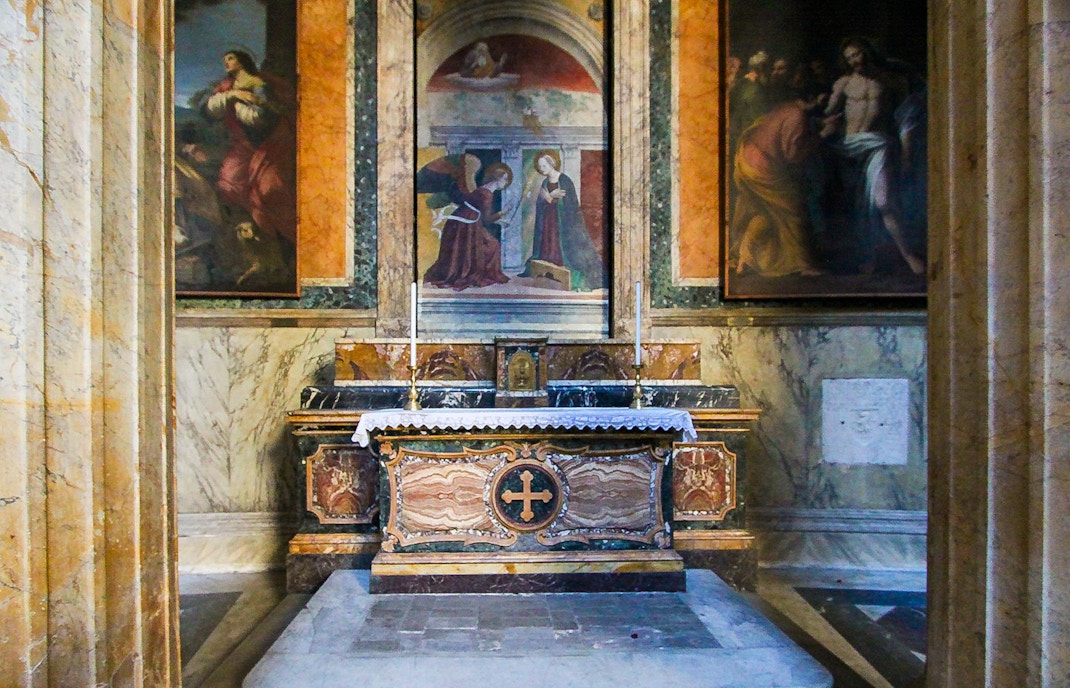
Chapel of the Annunciation

The Chapel of the Annunciation is located in the northwest apse of the Pantheon. It is dedicated to the Annunciation of the Virgin Mary. The chapel is decorated with a fresco of the Annunciation, which was painted by Melozzo da Forlì in the 15th century.

Statues

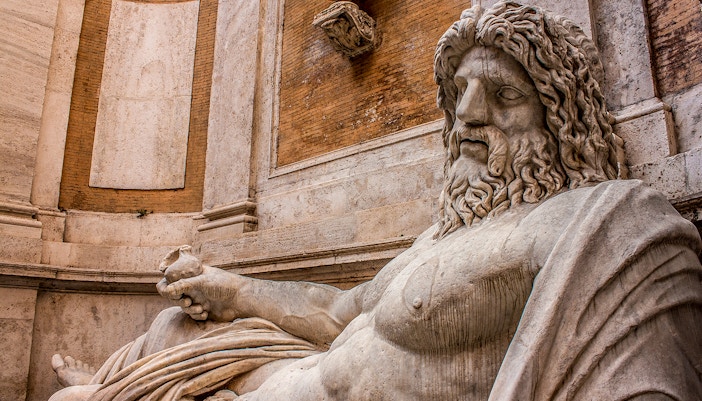
Statue of Jupiter

Given that the Pantheon was dedicated to all the gods of ancient Rome, a prominent statue of Jupiter, the king of the gods in Roman mythology, might have been placed in a central position within the rotunda.

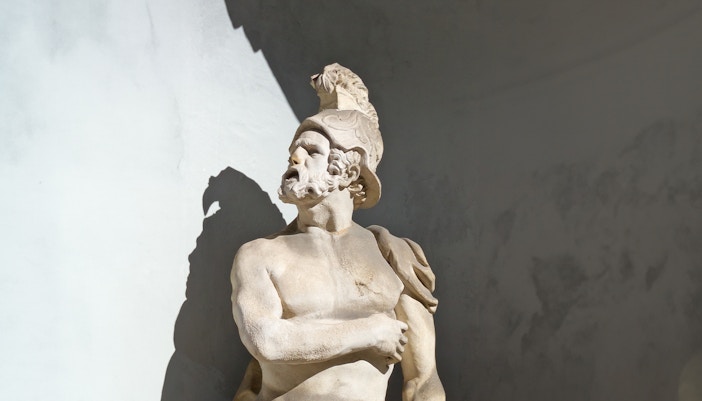
Statue of Mars

As the Roman god of war and one of the most important deities in the Roman pantheon, Mars could have been depicted in full military regalia, reflecting his role as the guardian and protector of the Roman state.

Statue of Venus

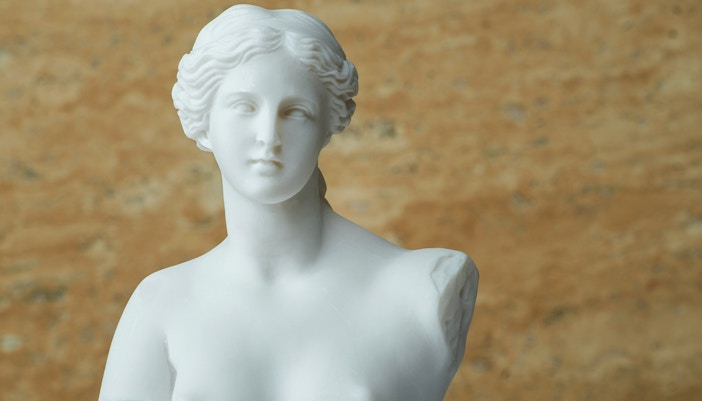
Venus, the goddess of love, beauty, and fertility, might have graced the interior of the Pantheon, symbolizing the prosperity and harmony that the Romans sought to embody in their daily lives.

Visitor tips

  • While planning your visit, arrive early in the morning or late in the afternoon to avoid the crowds and fully appreciate the tranquility of the Roman Pantheon's inside.
  • Don't forget to gaze up at the breathtaking oculus, the opening at the top of the dome, which creates a mesmerizing interplay of light and shadow.
  • Take a moment to appreciate the intricate ancient floor mosaic, featuring geometric patterns and intricate designs that have survived centuries of history.
  • Remember that the Pantheon is an active church. Maintain a respectful demeanor, and if attending a service, keep noise to a minimum.
  • If you're lucky enough to experience a rainy day, make sure to visit the Pantheon. The raindrops falling through the oculus create a captivating sight.

Frequently asked questions about what's inside the Pantheon Rome

The oculus is a circular opening in the dome of the Pantheon. It serves as the only source of natural light inside the building and provides ventilation. The oculus creates a dramatic effect, with sunlight streaming through and casting unique patterns and shadows throughout the interior.

More Reads

Opening Hours

Book Now

History

Book Now

Oculus

Book Now