Year of founding under Pope Sixtus III
The popes' own basilica
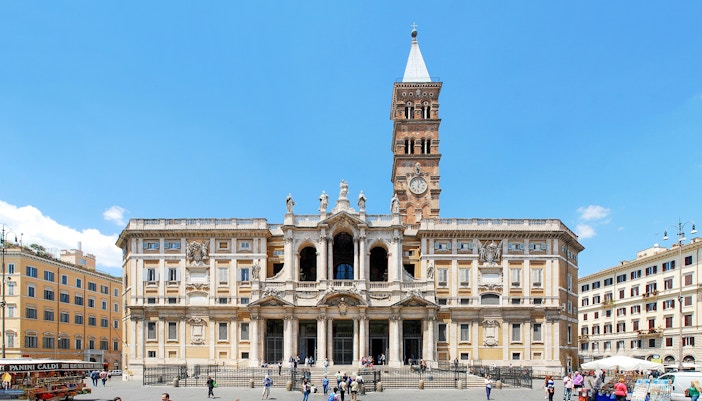
Among Rome's four major basilicas, Santa Maria Maggiore holds a singular distinction: it is the only one that has remained continuously under direct papal custody since its founding in the 5th century. While St. Peter's speaks to institutional power and the Lateran to episcopal authority, the Liberian Basilica on the Esquiline Hill speaks to something deeper — the personal, devotional bond between the Bishop of Rome and the Mother of God.
Quick facts
432 AD
30+
Popes who substantially patronised the basilica
4
Papal chapels within the basilica
1st
Basilica to hold a Holy Door in the Jubilee tradition
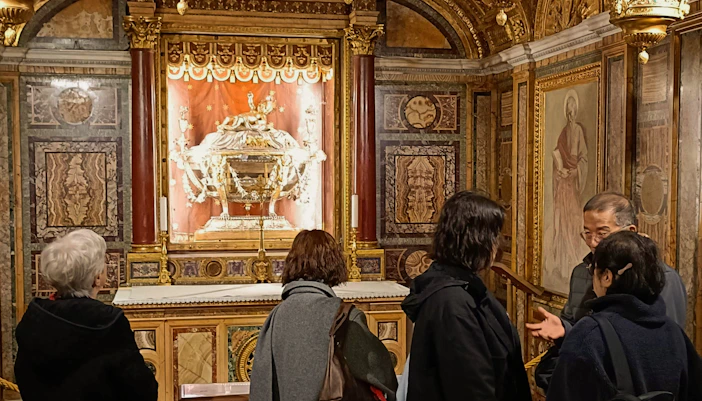
From Sixtus III, who raised the original structure to honour the Council of Ephesus's declaration of Mary as Theotokos, to Francis, who visited here to pray before and after every pontifical journey, the basilica has been a thread woven through 1,600 years of papal history. Every apse, every chapel, every gilded ceiling carries the mark of a pope.
This is not merely a church. It is the autobiography of the papacy, written in stone, mosaic, and marble.
Basilica as a palimpsest of popes
Each century brought a new pontiff who left his mark; a chapel here, a ceiling there; transforming the basilica into a layered record of papal ambition, piety, and taste.
Pope Liberius - 352 AD
The legendary first foundation
Architecture
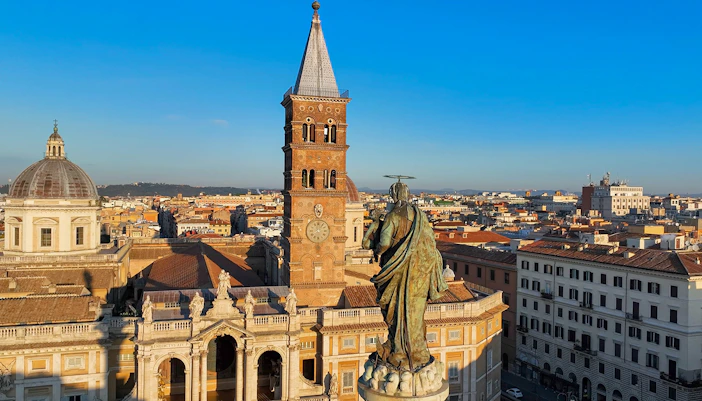
According to tradition, Liberius commissioned the first church on this site following a miraculous August snowfall that outlined its footprint. The feast of Our Lady of the Snows (August 5) commemorates this event to this day.
Pope Sixtus III - 432–440 AD
The triumphal arch mosaics
Mosaic · Theology
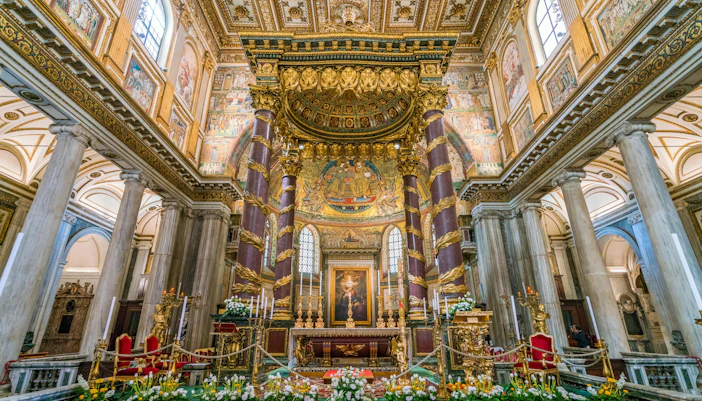
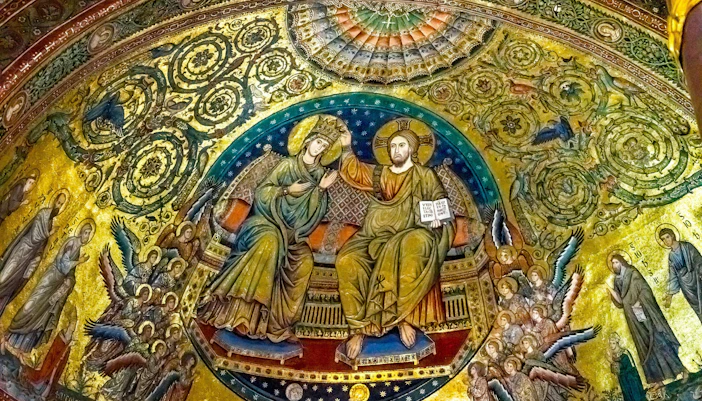
Following the Council of Ephesus (431), Sixtus rebuilt the basilica and commissioned its most celebrated feature — the 5th-century triumphal arch mosaics proclaiming Mary's divine motherhood. These remain among the oldest intact mosaic programmes in Christendom.
Pope Paschal I - 817–824 AD
The apse mosaic & relic translation
Mosaic · Relics
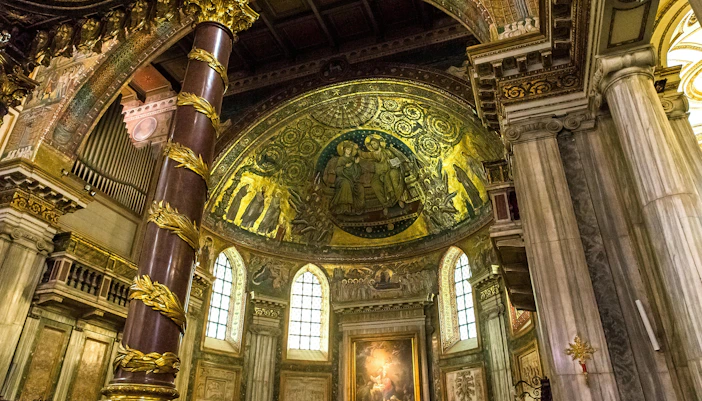
Paschal remodelled the apse and installed the stunning gold-ground mosaic of Mary Enthroned — depicting her crowned and imperial. He also transferred the relics of numerous martyrs, solidifying the basilica's sacred geography.
Pope Nicholas IV - 1288–1292
The nave & apse mosaic by Torriti
Mosaic · Franciscan Patronage
The first Franciscan pope commissioned Jacopo Torriti to create the magnificent apse mosaic — the Coronation of the Virgin — still visible today. He also contributed substantially to the nave's Cosmatesque floor.
Pope Sixtus V - 1585–1590
The Sistine Chapel of the Basilica
Architecture · Funerary
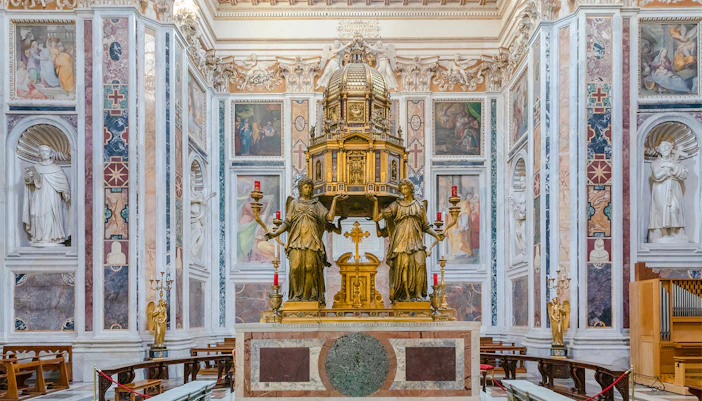
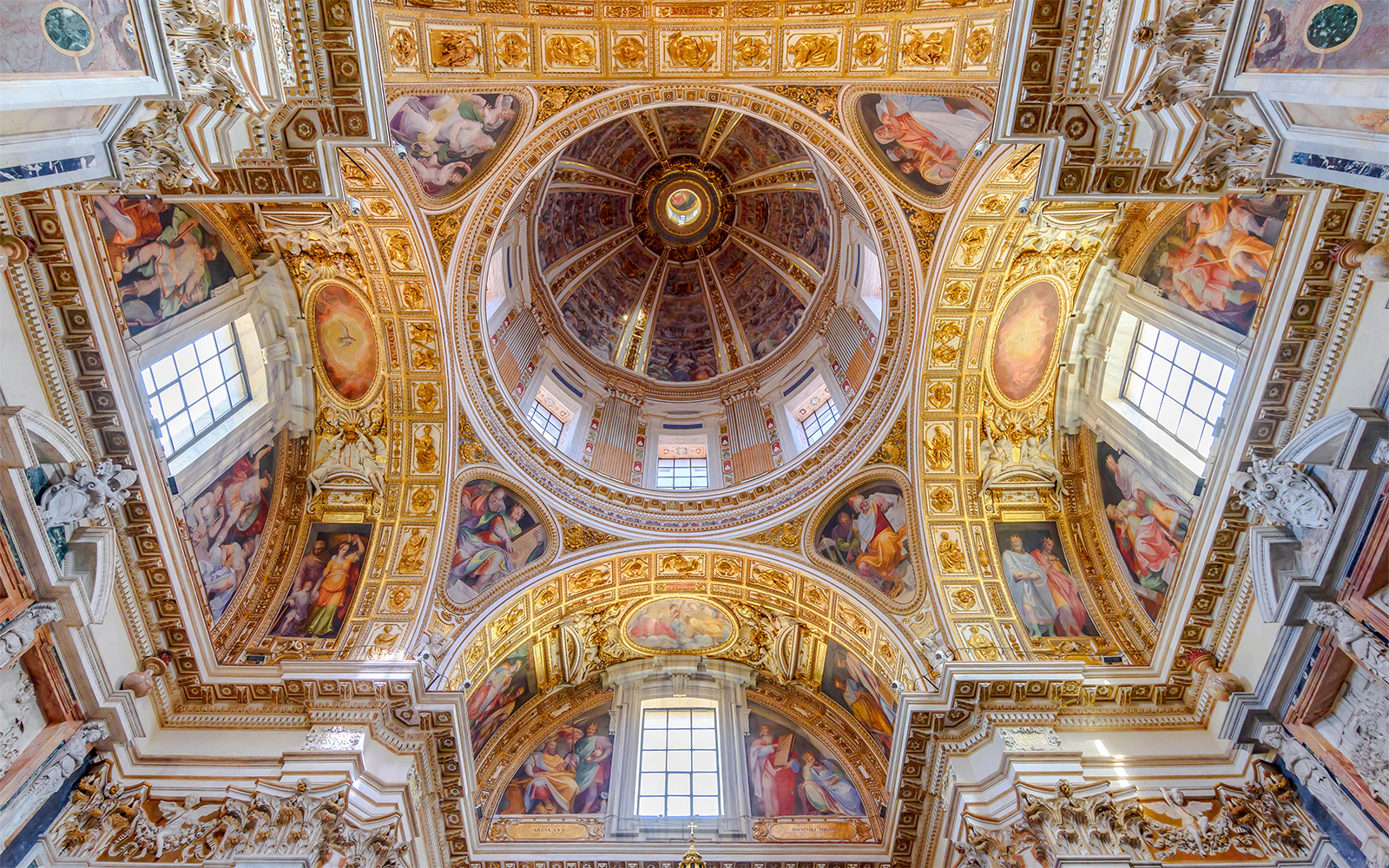
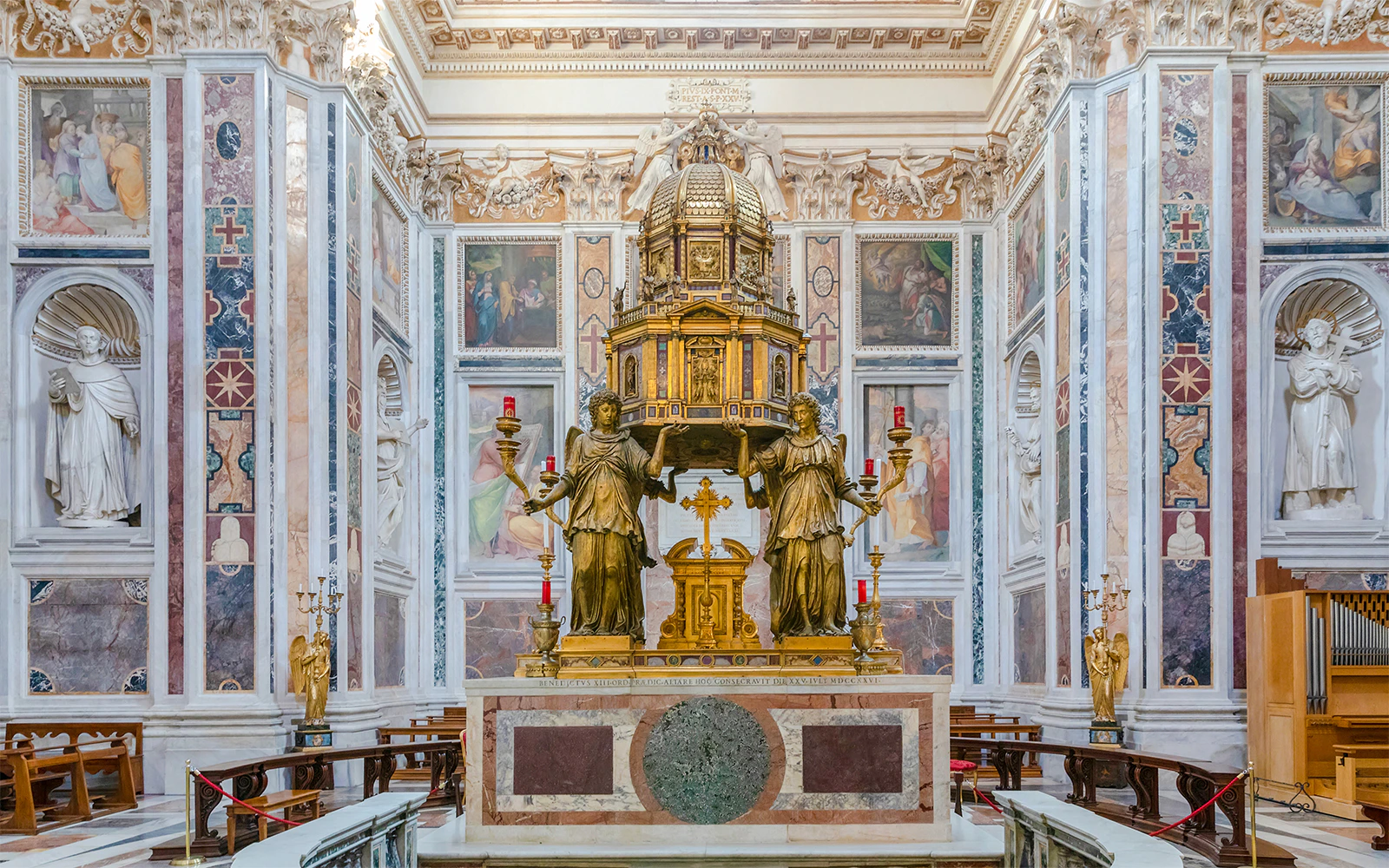
Not to be confused with the Sistine Chapel of the Vatican, Sixtus V built the lavish Cappella Sistina here as his own mausoleum and as a reliquary chapel for the sacred crib. Domenico Fontana designed it as a Greek-cross chapel encrusted with precious marble, frescoes, and the papal tombs of Sixtus V himself.
Pope Paul V - 1611–1614
The Pauline Chapel (Borghese Chapel)
Architecture · Marian icon
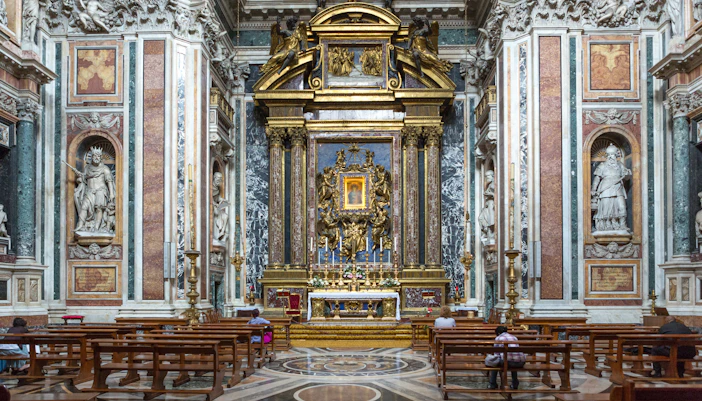
Paul V built the opulent Cappella Paolina as a deliberate counterpart to the Sistine Chapel across the nave. It houses the revered Salus Populi Romani icon in a jewelled frame and contains the tombs of Paul V and Clement VIII, making it one of the most sumptuously decorated spaces in all of Rome.
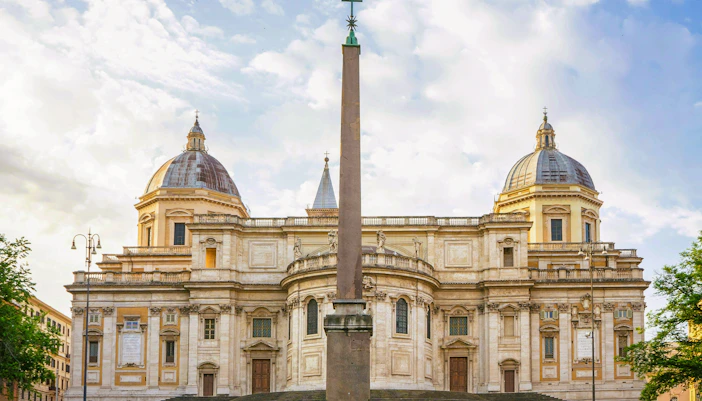
Pope Benedict XIV - 1741–1750
The new apse & baroque additions
Architecture · Facade
Benedict commissioned Ferdinando Fuga to design the baroque loggia facade visible today, preserving the 13th-century mosaics by Filippo Rusuti in the upper tier. This act of conservation-within-transformation typifies the basilica's layered history.
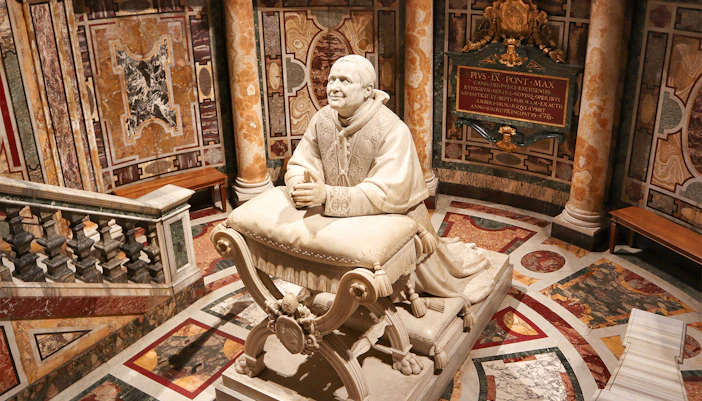
Paul VI to Francis - 1964-2025
The modern papal devotion
Living tradition
Every modern pope has maintained a devotional relationship with the basilica. John Paul II visited regularly; Francis prayed before the Salus Populi Romani before and after every international journey, a practise that became one of the most photographed rituals of the contemporary papacy.
Papal connections across the Basilica
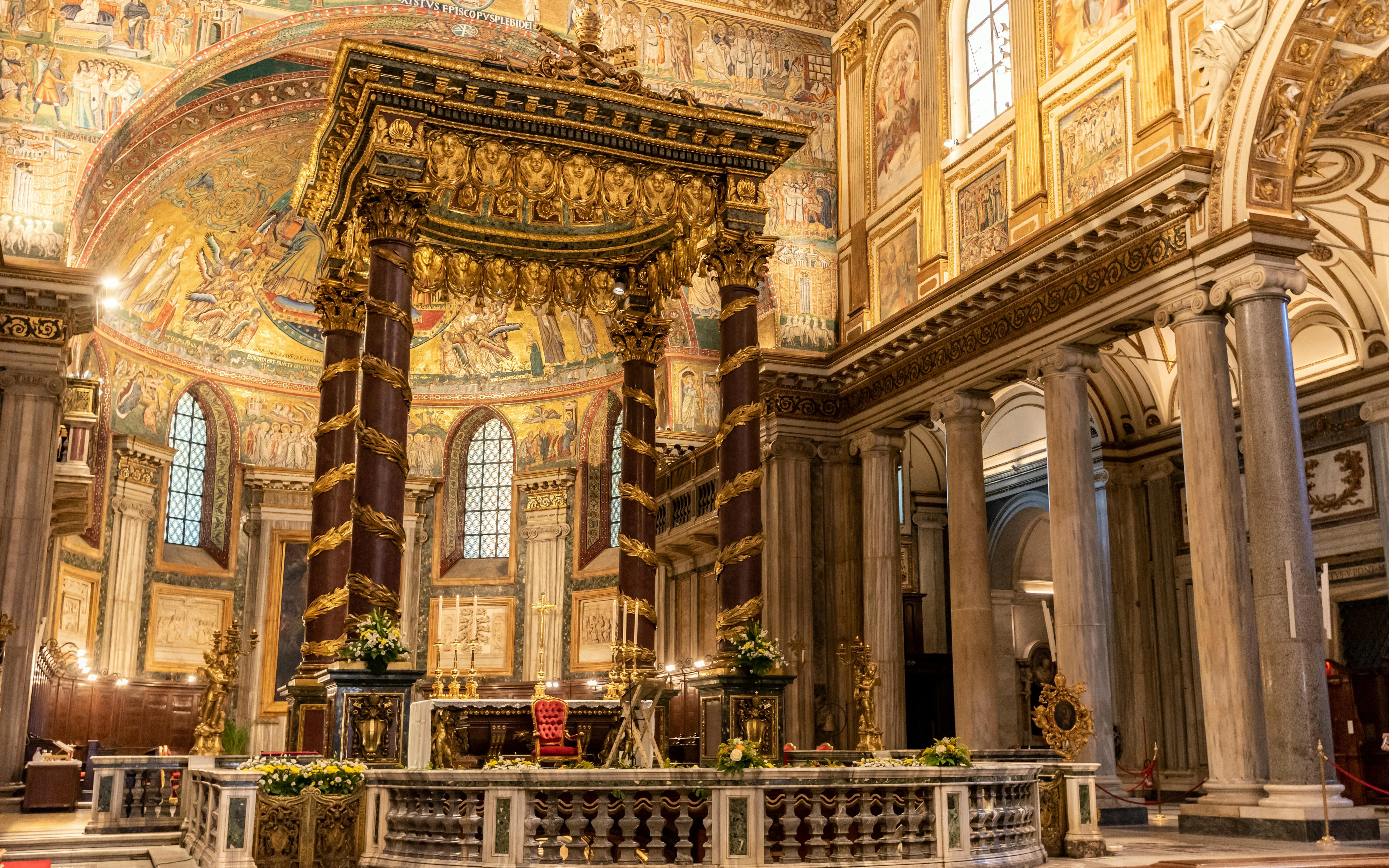
5th-century triumphal arch mosaics
📍 Nave entrance arch, central basilica
Commissioned by Pope Sixtus III to celebrate the Council of Ephesus. The cycles of scenes from the Infancy of Christ frame Mary in her newly proclaimed role as Theotokos — a direct theological statement in mosaic, visible from anywhere in the nave.
Frequently asked questions about Santa Maria Maggiore papal connection
Santa Maria Maggiore is one of the four major papal basilicas of Rome. It is directly associated with the pope and has played a central role in papal ceremonies, devotion, and patronage for centuries.
Several popes are buried here, including Pope Nicholas IV, Pope Pius V, Pope Sixtus V, Pope Clement VIII, and Pope Francis, whose tomb has made the basilica a major modern pilgrimage site.
The Salus Populi Romani is a revered Marian icon housed in the basilica. Popes have long prayed before it, and Pope Francis famously visited it before and after many of his international journeys.
Created shortly after the Council of Ephesus affirmed Mary's title as Mother of God, the mosaics visually express beliefs that were central to the early Church and strongly supported by the papacy.
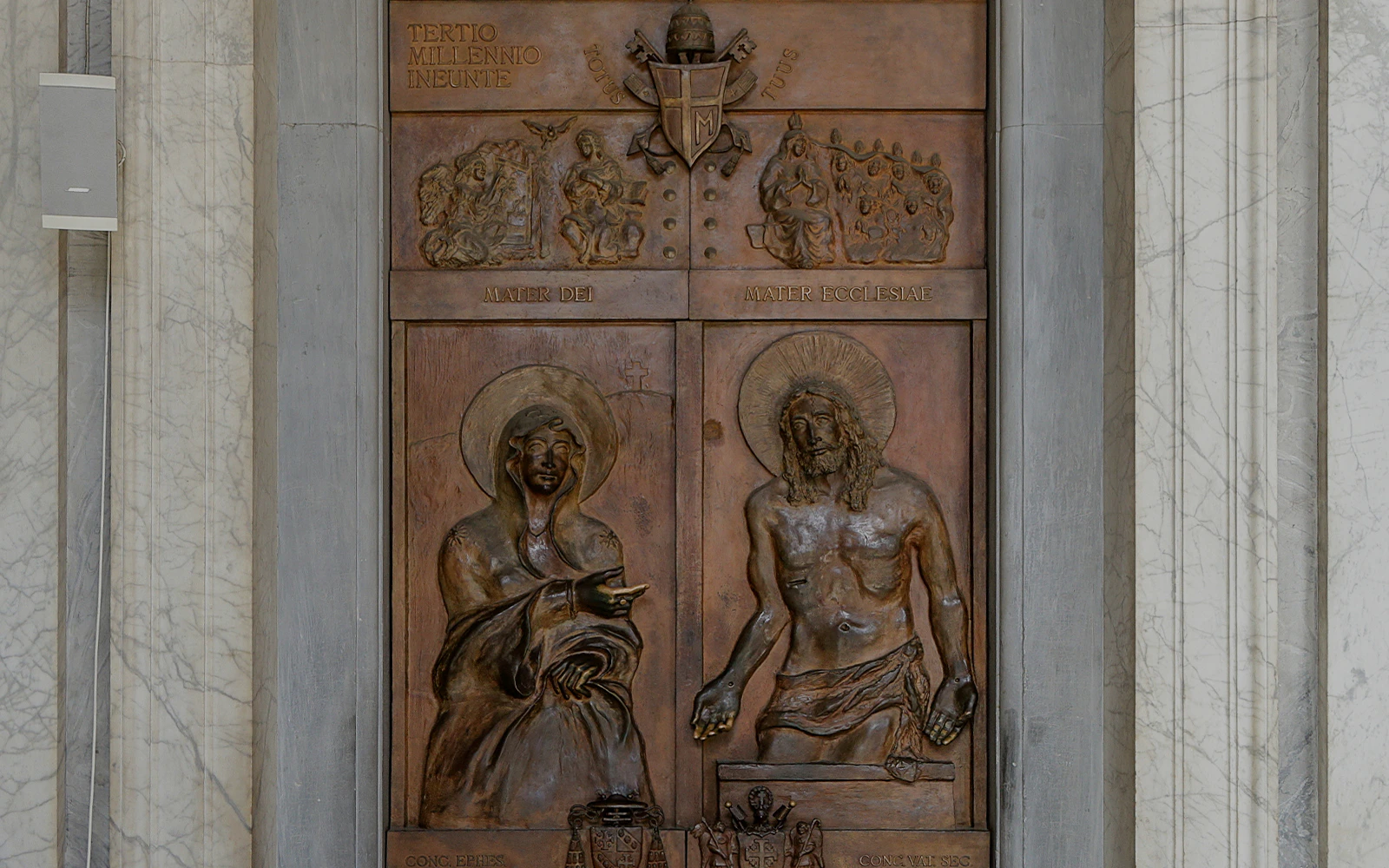
The Holy Door is a special entrance opened only during Jubilee Years. Pilgrims who pass through it as part of a pilgrimage can receive spiritual benefits associated with the Jubilee.
Many popes had a personal devotion to the Virgin Mary and a strong connection to Santa Maria Maggiore. Choosing burial here reflected those ties and their desire to be laid to rest in one of Christianity's most important Marian shrines.