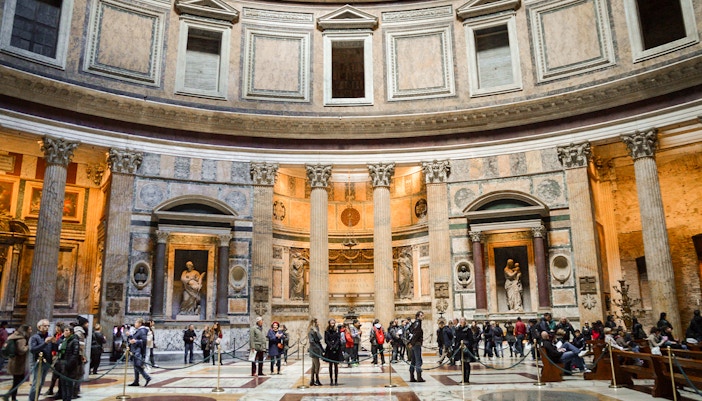
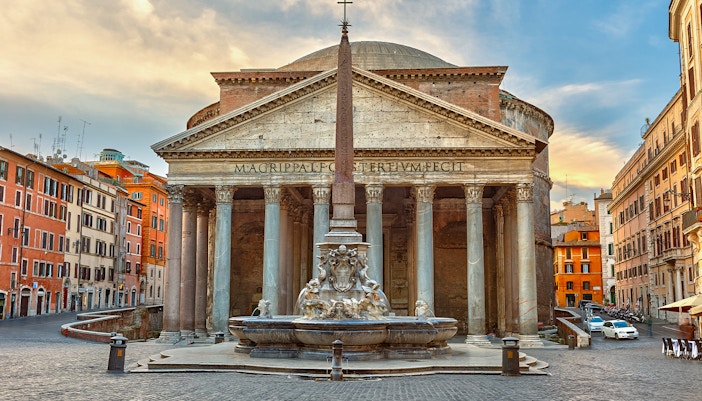
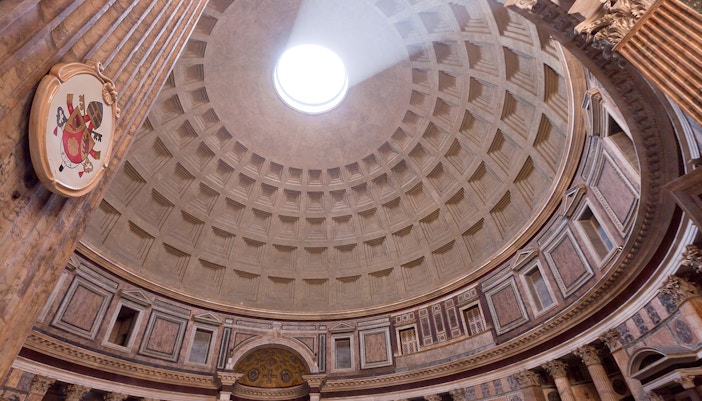
The Rome Pantheon, originally constructed as a temple and later consecrated as a Catholic church, enforces a dress code out of respect for its religious sanctity. This code encourages modest attire, covering shoulders and wearing longer skirts or trousers, to honor the historical and ongoing role of the Pantheon as a place of worship.
Rome Pantheon Dress Code: Breaking Down Your Wardrobe Essentials for a Wholesome Pantheon Visit
In the heart of Rome, the Pantheon stands as a marvel of ancient architecture. As you prepare for an enriching experience at this historic site, it's essential to familiarize yourself with the Pantheon Rome dress code. This guide will help you appreciate its magnificence while respecting its historical significance.
Why does the Pantheon Rome have a dress code?

What is the Pantheon Rome dress code?
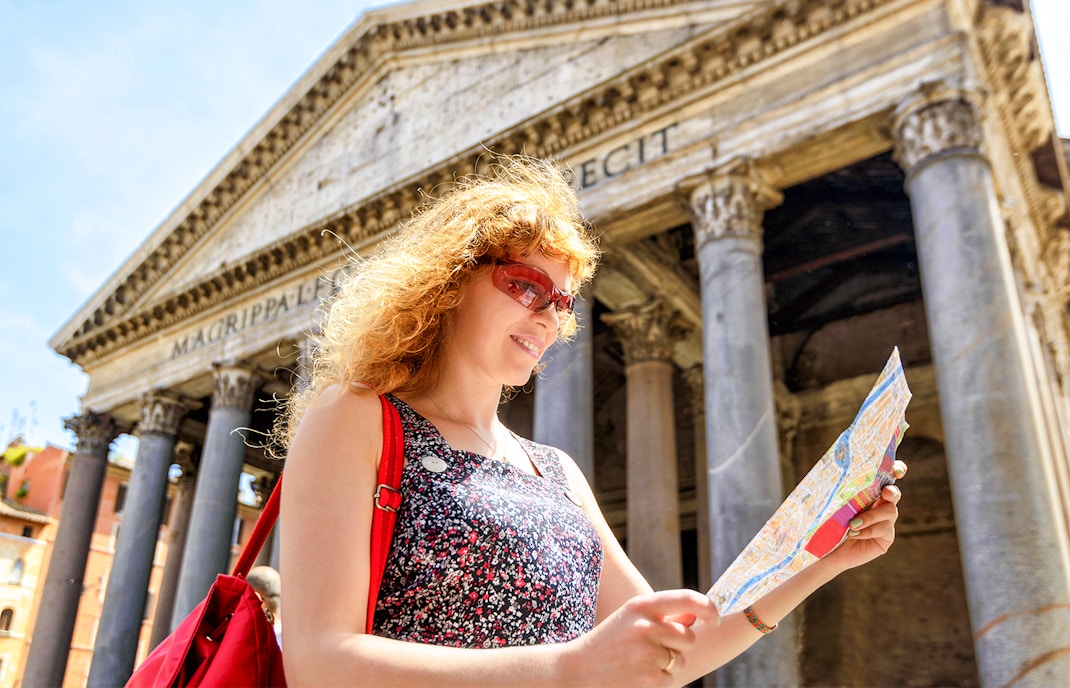
General
- Modest attire: Choose clothing that is modest and respectful, covering shoulders, cleavage and knees. Closed-toe shoes are recommended.
- Longer skirts and trousers: Opt for longer skirts (below the knee) or trousers instead of very short shorts or mini skirts.
- Shoulder coverage: Ensure your shoulders are covered. Carry a shawl, pashmina, or pareo if wearing a strappy top.
- Avoid offensive clothing: T-shirts are acceptable, but avoid those displaying offensive slogans or imagery.
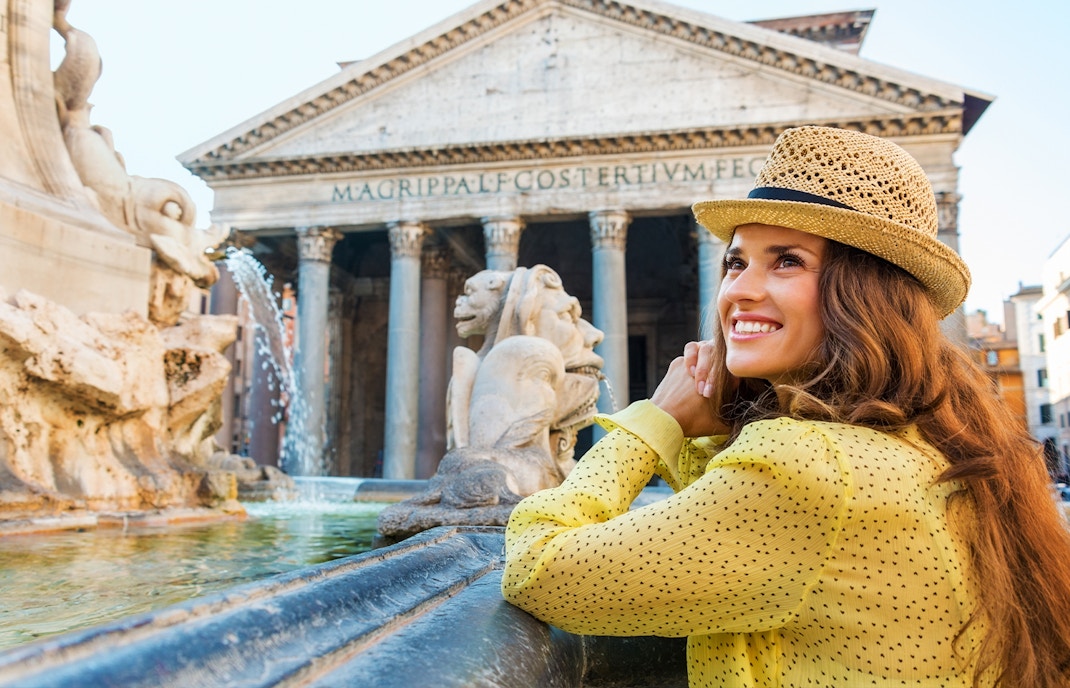
For women
- Skirts & trousers: Opt for longer skirts (below the knee) or trousers instead of very short shorts or mini skirts.
- Shoulder coverage: Ensure your shoulders are covered. If you're wearing a strappy top, carry a shawl, pashmina, or pareo to drape when needed.
- Modest tops: Choose tops that don't have plunging necklines or reveal the belly.

For men
- Shirts are preferred: It's advisable to wear shirts, but T-shirts are acceptable as long as they don't display offensive slogans or imagery.
- Shoulder coverage: To adhere to the dress code, avoid exposing your shoulders. Vests should be avoided for this reason.
- Guidelines on shorts: If you choose to wear shorts, ensure they are at least knee-length, meeting the dress code requirements.
For kids
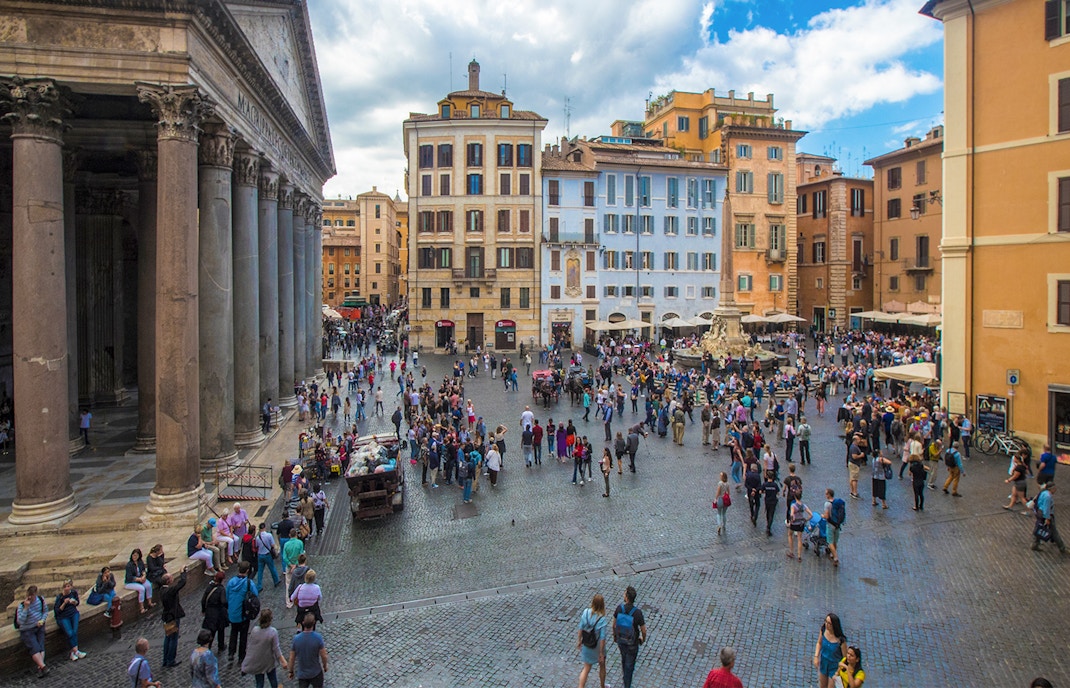
- Exemption for young children: Generally, young children are exempt from the dress code, allowing for more flexibility in their attire.
- Teenagers: Teenagers are advised to follow the same dress code as adults, ensuring modest attire with covered shoulders and knees, to respect the Pantheon's significance as a functioning Catholic Church.
What to do if you aren’t dressed according to the guidelines?
If you find that your attire doesn't align with the Rome Pantheon's dress code guidelines, there's no need to worry. Fortunately, there are kiosks or shops near the Pantheon offering clothing items for rent or purchase that are compliant with the guidelines.
Frequently asked questions about Pantheon Rome dress code
Yes, you can wear jeans to the Pantheon as long as they are not ripped and adhere to the knee coverage requirement.
While sandals are generally allowed, it's recommended to wear closed-toe shoes or shoes with good grip, especially on rainy days when the floors can be slippery.
While young children are exempt from the dress code, teens should adhere to the dress code guidelines, which include wearing clothing that covers the knees and shoulders. Long trousers, sleeved tops, and dresses.
If your attire doesn't meet the dress code, you can use solutions like draping a scarf over your shoulders or wearing a cardigan or jacket. Some shops near the Pantheon might offer clothing items for rent or purchase that comply with the guidelines.
Yes, you can still appreciate the exterior beauty of the Pantheon and its surroundings from outside if your attire isn't suitable for entry.
While there might not be direct penalties, adhering to the dress code is a sign of respect for the Pantheon's historical and cultural significance.
Yes, wearing a sleeveless dress with a shawl draped over your shoulders is a suitable option to meet the dress code requirements.
Removing sunglasses and hats before entering the Pantheon is considered respectful behavior in accordance with the decorum, so it's best to remove these items before you enter the church.